导图社区 初中英语2024秋外研版Unit 6 The power of plants
初中英语2024秋外研版Unit 6 The power of plants
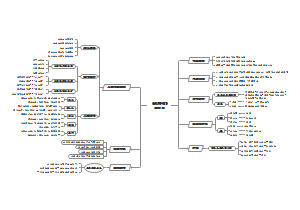
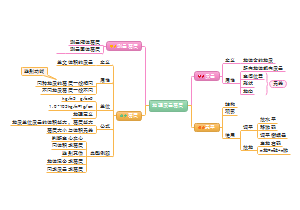
这是一篇关于初中英语2024秋外研版Unit 6 The power of plants的思维导图,主要内容包括:重点词汇,重点短语,重点句型。
编辑于2025-10-31 09:30:30- 初中英语2024秋外研版unit6

- 专制主义中央集权制度不断强化的过程
这是一篇关于专制主义中央集权制度不断强化的过程的思维导图,主要内容包括:专制主义中央集权制度的影响,一、隋朝(完善):创立三省六部制、科举制,二、唐朝(完善):进一步完善三省六部制、科举制,三、宋朝(加强):宋太祖强化中央集权,四、元朝(新发展):忽必烈创立了行省制度,五、明朝(强化):朱元璋强化皇权的具体措施,六、清朝(顶峰):清朝强化君主专制措施,七、君主专制制度的
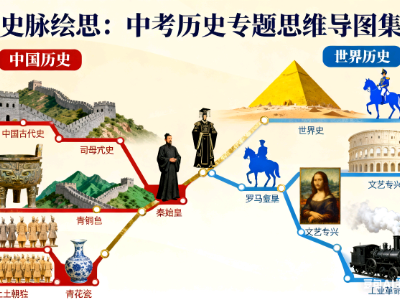
- 中国史世界史标志性事件汇总
这是一篇关于中国史世界史标志性事件汇总的思维导图,主要内容包括:中国近代史,*标志着中国近代史开端的事件,*标志着中国开始沦为半殖民地半封建社会的事件,*战争开始的标志,*战争结束的标志,*标志着中国半殖民地化程度大大加深的事件,*标志着清政府完全成为帝国主义统治中国的工具的事件,*标志着中国完全沦为半殖民地半封建社会的事件
- 中国古代史考点
这是一篇关于中国古代史考点的思维导图,主要内容包括:1.远古人类:,2.原始农业:,3.早期国家:,4.春秋战国:,5.秦朝:,6.西汉:,7.东汉:,8.秦汉科技与文化:,9.三国鼎力:,10.两晋:,11.南北朝时期:,12.三国两晋南北朝科技与文化:,13.隋朝:,14.唐朝:,15.隋唐科技与文化:,16.北宋:,17.南宋:,18.两宋科技
初中英语2024秋外研版Unit 6 The power of plants
社区模板帮助中心,点此进入>>
- 专制主义中央集权制度不断强化的过程
这是一篇关于专制主义中央集权制度不断强化的过程的思维导图,主要内容包括:专制主义中央集权制度的影响,一、隋朝(完善):创立三省六部制、科举制,二、唐朝(完善):进一步完善三省六部制、科举制,三、宋朝(加强):宋太祖强化中央集权,四、元朝(新发展):忽必烈创立了行省制度,五、明朝(强化):朱元璋强化皇权的具体措施,六、清朝(顶峰):清朝强化君主专制措施,七、君主专制制度的
- 中国史世界史标志性事件汇总
这是一篇关于中国史世界史标志性事件汇总的思维导图,主要内容包括:中国近代史,*标志着中国近代史开端的事件,*标志着中国开始沦为半殖民地半封建社会的事件,*战争开始的标志,*战争结束的标志,*标志着中国半殖民地化程度大大加深的事件,*标志着清政府完全成为帝国主义统治中国的工具的事件,*标志着中国完全沦为半殖民地半封建社会的事件
- 中国古代史考点
这是一篇关于中国古代史考点的思维导图,主要内容包括:1.远古人类:,2.原始农业:,3.早期国家:,4.春秋战国:,5.秦朝:,6.西汉:,7.东汉:,8.秦汉科技与文化:,9.三国鼎力:,10.两晋:,11.南北朝时期:,12.三国两晋南北朝科技与文化:,13.隋朝:,14.唐朝:,15.隋唐科技与文化:,16.北宋:,17.南宋:,18.两宋科技
- 相似推荐
- 大纲