导图社区 毛选一:实践论
毛选一:实践论
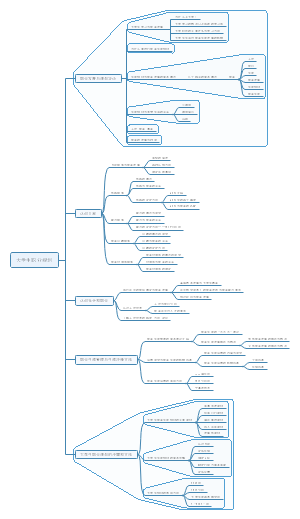
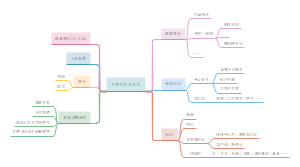
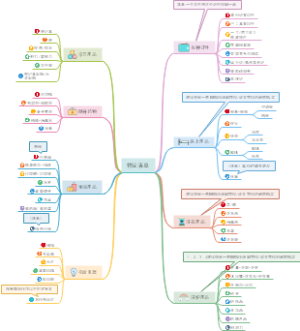
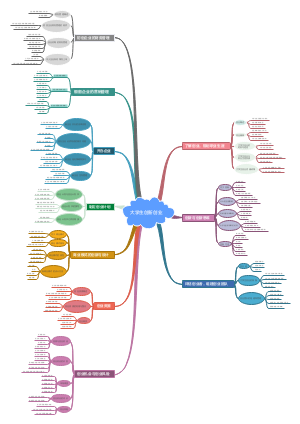
这是一篇毛选一P282-298《实践论》(1937年7月)的思维导图,《实践论》是毛泽东于1937年7月创作的一部重要哲学著作,后收录于《毛泽东选集》第一卷,它深刻地揭示了实践在认识过程中的重要地位和作用。
提示: 本内容由社区用户上传并分享。平台不对内容的真实性、合法性、知识产权归属及是否侵害第三方权利进行事前审核或保证。本内容可能包含受版权保护的图片、字体或其他第三方素材,使用前请自行确认授权范围。
- 毛泽东选集
- 马克思主义理论
- 毛选一:实践论
这是一篇毛选一P282-298《实践论》(1937年7月)的思维导图,《实践论》是毛泽东于1937年7月创作的一部重要哲学著作,后收录于《毛泽东选集》第一卷,它深刻地揭示了实践在认识过程中的重要地位和作用。
- 毛选一:矛盾论
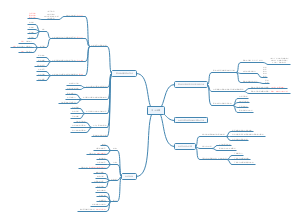
这是一篇毛选一P299-340《矛盾论》的思维导图,《矛盾论》是毛泽东于1937年8月所著的一篇重要哲学著作,后收录于《毛泽东选集》第一卷,它是毛泽东哲学思想的代表作品之一。
- 毛选二:《CPC人》发刊词
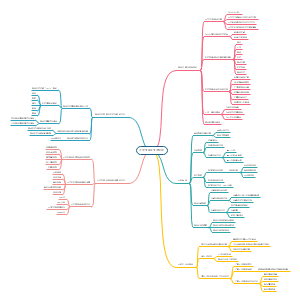
这是一篇毛选二P602-614《CPC人》发刊词(1939年10月4日)的思维导图,《〈共产党人〉发刊词》是毛泽东于1939年10月4日为党内刊物《共产党人》创刊所写的文章,后收录于《毛泽东选集》第二卷。
毛选一:实践论
社区模板帮助中心,点此进入>>
- 毛选一:实践论
这是一篇毛选一P282-298《实践论》(1937年7月)的思维导图,《实践论》是毛泽东于1937年7月创作的一部重要哲学著作,后收录于《毛泽东选集》第一卷,它深刻地揭示了实践在认识过程中的重要地位和作用。
- 毛选一:矛盾论
这是一篇毛选一P299-340《矛盾论》的思维导图,《矛盾论》是毛泽东于1937年8月所著的一篇重要哲学著作,后收录于《毛泽东选集》第一卷,它是毛泽东哲学思想的代表作品之一。
- 毛选二:《CPC人》发刊词
这是一篇毛选二P602-614《CPC人》发刊词(1939年10月4日)的思维导图,《〈共产党人〉发刊词》是毛泽东于1939年10月4日为党内刊物《共产党人》创刊所写的文章,后收录于《毛泽东选集》第二卷。
- 相似推荐
- 大纲