导图社区 非谓语动词
- 19
- 0
- 0
- 举报
非谓语动词
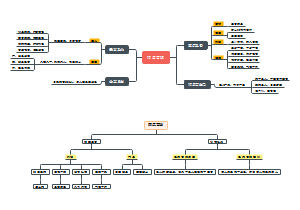
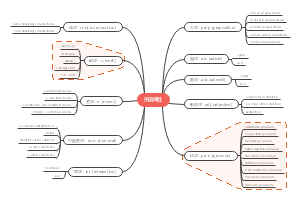
这是一篇关于非谓语动词的思维导图,将内容科学地划分为分类、不定式、独立主格、动名词、分词等多个关键板块,每个板块又如同枝叶般细致地延伸出形式、用法、特点、易错点等丰富要点,结构严谨且条理清晰,呈现了非谓语动词这一复杂语法体系的精髓。对于广大学生群体,特别是那些在英语语法学习道路上奋力前行的中学生和大学生来说,这无疑是一份不可多得的学习利器。在日常课程学习场景中,学生们常常会为非谓语动词的多样形式和复杂用法而感到困惑。而这张思维导图就像一位耐心的导师,帮助学生深入剖析非谓语动词的分类,让他们清晰分辨不定式、动名词、分词之间的细微差别;详细解读不定式的不同形式及其在句子中充当主语、宾语、定语等多样化的语法功能;透彻理解独立主格这一特殊结构的构成和常见形式;准确掌握动名词和分词在各种语境中的灵活运用。在备考复习的关键时期,它更是学生们的得力助手。学生们可以依据导图系统回顾知识点,快速查找自己的薄弱环节,有针对性地进行强化训练,从而有效提升对非谓语动词的运用能力,在各类英语考试中更加从容自信,取得优异的成绩。图中丰富的语法知识点,从基础概念到高阶规则,从典型例句到易错警示,一应俱全。
提示: 本内容由社区用户上传并分享。平台不对内容的真实性、合法性、知识产权归属及是否侵害第三方权利进行事前审核或保证。本内容可能包含受版权保护的图片、字体或其他第三方素材,使用前请自行确认授权范围。
- 英语
- 非谓语
- 语法学习模板

- 相似推荐
- 大纲


非谓语动词
分类
不定式【固搭 】
to do
主 宾 表 定 状 补
目的
结果【only to do 意料之外】
原因
动名词
doing
主 宾 表 定
不作状 补
现在分词
doing
表 定 状 补
过去分词
done
表 定 状 补
不作主语 宾语
表格
主动
被动
一般式
进行式
完成式
一般式
完成式
不定式
to do(之后)
to be doing (同时)
to have done(之前)
to be done
to have been done
动名词
doing (同时/之后)
having done(之前)
being done
having been done
现在分词
doing (同时/之后)
having done(之前)
being done
having been done
过去分词
done(之前)
不定式
表格
形式
状态
一般式
进行式
完成式
主动
to do
to be doing
to have done
否定
not to done
无
not to have done
被动
to be done
无
to have been done
结构
1. 不定式的一般式(to do)【用法】不确定动作是否发生或在谓语动词之后发生时
The carpenter wants to make a pirate(海盗) model. 这个木匠想做一个海盗模型。
The knight has some fantasy to tell you.(to tell发生在has之后) 骑士有些幻想要告诉你。
2. 不定式的完成式(to have done) 【用法】动作在谓语动词之前发生
I'm sorry to have given you so much trouble. 很抱歉给你添了这么多麻烦。
The expedition is said to have reached the South Pole. 据说探险队已经到达了南极。
3. 不定式的进行式(to be doing) 【用法】与谓语动词动作同时发生,且动作正在进行
The tramp(流浪汉)pretended to be sleeping. 流浪汉假装在睡觉
The village is reported to be suffering the attack of the flood. 据报道,这个村子正遭受着洪水的侵袭。
4. 不定式的被动式(to be done / to have been done) 【用法】如果动词不定式的逻辑主语是这个不定式所表示的动作的承受者,不定式一般要用被动语态形式。
Can you tell me which car is to be repaired? 你能告诉我是哪一辆车子需要修理吗?
The room seems to have been tidied up already. 这个房间似乎已经被打扫过了。
句法功能
1. 作主语
To finish this difficult task in one day is impossible. 要在一天内完成这项艰巨的任务是不可能的。
【注意】不定式短语作主语时,常用it作形式主语,不定式后置。
It is impossible to finish this difficult task in one day.
2. 作表语
To see is to believe. 眼见为实
My wish is to be a good teacher. 我的愿望是成为一名优秀教师。
【注意】不定式作表语时,在某些固定结构中可用主动形式表被动意义。【主表被be to blame 被指责】
She is to blame for the accident. 她对这次事故负有责任。(blame 责备【主表被】)
3. 作宾语
I can't afford to study in that school. 我付不起在那所学校学习的费用。
They managed to sign up all the best performers. 他们设法与所有最佳演员签约了。
常见接 to do 作宾语的动词 词组
搭配
含义
搭配
含义
搭配
含义
搭配
aim to do sth
打算做某事
decide to do sth
决定做某事
mean to do sth
打算做某事
ask to do sth
要求做某事
refuse to do sth
拒绝做某事
prove to do sth
证明做某事
appear to do sth
好像要做某事
offer to do sth
主动提出做某事
expect to do sth
期望做某事
arrange to do sth
安排做某事
learn to do sth
学会做某事
wish to do sth
希望做某事
demand to do sth
要求做某事
agree to do sth
同意做某事
hope to do sth
希望做某事
happen to do sth
碰巧做某事
choose to do sth
决定做某事
want to do sth
想要做某事
hesitate to do sth
犹豫做某事
pretend to do sth
假装做某事
long to do sth
渴望做某事
plan to do sth
计划做某事
promise to do sth
答应做某事
fear to do sth
害怕做某事
wait to do sth
等待做某事
care to do sth
想要做某事
beg to do sth
请求做某事
fail to do sth
未能做某事
manage to do sth
设法做某事
struggle to do sth
努力做某事
seek to do sth
试图做某事
afford to do sth
负担地起做某事
dare to do sth
敢于做某事
prepare to do sth
准备做某事
determine to do sth
决定做某事
expect to do sth
期望做某事
4.作定语
不定式作定语时,通常放在被修饰的名词或代词之后。
I am looking for a room to live in. 我正在找一个房间住。(可以住的房间)
Are you going to the art exhibition to be held next week? 你打算去下周举办的艺术展览会吗?
5.作状语
不定式(短语)作状语,主要表示目的、结果和原因。
He got up early to catch the first bus.(目的) 他早起是为了赶上第一班公共汽车。
She grew up to be an excellent diplomat.(结果) 她长大后成了一名出色的外交官。
We are very happy to cooperate with you in the project.(原因) 在此项目中与你们合作,我们非常高兴。
6.作宾语补语
有些及物动词(短语)常用不定式作宾语补语。 常见结构为:动词+sb.+to do..
I can't expect others to be on time if I'm late myself. 如果连我自己都迟到了,我就无法指望别人准时。
常见接 to do 作宾补的动词 词组
搭配
含义
搭配
含义
搭配
含义
搭配
advise sb to do sth
建议某人做某事
teach sb to do sth
教某人做某事
permit sb to do sth
允许某人做某事
leave sb to do sth
留下某人做某事
force sb to do sth
强迫某人做某事
drive sb to do sth
驱使某人做某事
allow sb to do sth
允许某人做某事
tell sb to do sth
告诉某人做某事
persuade sb to do sth
说服某人做某事
like sb to do sth
喜欢某人做某事
get sb to do sth
使某人做某事
elect sb to do sth
选举某人做某事
ask sb to do sth
叫某人做某事
train sb to do sth
训练某人做某事
prefer sb to do sth
宁愿某人做某事
mean sb to do sth
打算要某人做某事
hate sb to do sth
讨厌某人做某事
encourage sb to do sth
鼓励某人做某事
bear sb to do sth
忍受某人做某事
trouble sb to do sth
麻烦某人做某事
request sb to do sth
要求某人做某事
need sb to do sth
需要某人做某事
help sb to do sth
帮助某人做某事
expect sb to do sth
期望某人做某事
beg sb to do sth
请求某人做某事
want sb to do sth
想要某人做某事
remind sb to do sth
提醒某人做某事
oblige sb to do sth
迫使某人做某事
intend sb to do sth
打算要某人做某事
forbid sb to do sth
禁止某人做某事
cause sb to do sth
导致某人做某事
warn sb to do sth
警告某人做某事
wish sb to do sth
希望某人做某事
order sb to do sth
命令某人做某事
invite sb to do sth
邀请某人做某事
command sb to do sth
命令某人做某事
不定式作宾补要省略to的情况
一感,二听,三让,五看,一特殊(可加to)
一感
feel
sb.do sth
感觉某人做某事
二听
hear
sb.do sth
听见某人做某事
listen to
sb.do sth
听见某人做某事
【三让】使役动词
let
sb.do sth
让某人做某事
have
sb.do sth
让某人做某事
make
sb.do sth
让某人做某事
【五看】
see
sb.do sth
看见某人做某事
watch
sb.do sth
看见某人做某事
look at
sb.do sth
看见某人做某事
notice
sb.do sth
注意某人做某事
observe
sb.do sth
观察某人做某事
【一特殊】
help
sb (to)do sth 【可加可不加to】
帮助某人做某事
省略to的不定式的常见结构
①had better, would rather(宁愿), may/might as well(不妨), can’t help but (忍不住)等之后。
You had better preview the textbook in advance【提前】. 你最好是提前预习一下课本。
课堂笔记
can't wait to do 迫不及待去做某事
can't help doing 情不自禁做某事
can't help to do 不能帮忙去做某事
②在do nothing but , have nothing to do but等句型中。 【注意】若but前面是do的某种形式,则省略to。【前有do后省略to】
I have nothing to do but wait.
I have nothing to deal with but to wait.
have no choice but to do 除了做...别无选择
I have no choice but to give it up.
do nothing but do 什么都不做只做某事
He does nothing but watch TV.
拓展
拓展1
当不定式(短语)在believe, find, consider, make, think, feel等动词后作宾语时, 一般用it作形式宾语,代替不定式(短语),同时把不定式(短语)置于补语 之后,即构成“主语+动词+it+补语+to do…”结构。
I find it difficult to work with him. 我发现难以和他一起工作。
They considered it of little use to spend more money on this project. 他们认为在这个项目上花更多的钱没什么用。
拓展2
“疑问词+不定式(短语)”在句中可做主语、表语和宾语。此类疑问词有: 疑问代词who, whom, what, which等;疑问副词when, how, where, why等,相当于是一个名词性从句。
When to start has not been decided. 【作主语】
The question is how to carry out the plan.【作表语】
A traffic light tells us when to cross the road. 【作宾语】
拓展3
“only+不定式”这一结构表示一种出乎意料的结果,该结构常用逗号与前面的句子隔开,在句中作结果状语。
Yesterday I went to see her, only to learn that she had gone abroad a week before. 昨天我去看她,不料却听说她一周前就已经出国了。
7,作主语补语
可以接宾语补语的动词用于被动语态时,原宾语变为主语,原宾语补语变为主语补语。【说白了,主补,就是把宾语换成了主语,变成主语补足语】【比如 allow sb to do (to do 是宾语),主 + be allowed to do (to do 作主语的补语)】
He was forbidden to leave his own room, as a punishment. 作为惩罚,他被禁止离开自己的房间。
注意 使役动词或感官动词用于被动时,如make, hear, see, look at,不定式作主语补足语,不定式中的to不能省略。
I make him do homework at home.
He was made(被动) to do homework at home by me.
to do 做题技巧
1,看是不是固定搭配
2,是用主动,还是用被动
3,谓语前面发生还是谓语后面发生
eg:安排 住 ,要先安排在居住
谓语前 用to do
谓语后 用 doing
用to do 形式
情感期冀要答应
hate, like, love / hope, desire, expect, wish, want, intend, mean / agree, promise
开始要求莫拒绝
start, begin / ask, demand / refuse
设法学会做决定
attempt, manage, try / learn / decide , detemine
目标计划巧安排
aim, plan / happen / prepare, arrange, undertake
动名词
一、动名词的结构及用法
兼具动词和名词性质无人称和数的变化,不能表达时间信息, 但是可以表达状态信息,有语态的变化。
形式
动名词
doing (同时/之后)
having done(之前)
being done
having been done
用法
1. 动名词的一般式(doing)【用法】动作和谓语动词同时发生或在其后发生
I approve of his joining in the project. 我同意他参加这项工程。
I am thinking of getting a new dictionary. 我正在考虑买一本新词典。
2. 动名词的完成式(having done ) 【用法】动作在谓语动词之前发生
He accused me of having broken my word. 他指责我不守承诺。
break one's word 违背诺言
Keep one's word 信守诺言
I still remember having seen the sea for the first time. 我依然记得第一次看见海的情景。
3. 动名词的被动式(being done / having been done) 【用法】如果动名词的逻辑主语是动作的承受者,要用被动式。
No one likes being laughed at. 没有人喜欢被人嘲笑。
I forgot once having been taken to the sea. 我忘了曾经被带到过海边。
【主动形式表示被动】
①当need, want, require 等动词意为“需要”【三要】,且其前面的主语是物时,其后应用动名词的主动形式作宾语,表示被动意义,也可用不定式的被动式作宾语。
The report you have handed in needs explaining / to be explained in detail. 你递交的这份报告需要详细地解释一下。
The lab of our school requires repairing / to be repaired. 我们学校的实验室需要整修。
need用法
sth
do sth
to do sth
doing sth
②在sth. be worth doing结构中用动名词的主动形式表示被动意义。
The place is worth visiting.【翻译】 这个地方值得一游。
【注意】它不同于worthy 的用法。(常与of连用)
The place is worthy of being visited.
The place is worthy to be visited.
二、动名词的句法功能
1. 作主语——表示一种概念、习惯或者经验
直接位于句首,谓语动词用单数
Refusing invitations is not always easy. 拒绝邀请并不总是容易的。
Having confidence in yourself is the secret of success. 对自己有信心是成功的秘诀。
have confidence in sth/sb 对...有信心
【it 代替动名词作形式主语】在It is no use(no good, no harm【无害的】, a waste of time)+ doing…结构中, It 作形式主语,真正的主语是后面的动名词(短语)。
It is no use worrying about something that hasn't happened yet. 杞人忧天。
It is no good learning without practice. 纸上谈兵。
2. 作表语
Her job is washing clothes, cleaning and taking care of the children. 她的工作是洗衣服、打扫卫生和照顾孩子。
The real difficulty is getting to know the needs of the customers. 真正的难题是了解客户的需求。
3. 作定语
有时动名词可以放在名词之前作定语,用来说明名词的材料、用途、时间、 地点、内容、类别,如:reading materials【阅读材料】,teaching methods【教学方法】。
A washing machine can help you save a lot of time and energy. 洗衣机可以帮助你节省很多时间和精力。
No one is allowed to speak aloud in the reading room. 阅览室里不准任何人大声喧哗。
4. 作宾语
(1)作动词的宾语
We don't allow smoking in the hall. 我们不准在大厅里抽烟。
Do you mind passing me that dictionary? 你介意把那本词典递给我吗?
词组
admit doing sth
承认做某事
delay doing sth
推迟做某事
finish doing sth
完成做某事
report doing sth
报告做某事
excuse doing sth
借口做某事
enjoy doing sth
喜欢做某事
risk doing sth
冒险做某事
escape doing sth
逃脱做某事
keep doing sth
继续做某事
deny doing sth
否认做某事
consider doing sth
考虑做某事
give up doing sth
放弃做某事
explain doing sth
解释做某事
advise doing sth
建议做某事
miss doing sth
错过做某事
mention doing sth
提及做某事
allow doing sth
允许做某事
avoid doing sth
避免做某事
resist doing sth
拒绝做某事
discuss doing sth
谈论做某事
put off doing sth
推迟做某事
stop doing sth
停止做某事
dislike doing sth
讨厌做某事
prevent doing sth
阻止做某事
imagine doing sth
想象做某事
fancy doing sth
设想做某事
prohibit doing sth
禁止做某事
recall doing sth
想起做某事
forbid doing sth
禁止做某事
practise doing sth
练习做某事
suggest doing sth
建议做某事
pardon doing sth
原谅做某事
understand doing sth
理解做某事
mind doing sth
介意做某事
permission doing sth
允许做某事
appreciate doing sth
感激做某事
(2)作介词的宾语
动名词作介词的宾语,构成介词短语,一起在句中作定语、状语或表语。
Man’s dream of flying in space has come ture. 人类太空飞行的梦想已经实现了。
Reading a good book is like talking with a wise person. 读一本好书就像和一位智者谈话。
【有介词to的常见短语】
admit to doing 承认做某事
confess to doing 承认做某事
stick to doing 坚持做某事
take to doing 逐渐习惯做某事
object to doing 反对作某事
be opposed to doing 反对做某事
be accustomed/used to doing 习惯于做某事
look forward to doing 期待做某事
pay attention to 注意做某事
attach importance to doing 重视做某事
devote oneself to doing 献身于做
apply oneself to doing 专心做某事
在下列句型中应使用动名词作宾语
Sb + have
fun / pleasure
a good/hard time
(no) trouble (in)
(no) difficulty (in)
(no) problem (in/with)
doing sth
They had a hard time walking out of the forest. 他们艰难地走出了森林。
句型
spend some time (in) doing sth.
there is no point【重要】 (in) doing sth.
when it comes to doing sth.
stop【阻止,停止】 sb. /sth. from doing sth.
prevent【阻止】 sb. /sth. from doing sth
protect sb. /sth. from doing sth.
be busy (with/in) doing 忙于做某事
He is busy preparing for the coming exams. 他正忙着准备即将到来的考试。
三、动名词的逻辑主语【重点,难点】
动名词之前有时要加上自己的逻辑主语构成复合结构,逻辑主语可用名词所有格或形容词性物主代词,有时也可用名词。
逻辑主语是名词
逻辑主语是代词
动名词做主语
名词所有格
形容词性物主代词
动名词做宾语
名词所有格、名词
形容词性物主代词、代词宾格
Tom’s/ My coming back home late made his mother very angry.
I can’t imagine George’s/ George/ his/ him sailing across the ocean in a boat.
拓展
【拓展1】有些动词可接不定式和动名词作宾语,意义相近,用法不同。 like, prefer, love, hate, dislike,begin, start, continue, intend(打算), attempt , can’t bear 【区分】表示经常性行为,用动名词,表示具体某次行为用不定式(偶而)。
I like reading(习惯,经常性) books, but I don’t like to read(偶而) this book. 我喜欢读书,但不喜欢读这本书。
【拓展2】有些动词可接不定式和动名词作宾语,但意义差别较大。
forget to do sth.
忘记要去做某事(事未做)
forget doing sth.
忘记已做过某事(事已做)
remember to do sth.
记得要去做某事(事未做)
Remember to post the letter for me on your way to school. 记得在去学校的路上替我寄这封信。
remember doing sth.
记得曾经做过某事(事已做)
I remember turning off the light before I left the office. 我记得离开办公室前把灯关掉了。
regret to do sth. 遺憾地做某事(常接say, tell, inform等词)
I regret to inform you that your advice will not be accepted. 我遗憾地通知你,你的建议将不被接受。
regret doing sth. 后悔做了某事
I don't regret telling her what I thought. 我不后悔告诉了她我的想法。
mean to do sth. 打算去做某事
We mean to call on you tomorrow. 我们打算明天去拜访你。
mean doing sth. 意味着做某事
Being active in the discussion doesn't mean talking without aims. 积极参与讨论并不意味着漫无目的地讲话。
go on to do sth. 做完一件事后继而去做另一件事
go on doing sth. 继续做一直在做的事
stop to do sth. 停下手中的事去做其他的事
stop doing sth. 停下手中正在做的事
try to do sth. 企图做某事,尽力做某事
try doing sth. 试着做某事(看看有什么后果)
can't help(to)do sth. 不能帮助做某事
can't help doing sth. 忍不住做某事
【拓展3】 allow, advise, forbid, permit 等后接动名词作宾语,但要接不定式作宾补。
We don’t allow smoking here. 我们这里不允许吸烟。
We don’t allow students to smoke. 我们不允许学生吸烟。
【拓展4】use的用法
be/get used to doing sth.
习惯于做某事
My elder brother is used to getting up early.
be used to do sth
被用来做某事
This machine is used to clean the wall.
used to do sth
过去常常做某事
My elder brother used to get up early.
What he/she/it/ used to be 他曾所作的【重点】
课堂笔记
approve of 赞成
主表被
need doing
want doing
require doing
worth doing 值得做
worth
adj 值得的
prep(介词):值多少钱
worthy 不用主表被,通常与of连用
blame 【be to blame】(如果改成 to be blame就缺少谓语了,所以别记错,嘿嘿!!!!)
in the face of... 面对
make a decision 做决定
be busy (with/in) doing 忙于做某事【重中之重】
call on 拜访
We mean to call on you tomorrow 我们打算明天去拜访你。
on earth 究竟
分词
一、现在分词的用法
1. 现在分词的一般式(doing) 【用法】动作与谓语动词同时发生,或动作正在发生。
Walking in the street the other day, I came across an old friend. 前几天在街上散步的时候,我偶然碰见了一位老朋友。
The woman teaching in the front of classroom is our English teacher. 在教室前面讲课的那位女士是我们的英语老师。
2. 现在分词的完成式(having done)【用法】动作在谓语动词之前发生
Having finished her teaching, she answered our questions. 教学结束后,她回答了我们的问题。
Not having done the thing well, he tried again. 没有把这件事做好,他又试了一次。
3. 现在分词的被动式(being done / having been done ) 【用法】如果现在分词的逻辑主语是动作的承受者,要用被动式。
The questions being discussed are meaningless. 这些正在讨论的问题毫无意义。
Having been knocked down by a car, he spent a week in the hospital. 被小汽车撞倒后,他在医院度过了一周。
二、过去分词结构及用法
过去分词(done)既没有进行式、完成式,也没有被动形式,只有一般式。 过去分词本身表示被动和完成的意义
Seen from the hill, the park looks very beautiful. 从山上往下看,这座公园很漂亮。
Asked what had happened, he told us about it. 当被问及发生了什么时,他把这件事告诉了我们。
三、分词的句法功能
1. 作表语
相当于形容词,动作的意义减弱。 现在分词作表语,主语通常为物;过去分词作表语主语通常是人。
The specialists think the plan is interesting and they are interested in it. 专家们认为这个计划有趣,他们对它很感兴趣。
词组
exciting; excited
令人兴奋的;兴奋的
moving; moved
令人感动的;感动的
tiring; tired
令人困倦的;困倦的
embarrassing; embarrassed
令人尴尬的;尴尬的
interesting; interested
有趣的;感兴趣的
discouraging; discouraged
令人泄气的;气馁的
disappointing; disappointed
令人失望的;失望的
surprising; surprised
使人惊奇的;惊讶的
frightening; frightened
使惊恐的;受惊的
touching; touched
动人的;受感动的
annoying; annoyed
使恼怒的;恼怒的
pleasing; pleased
令人高兴的;高兴的
boring; bored
令人厌倦的;厌倦的
confusing; confused
令人困惑的;困惑的
astonishing; astonished
令人十分惊讶的;感到十分惊讶的
encouraging; encouraged
鼓舞人心的;受到鼓舞的
2. 作定语
单个分词作前置定语,分词短语作后置定语
The stolen car was found by the police yesterday. 昨天警方找到了那辆被偷的小汽车。
The girl singing pop songs was said to have passed the last exam. 据说那个正在唱流行歌曲的女孩通过了上一次考试。
【区分1】作前置定语:现在分词PK过去分词
现在分词表示进行意义,过去分词表示完成意义
developing country
developed country
boiling water
boiled water
falling leaves
fallen leaves
【区分2】作前置定语:现在分词PK动名词
现在分词说明动作或状态,动名词说明性质或功能
the sleeping dog
the sleeping bag
a waiting girl
a waiting room
3. 作状语
(1)现在分词可以作时间、原因、结果、条件、方式、伴随等状语;
Hearing the news, they immediately set off for Shanghai.(时间)听到这个消息,他们立即出发去上海了。
Being tired, I stopped to have a rest.(原因) 我累了,于是停下来休息。
(2)过去分词可以作时间、原因、方式、条件、让步、伴随等状语;
Deeply moved by her words, the specialist agreed to her request. (原因) 专家被她的话深深地打动了,所以答应了她的请求。
Asked what had happened, he told us about it. (时间) 当被问及发生了什么时,他把这件事告诉了我们。
【对比】作状语:分词PK不定式
1. 分词和不定式作状语时,其逻辑主语通常和句子的主语一致。
The dog went into the room, following the boy. 这条狗跟着男孩儿进了房间。
2,不定式作状语,只能表示目的、结果和原因
He got up early to catch the first bus. 他早起是为了赶上第一班公共汽车。
3. 现在分词作结果状语往往表示意料之中的结果;而不定式表示意料之外的结果,常与only连用。
The fire lasted a whole night, causing great damage. 大火持续了一整夜,(结果)造成了巨大损失。
I went to see her, only to learn that she had gone abroad a week before. 我去看她,不料却听说她一周前就已经出国了。
4. 分词作状语时,为了表示强调,可以在其前面加上if, though, while, when 等连词,以表示其作状语的类型
When travelling overseas, you should observe the local regulations. 在国外旅行时,你应该遵守当地的法规。
If grown in rich soil, these seeds can grow fast. 如果种在肥沃的土壤里,这些种子能快速生长。
4. 作宾语补语
感官动词feel, notice, observe, see, watch, hear, listen to, look at,使役动词get, have, keep, leave 以及catch, discover, find等动词后可以用分词作宾补。
I’m sorry to have kept you waiting for so long. 很抱歉让你等了这么久。
She saw the car repaired by a worker. 她看见那辆车被一个工人修理了。
词组
感官动词
see
sb doing sth
看见某人做某事
五看
watch
sb doing sth
观看某人做某事
look at
sb doing sth
看着某人做某事
notice
sb doing sth
注意到某人做某事
observe
sb doing sth
观察某人做某事
hear
sb doing sth
听见某人做某事
listen to
sb doing sth
听见某人做某事
二听
feel
sb doing sth
感觉某人做某事
一感觉
使役动词
get
sb doing sth
使(让)某人做某事
四使役【四让】
have
sb doing sth
使(让)某人做某事
keep
sb doing sth
使(让)某人做某事
leave
sb doing sth
使(让)某人做某事
其他动词
discover
sb doing sth
发现某人做某事
三发现
find
sb doing sth
发现某人做某事
catch
sb doing sth
发现某人做某事
stop
sb doing sth
阻止某人做某事
二阻止
prevent
sb doing sth
阻止某人做某事
含义:表示使,让。这类动词可以接宾补
使役动词
(to)do
to do
doing
done
形容词
let sb.
√
make sb.
√
√
√
have sb.
√
√
√
Keep sb.
√
√
√
get sb.
√
√
√
√
leave sb.
√
√
√
√
【区分1】使役动词的宾补
使役动词+ … + (to) do sth. 【让…去做…】
The teacher let the students make notes. 老师让学生们去做笔记。
使役动词+ … + doing sth. 【让…一直做…】
I kept the fan running all day. 我让风扇转了一整天。
使役动词+… + done 【让…被…】
We had the car repaired just now. 我们刚才请人修理了这台车。(车被修)
词组
感官动词
(to)do
doing
done
五看
see sb
√
√
√
watch sb
√
√
√
look at sb
√
√
√
notice sb
√
√
√
observe sb
√
√
√
二听
hear sb
√
√
√
listen to
√
√
√
一感觉
feel sb
√
√
√
【区分】感官动词的宾补
①省略to的不定式作宾补,表示动作已完成
I saw the child enter the room. 我看见那个孩子进了房间。
②现在分词作宾补,表示动作正在进行
I saw the child entering the room. 我看见那个孩子正走进房间。
③过去分词作宾补,表示被动
I saw the child beaten by his mother. 我看见那个孩子被他妈妈打。
【上课笔记】
Seen from the hill, the park looks very beautiful(see).【因为逻辑主语是 the park 是物,与see 构成动宾 (简单来说,公园和看 是主动还是被动,公园是看的宾语,宾语提前用被动)】
Seeing from the hill, I found the park very beautiful(see).【因为逻辑主语是I(我),与 see 构成主谓,构成主动形式,所以用ing(简单来说,我 和 看 是主动看,所以用主动)】
画横线的会考试
Asked what had happened, he told us about it. 当他被问及发生什么的时候,他都告诉了我们。
When he was asked waht had happened, he told us about it.当他被问及发生什么的时候,他都告诉了我们。
当从句的主语与主句的主语一致时,并且从句的主语带有be+done的形式时,可以省去when+从句主语+be,
consult 咨询
区分现在分词和动名词
描述一个事物的样子,状态,用形容词【现在分词】
描述一个事物的功能,用途,用动名词【动名词】
What do you think of.....你怎么看
What do you think of the two students selected (selected/selecting)to take part in the competition? (因为主语是student(人) 与 选举构成动宾,所以用被动)
箭头主动指向方向,(主动,无被动)
人听消息(主动)
To lose weight, those girl worked out every day.【为了减肥,那些女孩每天锻炼。】
work out
解决
计算出
锻炼【数词生意】
lose weight 减肥
put on weight 增重
Keep one's word 坚守诺言
break one's word 打破诺言
做分词技巧
1,找最近的主语,找逻辑主语
2,是主谓关系(主动)还是动宾关系(被动)
3,发生前(having done)
4,正在发生(doing)
5,没发生(to do 考虑了不用to do)
I 'm sorry to have kept you waiting for so long.很抱歉让你等了这么久
S + be + adj + to do sth 固定搭配
Keep sb doing sth 坚持做某事
理解为什么写to do 和 doing
独立主格
一、独立主格的结构
独立主格结构是一个名词或代词(作为逻辑主语),加上一个不定式、分词、 介词短语、形容词、副词等,在句中作状语。
二、独立主格的特点
(1)逻辑主语与句子的主语不是同一个,它独立存在。
(2)位置比较灵活,一般位于句首,也可位于句尾。
(3)一般用逗号与句子隔开,与句子之间无任何连词。
三、独立主格结构的常见形式
(1)名词/代词+不定式
So much work to do, I will have to work overtime this Sunday. 有这么多的工作要做,这个星期天我将不得不加班。
(2)名词/代词+现在分词
The rain having stopped, he went out for a walk. 雨停了,他出去散了散步。
(3)名词/代词+过去分词
Their living conditions greatly improved, the workers worked harder. 由于生活条件被大大改善,工人们工作更努力了。
(4)名词/代词+介词短语
The teacher entered the classroom, book in hand. 老师走进了教室,手里拿着一本书。
(5)名词/代词+形容词/副词
I saw a clear pond, the water blue. 我看到了一个清澈的池塘,水是蓝的。
The summer vacation over, the students returned to the school. 暑假结束了,学生们回到了学校。
(6)There being +名词/代词【是Being不是be】
There being no train, we had to wait till the next day. 由于没有火车,我们不得不等到第二天。
拓展【with复合结构】
有时可在独立主格结构前加上介词 with,这种结构也被称作with复合结 构,其用法与独立主格结构的用法一致。
With so many tasks to complete, I can not spare a minute. 有这么多任务要完成,我一分钟也抽不出来。
With night falling, they stopped playing outside and went home. 夜幕降临了,他们于是不再在外面玩耍,回家去了。
四、独立主格结构的句法功能【表示谓语动词发生的时间、条件、原因、伴随状态等,相当于状语从句 或并列句。】
(1)作时间状语
The question settled, we went back to the office. (= After the question had been settled)问题解决之后,我们回到了办公室。
(2)作条件状语
Weather permitting, they will go on an outing to the beach tomorrow. (= If the weather permits)如果天气允许的话,他们明天将去海滩游玩。
(3)作原因状语
An important lecture to be given tomorrow, the professor has to stay up very late. (= As an important lecture will be given tomorrow)因为明天要发表一个重要的演讲,这位教授不得不熬夜到很晚。
(4)作伴随状语
The room is very pretty, its window overlooking a park. (= and its window overlooks a park)这个房间很漂亮,它的窗户俯瞰着一个公园。
上课笔记
如何找独立主格
1,找状语
2,动词为非谓语
3,独立主格有自己的主语
4,用【“,”逗号】隔开
5,状语没有动名词(动名词不用于状语和补语)
famine 饥荒
天气允许是主动,无被动
overlook 眺望,远眺,俯瞰
总复习
非谓语动词特征
不能做谓语
无人称和数的变化
有语态的变化
主动
被动
不能表达时间信息
可以表达状态信息
一般
进行
完成
表格
不定式【固搭】
动名词【主动,进行】
现在分词【主动,进行】
过去分词被动,完成
主语
√
√
宾语
√
√
表语
√
√
√
√
定语
√
√
√
√
状语
√
√
√
补语
√
√
√
非谓语动词作主语的区别
主语
区别
例子
不定式
表示一次性【偶而】或者将来的动作
To go swimming is a good idea.
动名词
表示习惯性的行为
Walking is good for us.
现在分词
不能作主语
过去分词
不能作主语
非谓语动词作宾语的区别
宾语
区别
例子
不定式
特定的动词/词组/句式后面
I like to read books.
动名词
特定的动词【固搭】/词组/句式后面
I like reading books.
现在分词
不能作宾语
过去分词
不能作宾语
非谓语动词作定语的区别
定语
区别
例子
不定式
与被修饰词往往有动宾关系,一般表示将来,进行式表示与谓语动作同时发生,完成式表示在谓语动词之前发生
I have a lot of papers to type.
动名词
通常指被修饰词的用途,无逻辑上的任何关系
Shall we go to the swimming pool ?
现在分词
与被修饰词之间是主谓关系,表示动作与谓语动作同时发生
The boiling water 正在烧的水
There is a gentleman asking to see you .
过去分词
与被修饰词之间是被动关系,表示动作发生在谓语动作之前,现在已经完成
The boiled water. 烧开的水
The house built last year is a cinema.
【区分1】作前置定语:现在分词PK过去分词
现在分词表示进行意义,过去分词表示完成意义
【区分2】作前置定语:现在分词PK动名词
现在分词说明动作或状态,动名词说明性质或功能
非谓语动词作状语的区别【难点】
表格
时间状语
原因状语
条件状语
伴随状语
目的状语
结果状语
不定式
√
√
√【意料之外 only to do】
动名词
现在分词
√
√
√
√
√【意料之中】
过去分词
√
√
√
√
【对比】作状语:分词PK不定式
1. 分词和不定式作状语时,其逻辑主语通常和句子的主语一致。
The dog went into the room, following the boy. 这条狗跟着男孩儿进了房间。
2. 不定式作状语,只能表示目的、结果和原因。
He got up early to catch the first bus. 他早起是为了赶上第一班公共汽车。
3. 现在分词作结果状语往往表示意料之中的结果; 而不定式表示意料之外的结果,常与only to do连用。
The fire lasted a whole night, causing great damage. 大火持续了一整夜,(结果)造成了巨大损失。
I went to see her, only to learn that she had gone abroad a week before. 我去看她,不料却听说她一周前就已经出国了。
4. 分词作状语时,为了表示强调,可以在其前面加上if, though, while, when 等连词,以表示其作状语的类型。
When travelling overseas, you should observe the local regulations. 在国外旅行时,你应该遵守当地的法规。
If grown in rich soil, these seeds can grow fast. 如果种在肥沃的土壤里,这些种子能快速生长。
非谓语动词作宾补的区别
表格
宾补
区别
例子
不定式
表示动作将来可能发生
I expect you to study hard.
动名词
不能作宾补
现在分词
表示动作正在进行(主动)
I am sorry to keep you waiting.
过去分词
表示动作已经完成(被动)
I had my computer repaired.
含义:表示使,让。这类动词可以接宾补
使役动词
(to)do
to do
doing
done
形容词
let sb.
√
make sb.
√
√
√
have sb.
√
√
√
Keep sb.
√
√
√
get sb.
√
√
√
√
leave sb.
√
√
√
√
【区分1】使役动词的宾补
①使役动词+ sb/sth + (to) do sth. 【让…去做…】
The teacher let the students make notes. 老师让学生们去做笔记。
②使役动词+sb/sth+ doing sth. 【让…一直做…】
I kept the fan running all day. 我让风扇转了一整天。
③使役动词+sb/sth+ done【让…被…】
We had the car repaired just now.我们刚才请人修理了这台车。(车被修)
表格
子主题
感官动词
(to)do
doing
done
五看
see sb
√
√
√
watch sb
√
√
√
look at sb
√
√
√
notice sb
√
√
√
observe sb
√
√
√
二听
hear sb
√
√
√
listen to sb
√
√
√
一感觉
feel sb
√
√
√
区分感官动词的宾补
①省略to的不定式作宾补,表示动作已完成
I saw the child enter the room. 我看见那个孩子进了房间。
②现在分词作宾补,表示动作正在进行
I saw the child entering the room. 我看见那个孩子正走进房间。
③过去分词作宾补,表示被动
I saw the child beaten by his mother.我看见那个孩子被他妈妈打。