导图社区 PET英语语法之形容词与副词(Unit 1-3)
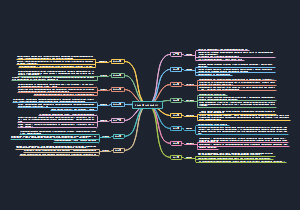
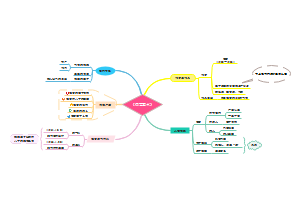
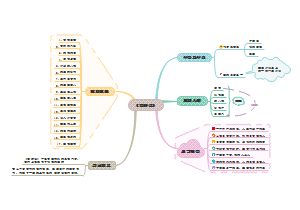
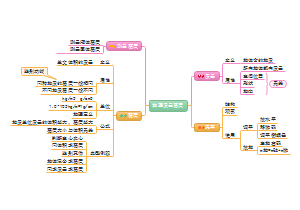
这是一篇关于PET英语语法之形容词与副词思维导图,还在为 PET 语法中形容词和副词的用法头疼?这篇导图帮你一次理清!这份导图围绕 PET 英语 Unit13 的核心考点展开,把形容词、副词的重点知识做了完整梳理。首先梳理形容词的基础用法,包含形容词在句子当中的不同摆放位置,分清放在名词前作定语、放在系动词后作表语的情况;同时讲解多个形容词连用时的排序规则,解决形容词堆叠时语序容易搞错的难题。针对很多考生容易混淆的‑ing 与‑ed 形容词,导图专门做出辨析,‑ing 形容词多用于形容事物本身带给人的感受,‑ed 形容词侧重描述人自身产生的情绪,这也是 PET 高频易错点。接着重点覆盖比较级与最高级板块,既讲解常规的变化规则,也整理容易记混的不规则变化,同时梳理比较级、最高级对应的常用句型,厘清修饰词该如何搭配使用。除此之外,导图还结合名词知识点,补充形容词和可数名词、不可数名词之间的搭配要点,区分 much、many、a little、a few 这类限定词的选用,分清修饰可数与不可数名词的不同用法。整套内容贴合 PET 的考试出题方向,把本单元零散的语法知识点整合起来,方便考生系统复习,用来背诵记忆或者考前快速复盘都很合适。无论你是正在备考 PET 的学生,还是辅导孩子英语的家长,都可以借助这份导图攻克形容词副词这一块的语法难点。
提示: 本内容由社区用户上传并分享。平台不对内容的真实性、合法性、知识产权归属及是否侵害第三方权利进行事前审核或保证。本内容可能包含受版权保护的图片、字体或其他第三方素材,使用前请自行确认授权范围。
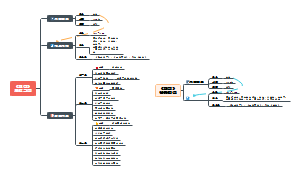
这张 PET 英语语法思维导图系统归纳各类英语连接词的用法。首先是原因类连接词 because、as、since,because of 后面接名词短语;回答 why 提问只能使用 because,不能用 as 或 since。结果类 so 一般放在句中,therefore 多用于书面、常置于句首,还提供了句式改写和同义互换的练习思路。目的类 to 和 in order to 用来解释行为目的,也可以直接回答 why 引导的问句。转折让步部分,but 放在句中;although 与 though 语气更强,切记二者不可以和 but 同时连用,位置可以是句首或者句中;in spite of 与 despite 后面只能接名词或者名词短语,不能直接接完整句子。并列选择结构 both…and… 表示两者都,可以连接人物、事物或动作;either…or… 表达二选一。最后梳理时间连接词 when、until、before、after、as soon as、while,重点强调时间状语从句描述将来事件时,从句要使用一般现在时,不可以使用 will。导图按语义类别整理连接词,区分句式位置、搭配限制与易错禁忌,配套例句帮助辨析,理清考试高频易错点。无论备考 PET 英语、整理初中连词知识点或是做语法专项复习的人员,都可以借助这份导图梳理记忆。
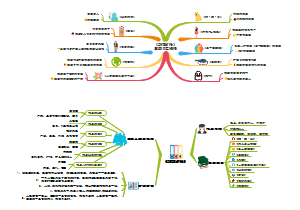
这张 PET 英语语法思维导图梳理了 So、Such、Enough、Too 的相关用法。首先讲解 so 和 such 的强调用法,so 后直接搭配形容词或者副词;遇到名词时,so 后面只能接 many/few/much/little 再加名词。such 后面一般接(a)形容词再加名词,也可以搭配 a lot of 再加名词,要区分单数可数名词、复数名词以及不可数名词的不同形式。接着介绍 so…that 与 such…that 引导的结果状语从句,so 后接形容词或副词,such 后接名词短语,由 that 引出事件带来的结果,并且配有多组例句示范句式。之后讲解 enough 和 too 的用法,二者含义不同,enough 代表 “足够”,属于肯定含义;too 代表 “太过、过多”,带有否定倾向。在句中的放置位置有明确区别,enough 放在名词前面,放在形容词、副词后面;too 放在 many/much 或者形容词、副词之前。思维导图还整理了和不定式的搭配,too…to 含义为 “太…… 而不能”,enough…to 含义为 “足够…… 可以”,并且点明二者之间可以进行同义句转换,另外还补充了 too/enough 后接 for somebody 或者 something 的句式。整张导图区分易混词汇,整理位置规则与句型转换要点,梳理考试高频考点。无论备考 PET 英语、巩固初中英语基础语法或是做专项刷题复习的人员,都可以借助这份导图理清知识点。
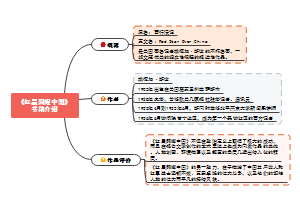
这张 PET 英语语法思维导图讲解定语从句,首先解释什么是定语从句,它的基本功能是对人、事、地点等补充定义和解释,由 who、which、whose、where、that 这类关系代词进行引导,还通过例句拆解主句、关系代词以及定语从句三个组成部分。接着用表格逐一梳理各个关系代词的用法,who 用来指代人,which 用来指代事物,that 既可以指代人也可以指代事物,能够替代 who 或者 which;where 用于地点,还可以用 at/in which 进行替换;whose 表示所属关系,意思是谁的,这一项不能够用 that 替换,每一项都配套示范例句加深理解。之后重点梳理关系代词可以省略和不可以省略的判定规则,当从句内部已经自带主语,关系代词不作从句的主语时,关系代词可以省略;如果关系代词本身充当从句里面动词的主语,后面没有另外新的主语,这时关系代词就不可以省略,同样借助多组例句对照演示两种情形。整套内容从基础概念、单词用法再到省略判定逐层展开,厘清定语从句的核心考点。无论备考 PET 英语、复习初中定语从句知识点或是做语法专项练习的人员,都可以借助这份导图理清学习重点。
社区模板帮助中心,点此进入>>
这张 PET 英语语法思维导图系统归纳各类英语连接词的用法。首先是原因类连接词 because、as、since,because of 后面接名词短语;回答 why 提问只能使用 because,不能用 as 或 since。结果类 so 一般放在句中,therefore 多用于书面、常置于句首,还提供了句式改写和同义互换的练习思路。目的类 to 和 in order to 用来解释行为目的,也可以直接回答 why 引导的问句。转折让步部分,but 放在句中;although 与 though 语气更强,切记二者不可以和 but 同时连用,位置可以是句首或者句中;in spite of 与 despite 后面只能接名词或者名词短语,不能直接接完整句子。并列选择结构 both…and… 表示两者都,可以连接人物、事物或动作;either…or… 表达二选一。最后梳理时间连接词 when、until、before、after、as soon as、while,重点强调时间状语从句描述将来事件时,从句要使用一般现在时,不可以使用 will。导图按语义类别整理连接词,区分句式位置、搭配限制与易错禁忌,配套例句帮助辨析,理清考试高频易错点。无论备考 PET 英语、整理初中连词知识点或是做语法专项复习的人员,都可以借助这份导图梳理记忆。
这张 PET 英语语法思维导图梳理了 So、Such、Enough、Too 的相关用法。首先讲解 so 和 such 的强调用法,so 后直接搭配形容词或者副词;遇到名词时,so 后面只能接 many/few/much/little 再加名词。such 后面一般接(a)形容词再加名词,也可以搭配 a lot of 再加名词,要区分单数可数名词、复数名词以及不可数名词的不同形式。接着介绍 so…that 与 such…that 引导的结果状语从句,so 后接形容词或副词,such 后接名词短语,由 that 引出事件带来的结果,并且配有多组例句示范句式。之后讲解 enough 和 too 的用法,二者含义不同,enough 代表 “足够”,属于肯定含义;too 代表 “太过、过多”,带有否定倾向。在句中的放置位置有明确区别,enough 放在名词前面,放在形容词、副词后面;too 放在 many/much 或者形容词、副词之前。思维导图还整理了和不定式的搭配,too…to 含义为 “太…… 而不能”,enough…to 含义为 “足够…… 可以”,并且点明二者之间可以进行同义句转换,另外还补充了 too/enough 后接 for somebody 或者 something 的句式。整张导图区分易混词汇,整理位置规则与句型转换要点,梳理考试高频考点。无论备考 PET 英语、巩固初中英语基础语法或是做专项刷题复习的人员,都可以借助这份导图理清知识点。
这张 PET 英语语法思维导图讲解定语从句,首先解释什么是定语从句,它的基本功能是对人、事、地点等补充定义和解释,由 who、which、whose、where、that 这类关系代词进行引导,还通过例句拆解主句、关系代词以及定语从句三个组成部分。接着用表格逐一梳理各个关系代词的用法,who 用来指代人,which 用来指代事物,that 既可以指代人也可以指代事物,能够替代 who 或者 which;where 用于地点,还可以用 at/in which 进行替换;whose 表示所属关系,意思是谁的,这一项不能够用 that 替换,每一项都配套示范例句加深理解。之后重点梳理关系代词可以省略和不可以省略的判定规则,当从句内部已经自带主语,关系代词不作从句的主语时,关系代词可以省略;如果关系代词本身充当从句里面动词的主语,后面没有另外新的主语,这时关系代词就不可以省略,同样借助多组例句对照演示两种情形。整套内容从基础概念、单词用法再到省略判定逐层展开,厘清定语从句的核心考点。无论备考 PET 英语、复习初中定语从句知识点或是做语法专项练习的人员,都可以借助这份导图理清学习重点。
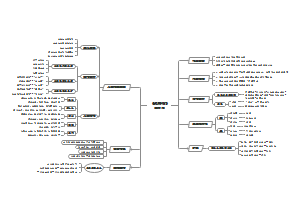
PET英语语法之形容词与副词(Unit 1-3)
@ Snowsunshine 的思维导图
制图软件 |万兴脑图 MindMaster 资料来源 | 剑桥PET语法精讲精练·浙江教育出版社 导图绘制 | Snowsunshine
3
副 词
2
名词的比较
制图软件 |万兴脑图 MindMaster 资料来源 | 剑桥PET语法精讲精练·浙江教育出版社 导图绘制 | Snowsunshine
1
形 容 词
不可数名词
用 less / the least 进行比较
There's less rubbish in Smash than in Buzz.
Smash contains the least rubbish.
可数名词
用 fewer / the fewest 进行比较
There are fewer adverts in Smash than in Buzz.
Smash has the fewest posters.
可数与不可数名词通用
均可用 more/the most 来比较
Smash has more reviews than Buzz.
Smash has the most adverts.
Smash contains the most information.
变化规则
以-ly结尾的副词比较级加more,最高级加the most
原形
比较级
最高级
easily slowly beautifully
more easily more slowly more beautifully
the most easily the most slowly the most beautifully
不规则副词
well -> better -> the best
I play the guitar well.
Rob plays the guitar better than me.
Rob plays lots of instruments but he plays the guitar the best.
badly -> worse -> the worst
特殊情况
有些副词的变化形式与形容词相同
hard -> harder -> hardest
My sister works harder than I do but Alex works the hardest.
用途
用于描述做某事的方式或状态
You can read Smash more easily than Buzz.
The Smash journalists write better than some national journalists.
副词的比较级与最高级
同级比较
肯定形式
as ... as/more...than
Buzz is as popular as Smash!(magazine)
否定形式
(not) as ... as / less ... than
Buzz isn't as popular as Smash.
不规则形容词
good -> better -> the best
His latest song is better than his last one.
He's the best singer in the band.
bad -> worse -> the worst
This magazine is worse than that one.
It's the worst magazine I've ever read.
little->less->the least
Buzz is less popular than Smash.
Buzz is the least interesting magazine.
many/much->more->the most
Smash is more popular than Buzz.
Smash is the most interesting magazine.
far -> further -> the furthest
变化规则
单音节形容词
一般情况
词尾+ -er / + -est
long -> longer -> the longest
以 e 结尾
词尾+ -r / + -st
nice -> nicer -> the nicest
辅元辅结构 (以一个元音加一个辅音结尾,如 b, d, g, n, p, t)
双写最后一个字母 + -er / + -est
big -> bigger -> the biggest
双音节形容词
以 y 结尾
变 y 为 i + -er / + -iest
dirty -> dirtier -> the dirtiest
其他多音节
词前+ more / + the most
famous -> more famous -> the most famous
特殊/长音节形容词
词前+ more / + the most
popular -> more popular -> the most popular
用途
比较两个/多个人或事物的性质或状态
The red book is smaller than the yellow one.
Buzz is the most expensive (magazine).
Smash is the least expensive (magazine).
形容词的比较级和最高级
程度副词修饰形容词或副词
功能
改变形容词或其他副词的含义强弱
强度等级排序 (由强至弱)
extremely
really
very
rather
fairly
quite
极度/非常
很/十分
很/非常/极其
相当/颇
非常
很/稍微
例句
She'll be really pleased to see you.
I cycle very quickly.
副词的位置
基本规则
大多数副词位于动词之后
多个副词顺序
主语
动词
How? (方式)
Where? (地点)
When? (时间)
例句
Josh
cycled
quickly
to the station
at one o'clock.
特殊语序
有时也可将When 类副词置于句首
At one o'clock Josh cycled quickly to the station.
How often 频率副词的位置
位于单音节动词前
I never see you.
两个动词时位于第二个动词前
I've never forgotten you.
位于be 动词 后
I'm often late.
类似用法的副词
already, also, just, still, even, only
I'm still at the station. I've just arrived.
Too 和 as well 的用法
通常位于句末,含义等于 also
I sent you a card as well / too.
注意
副词不可置于动词与其宾语之间
I posted your present on Wednesday.
I wrapped the present carefully.
He speaks Spanish very well.
形副同形词汇
某些词汇的形容词与副词形式相同
fast, early, hard, late, daily/weekly/monthly
例句对比
形容词
副词
It was a fast train.
He drove fast.
He had an early breakfast.
He always eats breakfast early.
It's hard work.
They work hard.
There's a late bus on Fridays.
We arrived late.
特殊情况
hardly = almost not,几乎不
It hardly rained at all last summer.
lately = recently,最近
Have you seen here lately?
不规则副词
Well
good的副词形式,修饰动作
He's a good boss. He treats us well.
作为形容词= not ill
I had stomach ache last week but I'm well this week.
副词的构成
基本规则
形容词+ly
以 -y 结尾
变 y 为 i,加 -ly
noisy→ noisily
以 -le 结尾
去 e,加 -y
comfortable→ comfortably
以 -e 结尾
保留 -e,加 -ly
safe→ safely
特殊情况
某些以 -ly 结尾的词其实是形容词
friendly, likely, lonely, lovely, silly, ugly
He was a friendly man.
使用这些形容词修饰动词时可用短语结构: in a ... way
He spoke in a friendly way.
副词的使用
基本规则
副词用于对动词进行修饰
He cycles carefully.
副词通常解答频率、地点、程度、方式、时间等问题
I often come here on Friday lunchtimes.
She is waiting patiently at her friend's house.
副词的形态
单词
I'm getting on my bike now.
短语
I'm outside my office.
名词作形容词
构成方式
两个名词放在一起,第一个名词起形容词作用,说明第二个名词的性质或类型
a birthday party (生日派对)
a clothes shop (服装店)
a language school (语言学校)
a student card (学生证)
a computer game (电脑游戏)
-ing 和 -ed 结尾的形容词
-ing 形式用法
描述引起某种感觉的人或事物
Clothes shops are boring.
That's surprising news.
Computer shops are interesting.
-ed 形式用法
描述人的感受 (how people feel)
I'm bored.
We're surprised.
You're not interested in clothes.
形容词 的顺序
排序原则
限定词
观点/评价 (opinion)
大小/年龄/形状 (size/age/shape)
颜色 (colour)
材质 (materials)
名词
例句示意
a
lovely
short
black
wool
skirt.
a
beautiful
grey
leather
bag.
my
favourite
long
black
boots.
some
old
blue
jeans.
多个形容词
两个颜色形容词之间用 "and" 连接
He wears a black and white belt.
两个形容词在动词后时,也用 "and" 连接
Clothes shops are always boring and crowded.
形容词的位置
基本规则
通常位于名词之前,对名词进行修饰
I bought a white T-shirt.
动词后使用
系动词后做表语,说明主语的特征、状态
The cat was asleep on the bed.
The flower smells sweet.
Leaves turn yellow in autumn.
Keep quiet!
The material felt really soft.
不及物动词后做主语的状态补语,用于补充说明动作完成后主语的状态或结果
He arrived home, tired and hungry.
The sun rose red.
及物动词后做宾语补足语,补充说明宾语的状态、特征
We must keep our room clean.
She found the book interesting.
PET英语语法之形容词与副词(Unit 1-3)
@ Snowsunshine 的思维导图
2
名词的比较
制图软件 |万兴脑图 MindMaster 资料来源 | 剑桥PET语法精讲精练·浙江教育出版社 导图绘制 | Snowsunshine
1
形 容 词
不可数名词
用 less / the least 进行比较
There's less rubbish in Smash than in Buzz.
Smash contains the least rubbish.
可数名词
用 fewer / the fewest 进行比较
There are fewer adverts in Smash than in Buzz.
Smash has the fewest posters.
可数与不可数名词通用
均可用 more/the most 来比较
Smash has more reviews than Buzz.
Smash has the most adverts.
Smash contains the most information.
同级比较
肯定形式
as ... as/more...than
Buzz is as popular as Smash!(magazine)
否定形式
(not) as ... as / less ... than
Buzz isn't as popular as Smash.
不规则形容词
good -> better -> the best
His latest song is better than his last one.
He's the best singer in the band.
bad -> worse -> the worst
This magazine is worse than that one.
It's the worst magazine I've ever read.
little->less->the least
Buzz is less popular than Smash.
Buzz is the least interesting magazine.
many/much->more->the most
Smash is more popular than Buzz.
Smash is the most interesting magazine.
far -> further -> the furthest
变化规则
单音节形容词
一般情况
词尾+ -er / + -est
long -> longer -> the longest
以 e 结尾
词尾+ -r / + -st
nice -> nicer -> the nicest
辅元辅结构 (以一个元音加一个辅音结尾,如 b, d, g, n, p, t)
双写最后一个字母 + -er / + -est
big -> bigger -> the biggest
双音节形容词
以 y 结尾
变 y 为 i + -er / + -iest
dirty -> dirtier -> the dirtiest
其他多音节
词前+ more / + the most
famous -> more famous -> the most famous
特殊/长音节形容词
词前+ more / + the most
popular -> more popular -> the most popular
用途
比较两个/多个人或事物的性质或状态
The red book is smaller than the yellow one.
Buzz is the most expensive (magazine).
Smash is the least expensive (magazine).
形容词的比较级和最高级
名词作形容词
构成方式
两个名词放在一起,第一个名词起形容词作用,说明第二个名词的性质或类型
a birthday party (生日派对)
a clothes shop (服装店)
a language school (语言学校)
a student card (学生证)
a computer game (电脑游戏)
-ing 和 -ed 结尾的形容词
-ing 形式用法
描述引起某种感觉的人或事物
Clothes shops are boring.
That's surprising news.
Computer shops are interesting.
-ed 形式用法
描述人的感受 (how people feel)
I'm bored.
We're surprised.
You're not interested in clothes.
形容词 的顺序
排序原则
限定词
观点/评价 (opinion)
大小/年龄/形状 (size/age/shape)
颜色 (colour)
材质 (materials)
名词
例句示意
a
lovely
short
black
wool
skirt.
a
beautiful
grey
leather
bag.
my
favourite
long
black
boots.
some
old
blue
jeans.
多个形容词
两个颜色形容词之间用 "and" 连接
He wears a black and white belt.
两个形容词在动词后时,也用 "and" 连接
Clothes shops are always boring and crowded.
形容词的位置
基本规则
通常位于名词之前,对名词进行修饰
I bought a white T-shirt.
动词后使用
系动词后做表语,说明主语的特征、状态
The cat was asleep on the bed.
The flower smells sweet.
Leaves turn yellow in autumn.
Keep quiet!
The material felt really soft.
不及物动词后做主语的状态补语,用于补充说明动作完成后主语的状态或结果
He arrived home, tired and hungry.
The sun rose red.
及物动词后做宾语补足语,补充说明宾语的状态、特征
We must keep our room clean.
She found the book interesting.
PET英语语法之形容词与副词(Unit 1-3)
@ Snowsunshine 的思维导图
3
副 词
制图软件 |万兴脑图 MindMaster 资料来源 | 剑桥PET语法精讲精练·浙江教育出版社 导图绘制 | Snowsunshine
变化规则
以-ly结尾的副词比较级加more,最高级加the most
原形
比较级
最高级
easily slowly beautifully
more easily more slowly more beautifully
the most easily the most slowly the most beautifully
不规则副词
well -> better -> the best
I play the guitar well.
Rob plays the guitar better than me.
Rob plays lots of instruments but he plays the guitar the best.
badly -> worse -> the worst
特殊情况
有些副词的变化形式与形容词相同
hard -> harder -> hardest
My sister works harder than I do but Alex works the hardest.
用途
用于描述做某事的方式或状态
You can read Smash more easily than Buzz.
The Smash journalists write better than some national journalists.
副词的比较级与最高级
程度副词修饰形容词或副词
功能
改变形容词或其他副词的含义强弱
强度等级排序 (由强至弱)
extremely
really
very
rather
fairly
quite
极度/非常
很/十分
很/非常/极其
相当/颇
非常
很/稍微
例句
She'll be really pleased to see you.
I cycle very quickly.
副词的位置
基本规则
大多数副词位于动词之后
多个副词顺序
主语
动词
How? (方式)
Where? (地点)
When? (时间)
例句
Josh
cycled
quickly
to the station
at one o'clock.
特殊语序
有时也可将When 类副词置于句首
At one o'clock Josh cycled quickly to the station.
How often 频率副词的位置
位于单音节动词前
I never see you.
两个动词时位于第二个动词前
I've never forgotten you.
位于be 动词 后
I'm often late.
类似用法的副词
already, also, just, still, even, only
I'm still at the station. I've just arrived.
Too 和 as well 的用法
通常位于句末,含义等于 also
I sent you a card as well / too.
注意
副词不可置于动词与其宾语之间
I posted your present on Wednesday.
I wrapped the present carefully.
He speaks Spanish very well.
形副同形词汇
某些词汇的形容词与副词形式相同
fast, early, hard, late, daily/weekly/monthly
例句对比
形容词
副词
It was a fast train.
He drove fast.
He had an early breakfast.
He always eats breakfast early.
It's hard work.
They work hard.
There's a late bus on Fridays.
We arrived late.
特殊情况
hardly = almost not,几乎不
It hardly rained at all last summer.
lately = recently,最近
Have you seen here lately?
不规则副词
Well
good的副词形式,修饰动作
He's a good boss. He treats us well.
作为形容词= not ill
I had stomach ache last week but I'm well this week.
副词的构成
基本规则
形容词+ly
以 -y 结尾
变 y 为 i,加 -ly
noisy→ noisily
以 -le 结尾
去 e,加 -y
comfortable→ comfortably
以 -e 结尾
保留 -e,加 -ly
safe→ safely
特殊情况
某些以 -ly 结尾的词其实是形容词
friendly, likely, lonely, lovely, silly, ugly
He was a friendly man.
使用这些形容词修饰动词时可用短语结构: in a ... way
He spoke in a friendly way.
副词的使用
基本规则
副词用于对动词进行修饰
He cycles carefully.
副词通常解答频率、地点、程度、方式、时间等问题
I often come here on Friday lunchtimes.
She is waiting patiently at her friend's house.
副词的形态
单词
I'm getting on my bike now.
短语
I'm outside my office.