导图社区 PET英语语法之一般现在时与现在进行时(Unit 4)
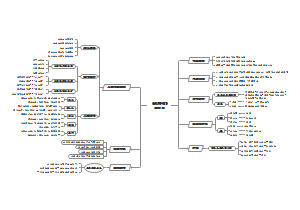
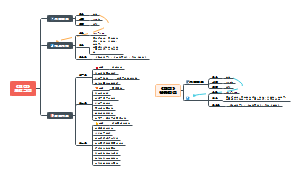
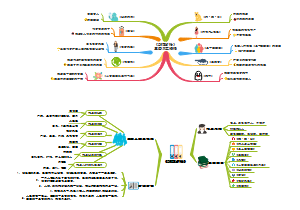
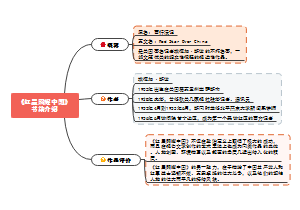
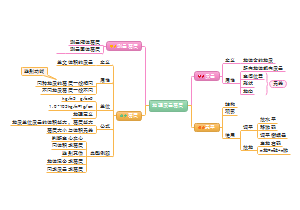
学会这两大时态,PET 语法不再难!本导图带你速通一般现在时与现在进行时的核心区别,掌握状态动词的静态用法,理清 Have got 与 Have 的口语与正式用法。这份 Unit4 的 PET 语法思维导图系统梳理两大核心时态的全部考点。一般现在时适用于习惯或规律性事件、长期存在的情况以及客观真理,清晰整理实义动词肯定句、否定句、疑问句的句式变化,同时单独归纳 be 动词的特殊句式结构,也罗列 always、usually 这类高频时间标志词。现在进行时侧重描述此刻正在发生的动作或是暂时性的情况,讲解‑ing 形式的肯定、否定与疑问句型,帮助学习者区分和一般现在时的适用场景。导图专门补充状态动词知识点,划分情感态度、思维认知、感官感知、拥有关系几大类别,着重提醒状态动词大多只能用于一般现在时,不可以用于进行时态。另外针对易混的 Have got 与 Have 进行辨析,大部分场景下二者含义互通,但 Have got 多用于口语,Have 偏向书面正式表达,还细分了表示拥有、描述疾病、描绘人物外貌的使用场景,整理两套不同的句型转换,最后补充只能用 Have 而不用 Have got 的固定日常搭配。整套内容贴合 PET 考试的出题方向,把本单元分散的语法点整合梳理,适合新课巩固或是考前快速复盘。无论你是正在备考剑桥 PET 的学生,还是辅导英语的学习者,都可以借助这份导图理清时态的易错考点。
提示: 本内容由社区用户上传并分享。平台不对内容的真实性、合法性、知识产权归属及是否侵害第三方权利进行事前审核或保证。本内容可能包含受版权保护的图片、字体或其他第三方素材,使用前请自行确认授权范围。
这张 PET 英语语法思维导图系统归纳各类英语连接词的用法。首先是原因类连接词 because、as、since,because of 后面接名词短语;回答 why 提问只能使用 because,不能用 as 或 since。结果类 so 一般放在句中,therefore 多用于书面、常置于句首,还提供了句式改写和同义互换的练习思路。目的类 to 和 in order to 用来解释行为目的,也可以直接回答 why 引导的问句。转折让步部分,but 放在句中;although 与 though 语气更强,切记二者不可以和 but 同时连用,位置可以是句首或者句中;in spite of 与 despite 后面只能接名词或者名词短语,不能直接接完整句子。并列选择结构 both…and… 表示两者都,可以连接人物、事物或动作;either…or… 表达二选一。最后梳理时间连接词 when、until、before、after、as soon as、while,重点强调时间状语从句描述将来事件时,从句要使用一般现在时,不可以使用 will。导图按语义类别整理连接词,区分句式位置、搭配限制与易错禁忌,配套例句帮助辨析,理清考试高频易错点。无论备考 PET 英语、整理初中连词知识点或是做语法专项复习的人员,都可以借助这份导图梳理记忆。
这张 PET 英语语法思维导图梳理了 So、Such、Enough、Too 的相关用法。首先讲解 so 和 such 的强调用法,so 后直接搭配形容词或者副词;遇到名词时,so 后面只能接 many/few/much/little 再加名词。such 后面一般接(a)形容词再加名词,也可以搭配 a lot of 再加名词,要区分单数可数名词、复数名词以及不可数名词的不同形式。接着介绍 so…that 与 such…that 引导的结果状语从句,so 后接形容词或副词,such 后接名词短语,由 that 引出事件带来的结果,并且配有多组例句示范句式。之后讲解 enough 和 too 的用法,二者含义不同,enough 代表 “足够”,属于肯定含义;too 代表 “太过、过多”,带有否定倾向。在句中的放置位置有明确区别,enough 放在名词前面,放在形容词、副词后面;too 放在 many/much 或者形容词、副词之前。思维导图还整理了和不定式的搭配,too…to 含义为 “太…… 而不能”,enough…to 含义为 “足够…… 可以”,并且点明二者之间可以进行同义句转换,另外还补充了 too/enough 后接 for somebody 或者 something 的句式。整张导图区分易混词汇,整理位置规则与句型转换要点,梳理考试高频考点。无论备考 PET 英语、巩固初中英语基础语法或是做专项刷题复习的人员,都可以借助这份导图理清知识点。
这张 PET 英语语法思维导图讲解定语从句,首先解释什么是定语从句,它的基本功能是对人、事、地点等补充定义和解释,由 who、which、whose、where、that 这类关系代词进行引导,还通过例句拆解主句、关系代词以及定语从句三个组成部分。接着用表格逐一梳理各个关系代词的用法,who 用来指代人,which 用来指代事物,that 既可以指代人也可以指代事物,能够替代 who 或者 which;where 用于地点,还可以用 at/in which 进行替换;whose 表示所属关系,意思是谁的,这一项不能够用 that 替换,每一项都配套示范例句加深理解。之后重点梳理关系代词可以省略和不可以省略的判定规则,当从句内部已经自带主语,关系代词不作从句的主语时,关系代词可以省略;如果关系代词本身充当从句里面动词的主语,后面没有另外新的主语,这时关系代词就不可以省略,同样借助多组例句对照演示两种情形。整套内容从基础概念、单词用法再到省略判定逐层展开,厘清定语从句的核心考点。无论备考 PET 英语、复习初中定语从句知识点或是做语法专项练习的人员,都可以借助这份导图理清学习重点。
社区模板帮助中心,点此进入>>
这张 PET 英语语法思维导图系统归纳各类英语连接词的用法。首先是原因类连接词 because、as、since,because of 后面接名词短语;回答 why 提问只能使用 because,不能用 as 或 since。结果类 so 一般放在句中,therefore 多用于书面、常置于句首,还提供了句式改写和同义互换的练习思路。目的类 to 和 in order to 用来解释行为目的,也可以直接回答 why 引导的问句。转折让步部分,but 放在句中;although 与 though 语气更强,切记二者不可以和 but 同时连用,位置可以是句首或者句中;in spite of 与 despite 后面只能接名词或者名词短语,不能直接接完整句子。并列选择结构 both…and… 表示两者都,可以连接人物、事物或动作;either…or… 表达二选一。最后梳理时间连接词 when、until、before、after、as soon as、while,重点强调时间状语从句描述将来事件时,从句要使用一般现在时,不可以使用 will。导图按语义类别整理连接词,区分句式位置、搭配限制与易错禁忌,配套例句帮助辨析,理清考试高频易错点。无论备考 PET 英语、整理初中连词知识点或是做语法专项复习的人员,都可以借助这份导图梳理记忆。
这张 PET 英语语法思维导图梳理了 So、Such、Enough、Too 的相关用法。首先讲解 so 和 such 的强调用法,so 后直接搭配形容词或者副词;遇到名词时,so 后面只能接 many/few/much/little 再加名词。such 后面一般接(a)形容词再加名词,也可以搭配 a lot of 再加名词,要区分单数可数名词、复数名词以及不可数名词的不同形式。接着介绍 so…that 与 such…that 引导的结果状语从句,so 后接形容词或副词,such 后接名词短语,由 that 引出事件带来的结果,并且配有多组例句示范句式。之后讲解 enough 和 too 的用法,二者含义不同,enough 代表 “足够”,属于肯定含义;too 代表 “太过、过多”,带有否定倾向。在句中的放置位置有明确区别,enough 放在名词前面,放在形容词、副词后面;too 放在 many/much 或者形容词、副词之前。思维导图还整理了和不定式的搭配,too…to 含义为 “太…… 而不能”,enough…to 含义为 “足够…… 可以”,并且点明二者之间可以进行同义句转换,另外还补充了 too/enough 后接 for somebody 或者 something 的句式。整张导图区分易混词汇,整理位置规则与句型转换要点,梳理考试高频考点。无论备考 PET 英语、巩固初中英语基础语法或是做专项刷题复习的人员,都可以借助这份导图理清知识点。
这张 PET 英语语法思维导图讲解定语从句,首先解释什么是定语从句,它的基本功能是对人、事、地点等补充定义和解释,由 who、which、whose、where、that 这类关系代词进行引导,还通过例句拆解主句、关系代词以及定语从句三个组成部分。接着用表格逐一梳理各个关系代词的用法,who 用来指代人,which 用来指代事物,that 既可以指代人也可以指代事物,能够替代 who 或者 which;where 用于地点,还可以用 at/in which 进行替换;whose 表示所属关系,意思是谁的,这一项不能够用 that 替换,每一项都配套示范例句加深理解。之后重点梳理关系代词可以省略和不可以省略的判定规则,当从句内部已经自带主语,关系代词不作从句的主语时,关系代词可以省略;如果关系代词本身充当从句里面动词的主语,后面没有另外新的主语,这时关系代词就不可以省略,同样借助多组例句对照演示两种情形。整套内容从基础概念、单词用法再到省略判定逐层展开,厘清定语从句的核心考点。无论备考 PET 英语、复习初中定语从句知识点或是做语法专项练习的人员,都可以借助这份导图理清学习重点。
PET英语语法之一般现在时与现在进行时(Unit 4)
@ Snowsunshine 的思维导图
制图软件 |万兴脑图 MindMaster 资料来源 | 剑桥PET语法精讲精练·浙江教育出版社 导图绘制 | Snowsunshine
Have got 与 Have 的具体用法场景
常见用法
have got 与Have常用于一般现在时,多数情况下可互换
使用场景
表示拥有
We've got a new entertainment centre. = We have a new entertainment centre.
Has everyone got a map? = Does everyone have a map?
We haven't got any money. = We don't have any money.
描述疾病
I've got a sore throat.
描述事物和人
It's got a cinema and a concert hall.
It doesn't have enough seats.
Has he got long dark hair?
句子结构
Have got (口语常用)
肯定句
I/you/we/they have got ('ve got)
I've got a new car.
he/she/it has got ('s got)
否定句
l/you/we/they have not got (haven't got)
he/she/it has not got (hasn't got)
She hasn't got a new car.
疑问句
Have I/you/we/they got ...?
Have they got a new car?
Has he/she/it got...?
Have (通用/正式)
肯定句
I/you/we/they have
I have a new car.
he/she/it has
否定句
I/you/we/they don't have
he/she/it doesn't have
He doesn't have a new car.
疑问句
Do I/you/we/they have ...?
Do they have a new car?
Does he/she/it have ...?
Have而非 Have got的情况
固定表达描述日常行为
have a bath
have a holiday
当 have 意为 do, eat, take, enjoy 等动作时可使用一般时态或进行时态
I hope you're having a good time.
Why don't you have a walk round there?
You can have lunch in one of the cafés.
状态动词 (State verbs)
定义
用来描述人或事物的状态、性质、情感、感官等静态特征
主要类型
情感态度
like、love、hate
思维认知
think、know、believe、mean、 prefer、 realise、 recognise、 remember、 understand、 want、wish
感官感知
see、smell、hear
拥有关系
have、have got (= possess)、belong to
用法特点
常用于一般时态而非进行时
Most people prefer the new theatre.
I like chocolate ice cream.
特定语境下作动作动词使用
如 think 表示"思考"时
现在进行时 (Present continuous)
使用场景
此时正在发生的事
The bus is now turning into Queens Road.
What are you doing? I'm listening to you.
暂时性的情况
This week our tours are taking a little longer.
An international company is using that building for a conference.
句子结构
肯定句
I am ('m) + -ing
you/we/they are ('re) + -ing
We're visiting Durrington this week.
he/she/it is ('s) + -ing
否定句
I am not ('m not) + -ing
I'm not visiting Durrington this week.
you/we/they are not (aren't) + -ing
he/she/it is not (isn't) + -ing
疑问句
Am I + -ing ...?
Are you/we/they + -ing ...?
Are you visiting Durrington this week?
Is he/she/it + -ing ...?
一般现在时 (Present simple)
使用场景
习惯和规律性事件
标志词
always, never, usually, often, sometimes
例句
I go there most weekends.
The tour usually lasts about one hour.
长期存在的情况
I live in Durrington.
We don't see animals in the city centre.
普遍真理
The earth moves around the sun.
句子结构
肯定句
主语(I/you/we/they) + verb原形
主语三单(he/she/it) + verb + -s
否定句
主语(I/you/we/they)+ don't + verb原形
主语三单(he/she/it)+ doesn't + verb
疑问句
Do + 主语(I/you/we/they) + verb
Does +主语三单(he/she/it) + verb
be动词 特殊用法
肯定句
I am ('m)
I'm here.
you/we/they are ('re)
They are here.
he/she/it is ('s)
She is here.
否定句
I am not ('m not)
I'm not here.
you/we/they are not (aren't)
They aren't here.
he/she/it is not (isn't)
She isn't here.
疑问句
Am I ...?
Am I right?
Are you/we/they ...?
Are you OK?
Is he/she/it ...?
Is she here?
PET英语语法之一般现在时与现在进行时(Unit 4)
@ Snowsunshine 的思维导图
制图软件 |万兴脑图 MindMaster 资料来源 | 剑桥PET语法精讲精练·浙江教育出版社 导图绘制 | Snowsunshine
现在进行时 (Present continuous)
使用场景
此时正在发生的事
The bus is now turning into Queens Road.
What are you doing? I'm listening to you.
暂时性的情况
This week our tours are taking a little longer.
An international company is using that building for a conference.
句子结构
肯定句
I am ('m) + -ing
you/we/they are ('re) + -ing
We're visiting Durrington this week.
he/she/it is ('s) + -ing
否定句
I am not ('m not) + -ing
I'm not visiting Durrington this week.
you/we/they are not (aren't) + -ing
he/she/it is not (isn't) + -ing
疑问句
Am I + -ing ...?
Are you/we/they + -ing ...?
Are you visiting Durrington this week?
Is he/she/it + -ing ...?
一般现在时 (Present simple)
使用场景
习惯和规律性事件
标志词
always, never, usually, often, sometimes
例句
I go there most weekends.
The tour usually lasts about one hour.
长期存在的情况
I live in Durrington.
We don't see animals in the city centre.
普遍真理
The earth moves around the sun.
句子结构
肯定句
主语(I/you/we/they) + verb原形
主语三单(he/she/it) + verb + -s
否定句
主语(I/you/we/they)+ don't + verb原形
主语三单(he/she/it)+ doesn't + verb
疑问句
Do + 主语(I/you/we/they) + verb
Does +主语三单(he/she/it) + verb
be动词 特殊用法
肯定句
I am ('m)
I'm here.
you/we/they are ('re)
They are here.
he/she/it is ('s)
She is here.
否定句
I am not ('m not)
I'm not here.
you/we/they are not (aren't)
They aren't here.
he/she/it is not (isn't)
She isn't here.
疑问句
Am I ...?
Am I right?
Are you/we/they ...?
Are you OK?
Is he/she/it ...?
Is she here?
PET英语语法之一般现在时与现在进行时(Unit 4)
@ Snowsunshine 的思维导图
制图软件 |万兴脑图 MindMaster 资料来源 | 剑桥PET语法精讲精练·浙江教育出版社 导图绘制 | Snowsunshine
现在进行时 (Present continuous)
使用场景
此时正在发生的事
The bus is now turning into Queens Road.
What are you doing? I'm listening to you.
暂时性的情况
This week our tours are taking a little longer.
An international company is using that building for a conference.
句子结构
肯定句
I am ('m) + -ing
you/we/they are ('re) + -ing
We're visiting Durrington this week.
he/she/it is ('s) + -ing
否定句
I am not ('m not) + -ing
I'm not visiting Durrington this week.
you/we/they are not (aren't) + -ing
he/she/it is not (isn't) + -ing
疑问句
Am I + -ing ...?
Are you/we/they + -ing ...?
Are you visiting Durrington this week?
Is he/she/it + -ing ...?
一般现在时 (Present simple)
使用场景
习惯和规律性事件
标志词
always, never, usually, often, sometimes
例句
I go there most weekends.
The tour usually lasts about one hour.
长期存在的情况
I live in Durrington.
We don't see animals in the city centre.
普遍真理
The earth moves around the sun.
句子结构
肯定句
主语(I/you/we/they) + verb原形
主语三单(he/she/it) + verb + -s
否定句
主语(I/you/we/they)+ don't + verb原形
主语三单(he/she/it)+ doesn't + verb
疑问句
Do + 主语(I/you/we/they) + verb
Does +主语三单(he/she/it) + verb
be动词 特殊用法
肯定句
I am ('m)
I'm here.
you/we/they are ('re)
They are here.
he/she/it is ('s)
She is here.
否定句
I am not ('m not)
I'm not here.
you/we/they are not (aren't)
They aren't here.
he/she/it is not (isn't)
She isn't here.
疑问句
Am I ...?
Am I right?
Are you/we/they ...?
Are you OK?
Is he/she/it ...?
Is she here?
PET英语语法之一般现在时与现在进行时(Unit 4)
@ Snowsunshine 的思维导图
制图软件 |万兴脑图 MindMaster 资料来源 | 剑桥PET语法精讲精练·浙江教育出版社 导图绘制 | Snowsunshine
Have got 与 Have 的具体用法场景
常见用法
have got 与Have常用于一般现在时,多数情况下可互换
使用场景
表示拥有
We've got a new entertainment centre. = We have a new entertainment centre.
Has everyone got a map? = Does everyone have a map?
We haven't got any money. = We don't have any money.
描述疾病
I've got a sore throat.
描述事物和人
It's got a cinema and a concert hall.
It doesn't have enough seats.
Has he got long dark hair?
句子结构
Have got (口语常用)
肯定句
I/you/we/they have got ('ve got)
I've got a new car.
he/she/it has got ('s got)
否定句
l/you/we/they have not got (haven't got)
he/she/it has not got (hasn't got)
She hasn't got a new car.
疑问句
Have I/you/we/they got ...?
Have they got a new car?
Has he/she/it got...?
Have (通用/正式)
肯定句
I/you/we/they have
I have a new car.
he/she/it has
否定句
I/you/we/they don't have
he/she/it doesn't have
He doesn't have a new car.
疑问句
Do I/you/we/they have ...?
Do they have a new car?
Does he/she/it have ...?
Have而非 Have got的情况
固定表达描述日常行为
have a bath
have a holiday
当 have 意为 do, eat, take, enjoy 等动作时可使用一般时态或进行时态
I hope you're having a good time.
Why don't you have a walk round there?
You can have lunch in one of the cafés.
状态动词 (State verbs)
定义
用来描述人或事物的状态、性质、情感、感官等静态特征
主要类型
情感态度
like、love、hate
思维认知
think、know、believe、mean、 prefer、 realise、 recognise、 remember、 understand、 want、wish
感官感知
see、smell、hear
拥有关系
have、have got (= possess)、belong to
用法特点
常用于一般时态而非进行时
Most people prefer the new theatre.
I like chocolate ice cream.
特定语境下作动作动词使用
如 think 表示"思考"时