1.It "codes" new experiences and then sends them to other parts of the brain to be stored. 它会将新的经历编码,然后发送给大脑的其他部分进行保存。
to be stored 不定式的被动结构在句中作状语。
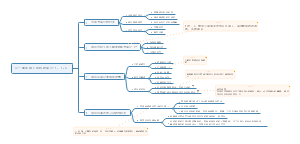
(1) 不定式的被动结构
动词不定式有时态和语态的变化,不定式的被动语态是考查的重点,也是难点和易混点。
不定式的一般被动形式为:to be done;
完成被动形式为: to have been done 。
不定式的逻辑主语是不定式所表示的动作的承受者时,不定式一般用被动语态 。
It is an honor for me to be invited to the party. 我很荣幸被邀请参加聚会。
The books and magazines are not allowed to be taken out of the reading-room.
这些书和杂志不许带出阅览室。
(2) 不定式结构中的“隐性”被动
不定式修饰的名词或代词和不定式构成逻辑上的主谓关系时,不定式往往用主动形式。
在某些形容词+不定式的结构中,句子的主语或宾语又是不定式的逻辑宾语时,这时常用不定式的主动表示被动含义。
这些形容词有nice, easy, fit, hard, difficult, important , impossible, pleasant , interesting 等。
He is hard to convince. 他很难被说服。
This problem is difficult to work out. 这个问题很难解决。
( 3) 主动形式表被动
不定式和它前面所修饰的名词或代词构成逻辑上的动宾关系,又和该句主语构成逻辑上的主谓关系时,不定式常用主动形式表被动。
动词不定式" to blame, to seek , to let , to compare" 等与 be动词连用时,不定式常用主动形式表被动。
I haven't got a chair to sit on. The house is to let. 此房出租。
I felt I was to blame, too.
我认为我也该受责备。