导图社区 英语语言知识
- 87
- 4
- 1
- 举报
英语语言知识
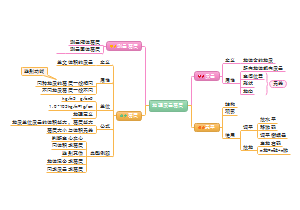
初高中涉及到的词法➕句法:in+衣服、颜色、戴眼镜、揪辫子、戴帽子in a red sweater/in pink /in a black hat with+只和眼镜、手套等连用,不能与衣服连用With a pair of gloves 。
提示: 本内容由社区用户上传并分享。平台不对内容的真实性、合法性、知识产权归属及是否侵害第三方权利进行事前审核或保证。本内容可能包含受版权保护的图片、字体或其他第三方素材,使用前请自行确认授权范围。
- 语言知识
- 初高中全部词法➕句法

- 相似推荐
- 大纲


英语语言知识
句法
定语从句
分类
限制性~修饰限定
非限制性~附加说明
有逗号/不that,why引导/关系词不可省/除了修饰单个词,还可修饰整个句子
限制性关系词
Where/when既可以限制性又可以非限制性,而why只可引导限制性
特殊
Occasion“时刻,场合”,关系副词when
point/situation/condition/spot/case/stage(阶段)“情况,境地,场合”,关系副词用where
使用关系副词🟰介词➕Which
关系词特殊用法
只用that
先行词为不定代词:all/any/every/some /few/little/No/each/much …… 以及复合不定代词
The only/the very
先行词被序数词修饰
先行词被最高级修饰
先行词即指人又指物
句中已有who/which,避免重复
只用which/who/whom
非限制中,只能用which代物,who /whom代人
介词➕which
先行词本身that,指物是关系词为which; 先行词为those/one/he等,指人时,多用who
As /which
都可以指代前面句子,但as可前,可后,which 只后
在限定中,名词前有such 和the same修饰,关系代词as
先行词为the way
“方式,方法”,且关系词在从句中作状语时,引导定从的关系词that/in which/省略
状语从句
时间
When(ever)/while/as
“当……时候”,从句谓语为延续性动词,三者可互换
When,从句谓语可以是延续性动词也可以是非延续
While 只延续性
另外, while表对比“然而” 表让步“尽管”
as 主从句同时发生“一边,一边/随着……”
Till/until
都可用于肯定句(注意:此时肯定句中主句的谓语动词是延续性的)
Until 用于否定,not …until (主句谓语为短暂性)
单词/短语充当连词
短语类
As soon as/hardly when/scarcely when/no sooner than…
注意⚠️hardly/scarcely/no sooner…否定提前时,部分倒装,注意时态
名词类
The moment/the minute/the instant
副词类
immediately/directly/instantly
Time类
Every time/each time/next time/by the time/any time/the first time…
after,before,since…
让步
As/though/although/while
As必倒,though 可倒可不,although 不,
as中名词提前时,注意去掉冠词
While尽管,一般句首
疑问词➕ever与no matter ➕疑问词
两者都可引导让步状语
No matter ➕疑问词只可让步,而疑问词➕ever即可让步又可名词性从句
Even if/even though “即使,纵然”,有退一步说的意味
Even if 从假设角度even if I were in your place Even though 从事实角度even though he was late ,he wasn’t criticized by the teacher.
目的
So that“为了,目的是” / in order that “为的是,目的是”
So that 句中,in order that 句首句中均可
In order that 可以改写为in order to…
In order that 后的句子:常may/should/could/would…
In case “免得,以防” For fear that “唯恐,以免,生怕” Lest“唯恐,以免,生怕”
三者后都虚拟语气(should)+do
结果
So..that/such…that /so that(以至于)
So ➕形/副➕that So➕形➕a/an➕名词单数➕that Such ➕a/an➕形➕名词单数➕that Such➕形➕名词复数➕that
名词前有Many/much/few/little 表数量→so Little “小”→such
条件
If/unless/in case (万一)/as long as/so long as/as far as/so far as(就……而言)/on condition that(条件是)/supposing(假设),/providesd/providing (如果)
“主将从现”
原因
Because/as/since/for
Because 语气最强,回答why,未知原因 Since 较弱,多位于句首,已知原因 As 语气次,对主句附带说明,已知,多句首 For 句中,前有逗号
Now that“既然,因为”,that可省
In that “因为,既然”,不可省
Considering that/seeing that“鉴于……事实/考虑到…”(that 可省)
方式
As(像,按照,依照)/like/as if/as though …
As if /as though 虚拟语气
比较
As…as/not so(as)…as/than/…
地点
Where/wherever…
As用法总结
1⃣️定语从句
非限制“正如”
the same ……as/such ……as
2⃣️状语从句
1⃣️引导时间状语从句“当……时候,一边,随着”
2⃣️让步,倒装,“尽管”
3⃣️原因“由于”
3⃣️方式as “像,按照,依照”
4⃣️比较as…as/not as(so)…as短语中
名词性从句
从属连词、连接代词、连接副词
主语从句
从属连词that/wether
That引导主语从句时,只引导,本身无实际意义,在主语从句中不充成分,但不省略
Weather “是否”,句首句后都可以
连接代词在主语从句中有成分,连接副词在从句中作状语
位置
形式主语
It+be+表语(n/adj/过去分词)+主语从句 Eg:it is still uncertain wether he is coming or not.
It+不及物+主语从句 It seemed/happened/doesn’t matter/has turned out…that…
It+及物(被动语态)+主语从句 It is expected that…
宾语从句
连接词that引导的
That紧接着主句谓语动词时,不可以省略 否则可以省略
主语➕vt.➕连接代词/连接副词 引导的
陈述句语序
主语➕vt.➕wether/if 引导的
陈述语序
Wether/if宾从可以互换,但在discuss/wonder/not sure和介词之后,最好wether
宾从中否定转移和反义疑问句
主句主语为第一人称,谓语动词为think/consider/suppose/believe/expect/guess/imagine 等,宾从要否定时,转移到主句
反意疑问句: 第一人称:I don’t think she likes…,does she? 第二三:She thinks I knew this…,doesn’t she ?
表语从句
连接表语从句的系动词:be /look/remain/seem…
If不引导表语从句
从属连词that/wether//as if /as though
连接代词在表语从句中有成分,连接副词在从句中作状语
The reason…that… That is because… That is why … It seems/looks as if …
同位语从句(解释说明)
注意⚠️与定语从句的区别
If/which 不能引导同位语从句
常见的可以跟同位语的词(抽象名词)fact/news/idea/question/promise/doubt/word/thought/hope/message/suggestion/possibility…
从属连词that/wether 连接代词、连接副词分别充当从句句子成分和作状语
特殊句式
虚拟语气
与if相关的虚拟语气
If引导的条件状语从句
真实条件句
非真实条件句
错综时间条件句
省略if的条件句
从句中有had,should,were,省去if,且将三者提前
代替if的条件句
Without/thanks to /but for /otherwise…,这些相当于if条件句,主句的虚拟和if相同~
与愿望、建议、要求、命令等相关的虚拟语气
(Should)+do
Suggest/required…..+宾语从句
2坚持insists/maintain 2命令command/order 4建议advise/suggest/propose/move(提议) 7要求require/request/demand/ask/desire/pray(恳求,请求)/urge(强烈要求) 1推荐recommend 1决定decide 1安排arrange
It is +表请求、建议、必要、命令等意义的形容词/分词+主语从句
advised/advisable/better/desired/desirable/demanded/ordered/essential/important/natural/possible/probable/preferable/strange/urgent/incredible…..以及表语结构it is a pity/it is a wonder/it is a shame…
一些表示建议、请求、命令、愿望等意义的名词后的表语从句或同位语从句
Policy/advice/decision/idea/plan/proposal/opinion/direction/suggestion….
“要是……就好了/好像”
Wish➕宾从
从句: 与过去:had done 与现在:did(were) 与将来:would/could do
If only表愿望
同wish
As if /though +方式状语从句
同wish
Would rather/had rather/would soon/would just as soon+宾从
从句 与过去:had done 与现在、将来:did(were)
It’s (high/about)time +从句
Did/should do
虚拟其他形式
Lest/in case/for fear (that)引导的状语从句
(Should)do
Had+expected/hoped/supposed…“本……”
Would +do
倒装句
全部倒装
There be“有”
时间副词:now/then句首
地点,方位副词
Here/there/up/down/in/out/off /away/…
强调表语,置句首,或为保持句子平衡
Present at the meeting were 1000 students.
当主语为代词,不倒装,here you are
当句子中,既有表语又有介词短语,优先强调表语
部分倒装
强调句
It is /was ➕强调部分➕that➕其他
省略句
状语从句的省略
主句主语和从句主语一致,且从句谓语含有be的某种形式,可以省去从句的主语和be的某种形式
在特定环境中为了避免重复,当不定式再次出现时,在want/wish/hope/try/plan/like/love/hate后只保留to,而省略后的动词,但后面有be和have时,要保留be和have
独立主格结构
有逗号,无连词
主语不同
逻辑主语与后面的形容词、副词、介词短语、分词、不定式等之间存在逻辑上的主谓/动宾关系
词法
名词
分类
专有名词
Eg:人名、地名、国家名、团体名称、机构名称等
普通名词
可数
分类
个体名词
集体名词
可数名词单复数
规则
+s
以s/x/ch/sh结尾的+es
f/fe→ve+s 小偷的妻子拿着叶子刀片切面包喂狼 thief/wife/leaf/knife/loaf/wolf
辅音+y→i+es
元音字母+y结尾直接s
以O结尾的
有生命的es 黑人英雄爱吃西红柿和土豆 Negro/hero/tomato/potato
无生命或一些外来词+s piano/photos
都可以的 zeros/zeroes volcanoes/volcanos
元音字母+O结尾+s
radios/bamboos zoos
th结尾+s
truths/mouths/months
不规则
改变元音字母或其他形式
man/woman/goose-geese/mouse-mice
单复数相同
sheep/deer/series/means/works/fish/species
一些集体名词总是用作复数意义 谓语动词用复数
police/cattle/people/staff
部分集体名词既可以作单数(整体), 也可以作复数(成员)
audience/class/family/crew/government/crowd/couple/group/committee/population/team/public/enemy/party
只有复数形式
ashes/compasses/thanks/trousers/clothes/goods/glasses
复数形式表特殊含义
customs/forces/times/spirits/drinks饮料/sands沙滩/papers文件,报纸/manners/looks外表/brains 头脑智力/青菜greens/ruins废墟
某国人
-s
Americans/Australians/Germans/Greeks/Swedes/Europeans
单复数同形
Swiss,Portuguese,Chinese,Japanese
Man/woman结尾
Englishmen,Frenchwomen
合成名词
有主体名词,在主体名词后s
sons-in-law
无主体名词,最后s
go-betweens
不可数
分类
物质名词
抽象名词
名词所有格
‘S所有格
有生命的人或动物
无生命用此所有格含有
表时间、自然现象、国家、城市、工作群体、度量衡及价值、与人类活动有特殊关系的名词(the life’s time)、固定搭配(a bird’s eye view鸟瞰图/a stone’s throw一箭之遥/at one’s wit’s end 一筹莫展,智穷力竭)
各自所有关系时
Jane’s and Mary’s books
共有关系
最后词尾加s
表“某人家”“店铺”时,名词尾加’s,且后的名词省略
the doctor’s/the barber’s/the tailor’s/my uncle’s the Johns约翰一家/约翰夫妇 the John’s约翰家
of所有格
无生命的
双重所有格
of前必须是不定冠词a(an)以及any/some/no/few/several 等表示数量的词 Of后必须是人的名词所有格或物主代词,且是特指
名词作定语
单数作定语
类别、处所、材料、时间、功能、用途等
shoe repairers/tooth brushes
复数作定语
以s结尾的复数名词
sports car/goods train
man/woman等作定语
a man worker /two men workers
a boy student/two boy students
数词+名词 作定语
a year’s plan/a-year plan two years’ plan/two-year plan
冠词
定冠词the
上文提到的,特指
独一无二的
adj/adv比较最高级前、序数词前
形容词或分词前,一类人/物
姓氏前、一家人/夫妇
普通名词组合成的专有名词前,国家、党派、江河湖海、山川群岛等
乐器前
单位名词前by the hour按小时
方位、身体部位前、表时间的词组前
发明物的单数名词前the compass
不定冠词a/an
one/every
=the same
人名前a Brown/名人前a Lei Feng
序数前“又一再一”a second
a most 非常
such a /what a/ quite a/half a /an
How/so/as+adj.+a/an
抽象名词具体化
零冠词
物质、专有、抽象、人名,地名前
名词前已有限制词this/my等
年月星期三餐四季、节日前
球类棋类语言、学科前
职位头衔身份前
By car 等表交通工具的词
以and 连接的两个相对的名词并用时
husband and wife/knife and fork
三者都可表示类
a/an+单数名词:强调类别中任何一个的特点
the+单数名词:强调整个类别
零冠词+复数名词/不可数名词:强调类别中许多个体
代词
分类
人称代词
主格
宾格
物主代词
形容词性
名词性
反身代词
指示代词
疑问代词
who/which/where/whenever …
关系代词
that/which/who/as…
不定代词
复合不定代词
不定代词用法
some/any/one
Some:大约/某个/肯定句/征求意见疑问句
Any:否定疑问句/任一/修饰比较级
One
Every/each
Each student and (each)teacher is here. Every boy and (every)girl has an apple. Each of/every one of
Nobody/no one/none
None指人或物,数量,回答how much /many 其他回复who
The other/the others/other/others/another
Other:复数名词/不可数名词连用 但如果其前有the/this/that/some/any/each/every/No/one/及my/your等修饰时,也可与单数连用: any other plant/no other way
both/either/neither All/any/none
注意both/all的部分否定
指示代词用法
that/those/these等
such“这样的,那样的”
no/any/some/all/few/many/every/other/another/one/two等连用,在其后:no such thing
与不定冠词在前:such a beautiful woman
It
代替上文提到的
代替指示代词this that
时间、季节、气候、天气、自然环境、温度、距离、等
不明性别的婴儿
指代远处的人或敲门的人等不能确定身份的人
形式主语、宾语、强调句结构
表“喜爱”的一些词后
Love/like/hate/appreciate/enjoy/prefer 等及物动词后若没有出现宾语,而直接跟if/wether引导的状语从句,在从句前使用it
It/that/one/so比较
It1⃣️同名同物,特指,复数them/they 2⃣️也可以代替上文提到的一件事 3⃣️see to it that =see that /make sure that /check that,主将从现
That 同名异物,特指
One 同名异物,通常是泛指
So替代上文提到的内容 I don’t think so/think not等相似表达
固定结构
Nothing more than 仅仅,不过是
Nothing less than 不亚于,完全
Anything but根本不是,一点不适
Nothing but 仅仅,只
No more than 只不过,无非=only
No less than 多达,有……之多
相关的: no more …than同……不一样=neither nor No less…than同……一样=both and not more…than不及,不如不比……多=not so as not less…than不比……少(程度上超过) not more than不多于,至多=at most not less than 不下于,至少=at least(注意于no……区别)
形容词和副词
多个adj.修饰名词顺序
县官叔叔美小圆,旧黄法国木书房
比较级与最高级
同级比较
as……as not as(so)……as the same as A is to B as /what C is to D
比较级
比较级+than Not +比较级+than/less than 比较级➕比较级/more and more +比较级 The more ……,the more…… 修饰比较级的词:any,much,a lot,even,far,a bit ,a little,still,yet,a great deal
最高级
in/of
比较级表最高级
I have never heard a better voice /she has the best voice I have ever heard.
比较级+any other +n.单数 the other +n.复数 any of the other +n.复数
比较级+than+anything/anyone else Eg:Tom cared more for money than for anything else.
与比较级和最高级的词
表“最高程度”的: favorite/excellent/extreme/perfect/superior/inferior/senior 等
固定搭配
More than
“多于”
“不只是,不仅仅是”
“极其,非常”,后常接形容词、副词、分词
“难以,完全不能”,后常有can
与like/love等连用。“更,更加” I like tennis more than football.
More ……than……
“比……更多”,more为many/much的比较级
“比……更”,more 后是多音节adj/adv
“与其说……不如说……”,对同一事物/人在两方面比较/宿舍:he is more lucky than clever.与其说聪明不如说是幸运。
相似: 1⃣️rather than 是……而不是,与其……不如,可以接量adj/介词短语/动名词/分句/代词/不定式等,不定式后的to可以省略 He is an explorer rather than a sailor. 2⃣️not so much A as B 与其A不如B He is not so much smart as brave.与其说他聪明不如说他勇敢。
倍数表达
A+be+倍数+比较级+than+B
A+be+倍数+as+adj.(或much/many+n.)/adv.+as+B
A+be+倍数+the+ size/length/height …+ofB
The size/height/length …+of+A+be+倍数+that of B
介词
时间介词
in/at/on after/during/by since/from/for
By: 1⃣️在……之前,到……为止 2⃣️被动语态、方式手段工具 3⃣️在……旁边/近旁/手边 4⃣️抓住/握住某人的部位:by+the+部位 5⃣️最迟在…之前,到…的时候已经:将来完成时
方位地点
in/on/at/ through/across/over under/beneath……
方式手段工具
by/on(TV)/with/in+English/ink/white
材料介词
of/from/in (in常与write,speak,answer 等连用in ink )
穿戴介词
in+衣服、颜色、戴眼镜、揪辫子、戴帽子 in a red sweater/in pink /in a black hat with+只和眼镜、手套等连用,不能与衣服连用 With a pair of gloves
其他
Expect/expect for
同类排除、不句首:Except+从句/名词/代词
非同类:Except for Except for the old lady, the bus was empty
Besides
apart from/in addition to/aside from=
beyond
1⃣️超过范围,为……所不能及 beyond me/expression 2⃣️在……的那边,在……以外 The town is beyond that small village 3⃣️迟于,比……晚,(时间)过了 He came home beyond 8 o’clock last night
连词
分类
从属连词
when/while/……
名词性从句状语从句中
并列连词
and/but/as well as/neither nor……
并列关系and neither nor……
选择关系either or.……
转折关系but/yet/however ……
因果关系so/then/for……
数词
基数
年龄:整十复数:in one’s fifties
年代:整十复数in the 1990s/‘s
时间
to/past/quarter/half……
序数
又一,再一,不加the
序数词前已有物主代词/名词所有格 不加the
作为副词 不the I wen to Beijing first .
名次常省略the I won first prize
固定搭配
At first /first of all/at first sight 乍一看
分数、小数、百分数表达法
分数
分子基分母序,分子大于1分母加s Two thirds
two in three
two out of three
小数
点前正常读 点后数字读
小数后名词为复数,小于1的通常也是, 除去1:one centimeter
百分数
5%five percent
三者谓语形式看修饰的名词
动词
实义动词
5种基本形式
动词原形、单三、过去式、过去分词、现在分词
动词分类
Vt/vi/ 两者都可意义不变/ 两者都可意义不同: Grow种植/生长vi operate 操作/做手术vi
时态
1⃣️一般现在时
客观真理、客观存在、科学事实
名言警句中
表正在发生:here/there开头,go/come动词谓语 Eg:Here she comes/there goes the bell .
按照时间表、计划表安排好的事情
主将从现
现在的状态、能力、性格、个性等
经常/习惯性
2⃣️一般过去时
3⃣️一般将来时
will/shall
Will陈述句中各种人称,征求意见时第二人称:will you
Shall第一人称,可以用will代替
Be going to
意图
安排、计划要发生的事
有迹象发生的事 It is going to rain .
Be to
按计划/正在安排将发生的事
Be about to
马上做某事 不与tomorrow等明确时间的词连用
现在时表将来
leave,come,go,arrive……
4⃣️现在进行时
现在时表将来
代替一般现在时,描绘更生动 The small lake is flowing into the sea .
与频度副词always,constantly ,表夸奖、埋怨等感情色彩: You are always helping students.
定义:动作正在进行,这个动作是暂时的,也是未完成的
不可❌用进行时情况
感官动词
hear,feel,smell……
非延续动词一般没有进行时态
allow/accept/permit/promise/admit/complete
心理状态、情感的
Like/love/care/mind/want/……
存在状态的
exist/appear/lie……
5⃣️过去进行时
6⃣️现在完成时
过去对现在造成的影响或结果
过去的动作持续到现在可能再持续下去
Have been to“去过”,可以和three times ,once,never等连用
Have gone to “去了”,还未归,不和never等用
短暂性动词不可以❌在完成时的陈述句中与时间段状语连用,除非该换成相应持续性动词 🉑️用于否定句,
Come/arrive/leave/start/begin/lose/buy/fall/join/die/go/reach/hear/close/ Eg:I have not received his letter for a month.
7⃣️过去完成时
过去的过去
在hope/expect/think/intend/want/suppose 等过去完成式形式表“未实现的希望、打算、意图等”
8⃣️现在造成进行时
从过去某一时刻开始到现在,并且还要,或可能持续下去:I have been doing my homework since 7 o’clock
9⃣️将来完成时
截至未来某个时刻已经完成的动作或状态 By the time of ……/by the end of ……
表示某种状态一直持续到说话人所提及的时间(也可归结到上个)
🔟过去完成式
语态
主动形式表被动
系动词smell/taste/feel/look……主语为物,且表该事物本身具有某一特征:Water feels very cold
表示主语的内在品质、性能 Write/sell/wash/cook/read…… Eg:The clothes wash well .
日常用语: 某些动词用于进行时态,主动表被动: Work out /build/pack/make/print/bake…… Eg:The plan is working out.
3需要2值得
need/want/require+doing 表被动
Be worth doing /deserve doing Eg:The book is worth reading
To do不定式表被动
Be+adj.+to do English words are difficult to remember.
作补足语的adj.后作状语的不定式 Eg:We found the book easy to understand.
This/that/these/those be 后的名词后的不定式 This is a difficult book to understand.
There be/have/with sth.to do ,含“有/要”意思 I have lots of friends to visit.
疑问代词+不定式 I don’t know how to do it
Be to blame/出租be to let/be to seek 急需
不可以❌变为被动语态
不及物动词
感官动词
希望动词
wish sb to do sth
Hope常跟从句,不跟to do ,除:主语为I#I hope to do sth
状态类
宾语为单身代词或相互代词
同源宾语I dreamed a dream
宾语为主语身体一部分
情态动词
1⃣️can/could
表能力
现在的能力can 过去的能力could Be ale to
可能性,表推测
现或将来推测can,过去的推测can/could have done
Can:否定句、疑问句
Can用于肯定句中,表“理论上的可能”~有时会
Could:肯定、否定、疑问
表许可请求
-Could/Can I ……?-Yes,you can /No,you can’t
2⃣️may/might
表推测“可能,或许”
对过去的推测:may/might have done 对将来的推测:may /might 对现在/一般情况推测:may/might或may/might be doing
Might 比may语气更不稳定,可能性更小,多用于肯定句
允许,许可
May I ……? Yes,you may/can No,you can’t /mustn’t
May表允许时,一般不与第三人称连用
祝愿
May you succeed.
Might/may as well不妨,倒不如 Eg:You might as well go home now .
3⃣️must/have to
must
推测“肯定,想必,一定”
现在/将来:must
正在进行:must be doing
已经发生:must have done
主观要求“必须,应该”
Must I …? Yes,you must No,you needn’t /don’t have to
表 不愉快、不受欢迎的巧合“偏偏”
“非要”,表固执 Must you go there?
4⃣️should /ought to
推测“可能,该”
现在/将来should/ought to do 过去should/ought to have done
义务责任“应当,应该” 二者通用
责备意味“本该” 二者通用
Should :表意外,惊喜,或在说话人看来是不可思议的事,惊讶“竟会,居然,竟然” Why should you be so late today?
Should “如果,万一”
5⃣️will/would
“将要”助动词,二者同 would 为过去式
意愿,请求,建议,决心
二者同,但would 语气更委婉 Eg:Would you please give me an apple.
Would:过去的习惯,现在可能有可能没有了 Used to :过去常常,现在没了
would:“会,将会”
would :用于评论某一种特定的行为
Wouldn’t/won’t 情态动词,具有情绪化的色彩 ,表“拒绝,不肯,怎么也不,就是不”
6⃣️dare/need 敢/需要,必须
情态动词时
dare do/need do daren’t/needn’t do
实义动词时
dare/need to do don’t dare/need to do
Dare…do…? Yes,…dare No,…daren’t
Need…do…? Yes,you must No,you needn’t
7⃣️Shall
第一、三人称 征求对方意见
第二、三人称 表许诺,命令,警告,威胁等 Eg:the task shall be finished by Sunday.
Shall用在法律条约,协定等文件中,表义务、规定等
情态动词特殊用法 情动+have done “本…(而实际…)”
should have done不该做(而实际未做) shouldn’t have done 本不该做(而实际做了) could have done本能够做(而实际没做) needn’t have done 本不必做(而实际做了) would have done本来会去做(而实际没做)
助动词
系动词
分类
状态系动词
be
持续系动词
keep/remain/stay/stand
表象系动词
seem/appear/look
感官系动词
feel/smell/sound/taste
变化系动词
become/grow/turn/fall/get/go/come/run
终止系动词
turn out/prove
用法
+adj/adv表语
通常接adj,一般不接adv
可用作副词作表语的: in/on/off/out/inside/outside/over/up/below/down/away/round/around/through 等少数副词小品词以及here/there/upstairs/downstairs 等少数表地点或方位的副词
+to do 作表语
Be
My dream is to be a teacher.
Seem/appear/prove/turn out/get/grow/come等系动词后也可接to do (尤其to be) The weather turned out to be fine
Sound/smell/feel/taste/become 等后不接to do it sounds to be good (❌) It sounds good .
系动词与被动语态
英语中所有系动词都为不及物,即都不可有被动语态
非谓语动词
分类
不定式
分词
现在分词
过去分词
动名词
非谓语构成
动名词作定语:通常指被修饰词的用途、性质、特征,无逻辑上的任何关系 a sleeping car =a car for sleeping
现在分词作定语:一般是与谓语动词动作同时发生,或在说话时该动作正在进行 A sleeping dog 一直正在睡觉的狗
主谓一致
语法一致
主复,谓复/主单,谓单
意义一致
谓语用单数
1⃣️and 连接的同一概念、兼具身份、匹配出现
The worker and writer is from Wuhan.
Bread and butter/law and rule/knife and fork/war and peace
2⃣️由不定代词构成或修饰主语时
Every/each/no
3⃣️无生命集合名词作主语时:clothing/furniture/traffic/jewelry/baggage/luggage/equipment Eg:Clothing is badly needed in this flooded area.
4⃣️时间、距离、金钱等的复数名词作主语表整体概念时
Twenty years has passed
5⃣️非谓语动词、名词性从句作主语时
6⃣️more than one/many a +n./a series of +n.作主语
谓语用复数
1⃣️山脉、群岛、瀑布、运动会等且以’s结尾的专有名词作主语时
The Olympic Games are ……
2⃣️部分集合名词只能看作复数(有生命的) People/cattle/police/staff/folk/personnel
The cattle are running.
情况而定
“整单各复”
集合名词:class/family government/team/enemy/army/club/population/party/crowd/crew/audience/public/group/majority ……
Half/most/enough/part/the rest/the last/lots/plenty/分数、百分数➕of➕名词,作主语时,看名词
就近原则
Or/nor/either or/neither nor/not only…but also/not …but/
就远原则
But/except/besides/including/like/with/as well as/as much as/no less than/along with/in addition to/combined with /rather than /together with 等
注意非谓语动词中分词作状语和省略句、独立主格的区别
省略句:有连词、主从主语一致、省略后的动词与主句主语有主谓/动宾关系 独立主格:无连词、主从主语不一致、逻辑主语与独立主格动词成分有主谓/动宾关系 分词作状语:无连词、主语一致、分词结构与主句主语有主谓或动宾关系