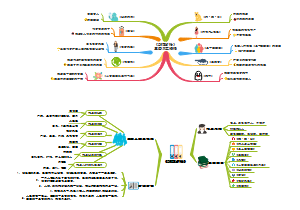
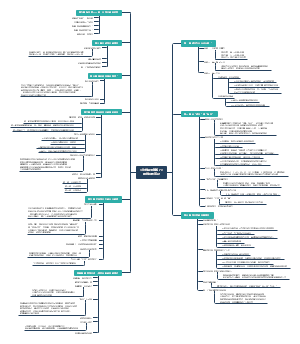
The process that a change in one cell's enviroment alters another cell's biochemical activity.
The method that a direct stimulus on one cell changes other cell's biochemical activity indirectly.
stimuli---cell1----cell2----response
Signalling pathways often form complex networks to coordinate cellular functions. The cells involved can vary greatly on their distance of communication.
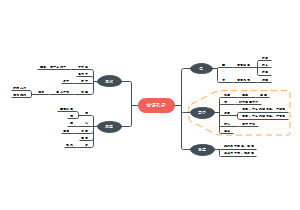
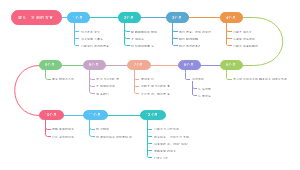
basic signalling parttern
constant steps for all multicellular organisms.
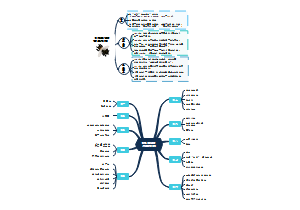
1. Stimulate sensory cells
possible stimulations
metabolites concentration changes
physical changes(wound)
nerves stimulation
Other signaling molecules stimulation
usually more than 1
Therefore integration
2. Release signaling molecules
Variations
intercellular signalings
Contact dependent
MHC-TCR
Paracrine
chemotaxin
Synaptic
motor neuron---muscle
Endocrine
testosterion
Autocrine
IL-2 Tcell maturation
Gapjunctions
Connexin: reversible and controled oppening
Sometimes cells communicate through direct contact. It means cell contacts directly with another cell and pass the signal by gap junctions.
intercellular signals can be Neurotransmitters, Neuropeptides, Hormones and Cytokines.
3. Stimulus Receptors of target cell
4. Activates cellular signaling pathways of target cell
3 "features"
multiple outcomes
One signal can activates multiple signaling pathways.
amplification
Coordination
signal crosstalk and integration
5. Generate target cell responses
Responses can result in changes of pre-existing cellular functions
This type of responses are fast, but last shortly.
e.x. alterations in the activity of rate-limiting enzymes, ion channel opening or closure
Responses can result in changes of gene expression
This type of responses are slow, but last long.
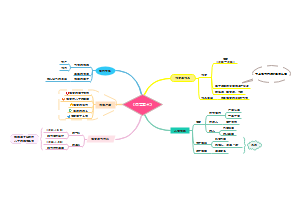
Evolutionary explanations
Function features: coordinates multiple cells
Different signaling pathways often share their signaling components, this strategy help organisms to cope enviromental changes hence the signaling pathway expand during evolution.
even in single cells
Dictyostelium
The stimulus is often starvation.
Cells release cAMP as chemokines
The single cells aggregate to form mound /prestalk.
by an extracellular matrix
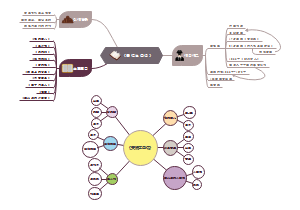
Molecular features: diverse chemical species
A good signal compose of
speed traveling to target site
depends on receptor sites
hydrophobic
intracellular
hydrophilic
extracellular
Efficiency of signaling molecules' turn over
Reversibility of effectors changes
signaling by receptors
Evolutionary necessity of receptors
Allow cells to detect signaling molecules
achieve coordination among certain group of cells
homeostasis
one cell type responces to one type of signals specificly
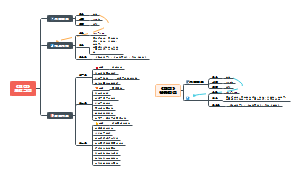
basic tenits of receptors
specificity
Molecular determination
receptor binding site
which specificly refer to the aminoacids side chains that interact with ligands
it's usually different for agonist and antagonist, but still overlapping
receptors only bind to its ligands
There are two types of ligands
agonists initiate cellular responses.
antagonist cannot initiate cellular responses.
usually higher affinity
most binding events are reversible.
affinity(pKa)
different ligands for an receptor show different affinity.
two main functions
Recognition
Relay
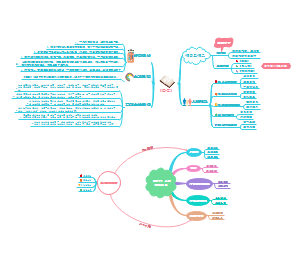
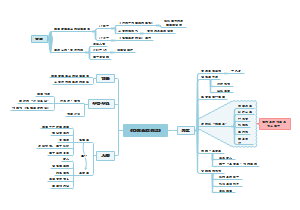
Cellular level's location of receptors
Intracellular receptors
Cell surface receptors
Ion channels
ex. transmitter gated ion channel
ex. Nicotinic acetylcholine receptors
G-protein coupled receptors(GPCR)
7 TMDs
Enzymes
ex. RTKs
like EGF receptors
Responses with regard to receptors
depends on both the receptors and the cellular mechinary it attached to.
same ligand
different receptors
different responses
same receptors
different underlying mechinary
different responses
Intracellular signaling proteins after receptors
signaling amplification
ex. MAP kinase cascade
molecular swiches
ex. Ras
signaling integration
Subtopic
Modular binding domains
bind to cirtain motifs which are usually phosphorylated by knase domains