导图社区 What makes people unique
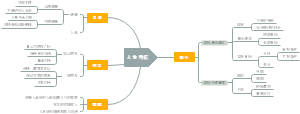
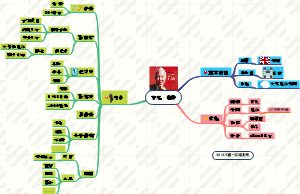
What makes people unique五大人格:Openness、Conscientiousness、Extraversion、Agreeableness、Neuroticism。
编辑于2022-10-09 18:19:39 黑龙江省What makes people unique?
Openness
Openness: the characteristics of imagination, aesthetics, emotional richness, novelty, creativity and intelligence.
In the mind
High: Always explore different points of view to make sure you put the facts in perspective. Fear of missing important points. You can hold two opposing views in your head at the same time and weigh the pros and cons of each.
Low: Always think their own thinking is the best, will not explore different points of view. Pay attention to how to prove the correctness of their views. You can't hold two opposing views in your brain at the same time.
In study
High: Welcome criticism and hope to learn from it. See opposition as an opportunity to learn. More willing to listen to others and encourage others to express their opinions and ideas. Encourage others to point out their mistakes.
Low: Avoids criticism and defends or fights back if criticized. See opposition as a threat to yourself. Unwilling to listen to what others have to say, and sometimes not giving others the opportunity to express their views and ideas. Unwilling or even hindering others from pointing out their mistakes.
Take action
High: like to be comfortable with the fact that I might be wrong. Tend to ask questions. Likes to ask people if their guesses are correct. Likes to evaluate other points of view before drawing conclusions.
Low: like fixed opinions. Tend to give straight answers to questions. Like to assume subjectively that this is the case. Like to jump to conclusions
Conscientiousness
conscientiousness: show competence, fair, orderly, due diligence, achievement, self-discipline, cautious, restraint and so on.
COMPETENCE
High score Traits: Confident in your abilities. Efficient, meticulous, confident, intelligent.
Low Score characteristics: not confident in their own abilities, do not believe that they can control their work and life. Confused, forgetful, stupid.
ORDER
High score characteristics: Good organization, like to make plans and follow the rules. Precise, efficient and methodical.
Low score characteristics: no planning and organization, appear disorganized. Disorganized, impulsive, or careless.
DUTIFULNESS
High score characteristics: a sense of responsibility, according to the rules. Trustworthy, polite, organized and meticulous.
Low Marks: Feel that rules and regulations are a constraint. Often seen by others as unreliable and irresponsible. Lazy, inattentive, or inattentive.
Extraversion
extraversion: displays traits such as enthusiasm, sociability, decisiveness, activity, risk taking and optimism.
Think and act Outside
Extraverts who analyze the information will apply the information when analyzing its "benefits" in their actions, so they will be considered agile in their thinking. But they are most likely to put themselves at risk without the ability to solve the problem
Inside: Think first, then act later. More time to think, think first before action, because the instinct is "harm first, then good later", they need to come up with good ways to solve the disadvantages in thinking before they can apply the information in action, so they will be mistaken for slow thinking.

Confidence and inferiority complex Outside
Extroverts are bold, brave, fearless, more adventurous, more optimistic.
Inside: Focus on the disadvantages of information. They are more careful, better at introspection, and better at summarizing their experience and lessons.
Acceptance and adaptation Outside
Easy to accept new things Adapt to the new environment faster, faster familiar with new people, faster to learn new knowledge.
Inside: hard to accept new things. Long adaptation period
Agreeableness
The agreeableness trait is shown to be trust, altruism, directness, compliance, humility, and empathy.
Interpersonal relationships
People with high agreeableness are considerate, friendly, generous, helpful and willing to give up their own interests for others.
People with low agreeableness put their own interests above those of others
In the work
People with high agreeableness may be more responsive to colleagues at work and less adept at saying no to others.
People with low agreeableness value actual income, are more sensitive to opportunities, and are able to react quickly and take effective action.
In the life
People who score high in agreeableness, are eager to help others and are more gentle with others to benefit others, so they are more likely to follow the rules and be humble.
People with low agreeableness are more likely to put their own interests above those of others, so they are less likely to bother with the welfare of others, and they are suspicious of the motives of others, making them suspicious and unfriendly.
Neuroticism
neuroticism: the inability to balance emotions such as anxiety, hostility, repression, self-awareness, impulsivity, and vulnerability, i.e. the inability to maintain emotional stability.
Anxiety
High score characteristics: often anxious, prone to tension, fear, and anxiety.
Low score characteristics: calm, relaxed, not easily afraid, and emotionally stable.
Anger and hostility
High score characteristics: It is easy to get angry and angry because of a small matter. After being frustrated, you will feel angry and irritable and hostile to others.
Low score characteristics: not easy to get angry and easy-going.
Depression
High score characteristics: there are often feelings of despair, guilt, depression and depression in life.
Low score characteristics: not easy to feel sad, love to laugh, good mood, little sense of abandonment.
Self Awareness
High score characteristics: too concerned about how others see themselves, afraid of being laughed at by others, and easy to feel shy, anxious and inferiority in social occasions.
Low score characteristics: calm and confident in social occasions, not easy to feel nervous and shy.
The group members are as follows: Yolie 2032435 Renee 2032452 Kristina 2032426 Iris 2032621 Agnes 2032432