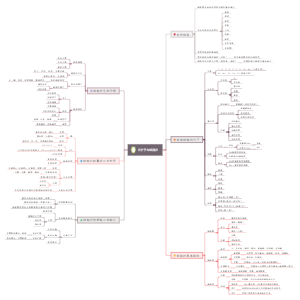
build your speech on a firm base of facts and logic
ethically
keep in the mind as well the power of language and use it responsibly
good person speaking well
The psychology of persuasion
persuasion is a psychological process
the challenge of persuasive speaking
change people's values,attitudes,and beliefs
different people have different views
have a realistic sense
tailor your message
how listeners process persuasive messages
the target audience
Persuasive speeches on questions of fact
what are questions of fact
analyzing questions of fact
organizing speeches on questions of fact
persuasive speeches on questions of value
what are questions of value
value judgments: based on a person's beliefs
analyzing questions of value
justify your claim
establish your standards
be sure to give special thought to the standerds for your judgments
organizing speeches on questions of value
to establish the standard for your value judgment
to apply those standards to the subject of your speech
have strong implicatons for our actions
persuasive speeches on questions of policy
what are questions of policy
a question about whether a specific coure of action should or should not be taken
specific courses of action
"should"
types of speeches on questions of policy
speeches to gain passive agreement
try to make audience agree with you but not urge them to do anything about the policy
speeches to gain immediate action
want immediate action
analyzing questions of policy
need
convince the audience that there is a serious problem
plan
explain your plan for solving the problem
practically
show that the policy will work
organizing speeches on questions of policy
problem-solution order
advocate
demonstrate the need for a new policy by showing the extent and seriousness of the problem
explain your plan for solving the problem and show it practcality
oppose
argue that there is not a need for change
show that even if there were a serious problem, the suggested new policy would not solve it and would create serious problems of its own
problem- cause-solution order
comparative advantages oder
a method of organizing persuasive speeches in which each main point explains why a speaker's solution to a problem is preferable to other proposed solutions
three main points
identifying a problem
analyzing the causes of the problem
presenting a solution to the problem
Monros's Motivated Sequence
a method of organizing persuasive speeches that seek immdiate acton. The five steps of the motivated sequence are attention,need,satisfaction,visualization, and action
attention
gain the attention of your audience
need
make the audience feel a need for change
satisfaction
satisfy it by providing a solution to the problem
visualization
intensify desire for it by visualizing its benefits