导图社区 Chaper 14
- 19
- 0
- 0
- 举报
Chaper 14
管理学第十四章导图:Methods and challenges of interpersonal communication。
编辑于2022-12-01 23:44:47 福建省
- 相似推荐
- 大纲

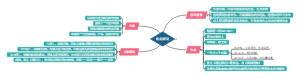

Chaper 14 Mananger Communication
The nature and function of communication
communication functions
Control
Formal and informal communications act to control individuals'behaviors in organizations
motivation
Communications clarify for employees what is to be done,how well they have done it, and what can be done to improve performance.
Emotional expression
Social interaction in the form of work group communications provides a way for employees to express themselves.
information
Individuals and work groups need information to make decisions or to do their work.
communication
Communication is transfer and understanding of meaning Transfer means the message is received in a form that can be interpreted by the receiver. Understanding the message is not the same as the receiver agreeing with the message. For communication to be successful , the meaning must be imparted and understood Good communication is often erroneously defined by the communicator as agrteemen with the message instead of clear understanding of the message.
interpersonal communication
communication between two or more people
organizational communication
all the patterns networks,and systems of communication within an organization
Methods and challenges of interpersonal communication
Methods
communication process
Noise
any disturbances that interfere with the transmission,receipt,or feedback of a message
12 questions
Nonverbal communication
communication transmitted without words
Body language
gestures,facial configurations,and other body movements that convey meaning
Verbal intonation
an emphasis given to words or phrases that conveys meaning
Barriers
Cognitive
Information overload
When information exceeds our processing capacity
Filtering
The deliberate manipulation of information to make it appear more favorable to the receiver
Emotion
Extreme emotions are most likely to hinder effective communication.When threatened, reacting in a way that reduces the ability to achieve mutual understanding
To effective interpersonal communication
Socioculture
The different meanings of words and specialized ways (jargon)in which senders use words can cause receivers to misinterpret their messages. Jargon:specialized terminology or technical language that members of a group use to communicate among themselves
National culture
Culture influences the form,formality, openness,patterns,and use of information in communications.
Overcome barriers
Use feedback
Simplify language
Constrain emotion
Watch nonverbal cues
Listening actively
Communication issues in today`s communication
Managing Communication in a Digitally Connected World
Legal and security issues
Personal interaction
Managing the Organization's Knowledge Resources
Managers need to enable employees to communicate and share knowledge so they can learn from each other.
The Role of Communication in Customer Service
The three components: 1.customer 2.service organization 3.individual service provider
Getting Employee Input
Letting employees know that their opinions matter is an essential first step in building effective suggestions systems.
Communicating Ethically
Ethical communication
Communication that includes all relevant information,is true in every sense,and is not deceptive in any way
Effective organizational communication
Formal versus Informal
Formal communication
Communication that takes place within prescribed organizational work arrangements
Informal communication
Communication that is not defined by the organization's structural hierarchy This system fulfills two purposes in organizations It permits employees to satisfy their need for social interaction It can improve an organization's performance by creating alternative , and frequently faster and more efficient , channels of communication
Networks
Communication networks
Chain
Wheel
All Channel
Grapevine
the informal organizational communication network
Workplace design and communication
The greatest impact on communication
Open workplace
Workplaces with few physical barriers and enclosures
The availability of adjustable work arrangement , equipments , and furnishings
Direction of flow
Downward communication
communication that flows downward from a manager to employees
Town hall meeting
informal public meetings where information can be relayed,issues can be discussed,or employees can be brought together to celebrate accomplishments
Upward communication
communication that flows upward from employees to managers
Lateral communication
communication that takes place among any employees on the same organizational level
Diagonal communication
communication that cuts across work areas and organizational levels
Becoming a better communicator
Sharpening Your Persuasion Skills
Persuasion skills:skills that enable a person to influence others to change their minds or behavior
Sharpening Your Speaking Skills
Speaking skills:skills that refer to the ability to communicate information and ideas in talking so others will understand
Sharpening Your Writing Skills
Writing skills:skills that entail communicating effectively in text as appropriate for the needs of the audience
Sharpening Your Reading Skills
Reading skills:skills that entail an understanding of written sentences and paragraphs in work-related documents.
Communication in the internet and social media age
The 24/7 Work Environment
IT has made it possible to stay connected around the clock,seven days per week. IT has made it possible for people in organizations to be fully accessible,at any time,regardless of where they are.
Working From Anywhere
Wireless communication technology has the ability to improve work for managers and employees.
Social Media
Devoting a channel for information exchange about a specific topic can help compartmentalize the conversation. It can also start a useful conversation in which employees can share their experiences and make suggestions for creating competitive advantage.
Balancing the Pluses and Minuses
Communication and the exchange of information among organizational members are no longer constrained by geography or time. Constantly staying connected has its downsides, such as impeding creativity.
Choosing the Right Media
It is important for managers to understand the situations in which one or more media facilitates effective communication.
Active listening
Listening for full meaning without making premature judgments or interpretations
Message
A purpose to be conveyed
Encoding
Converting a message into symbols
Decoding
Retranslating a sender's message
Channel(medium)
The medium a message travels along