导图社区 英语教学法
英语教学法
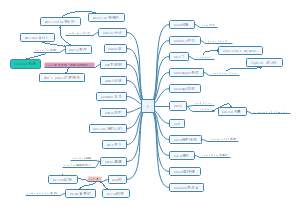
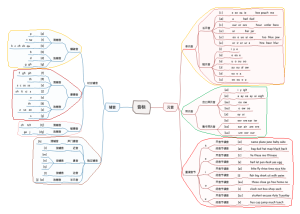
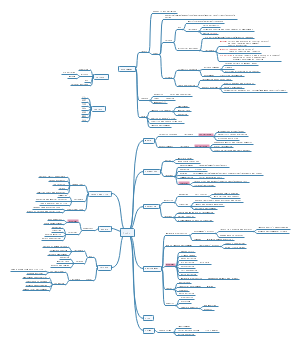
这是一篇关于英语教学法的思维导图,详细介绍了关于英语教学法第七单元的内容,有需要了解的小伙伴可以点赞加收藏
编辑于2022-12-03 20:32:20 四川省- 教学法

- 英语教学法
这是一篇关于英语教学法的思维导图,详细介绍了关于英语教学法第七单元的内容,有需要了解的小伙伴可以点赞加收藏
- 英语教学法教程unit4
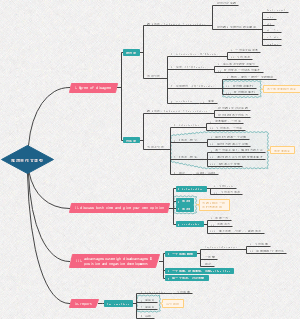
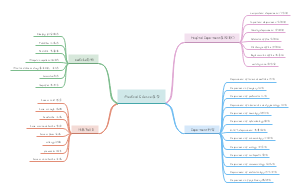
这是一篇关于英语教学法教程unit4的思维导图,主要内容有Benefits of lesson planning、Principles for good leesson plannig、Two levels of lesson planning等。
- 外语教学第一单元思维导图
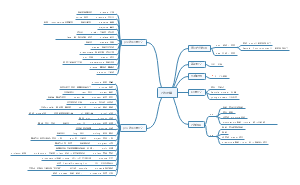
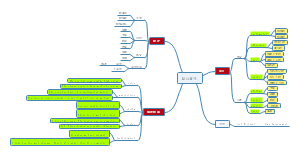
emphasise the nature of the human and physical context in which language learning takes place:the number of studentss,the kind of input learners receive,and the atmosphere.
英语教学法
社区模板帮助中心,点此进入>>
- 英语教学法
这是一篇关于英语教学法的思维导图,详细介绍了关于英语教学法第七单元的内容,有需要了解的小伙伴可以点赞加收藏
- 英语教学法教程unit4
这是一篇关于英语教学法教程unit4的思维导图,主要内容有Benefits of lesson planning、Principles for good leesson plannig、Two levels of lesson planning等。
- 外语教学第一单元思维导图
emphasise the nature of the human and physical context in which language learning takes place:the number of studentss,the kind of input learners receive,and the atmosphere.
- 相似推荐
- 大纲