导图社区 Cle mind map
- 46
- 0
- 0
- 举报
Cle mind map
学校作业🙏 Cle mind map,内容有: Relationship Self-Marketing and self-Advocacy Cross-Cultural Integration and Cultural Awareness Digital Footprint Identifying and Communicating your strengths Body language Building Better Community Ties and Becoming a Pillar of the Community
编辑于2023-04-09 18:13:03 江苏省
- 相似推荐
- 大纲





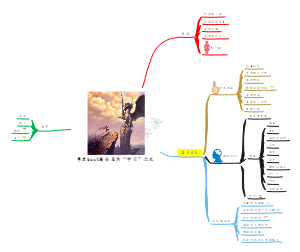
Cle mind map
Relationship
Introduction
Healthy networks are a community of people who are constantly thinking about ways to support one another’s growth and success.
as an opportunity to connect with others to share useful information and resources
building relationships and helping others.
Is and not
Is
Building relationships and helping others
Building mutually beneficial relationships
Helping each other
Follow up with people to nurture a long-term relationship.
Adding value to a potential or existing relationship
Not
Telling everyone you are looking for a job.
Asking people for names of employed people where you want to work
Approaching strangers for jobs
Asking for help
Taking advantage of other people
Add value
Employers and others gravitate to people who offer ideas.
Know the answer to questions such as, “Why are you an asset?” and “What do you offer?”
Be generous with your resources, knowledge, and skills, and you’ll be prepared to create two-way networking relationships that can make a big difference in your career.
Reason
Better chances of getting a job.
A job seeker who is referred is conservatively three to four times more likely to be hired (some studies found that a job seeker who is referred is 14 times more likely to be hired) than someone who applies for a position without a referral.
It is crucial to spend time making connections with people who have the potential to send along your resume for consideration.
Buildinglasting,supportive,relationships.
Many good things can come out of those relationships: ideas, introductions, helpful suggestions, project proposals, and certainly a referral or recommendation for a job or internship.
Skills and strategies
Do and don’ts
Dos
Be genuine, polite, articulate, interested and interesting.
Show interest in the other person.
Look at people in the eye.
Really listen (don’t just pretend to be doing so).
Be warm and encouraging.
Don’ts
Don’t dominate the conversation.
Don’t interrupt.
Don’t fail to pay attention.
Don’t use filler words (such as “like”, “you know”, “um”).
Nonverbal communication
Body language
Eye contact
Handshake
Voice
Pitch
An introduction
Who you are
A brief description of your relevant background
Something that makes you compelling and differentiates you from your peers
Your interests/goals
A specific career/industry interest or possible major/ grad school
Know your goal/intention for the conversation
Your experiences/unique selling points
Provide evidence through internship/clubs/summer job/ community engagement
Your unique background or perspective
Build a connection
Opportunity to build a genuine relationship
Thank them for their time
Next steps if applicable
Make it reciprocal
Social media
Google yourself and remove any inappropriate posts or photos.
Focus on a few social media platforms. This way you can keep them updated.
Contribute to the conversation. Comment, post and repost items that are relevant to your career.
Contribute to the conversation. Comment, post and repost items that are relevant to your career.
Self-Marketing and self-Advocacy
Introduction
Self-marketing helps individuals improve their image and reputation to advance their careers.
Also called self-promotion, self- advocacy or personal branding.
It gives candidates more opportunities to effectively communicate their values, skills, experiences, and vision to potential employers.
Successful self-marketing helps employees separate themselves from the hundreds of other applicants who may be competing for the same job.
Who implements self-marketing
Candidates who are seeking jobs, looking for promotions, or trying to switch jobs.
Identify job openings
Market their skills and experiences to hiring directors.
Market themselves within a company for a promotion.
Market themselves to different industries for a career change.
Freelancers also self-market to find consistent work
enter into contracts with a variety of employers
develop relationships with other freelancers, past clients, and industry professionals.
keep clients aware of their brand, their abilities, and their reputation.
Self-Marketing Tips
Make self marketing a habit.
Utilize social media
Post a resume online.
Use online forums
Use a ‘gravatar’ (“globally recognized avatar
Make a case for yourself.
Use keywords.
Market with others
Use testimonial
Cross-Cultural Integration and Cultural Awareness
Introduction
Culture is the “lens” through which you view the world.
It is central to what you see, how you make sense of what you see, and how you express yourself.
Culture is a shared systems of meanings, beliefs, values, behaviors through which experience is interpreted and carried out.
Communication
Provide business opportunities
Provide job opportunities
Improve contribution of employees in a diverse workforc
Allow us to share views and ideas
Having an understanding of a diverse market
Blocks
Ethnocentrism: inability to accept another culture’s world view.
Discrimination: differential treatm
Stereotyping: generalizing about a person while ignoring presence of individual difference
Cultural blindness: differences are ignored and one proceeds as though differences did not exist
Cultural imposition: belief that everyone should conform to the majority.
Tone difference: formal tone change becomes embarrassing and off-putting in some cultures.
Skills
Respecting differences and working together
Building trust across cultural boundaries
Understanding body language
Connecting with people.
Cultural Awareness
My way is the only way
I know their way, but my way is better
My way and their way
Our way
Culture context
High context
Low context
Digital Footprint
Cyber bullying
More than 1/3rd of teens have been cyber bullied 1 out of 10 students drop out of school because of repeated bullying 56% of students have observed some type of bullying and ignored it
"Bullying“. means systematically and chronically inflicting physical hurt or psychological distress on one or more students or employees.
Cyberbullying is bullying that takes place online.
Sexting
Sexting is sending of sexually explicit photos, images, text messages, or e- mails through a cell phone or other mobile device.
When you send an explicit picture or message to someone, you lose control over it, and it can be sent to other people.
This can have devastating consequences for your reputation.
Privacy and security
These days much of our information is online.
It is important to keep that information private and secure.
Navigating cyberspace presents other problems as well, such as scams and identity theft.
An important aspect of protecting your privacy online is creating a strong password that other people cannot find out.
Digital Footprint
Using cookies
Sharing information in social media
Enabling location services
Gaming
There are many positive aspects to online gaming.
It can provide a fun distraction, help develop skills, teach about technology, and let you connect with friends.
However, there are also risks to online gaming.
Cyberbullying and harassment
Excessive playing
Difficulty distinguishing reality from fantasy
Online luring (sexual predators can use the game to contact you)
Viruses and malware
Sexual Predators
The FBI estimates there are up to 750,000 child predators online.
Online predators trick you into doing things such as sexual acts or sending explicit photos/message
Online gaming, messaging, chat rooms, etc. could create the opportunity for an online predator to connect with children.
When using the internet REMEMBER... people aren’t always who they say they are.
Identifying and Communicating your strengths
Introduction
Strengths are defined as character traits or skills that are considered positive. Strengths include knowledge, attributes, skills, and talents.
Weaknesses are just the opposite.
takes self-awareness and self-reflection.
Reasons
Increased self-awareness.
It helps you understand others
It shows you what to focus on.
It shows you what you need to improve.
It can help you appreciate yourself more.
Strengths
Interpersonal strengths
Intellectual strengths
Emotional strengths
Skills and abilities
Weakness
Everyone has weaknesses, but they are not relevant if they are not related to your personal and work goals.
For example, not being able to cook is not a weakness unless you want to become a chef
you must first establish your goal
Communicating your strengths and Weaknesses
Be honest
Tell a story
Get to the sight
Keep it short
Body language
Introduction
Body language is the use of physical behavior, expressions, and mannerisms to communicate non-verbally.
Non-verbal behaviors can allow people to be at ease, build trust and connections with others.
However, they can also confuse others, generate tension, and even create an uncomfortable environment.
Elements
Facial expressions
Body movement and posture
Gestures
Eye contact
Personal Space
Building Better Community Ties and Becoming a Pillar of the Community
Community Building
Community building is all about bringing people together and creating a sense of togetherness.
Common methods
organizing events
simply being kind and helpful to others.
starting community projects
Benefits
It creates a sense of belonging and connection among members.
Increased social interaction and engagement, as well as making members feel welcomed.
A close-knit community can be a great resource for information and help.
Characteristics
Purpose
Belonging
Resilience
Principles
The joy of being a part of something bigger than yourself.
The joy of working towards a common goal.
The joy of building skills and getting better at something.
The safety to be vulnerable in front of the rest of community members.
Not
Social media following or posting.
Reposting content.
Communities are not made or broken with a single feature: they are diverse.
5 components
The Big Purpose.
Your year in the life.
Your monthly theme.
Your weekly calendar.
Your daily actions.
5 Tips
Try new things: keep moving forward, keep learning
Stay curious: find new things to explore
Reframe: put things into a new perspective to maintain motivation
Ask for ideas: take advice and suggestions from members
Trust the process: communities are built over time
Becoming a Pillar of the Common
A pillar of a community is a person or an institution that plays an essential role in a given community.
we all have a role to play in our respective communities.
We need to take action inside those communities to contribute to their development.
We can do this in different ways:
Take the initiative: put forward ideas, volunteer.
Help other members
Make an impact: find out areas where the community needs to improve and find ways to contribute to those areas.