导图社区 Floors_楼板
- 65
- 0
- 0
- 举报
Floors_楼板
floor,介绍了 function 作用、 composition 构成、 classification 分类、 Floor waterproofing 楼板防水的内容。
编辑于2023-05-15 23:45:36 江苏省- 相似推荐
- 大纲


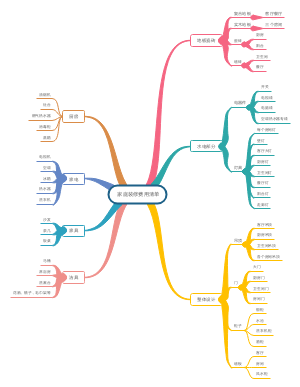
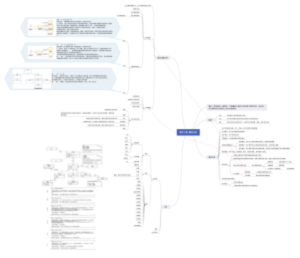
Floors 楼板
function 作用
Divide the upper and lower floor spaces 分割上下楼层空间
Load- bearing number in horizontal direction 水平方向上的承重构件
bearing the floor load and self-weight and pass the load into walls or volumes 承受楼面荷载及自重并把荷载传递给墙或柱
composition 构成
surface layer 面层
1.easy to clean 易清洁 2.wear resistance 耐磨 3.water- tolerance 耐水 4. Decorative effect 装饰作用
structural layer 结构层
function 作用
1.bear the load and pass the floor load 承受并传递楼面荷载 2. Supporting walls 支持墙体
requirements 要求
1.enough strength 足够的强度 2. Durability 耐久性 3.sound insulation and fire-resistance 隔声,防火 4.stiffness 钢度
ceiling layer 顶棚
functions
1.cover the lower floor slab 遮盖楼板下部 2.protect floor slab 保护楼板 3.decoration 装饰作用
classification 分类
wooden floor slab 木楼板
Arch brick floor slab 拱砖楼板
reinforced concrete floor slab 钢筋混凝土楼板
Classified by construction method 按照构造方法分类
Cast-in-place reinforced concrete floor slabs 现浇钢筋混凝土楼板
Advantages 优点
1.high stiffness 刚度大 2.Good integrity 整体性好 3.Strong shock resistance 抗震性强 4.Flexible plane form 平面形式灵活
disadvantages 缺点
1. Need large amount of framework需要大量模板 2.many processes 作业量大 3.long construction period 工期长
classified by construction method 按构造方式分类
slab type floor slabs : 板式楼板
One-way slabs 单向板
1.A plate supported along two pairs of sides 沿两对边支撑的板 2. The ratio of long and short side is larger or equal to 3 长短边之比>=3
two- way slabs 双向板
The ratio of long and short side is less than 2 长短边之比<2
Cantilever slabs 悬壁板
A slab with only one side fixed to the main building 只有一边固定在主题建筑上的板
Advantages and uses 优点和用处
The bottom is flat, which is easy to support the framework. 底面平整,便于支模施工 Be suitable for small plane size room (such as kitchen,toilet ), floor and canopy board, sun visor 适用于平面尺寸较小的房间(如厨房,厕所)楼板及雨棚、遮阳板等。
beam-slab type floor slabs 梁板式楼板
single beam floor slabs 单梁式楼板
A beam is arranged in one direction, and the beam is directly supported on the wall 仅在一个方向上设梁,梁直接支撑在墙上
uses 用途
Suitable for teaching building and offices 适用于教学楼,办公室等建筑
double beam floor slabs 双梁式楼板
composition 构成
1.slabs 板 2.main beam 主梁 3.secondary beam次梁
Uses 用途
Be used to the rooms with large breadth, depth and floor load, such as teaching building、offices、stores 当房间的开间,进深较大,楼面承受的荷载较大时,常采用双梁式楼板,如教学楼,办公室,商店。
Beamless floor slabs 无梁式楼板
classification
No column cap 无柱帽
column cap 有柱帽
Improve the anti-punching ability of the floor slab at the top of the column and reduce the span of the floor slab 提高柱顶处楼板的抗冲切能力,减小楼板的跨度。
advantages and uses 优点和用途
advantages:The bottom is flat, the visual effect is good, the ventilation and lighting is good, the indoor effective space is large 地面平整,视觉效果好,通风采光好,室内有效空间大
uses: Often used in multi-storey civil buildings, such as shops, warehouses, factories 常用于多层的民用建筑中,如商店,仓库,厂房。
Cast-in-place hollow floor slabs 现浇空心楼板
Advantages:The floor weight is reduced, the span is increased, the amount of concrete is reduced, the storey height is reduced, and the sound and heat insulation effect is improved 楼板自重减轻,跨度增大,混凝土用量减少,层高降低,隔音和隔热效果得到改善
Well-shaped floor slabs 井字楼板
characteristics特征:The beams in both directions, regardless of primary and secondary, have the same section and are well shaped 两个方向上的梁不分主次,截面相同,呈井字形
Advantages: 优点
The bottom structure is neat and decorative, which is conducive to improving the clearance height of the house 底部结构整齐,装饰性强,有利于提高房屋的净空高度
uses用途: Generally used in public buildings foyer and hall type room, meeting rooms, restaurants, auditoriums, dance halls. 一般多用于公共建筑的门厅和大厅式的房间,会议室,餐厅,小礼堂,歌舞厅。
Prefabricated assembled reinforced concrete floor slabs 预制装配式钢筋混凝土楼板
the types of prefabricated slabs
Solid slab 实心平板
Advantages 优点:easy to make and the cost is low 制作简单造价低
Disadvantages缺点:poor sound insulation, small span 隔声差,跨度小
uses用途:Often used for small span walkway Gully cover, shelf, balcony railing 常用于跨度小的走道板,管沟板,搁板,阳台板。
Troughslab 槽形板
positive trough slab 正槽板:
advantages优点:reasonable force受力合理
Disadvantages缺点:poor sound insulation effect and need ceiling layer 隔声效果差需要吊顶层
Uses用途:It is often used in rooms with low visibility or suspended ceilings 常用于观瞻性不高或做吊顶的房间
reverse trough slab 反槽板
advantages优点:good sound and heat insulation effect 隔声,保温隔热效果好
disadvantages缺点:unreasonable force 受力不合理
uses用途:
For buildings with special sound insulation, heat preservation and insulation requirements 用于有特殊隔声,保温隔热要求的建筑
Hollow core slab 空心板
advantages优点:The surface of the board is smooth, the ground and ceiling are easy to handle, and the effect of sound insulation and heat insulation is good 板面平整,地面及顶棚容易处理,隔声保温隔热效果好
Disadvantages缺点:can't open any holes 不能任意开洞。
uses 用途:Used for industrial and civil building floor and roof panels 用于工业和民用建筑楼板和屋面板
Sandwich slab 夹心板
function功能:heat preservation 保温 load-bearing 承重 Waterproofing 防水
uses用途:roof panels 屋面板
arrangement form布置方式
slab type structure 板式结构:the slab is put the wall directly. 板直接搁置在墙上
beam- slab type structure 梁板式结构:slabs is placed on the beam and the beam is placed on walls or columns.板被放在梁上,梁被架在墙或柱上。
side seam structure 侧缝构造
V-joint
U- joint
concave joint
Assembled monolithic reinforced concrete floor slabs 装配整体式钢筋混凝土楼板
advantages优点:good integrity,saving framework,fast construction speed 整体性好,节省模版,施工速度快。
uses用途:residence, teaching building,hotel,offices,hospital 住宅,教学楼,宾馆,办公室,医院。
Molded steel plate and concrete composite floor 压型钢板与混凝土组合楼板
advantages优点:Large bearing capacity, good steel and stability 承载力大,钢度和稳定性好
Disadvantages缺点:Large consumption of steel, the bottom of the board to do fire- resistancetreatment 耗钢量大,板底要做防火处理
uses用途:Suitable for large space and high-rise steel structure buildings 适用于大空间和高层钢结构建筑
Floor waterproofing 楼板防水
structural layer: should use cast-in-place reinforced concrete floor slabs 应该使用现浇钢筋混凝土楼板
surface layer面层: The surface layer should be made of materials with good waterproof and good integrity, such as cement mortar, now watering millstone, ceramic tile, etc. 面层应选用防水性能好、整体性好的材料,如水泥砂浆、现浇磨石、瓷砖等
waterproof layer防水层:
Waterproof layer can choose waterproof mortar, waterproof coil or waterproof coating and other materials, generally set between the structural layer and the surface layer, and extend 100~150mm upward along the surrounding wall, extending outward not less than 250mm at the entrance of the door. 防水层可选用防水砂浆、防水卷材或防水涂料等材料,一般设置在结构层与面层之间,沿四周墙体向上延伸100~150mm,在门洞入口处向外延伸不小于250mm。
Formation waterproofing 地层防水