is to assist management in planning and controlling the resources of their organisation by providing appropriate control information
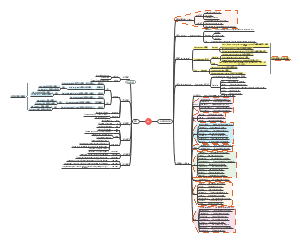
The importance of motivation
Behavioural problems
The managers who set the budget are not responsible for achieving it
Poor attitudes when setting the budget
Poor attitudes when putting plans into action
Control is applied at different stages by different people
Goal congruence
when individuals make decisions that are in their self-interest and also in the best interest of the organisation.
Dysfunctional decision-making
Participation in budgeting
Top-down/imposed style budgeting
An imposed/top-down budget is set without allowing the budget holder to have the opportunity to participate in the budgeting process.
appropriate in
In newly formed organisations
During times of economic hardship
When operational managers lack budgeting skills
Bottom-up/participative budgeting
ensures all budget holders are given the opportunity to participate in setting their own budgets.
Advantages
Staff doing the work have the most accurate knowledge of operations
More achievable targets based on local knowledge
Morale and motivation improved as people are working towards their own budgets
Reduces the work load of top management
Disadvantages
Staff may set targets that are too easy and lack consistency (budgetary slack)
May never get agreement if too many conflicting views
Staff may lack skills/knowledge required
Performance evaluation
The key features of feedback
Clear and comprehensive reports
Reports identify controllable costs and revenues
Timely reports (eg so control action can be taken)
Style of evaluation Comment
Controllable vs uncontrollable costs
Managerial incentive schemes
Profit sharing schemes
Advantages
The company will only pay what it can afford out of actual profits.
Bonus can also be paid to non-production personnel.
Disadvantages
Employees must wait until the year end for a bonus(ie long-term commitment without the incentive of immediate reward).
Factors affecting profit may be outside the control of employees.
Too many employees involved in a single scheme may not have a great motivating effect on individuals.
Incentive schemes involving shares
Advantages
Employees feel they have a stake in the business.
·May offer incentive to employees to make decisions that focus on long-term benefits (rather than just short-term profits)
Disadvantage
·Benefits are not certain as the market value of shares cannot realistically be predicted.
·Benefits are not immediate, as a scheme must be in existence for several years before members can exercise their rights.
Value added incentive schemes
Value added=sales-cost of bought-in materials and services.
excludes any bought-in costs, and is affected only by costs incurred internally, such as labour.