导图社区 Consent
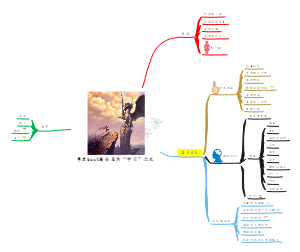
cosent的思维导图,分享了Introduction、Components of informed consent、Exceptions、Application to case.
编辑于2023-09-10 18:24:52Consent
Introduction
Define
The plaintiff’s consent to the alleged trespass is a total defence to a claim. Consent may be given expressly by words or be implied from conduct. A person is deemed to consent to a reasonable degree of physical contact as a result of social interaction
purpose
1. set out key underlying legal principles relevant to consent
2.ensure there is a consistent approach in seeking and documenting consent to treatment across the WA health system
3.support a collaborative healthcare culture that encourages patients and their families to ask questions, be presented with information about treatment options (including to take no action), have their choices heard and respected by health practitioners and involve their family/loved ones in discussions as they choose.
Governed by
Electronic Transactions Act 2011
Mental Health Act 2014
Guardianship and Administration Act 1990
Human Tissue and Transplant Act 1982
Children and Community Services Act 2004
Commonwealth Family Law Act 1975
Civil Liability Act 2002
Type of consent
Express
Verbal
Written
Explicit consent form
must be obtained and recorded in writing before proceeding with any of the following treatments (other than in an emergency) requiring general, spinal, epidural or regional anaesthesia and intravenous sedation
Surgical
Medical
Obstetric
Oncology
Endoscopy
Dental
Radiology
Mental health
Generic consent form
Patient consent to treatment – adult or mature minor
Consent for a minor requiring parental/guardian
Audltes without the capacity to consent
Patient consnet to anaesthesia
Blood and blood products
Duration of consnet
Till patient withdraw
The proposed treament in nolonger appropriate due to change in a patient's circumstances
12 months for blood transfusion
Implied
Components of informed consent
Voluntary
The decision must be made by the patient themselves
Must not be unduky influenced by heath professionals, friends or family
Informed
The patient must receive sufficient information about the proposed treatment to enable them to make an informed decision
Introduction
Introducing yourself
An explanation of the patient’s condition and diagnosis (including any uncertainty in the diagnosis and prognosis)
Name of the advised treatment
Explaning
Nature and purpose of the treatment
Benefits and risks of treatment
The likely outcomes of the proposed treatment
Outcomes which are inevitable if the proposed treatment is performed
The likely consequences of delaying or not choosing to have the proposed treatment
Any follow-up treatment or care which may be required
The risk that no benefit will be achieved or that the condition will deteriorate after the treatment
Aternatives
Other options for treatment
May include their risks and benefits too
Consequences of refusing the treatment
the patient’s right to refuse or withdraw their consent at any time prior to the treatment
risks and benefits of delaying or not receiving the proposed treatment
any short or long term side effects of the proposed treatment (including emotional, physical, psychological, social and sexual effects)
material risks inherent in the proposed treatment
Capacity
Given by a patient who has capacity (see Glossary) to understand the information presented to them and to make a decision. Capacity may be diminished by illness, age, medication, drugs and alcohol (amongst other things)
Patients with low English proficiency or special needs
Patients may require language services such as interpreting and translations. If an interpreter is used, the interpreter’s declaration within the consent form must be completed or be documented elsewhere within the medical record.
Current
Consent must be reviewed if, after consent was obtained, the patient’s circumstances (including treatment options and risks) have changed
covers the treatment to be performed
Treatment provided must fall within the scope of consent that has been given by the patient.
Exceptions
No Consent
Emergency
Life threatening situation
Possible serious health impairment
No Advance Health Directive or Common Law Directive that is known, immediately available and applicable in the circumstances
1. No capacity to mask decision
2. Unable to give consent
Emergency psychiatric treatment
Consent from others
Minors
Under 18 yeras old
Some laws specify that treatment either may be provided, or must not be provided, regardless of whether the patient, or person authorised to make treatment decisions on their behalf, has provided consent.
If a health professional believes that a treatment decision made by a parent or substitute decision maker is not in the child’s best interest, this should be referred for legal assistance (see Glossary) as necessary.

The Enduring Guardian with authority decides
Minor's wishes have ti be considered
Must act in the best interest of the minor
Incompetence
adult patients lack capacity to provide consent themselves
health professionals are required to ascertain whether the patient has made: a formal Advance Health Directive (AHD) which covers the decision to be made or a common law directive that covers the decision to be made.
yes
The State Administrative Tribunal (SAT) can make a declaration that the AHD is valid (or invalid). Where there has been no application to SAT for a declaration of validity the AHD may still be persuasive as a common law directive, depending on the circumstances. Treatment should be provided in accordance with decisions expressed in AHDs and generally ‘persons responsible’ cannot override these decisions.
no
If an AHD doesn’t cover the treatment decision to be made, then a ‘persons responsible’ should be identified.
Hierarchy of decision makers for treatment decides
Treatment of patients with mental illness
Voluntary mental health patients
Involuntary mental health patients and mentally impaired accused
The law either permits or forbids treatment and consent is immaterial
Some laws specify circumstances in which treatment either may be provided, or must not be provided, regardless of whether or not consent has been provided by the patient or a person authorised to make treatment decisions on their behalf.
Court order
Application to case
who
Elliot ( patient)
14-year-old boy
conscious and responsive to questions
has pexpressed dissenting views from parents' religious beliefs
wants doctor to give him a blood transfusion without telling his parents
Elliot's parents
Jehovah's Witnesses
Refused blood prooducts based on their religious beliefs
Give consent for surgery
Doctor
Registered Nurse
Challenges and issues
Religious Beliefs: patients and parents may have religious beliefs that influence their treatment decisions
Minor's Dissent: Note that Elliot, being 14 years old, has expressed dissenting views from his parents' religious beliefs
Link to informed consent and consnet from others
Explain that informed consent involves providing the patient with information about the procedure and its risks, benefits, and alternatives.
Highlight that patients have the right to make decisions about their care, including the right to accept or refuse treatment.
Mention that in the case of minors, parents or legal guardians typically provide consent
Where
Hospital
What happended
Elliot was hitted by a car
Healthcare team suspect Elliot has a rupturned spleen
Elliot needs a surgery and a blood transfusion before surgery
Best practices
Communication: Emphasize the importance of open and honest communication with the patient.
Respect for Autonomy: Highlight that respecting Elliot's autonomy is crucial, especially considering his dissent