导图社区 Literary Translation
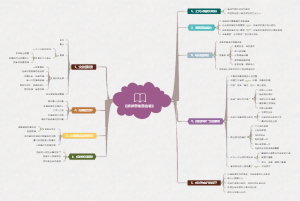
Literary Translation的思维导图,“Translating was essentially an instrument of criticism”
提示: 本内容由社区用户上传并分享。平台不对内容的真实性、合法性、知识产权归属及是否侵害第三方权利进行事前审核或保证。本内容可能包含受版权保护的图片、字体或其他第三方素材,使用前请自行确认授权范围。
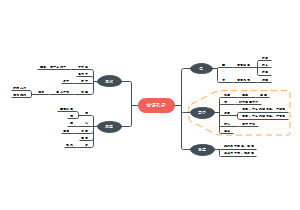
这是一篇关于《翻译美学》刘宓庆的思维导图,包含翻译的艺术性、翻 译学的美学渊源、翻译的审美客体、 翻译的审美主体、 翻译的语言审美价值论等。
这是一篇关于马原的思维导图,主要内容有导论、马克思主义哲学、马克思主义政治经济学、科学社会主义。
社区模板帮助中心,点此进入>>
论语孔子简单思维导图
《老人与海》思维导图
《钢铁是怎样炼成的》章节概要图
《傅雷家书》思维导图
《西游记》思维导图
《水浒传》思维导图
《童年》读书笔记
《这样读书就够了》读书笔记
《把时间当做朋友》读书笔记
《拆掉思维里的墙》读书笔记
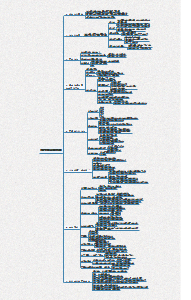
Chapter 5 Literary Translation
Rat Poison to Ted Hughes
The search for a definition of literary translation
What makes literary translation special? The criteria remains unclear and haphazard.
General reference works on translation
Reference works devoted to specifically to literary translation into English
Today definitions of literature tend to be functional and contingent rather than formal or ontological.
The recognition accorded to literary translation by comparatists
New issues: The acceptance of translation as legitimate objects of study in the first place by the literary studies community
The three successive Reports on Professional Standards
The need for “some access to all the original languages involved”
Called on teachers to work with original texts
Translation was held up as “a paradigm for larger problems of understanding and interpretation across different discursive traditions.”
Susan Bassett proposed translation studies as the principal discipline with comparative literature as a valued but subsidiary subject area.
Several things brought about the change in attitude
Globalization
Hermeneutics
Comprehending Transalting
The Practical workshop
“Translating was essentially an instrument of criticism”
Translation as a means probing the meaning of complex.
Strength: Hands-on experience of translating
Two lines
Testimonies by practicing translators
Translation is driven by communicative intent
Reading and translating are intensely personal acts of self-discovery and self-expression.
Approach translation from the translator’s point of view
Translation as constant decision-making
The successive mental stages of the translator at work
An ethic of centrifugal rather than ethnocentric translation(allow the foreignness of foreign texts )
Translation criticism and eventually history
The goal of detailed comparison of texts shifted from judgemental criticism to the historical embedding of texts
Andre Lefevere highlighted the role of poetics and of ideological factors and institutional control
Even-Zohar’s poly system theory
Translation came to be seen as helping to shape cultural identities
Linguistic Signitures
Early linguistically-inspired studies of literary translation concentrated on the semantic inaction of form and on literary form as deviant usage.
Recently: corpus studies and critical linguistics
corpus studies
Goal: search for universals
Stylistic investigation
critical linguistics
Halliday’s functional grammar
Functioning contexts(1970s-1980s)
Skopos theory
They view translating as goal-directed action
Descriptivism
Focused on the outcomes of translator’s actions and decisions, namely, products
Translation norm, translation poetics
Interventionism
Post-structuralist
Gender
Post-colonial theory
Ethical considerations
Antoine Berman and Lawrence Venuti