导图社区 Management of quality
Management of quality 英文版本的marketing课期末复习笔记。
市场营销 期末复习资料 一部分的知识点整理
社区模板帮助中心,点此进入>>
安全教育的重要性
个人日常活动安排思维导图
西游记主要人物性格分析
17种头脑风暴法
如何令自己更快乐
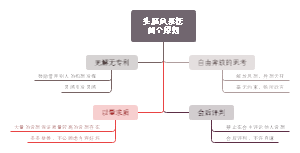
头脑风暴法四个原则
思维导图
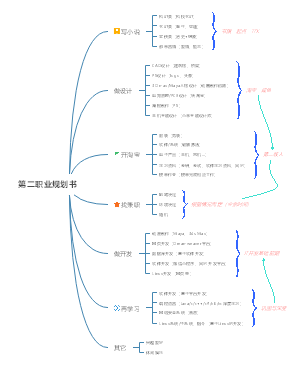
第二职业规划书
记一篇有颜又有料的笔记-by babe
伯赞学习技巧
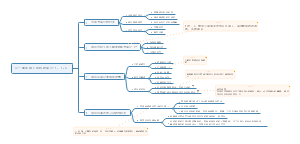
CH 9 Management of quality
What is quality
Quality control is monitoring, testing, and correcting quality problems after they occur.
Quality assurance is providing confidence in a products quality by preventing defects before they occur.
Evolution of Quality Management
Pre-Industrial Revolution
Craftsmanship: each craftsman responsible for quality.
Industrial Revolution
Division of labour: quality control shifts to full time inspectors
1950s
quality assurance
1970s
quality management systems
1980s
TQM, continuous improvement
Today
Six Sigma, statistical tools
Dimisions of quality
Quality of goods
Performance
Aesthetics
Special features
Conformance
Reliability
Durability
Serviceability
Service Quality
Tangibles
Convenience
Reliability/ Consistency
Responsiveness
Time
Assurance
Courtesy
Determinants of Quality
Product design
Intention of designers to include or exclude features that customers require
Process design
Translating product characteristics into process specifications and tolerances
Production
The degree to which goods or services conform to design specifications
Benefits of Good Quality
Costs of Quality
Internal Failure Costs
Fixing problems during production
External Failure Costs
fixing problems after delivery to customer
Hidden Costs of Quality
The Quality Gurus
Quality Certification
ISO 9001
Set of international standards on quality management and quality assurance, critical to international business
ISO 9001 Elements
System Requirements
Management Responsibilities
Resource Management
Product Realization
Measurement, Analysis, and Improvement
ISO 9001 Activities
ISO 14000 is a family of standards related to environmental management
Mgmt Systems
Operations
Environmt’l Systems
Hazard Analysis Critical Control Point (HACCP)
A quality control system, similar to ISO 9001, designed for food processors
Deals with food safety (biological, chemical, and physical hazards)
Main steps:
Hazard Analysis
Determination of the Critical Control Points
Creation of the HACCP Plan
National Quality Institute (NQI)
Canada Awards for Excellence (CAE)
Total Quality Management (TQM)
Continuous Improvement: make never-ending improvements to critical processes
Data driven
Employee empowerment: Giving workers responsibility and training
Team Approach
Suppliers: encourage partnership and long term relationships
Fail-safing: designing in elements that prevent errors
The TQM Approach
1. Find out what the customer wants
2. Design a product or service that meets or exceeds customer wants
3. Design processes that facilitates doing the job right the first time
4. Keep track of results
5. Extend these concepts to suppliers
problem solving
Basic Steps in Problem Solving
Define problem and establish improvement goals
Define measures and collect data
Analyze the problem
Generate potential solutions
Choose a solution
Implement the solution
Monitor solution to see if goals are accomplished
Six Sigma
Statistically
Having no more than 3.4 defects per million
Conceptually
Program designed to reduce defects
Requires the use of certain tools and techniques
Process
Basic Quality Tools
Check Sheet
Pareto Analysis
Control Chart
Cause-and-Effect Diagram
Run Chart
Methods for Generating Ideas
Brainstorming
Technique for generating a free flow of ideas in a group of people
Quality Circles
Groups of workers who meet to discuss ways of improving products or processes
Interviewing
Technique for identifying problems and collecting information
Benchmarking
Process of measuring performance against the best in the same or another industry
The 5W2H Approach
A method of asking questions about a process/problem that include what, why, where, who, how, and how much
Reaching Consensus
List reduction
Clarify and eliminate options
Balance Sheet
List pros & cons
Paired Comparisons
Select preferred item from 2 at a time