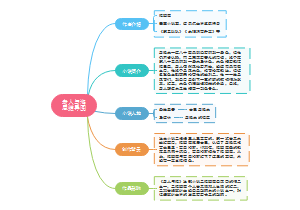
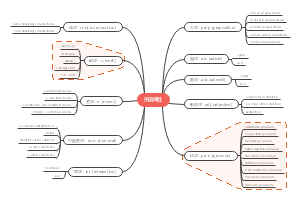
a 和an 的区别:a+辅音音素字母前,an+元音音素字母前,元音字母--a e i o u
常用a+university,useful,uniform,European,usual
常用an+egg,apple,orange,English,hour,empty,idea,eraser,honest,elephant
easy,old,umbrella,ancientart,MP4,E-mail,unusual,unhappy
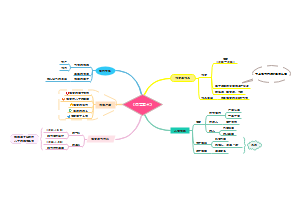
不定冠词的用法
1. 当第一次提到的人或物,并非指特指,用a/an起介绍作用。
He is a teacher.
She is working in a factory.
2. 泛指人或事物的类别,相当于”a kind of".
A plane is a machine that can fly.
A child needs love.
3. a/an用于表示时间、速度、价格等意义的名词前,表示“每一”相当于“every”
He works ten hours a day.
The train is running eighty miles an hour.
4. a/an用于说明事物的同一性质、特征、程度、大小,表示“相同”之意
be of a/an+名词=the same
They are all of a size.
We are nearly of an age.
5. a/an用于人名前,表示“类似”或者“某一个”
A Mr. Smith came to visit you when you were out.
He wishes to become a Newton.
6. a/an用于形容词最高级前无比较含义。
This is a most useful book.
7. a/an用于序数词前,表示“再”
Please give me a second chance.
8. 常用短语:a few 几个 a little 有一点 a long time 很长时间
many a time 许多次 once upon a time从前
an hour or two 一两个小时 in a hurry匆忙 all of a sudden突然
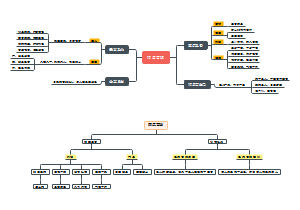
不定冠词的位置
1. 不定冠词a/an一般放在名词词组前面
2. 名词词组里如果有如果有many,such,what,half等修饰时,不定冠词要放在这些词后面
eg: many a girl what a film half a month such a nice man
3. 形容词前有as,so,too,how,however等修饰词时,不定冠词须放在形容词后面,名词前面
eg: How large a room do you live?
4. 在形容词比较句中,不定冠词位于形容词之后
eg: This is more complex an idea than the others he has presented.
5. 副词quite和rather可置于不定冠词之前,也可置于不定冠词之后,位于之前时语气比较强,位于之后时语气比较弱
eg: That is quite a sudden change.这一变化相当突然。
That is a quite sudden change.这一变化有点突然。
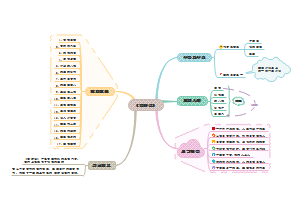
零冠词
定义:名词前面不用冠词的情况叫做零冠词
零冠词的用法
1. 专有名词前不用冠词
China America Beijing
2. 泛指的抽象名词和物质名词前不加冠词
eg: What would you like to drink,beer or coke?
3. 名词前已有限定词,如:this your some Tom's等 不能加冠词
eg: This book is very interesting.
4. 表示某一类人或事物的复数名词前不能用冠词
eg: Computers can't think for themselves.
5. 在星期 月份 季节和由 day构成的节日前不用冠词
eg: We always go to the beach in summer.
6. 在表示三餐饭和球类运动的名词前不加冠词
eg: We always have supper at home.
7. 在语言 学科名称前不用加冠词
eg: We study maths,Chinese,history and so on at school.
8. 在称呼语或表示头衔和职务的名词前不用加冠词
eg: He has been made monitor of the class.
9. 名词词组中表示对比含义或习惯上省略冠词
eg: husband and wife brother and sister day and night hand in hand
词组中,有冠词与没冠词的区别
1. in hospital因病住院
in the hospital在医院(看病人/工作)
2. in front of 在...前面(外部)
in the front of 在...前面(内部)