导图社区 Unit 4 I have a pen pal
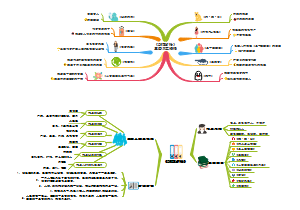
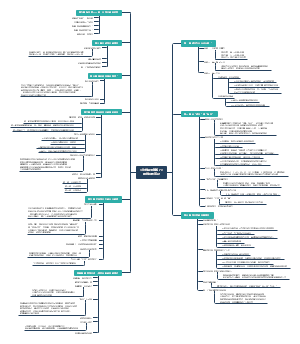
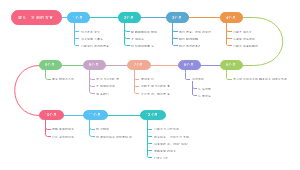
六年级上册英语PEP版第四单元思维导图,如在一般现在时的肯定句中,当主语是第三人时,要把句中的谓语动词变为相应的第三人称单数形式,这、这样主语和谓语才能保持一致。
提示: 本内容由社区用户上传并分享。平台不对内容的真实性、合法性、知识产权归属及是否侵害第三方权利进行事前审核或保证。本内容可能包含受版权保护的图片、字体或其他第三方素材,使用前请自行确认授权范围。
Unit 4 I have a pen pal
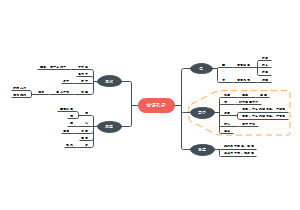
句型
1. 询问某人爱好的问句及其答语
【句型结构】 问句:What are sb. ' s hobbies? 答语:主语+ like /likes+动词-ing形式(+其他) 例:-What are Peter' s hobbies? 皮特的爱好是什么? -He likes reading stories. 他喜欢读故事。 例:-What are yourhobbies? 你的爱好是什么? I like swimming and dancing. 我喜欢游泳和跳舞。
【知识拓展】 like后可以接名词,也可以接词-ing形式,表示“喜欢做某事”。 例:He likes sports. 他喜欢运动。 He likes playingsports. 他喜欢做运动。
2.由do/does引导的一般疑问句及其答语。
【句型结构】 答语:Yes,主语+do/does./ No, 主语+don't/doesn't 例:-Does he live in Sydney? 他住在悉尼吗 -No,he doesn't. 不,他不住在悉尼。 -Does your mother go to work by bus? 你妈妈乘公共汽车去上班吗? -Yes, she does. 是的,她乘(公共汽车)。 -Does Mike read newspapers every day? 迈克每天都看报纸吗? -No, he doesn't. 不,他不(每天看报纸)。 -Do you like the red dress?你喜欢这条红色的连衣裙吗? -Yes, I do. 是的,我喜欢。 【句中的主语he属于第三人称单数形式,所以助动词要用does.】
【注意】由do/does 开头的一般疑问句,后面动词要用原形。
3.询问他人是否喜欢做某事的问句及其答语:
【句型结构】 问句:Does+主语(第三人称单数)+like+动词-ing形式(+其他)? 答语:Yes, he/she does. , he/she doesn't. 例:-Does he like doing word puzzles and going hiking? 他喜欢猜字迷和去远足吗? -Yes, he does.是的,他喜欢。
【注意】like后接动词-ing形式,表示喜欢做某事。
4.用来表达某人对某事/物感兴趣的句子。
【句型结构】 主语+ be interested in + sth. 例: I'm very interested inAustralia, and I'm learning English. 我对澳大利亚非常感兴趣,并且我正在学习英语。 ● interested是形容词词,意为“对.... 感兴趣的,有兴趣的”, 常用来形容人 例:He is interested in English. 他对英语感兴趣。 ● interesting意为“有趣的,让人感兴趣的”,常用来形容物 例:The book is veryinteresting.这本书非常有趣。
【知识拓展】 1. 英语中常用的几种表建议的句型: (1) Why not?/ Why not+数词原形十共他?/ Why don't you+词原形+共他? Why not go there? = Why don't you go there? 你为什么不去那里呢? (2) Let's+词原形+其他 例: Let' s play footballtogether. 让我们一起踢足球吧 (3)What/ How about+名词/动词ing形式(+其他)? 例:What/ How aboutgoing fishing? 去钓鱼怎么样? (4) Shall we / I+动词原形(+其他)? 例:Shall we meet at the schoolgate? 我们在校门口见面好吗? (5) Would you like+名词/动词不定式(+其他)? Would you like somerice? 你想要一些米饭吗? Would you like to havesome apples? 你想吃一些苹果吗?
动词第三人称单数 形式的变化规则
在一般现在时的肯定句中,当主语是第三人时,要把句中的谓语动词变为相应的第三人称单数形式,这、这样主语和谓语才能保持一致。
一般情况下,直接在动词词尾加-s run- runs, look-looks, see- sees , say- says, play-plays 以-s,×,o,-sh,-ch结尾的动词,一般在词尾加-es teach-teaches, go- goes, fix- fixes wash-washes, pass-passes 以辅音字母加y结尾的动词,先变y为 i, 再加-es study-studies, try-tries 在一般现在时中,当主语是第三人称单数时,谓语动词也要使用相应的第三人称单数形式。
第三人称单数主语归纳如下:
人称代词:he,she,it 单个人名(如Amy)、地名或称呼语(如 MissWhite)。 可数名词单数(如dog)或" this / that / the+可数名词单数”或不可数名词(如milk). 指示代词 this, that 或不定代词someone, somebody, nobody, everything, something等。
写作
主题写作;介绍笔友的特征及爱好 模板: 1、开头:交代人物的身份I have a new pen pal.His/Her name is+姓名。 中间:1、年龄He/She is+数字+year(s)old. 2、外貌He/She is+表示高、矮、胖、瘦的形容词。He/She has+描述外貌特征 的词组. 3、性格He/She is+表示性格特点的形容词. 4、爱好He/She likes+动词的-ing形式.He/She usually+动词(短语)灬 5、结尾:评价人物或抒发对人物的情感What a/an+形容词+boy/girl! I like him/her verymuch.
范文 Li Ying's Hobbies Li Ying likes English very much.She works hard at it She reads English everymorning.She likes speaking English She likes listening to the radio,too.She watches TV only on Saturday evening. Does she like cooking Chinese food? No she doesn'tShe likes doing word puzzles.She doesn't like playing basketball.Her parents Iove her All the teachers love her,too.She says her hobbies make her happy.
反义词和对应词
反义词:get on(上车)----get off(下车) near(近的)----far(远的) left(左)----right(右) fast(快的)----slow(慢的) because(上车)----why(上车) same(相同的)----different (不同的) here(这里)----there (那里) east(东)----west(西) north(北)----south (南) 近义词:see you----goodbye (再见) sure----certainly----of course(当然)
短语搭配
have to不得不 get…from…,从……得到…… reading books读书 read stories 读故事 do kung fu练功夫 play sports 进行体育运动 sing English songs 唱英文歌 fly kites放风筝 on a farm在一个农场里 write an e mail to给……写封电子邮件 on the playground在运动场上 live in住在…… play basketball 打篮球 play football 踢足球 go (goes) to work去上班 go (goes) to bed睡觉 go (goes) home回家 teach(teaches) English教英语 read (reads) newspapers读报纸 study Chinese 研究中文 cook Chinese food 做中国食物 pen pal笔友 go hiking 远足 do word puzzles 猜字谜 playing (play)sport 做运动 riding a bike(ride)骑自行车 watch (watches)TV看电视 playing the pipa(play)弹琵琶 listening to music (listen )听音乐 climbing mountains(climb)爬山 drawing pictures(draw)画画 =painting (paint)
单词
hobby爱好 ride a bike骑自行车 dive跳水 play theviolin拉小提琴 make kites制作风筝 collect stamps集邮 live居住 teaches教 Watches观看 goes去 does doesn’t=does not city 城市 county 国家或者乡村 province 省
动词的用法
live 的用法
live是不及物动词,后面不能直接跟宾语,要表示住在什么地方时,其后要加介词,再跟地方名词。live后面跟的介词,要根据后面的地点名词来决定。 例:I live in Shanghai.住在上海。
live 后面接here,there 等地点副词时,不加介词。 例:She lives here with her grandparents. 她和他的祖父母住在这儿。 They live there. 他们住在那里。 My pen pal lives on afarm. 我的笔友住在一个农场里。 My grandma lives nearthe sea. 我奶住在海边。
shall的用法
shall是一个情态词,表示“将要;应要”,语气比较委婉。在疑问句中常与I或We连用,表示征询对方的意见,意思是“……好吗?“要不要……? 例: Shall we begin now? 我们现在开始好吗? Shall we go to thecinema by bus? 我们乘公共汽车去电影院好吗?
share的用法
share意思是“分享”。 在英语口语中经常用到,外国人特别喜欢分享, 更看重分享的品质。 share sth with sb与某人分享某物 例:We don't have enoughbooks, so we need to share. 我们的书不够,所以得合着用。
teach的用法
teach sb. to do sth. 教某人做某事 例:Mr Wang teaches students to do this experiment. 王老师教学生做这个实验。
teach后面跟双宾语,其中指物的宾语叫直接宾语,指人的宾语叫间接宾语。 例:My father teaches usEnglish爸爸教我们英语。 Our teacher teaches us some new songs. 我们的老师教给我们一些新歌。
have to的用法
have to: 必须;不得不. 表示客观上的要求。 【句型结构】 主语+ have to+动词原形+其他 例:We have to go there.我们不得不去那儿。(本身不愿去,但客观要求必须去) Every day the squirrels have to give the Monkey King gifts. 松鼠们每天不得不送给猴王礼物。
表示主观上的必须,一般用“must",“must”'也表示命令。
语法(一般现在时)
一般现在时的用法
一般现在时表示经常发生的动作、存在的状态或现阶段的习惯以及客观存在的普遍真理等,常与 often, usually, sometimes, every day, always,on Sundays等连用。
一般现在时的形式
含有be动词的句子
a. 肯定句: 主语+be词(am / is / are)+其他 例:I am tall. 我很高 He is my father他是我的父亲。 They are new students.他们是新来的学生。
b. 否定句:主语+be动词(an/is/are)+not+其他 例:She is not a nurse. 她不是护士。 We are not in the sameclass. 我们不在同一个班级。
c. 一般疑问句: Be动词(Am/Is/Are)+主语+ 其他? Is your mother ateacher? 你妈妈是老师吗? Are you Mike? 你是迈克吗?
含有实义动词的句子
a. 肯定句: 主语(不是第三人称单数)+动词原形+其他 I read English everymorning. 我每天早晨读英语。 主语(第三人称单数)+动词第三人称单数形式+其他 例:He usually goes toschool by bike. 他通常骑自行车去上学。 John has a new friend.约翰有一位新朋友。
b.否定句 主语(不是第三人称单数)+don’t+动词原形+其他 I don't play footballafter school. 我放学后不踢足球。 主语(第三人称单数)+ doesn't+动词原形+其他 Amy doesn't likeEnglish埃米不喜欢英语。
c.一般疑问句: Do+主语(不是第三人称単数)+动词原形+其他 例:Do you speakEnglish? 你说英语吗? Does+主语(第三人称单数)+动词原形+其他? Does she like music? 她喜欢音乐吗?