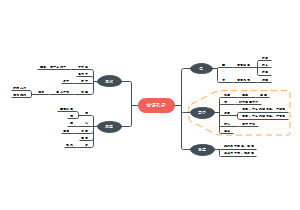
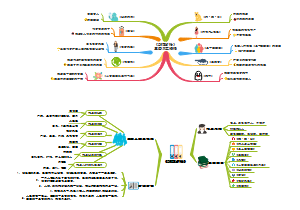
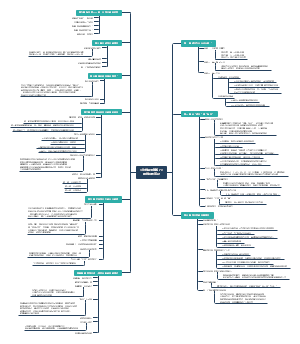
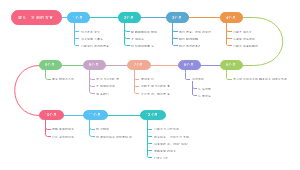
The relations between linguistic expressions and what they refer to in the real world and in evaluating the truth value of linguistic expression
psychologists
the workings of the human mind through language
semantics
the meaning of words, phrase, and sentences
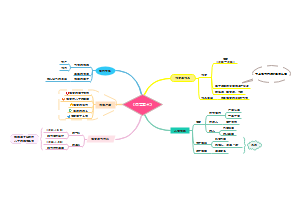
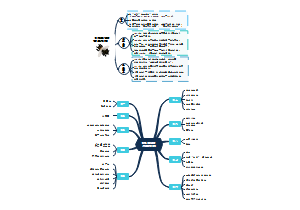
some views concerning the study of meaning
The naming theory(Plato)
Words are just names or labels for things
Problems with the naming theory
The theory seems applicable to announce only(V/Adj/Adv×,think,hard,slowly)
There are nouns in denoting things that do not exist in the real world at all(ghost,dragon,unicorn)
There are nouns that do not refer to physical objects but obstract notions(sadness, joy,impluse)
Some words may have different meanings in different contexts(like 喜欢/像)
The same reference may have different names(morning star/evening star)
The conceptualist view(Ogden&Richards)
problem
what exactly is meant by "thinking a concept"
Thought/reference(fur, a tail)
Contextualism(J.R.Firth)
two kinds of context
situational context
linguistic conext
model
speakerA-language-speakerB
Behaviourism(Bloomfield)
situation in which the speaker utterers it and the response it calls forth in the hearer
model
A sees an apple→A says"I am thirsty"→B hears it→B picks an apple for A
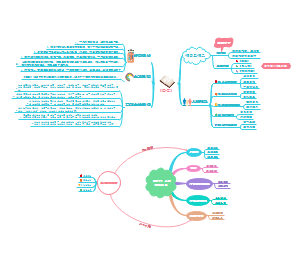
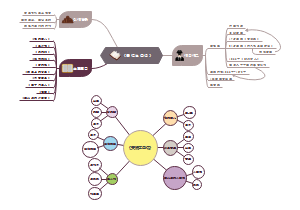
lexical meaning
sense&reference
sense:Inherent meaning of a linguistic form; the collection of all is feature; abstract and decontextualized(dictionary compliers)
reference:What a linguistic form refers to in the real physical world; the relationship between the linguistic elements and non-linguistic world of experience
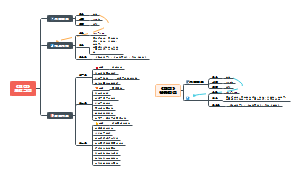
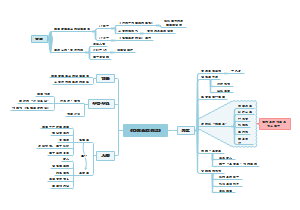
Major sense relations
Synonym
Dialectal synonyms
eg
autumn fall
stylistic synonyms
eg
dad father
synonyms that differ in their emotive or evaluative meaning