导图社区 人力资源管理导论(英文版)
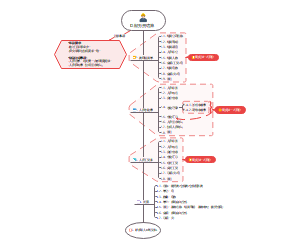
《人力资源管理导论》是由著名人力资源管理和组织管理专家加里·德斯勒所著。该书自出版以来,已被广泛认为是人力资源管理领域的经典之作,并被翻译成多种语言,在全球范围内广为传播。该书内容丰富,涵盖了人力资源管理的各个方面,包括导论、员工招募与配置、培训与开发、薪酬管理以及员工关系等,旨在为读者提供全面而深入的人力资源管理知识和实践指导。
编辑于2024-05-29 21:09:23人力资源管理导论

总介绍
人力资源管理定义
human resource management (HRM) The process of acquiring, training, appraising, and compensating employees, and of attending to their labor relations, health and safety, and fairness concerns.
战略人力资源管理
strategic human resource management Formulating and executing human resource policies and practices that produce the employee competen- cies and behaviors the company needs to achieve its strategic aims.
line manager A manager who is authorized to direct the work of subordinates and is responsible for accomplish- ing the organization’s tasks. staff manager A manager who assists and advises line managers.
战略
公司战略
corporate-level strategy Type of strategy that identifies the portfolio of businesses that, in total, comprise the company and the ways in which these businesses relate to each other.
Concentration
Diversification
Vertical integration
Geographic expansion
竞争战略
competitive strategy A strategy that identifies how to build and strengthen the business’s long-term competitive position in the marketplace
Cost leadership
Differentiation
Focuses
职能战略
functional strategy A department’s functional strategy identifies what the department must do in terms of specific de- partmental policies and practices to help the business accomplish its competitive goals.
Human Resources localization
工作分析
工作分析
job analysis The procedure for determining the duties and skill requirements of a job and the kind of person who should be hired for it.
Steps in job analysis 工作分析步骤
1、decide how you will use the information
2、reviews relevant background information
3、select representative positions
4、analyze the job
5、verify the job analysis information
工作说明书
job descriptions A list of a job’s duties, responsibili- ties, reporting relationships, work- ing conditions, and supervisory responsibilities—one product of a job analysis.
工作说明书
job identification
Job summary
Responsibility and duties
Authority of incumbent
Standards of performance
Working conditions
Job specification
任职资格要求
job specifications A list of a job’s “human require- ments,” that is, the requisite education, skills, personality, and so on—another product of a job analysis
人力资源规划
workforce (or employment or personnel) planning The process of deciding what positions the firm will have to fill, and how to fill them.
甄选
信度
Reliability The characteristic that refers to theconsistency of scores obtained by the same person when retested with the identical or equivalent tests.
效度
Validity tells you whether the test is measuring what you think it’s supposed to
管理考核中心
management assessment center A facility in which management can- didates are asked to make decisions in hypothetical situations and are scored on their performance.
The in-basket
The leaderless group discussion
Individual presentations
甄选面试
A selection interview is “a selection procedure designed to predict future job performance on the basis of applicants’ oral responses to oral inquiries.”
情景模式题
Situational questions focus on the candidate’s ability to explain what his or her behavior would be in a given situation
行为面试题
behavioral questions, you ask interviewees how they behaved in the past in some situation.
避免面试时的任务
How to Avoid Common Interviewing Mistakes several common interviewing mistakes often undermine an interview’s usefulness.
Snap Judgments
Negative Emphasis
Not Knowing the Job
Pressure to Hire
Candidate Order (Contrast) Error
Influence of Nonverbal Behavior
Attractiveness
Research Insight
Ingratiation
Nonverbal Implications
有效面试
How to Conduct an Effective Interview
Step1 design the interview
A first make sure you understand the job duties from the job
B compose questions based on job
C ues the same question without all candidates
D ues rating scales
E interview the candidate
F create a structured interview
Step2 review the candidate’s background
Step3 establishe rapport
Step4 ask questions
四要四不要
Don’t ask questions that can be answered yes or no Don’t telegraph the desire answer Don’t interrogate the applicant as if the person were a criminal Don’t monopolize the interview Do ask open-ended questions Do listen to the candidate Do draw out the application’s opinions Do ask for examples
Step5 close the interview
Step6 review the interview
培训与开发
员工培训
employee orientation A procedure for providing new employees with basic background information about the firm.
入职培训的目的
1 Make the new employee feel welcome and at home
2. Make sure the new employee has the basic information
3. Help the new employee understand the organization 4. Start socializing
培训
training The process of teaching new or cur- rent employees the basic skills they need to perform their jobs.
培训过程The ADDIE Five-Step Training Process
Analyze the training need
Strategic Performance Task
Design the overall training program
Setting learning objectives
Creating a motivation learning environment
Make the learning meaningful Reinforce the learning Make skills transfer obvious and easy
Develop the course (actually assembling/ creating the training materials).
外部购买
in-hasety development
Implement training, by actually training the targeted employee group using methods such as on-the-job or online training.
OJT
apprenticeship training A structured process by which peo- ple become skilled workers through a combination of classroom instruc- tion and on-the-job training.
Evaluate the course’s effectiveness.
对培训的评估
Reaction Learning Behavior Results
绩效管理 考核
Performance appraisal
Performance management
高潮
新角色 冲突 态度
制造悬念
薪酬
员工薪酬
All forms of pay or rewards going to employees and arising from their employment.
高管和经理薪酬Compensating Executives and Managers
Base pay
Short-term incentives Long-term incentives Executive benefits and perks
职位评价
A systematic comparison done in order to determine the worth of one job relative to another.
职位评价方法(选择题)
Ranking methods
Job classification (or grading)methods Point method
Wage curve
Pay (or wage)grade
Pay (or rate)ranges
报酬要素
A fundamental, compensable element of a job, such as skills, effort, responsibility, and working conditions.
人力资源管理导论