导图社区 语法-代词
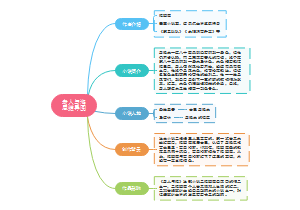
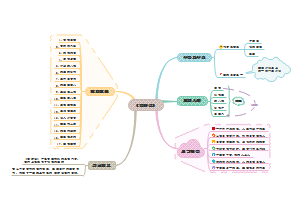
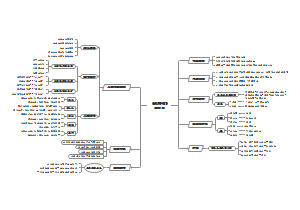
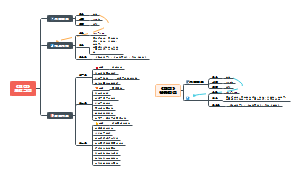
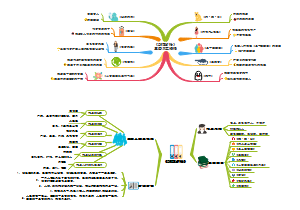
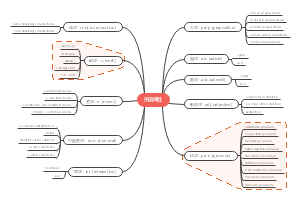
这是一篇关于语法-代词的思维导图,主要内容包括:不定代词,连接代词,关系代词,疑问代词,相互代词,反身代词,指示代词,物主代词(谁的),人称代词,代替名词的词,大多数的代词具有名词或者形容词的功能,按其意义,特征以及在句子中的作用分为九类。
编辑于2025-01-01 15:56:11语法-代词
人称代词
主格代词在句中一般做主语
宾格代词在句子作宾语、表语
特例
she可以用来代指国家,船只,大地,月亮等
China will always do what she has promised to do.
The Titanic was on her first voyage when she sank.
it可以用来代指时间、天气、婴儿、看不到(不知性别)的人
• It is five o‘clock. • It’s raining heavily.(不能说weather raining) • What a beautiful baby—is it a boy? • Who is it? —It‘s me.
代词代替名词的找法
向前最近的名词
单复数一致
语义合适
What does the author say about people’s views of an ideal romantic relationship? A. They(they代替views,不是people因为语义不符) vary from person to person. B. They ensure the reproductive success. C. They reflect the evolutionary process. D. They are influenced by psychologists.
Students who put off their(代学生) work until the last moment(单数不符合) often find the exams more difficult than they(代考试) actually are.
Research shows that while sunscreen reduces the number of melanomas(黑瘤) and delays their occurrence, it can’t prevent them.都代黑瘤
Corporations created home pages where they(代指公司,因为主页不能place(放置)这个谓语的发出者是公司) could place text and graphics to sell products.
物主代词(谁的)
形容词性物主代词:形容词性物主代词+名词才能使用。adj+n
名词性物主代词=形容词性物主代词+名词。可单独使用:whose book is this? it is hers=her book
• These are his books. Yours are over there. • I forgot to bring my dictionary. Could I use yours? • Whose book is this? It’s hers.
反身代词
反身代词常用作宾语,表语,同位语,都是名词
• The boy in the picture is myself, not anyone else.表语 • I'm afraid I can’t help you. You(主语)’ll have to do(谓语) it(宾语) yourself(同位语,指you). • You should ask the students themselves同位语.
反身代词常和for,of,in,by等介词搭配,构成固定短语。
for oneself亲自
by oneself独自
in oneself本身固有
of oneself自动的
• 第一、二人称的反身代词是由形容词性物主代词加-self或- selves构成。
• 第三人称的反身代词由人称代词的宾格加-self或 -selves构成。
指示代词
指代修饰人或事物
近指this/these 这个,这些。远指that/those 那个,那些。
有名词,形容词性质。(名词可独立出现单独使用,形容词要加名词才能出现)
在句子中作主语,宾语,表语,定语
• Charles, this主语、人 is my wife, Claudia. • That主语 was twenty years ago. • The winning numbers are these表语. • Coffee is the staple of this定语,因为后面加了名词 district and brings local farmers a lot of money.
this和that都可以用来代指或者概括上文刚刚提到过的事物,或指代前面整个句子的内容。
To save time主语 means谓语 to spend one's limited life more efficiently表语, and this可以代前面一句话 also amounts to lengthening one's life. 节约时间意味着要让有限的生命更加充实,也就等于延长了生命。
that/those 可以同来代替句子中前面已经出现过的名词或者名词短语,以避免重复。(相同的一个事物,不是一件事,只有对比的时候才能用。)
the human brain is more advanced than that of the chimpanzee. 不能用it+of的形式,that指代的是人类和黑猩猩的大脑,虽然是同一个(事物)词brain但不是同一个东西(件事)。
The film suddenly jumped from the events of 1920 to those(只能代替前面的同一个名词events但不是同一件事情,比如我的成绩比你的成绩好,两个成绩不一样) of 1930. 那电影从1920年的事突然跳到1930年的事。
在同时提到2个事物时,可以用that指前者,this指后者。
Drinking and smoking are both harmful to our health; this(smoking), however, is more harmful than that(drinking)。
drinking远,就是that那个。smoking近,就是this这个。
不定代词
both/either/neither/all/any/none的区别
both 两者都,复数
either 两者中的任意一个,单数
neither 两者都不
两者的区分
neither和either 作定语时候名词的数和作主语时候动词的数都是单数。与单数可数名词连用,谓语动词用单数
either day is OK / neither day is OK
哪天都行(两天中任何一天都可以)/ 两天都不行(任意一天都不行)
neither/either of (表示范围 )+限定词(如冠词物主代词或者指示形容词)+名词复数+单数谓语动词
either of the answers is right.两个中的范围,必须加上限定词
neither of my children has done that。必须加限定词比如my,孩子必须是复数,而且用三单has
名词前必须有限定词,且名词必须用复数,谓语动词通常用单数。
• He has two sons, either of whom is clever. • He has three sons, any of whom is clever.
• He has two sons, neither of whom is clever. • He has three sons, none of whom are clever.
all 三者都,超过三者也可以
any 三者中的任何一个
none 三者都不
each和every的区别
each和every作形容词时候,each和every都只能接单数可数名词
each boy has a gift each强调个体
every boy has a gift every强调整体
Every man is the master of his own fortune.
each强调个体,every强调整体
• We want every student整体所有学生 to succeed in the exam. • Each student强调个体的差异性 has his own personal dream. • I want to welcome each and every都强调 student.
each作代词,形容词,副词,当代词时候能独立使用,当形容词时候后接名词才可以使用。没有each other的用法,each后面不能接数字
each person carries his own bag(each作形容词,修饰单数名词,接动词从第三人称形式。)
each carries his own bag (作代词当主语时,接动词第三人称单数形式)
every只能作形容词,其后面加名词才能使用。
every修饰单数名词时候,后接动词第三人称单数形式。every child in the class
each
We each做了同位语 have our own office. (作we的同位语) • 放在复数名词和代词后作同位语时,谓语动词用复数形式
Each名词性质,每一个 carries his own bag. (代词) • 作代词时,接动词第三人称单数形式
Each形容词形式要加名词 person carries his own bag. (形容词) • 作形容词时,修饰单数名词,接动词第三人称单数形式
each指两个或者两个以上的人或事物中的每个=one by one从整体里找个体。
• Each sex has its own physical and psychologic characteristics.
• There are a lot of trees on each side of the streets.道路两边
every指三个或者三个以上的人或者事物(表示全体的意思)=all
every与not连用,表示部分否定。
不是每个人或物
each作代词的时候,一般不和否定句连用,在否定句中多用neither.none.no.代替
• Not every child enjoyed the party.不是每个孩子 • None of the answers were correct.都不对
each不与数词连用
every可与数词连用,然后再加复数名词。every two days
some 和 any 区别
some多用于肯定句,翻译不确定的某一个
Some person at the gate is asking to see you.某人在,不能用any
any多用于否定句,疑问句。翻译无论哪一个,任何一个
You can catch any bus. They all go to the railway station. You can ask any person随便一个人 over there. They all can tell you
表示请求,建议的疑问句中,常用some而不用any。
• I have some money. • Do you have any words to say? • Would you mind buying me some candies on your way home?
few/a few/little/a little区别
few修饰可数名词,
few否定意义,没有,几乎没有
a few 肯定意义,有几个
little修饰不可数名词
little 否定意义
a little 肯定意义 ,有一点儿
a few days 一些天few boys几乎没有男孩 a little water有些水 little money 没钱
other/ the other/others/the others/another
another. 再一个,另一个
一般只能与单数可数名词连用 The glass is broken .give me another ,please.
another+数词+复数名词 another three days另外三天
数词+other+复数名词 three other days另外三天
other 可以与单数,复数以及不可数名词连用,表示不确定的,另外的,其余的,人或物。
数词+other+复数名词 three other days另外三天
the other boy other boys
Some metals are magnetic and other metals(other是定语修饰金属) are not.
the other 几个中的另一个, one ; the other 一个,另一个(两个中的另一个)(特指)
He has a book in one hand, and a pen in the other.
others 表示泛指,其他 。搭配 some ; others(不能加名词)
There are many people in the park. Some are walking, some are jogging, and others are dancing.
Some metals are magnetic and others(没有金属名词所以加s) are not.
the others 有范围的复数的其他,指三者以上或者以上中的其他(特指)
Of the four boys(四个中有范围加the), one is in Grade One, the others(另外三个是复数,而且特指四个中) are in Grade Two.
Of all metals(范围the), only mercury is liquid and the others (范围加其他金属是复数,the加复数)are solid.
it / one /that 的区别
三者均可用作代词,指代前面提到的名词
it指代的是上文提到的同一物品,同名同物,必须是一件事。
I have lost my umbrella; I’ m looking for it.同一把伞
one同名异物
I have lost my umbrella; I think I must buy one.代指伞但不是丢的那把伞,不能用that因为不是对比
that同名异物
The umbrella you bought is cheaper than that/the one I bought有定语加the.that用在对比的时候,指另一把伞
复合不定代词
由some,any,no,every加上-body,-one,-thing构成的不定代词,常见的复合不定代词有。
somebody,someone,something,anybody, anyone,anything,nobody,nothing,everybody,everyone,everything
复合不定代词相当于名词,在句子中作主语,宾语和表语。
• Everything goes as planned. • I don't have anything to say. • Money is not everything. • There is nothing wrong后置定语 with the machine.
something old,something new ,something borrowed,something blue
可数名词与不可数名词
只与单数可数名词搭配:each, every, either, neither, another
只与复数可数名词搭配:both,few,a few, a number of ,many, several, these, those
只与不可数名词搭配:little, a little, much, a bit of, a great amount of, a deal of
既可以与不可数名词搭配,也可以与复数可数名词搭配:a lot of, lots of, plenty of
均可搭配:any,some,no
all/most/some/any+of+特定限定词(my /these/the/John’s)+复数可数/不可数名词
Most books are interesting.正确
Most of books are interesting。错误,因为没有加特定限定词在book前面
Most of my /these/the/John’s books are interesting.
Most of books are interesting.(错了,因为of后面没有加特地的限定词) Most books are interesting.(对的)
2. Which of the following sentences is INCORRECT? A. all his lectures are very boring. B. Half their savings were gone. C. Many his friends came to the party. (错的,如果改成对的只能是many of his friends) D. Both his sisters are nurses.
限定词之间的位置关系
前位限定词
表示倍数关系的数量形容词。 half my salary /twice my salary /one third my salary
all和both。all my salary
前位限定词一般互相排斥,不能共存
中位限定词
冠词: the, an和a
all the book/half an hour/twice the size
形容词性物主词: my, your, his, her, our,their
all my money all his money
指示代词: this,that, these和 those
all these problems /twice that size /four times this amount
名词所有格:John's和 his father’s等
all John’s money
不定代词(some ,any, no , every , each , either , neither , enough); what(ever) , which(ever), whose
中位限定词亦彼此排斥,不能同时出现
后位限定词
基数词或序数词one,first
the two children /his fourth birthday
一般序数词: next, last, past, other,another等
my next plan
our last meeting
数量限定词:few, many, several, little, less, more
my many friends
our several goals
the few friends that I have
后位限定词可以同时出现在名词前,可以叠用
my next two plans
the first two weeks
The past few years
遵循“前位+中位+后位"的基本顺序。 同一个名词词组中 ,通常不可以并用两个前位限定词或两个中位限定词 ,而后位限定词可以叠用。 Both the brothers(前+中) all other students(前+后) all his two daughters(前+中+后) those last few minutes(中+后+后)
相互代词
疑问代词
连接代词
关系代词
代替名词的词,大多数的代词具有名词或者形容词的功能,按其意义,特征以及在句子中的作用分为九类