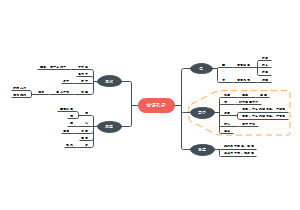
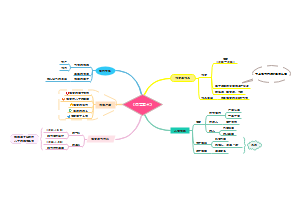
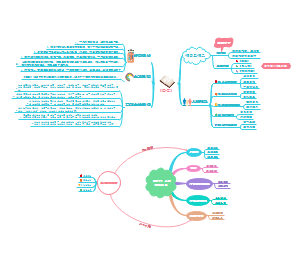
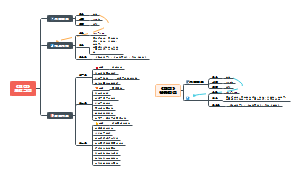
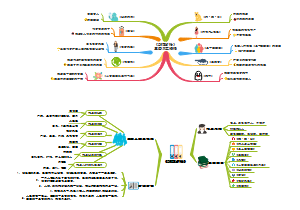
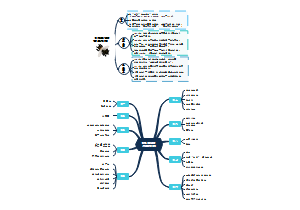
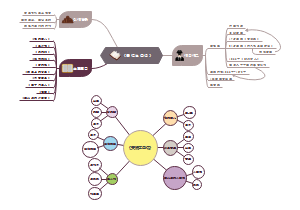
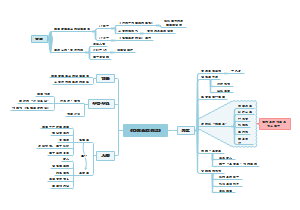
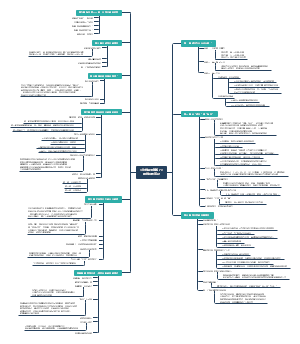
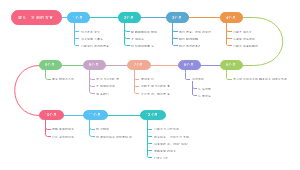
D0:征兆与初步响应 收集问题信息、做初步判断,确认是否需要走 8D。Symptom Recognition & Initial Response,
Collect preliminary data (images, quantities, records) and assess whether to initiate the 8D process.
D1:小组成立 组建具备相关知识背景的跨部门处理小组。 Team Formation: Assemble a cross-functional team with relevant expertise.
D2:问题描述 用 5W2H 方法描述问题现象 Problem Description
是什么(What),为什么Why, 是谁Who, 什么时间When,什么地点Where,有多少HowMuch, 怎么做How。Define the issue using 5W2H:
What (issue), Why (reason), Who (responsible), When (timing), Where (location), How Much (scale), How (process).
产品需求定义的SMART原则。Specific(明确性:目标需清晰可描述),Measurable(衡量性:需有量化数据或质化标准评估)、Attainable(可实现性:通过合理努力可达)、Relevant(相关性:与其他目标逻辑关联)、
Time-based(时限性:设定具体完成期限)Align with the SMART principle for objectives: Specific, Measurable, Attainable, Relevant, Time-bound.
D3:临时遏制措施 为防止问题扩大,及时采取短期控制动作
Interim Containment Actions
暂停,标示,隔离,半成品,库存成品的复检,出货产品处置
Implement short-term controls: pause production, label/isolate defective products, reinspect semi-finished/finished goods, and address shipped products.
D4:根因分析: 分析直接原因与系统性根因。
Root Cause Analysis
关键路径分析
Critical Path Analysis
D5:选择永久对策 针对根因提出长效解决方案,并制定验证计划。
Permanent Corrective Actions
纠正预防措施
Develop long-term solutions targeting root causes and validate plans (e.g., Corrective and Preventive Actions).
D6:实施对策 执行方案并验证效果,确保问题彻底解决。
Implementation & Validation
执行纠正预防措施
Execute solutions
结果验证
verify effectiveness
如果必要,重复D4
repeat D4 if necessary
D7:防止再发 将经验写入流程、作业指导书、培训机制,沉淀进 FMEA 知识库。
Prevention of Recurrence:Institutionalize learnings into processes (SOPs, checklists, training) and update the FMEA knowledge base.
知识资产固化
update the FMEA knowledge base.
D8:团队总结与表彰 复盘问题处理过程,表彰团队,并记录经验教训。
Team Recognition & Closure: Conduct a closure meeting to review outcomes, acknowledge contributions, and document lessons learned.