导图社区 First 5-8 Part one Portfolio management
这是一篇关于First 5-8 Part one Portfolio management的思维导图,讲述的是Modern portfolio theory and capital asset pricing model。
编辑于2021-09-02 10:09:44Portfolio management
Modern portfolio theory and capital asset pricing model
Modern portfolio theory
Assumption of mpt
Capital market perfect
No taxes or transaction cost
Costless access to all available information
Perfect competition
Return are normally distributed
Measurements of return and risk单一证券
Return: average return (算术平均数)R=(R1+R2+...+Rn)/n
Risk:
Utility theory
Behavior of investors under uncertainty
Risk averse(风险厌恶):最小风险相同收益,最大收益相同风险,默认为理性投资者
Risk neutral(风险中性)
Risk seeking(风险偏好)
utility function (效用函数):对不同投资组合进行排序 U=E(R)-1/2A∂2
A>0厌恶
A=0 中性
A<0 喜好
Indifferent curve (无差别曲线)E (R)=U+1/2∂2 ,所有人都为风险厌恶 越往左走越喜爱风险
upward sloping and convex (get steeper) 边际效用递减(斜率变小),每增加一单位承担风险, 要求回报会更高需求侧,每条线上效用一致
for various types of investors
Efficient frontier
Return and risk of portfolio with two risky assets
Two risky asset: Rp=w1r1+w2r2加权平均
Risk of portfolio with risky asset:
计算协方差
The risk of portfolio with two risky assets decreases as the assets within the portfolio are becoming less correlated.
分散化投资总体风险变小
可以抵消特定的风险敞口
观察投资组合,不看个体的表现,不看个体风险,看总体风险
Optimal portfolio selection(最优投资组合) indifferent curve 与efficient frontier相切m点最优投资组合 indifferent curve much deeper slope往上倾斜越陡峭在上面和前面更为厌恶风险,且有效前沿相切更低
有效组合:给定收益(expect return)风险(standard deviation)最小,给定风险收益最大
Capital asset pricing model
Capital market theory
A combination of risky and riskfree asset
Capital asset pricing model (CAPM) 计算出的收益率为承担那么多的风险所应该要求的回报为require return
Broke down the risk of an individual asset into specific risk and systematic risk,investors receive no compensation for taking on the specific
Capital allocation line (CAL) betaβ=1 有一个一致有效前沿的假设 有效前沿combine the minimum variance portfolio and the market portfolio
Selection among cal
Optimal CAL是CAL与有效前沿的切线
Optimal portfolio along CAL
由风险厌恶因子(A)去看图
capital market line(CML)市场组合特殊的CAL线斜率最大,且与有效前沿相切于M点 同一条CML永远有效,CML相当于一个有效前沿 投资forecast for asset return相同 收入分布为无偏has no skewness 适用于完全分散化组合 well diversified 因为横坐标为总风险
market portfolio : 市场组合包括所有的风险资产risky asset 对应不同的权重 weighted
公式:
系统性风险与非系统性风险:非系统性风险可以被投资分散化而分散掉,系统风险无法被充分分散化点风险(天灾)承担非系统性风险不可被补偿,但可以被分散 Systematic: investor would be rewarded for bearing systematic risk Unsystematic risk: investor would not be rewarded for bearing unsystematic risk
β有正相关和负相关的 衡量非系统性风险
assumption of capm
投资者做决定是看expected value 还有 standard deviation
投资者持有相同时间的资产holding same time horizon mean not normal distribution
资产可以被无限分化,allocation can be made in an investment of any partial amount
无交易成本,无税收,无交易摩擦no transaction cost
无买卖限制 short sale is allowed unlimitedly
所有参与者可以借入与借出在无风险利率borrow and lend
Investor have homogeneous expectations or belief
所有个人投资者的投资决定都不影响市场价格所有人都是散户
所有的资产包括人力成本都可以被交易
Market portfolio should be the one with highest sharp rate of an portfolio
Investors have access to the same information
Return are normally distributed and investors' expectations for risk and return are identical
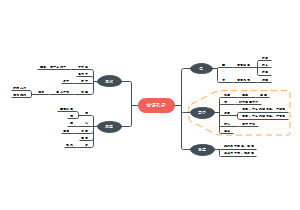
components of capm E (Rm)-Rf price per unit of beta risk capm模型中投资者关注utility效用 不关注尾部情况 偏度和尾度皆关注尾部情况 betaβ>1说明,其期望收益大于市场组合
变形:
security market line(SML)证券市场线
comparison of CML和SML
Performance measures
Sharpe performance index (spi)承担一单位总风险的超额回报,两种资产计算相同,说明风险报酬比相同,资产无区别,总风险包括系统性和非系统性风险,E (Ri)和information ratio中的E (Ri)是相等的 use total volatility 夏普比率未考虑well disversified portfolio
mean annualized rate of return (平均收益比)大于market portfolio 的收益,所以对非系统性风险进行一些补偿,理论上对充分分散组合是不补偿的
知道market portfolio 的 sharp ratio求组合的夏普比率
Treynor performance index (TPI) 适合well diveraified(对非系统风险充分分化) using beta as denominator 一般认为指数为充分分散化的组合 performance of index fun
according capm TPI与alpha measure相比,>即正alpha
Jensen's performance index (JPI)=实际收益率➖理论收益 beta必须为同一个值
Sortino ratio: 关注 downside risk 亏损风险,应用于上下波动的情况,适合不对称回报的资产
Tracking error跟踪误差loss relative to benchmark benchamark基准主动管理,absolute risk(绝对风险,不对比基准benchmark),relative risk(相对风险,对比benchmark),必然大于0,无负数 TE 相当于 residual risk
Information ratio调过风险管理,越大越好,主动投资beating a benchmark
The arbitrage pricing theory and multifacto models of risk and return
arbitrage pricing theory
Comparison
Capm only one systematic risk factor, 过多的假设对于投资者行为
APT 有多个systematic risk factors,只假设there are no arbitrage opportunity无套利机会
assumption假设
return can be described by a factor model can be explained by systemic factors(specific risk非系统性风险)apt为只有系统性风险的模型
Sufficient securities diversify unsystematic risk
No arbitrage opportunity
Suggest that multiple factors(多个因素) markets expected rksk premium can help explain the expected rate of return on a risky asset
不假设投资者是理性的投资者,不一定会选择有效的组合,认为投资者可以是风险偏好也可以是厌恶
APT公式:关注纯因素模型
非系统性风险可以被分散, 在APT模型中只有系统性风险可以带来回报
一家定律(the law of one price: 商品有相同的市场价格),一价定律不成立则有套利空间
pure factor portfolio 用于对冲
Fama French three factor model (三因素模型)
Multifactor model计算真实的回报率
manage exposure to economy wide risk factors(systemic risk系统性风险) 真实值与预测值的差异
single factor model
hedging exposure to multiple factors纯因素组合用于对冲
underbaseline expectation 即为多因素模型,industrial production可视为GDP
SMB 小盘股减去大盘股 HML 高减低
Assumption:1. the market portfolio should have the highest sharpe ratio and including all inevitable 2.expected excess return for the market are known to all investors
E (risky portfolio)= return×probability E(Ram)=return×probability
投资者通过APT模型可以create a zero beta portfolio with zero net investment (可以通过long和short来使得beta为0,对冲风险,是一个手段方法),在现实中,有套利机会则投资者会把套利机会消除,即去做套利使得套利机会去除