导图社区 英语(专升本) 知识总览13000
- 78
- 0
- 0
- 举报
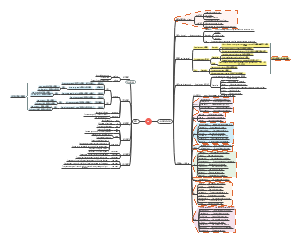
英语(专升本) 知识总览13000
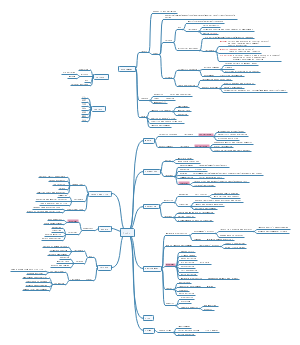
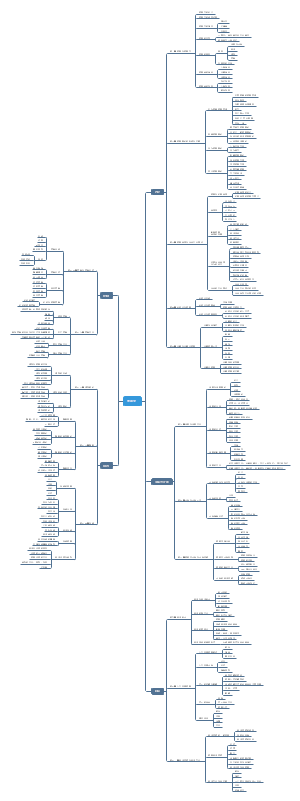
英语专升本备考,掌握这份精华大纲思维导图就能事半功倍!这份备考大纲思维导图按照应试优先级搭建完整学习体系,全方位覆盖专升本英语全部核心题型与知识点。大纲收纳高分必考写作模板,包含书信、议论文、图表作文、段首句作文四类高频考题,整理通用句式、衔接词与行文框架;汇总阅读理解七大题型解题思路,梳理定位技巧、干扰选项辨别方法。知识板块搭建系统核心语法体系,完整梳理词法、句法重难点,夯实长难句分析基础;同时归纳汉英互译实用转换技巧,理清句式调整、词汇变通的答题要点。除此之外,规划高频基础词汇背诵方案,总结考场时间分配、答题顺序等实战考试策略。整套内容由输出题型到输入题型,从基础知识点到临场应试技巧逐层推进,考生可优先攻克分值占比最大的写作与阅读两大板块,再补齐语法、翻译、词汇短板,分清复习主次,拒绝盲目刷题。无论基础薄弱想要从头夯实基础,还是有一定功底冲刺提分的专升本考生,都可以依托这份大纲有序规划复习,高效冲刺高分。
提示: 本内容由社区用户上传并分享。平台不对内容的真实性、合法性、知识产权归属及是否侵害第三方权利进行事前审核或保证。本内容可能包含受版权保护的图片、字体或其他第三方素材,使用前请自行确认授权范围。
- 自考
- 英语专升本备考
- 写作模板与范文
- 语法与阅读策略
- 自考13000

- 英语(专升本) 知识总览13000
英语专升本备考,掌握这份精华大纲思维导图就能事半功倍!这份备考大纲思维导图按照应试优先级搭建完整学习体系,全方位覆盖专升本英语全部核心题型与知识点。大纲收纳高分必考写作模板,包含书信、议论文、图表作文、段首句作文四类高频考题,整理通用句式、衔接词与行文框架;汇总阅读理解七大题型解题思路,梳理定位技巧、干扰选项辨别方法。知识板块搭建系统核心语法体系,完整梳理词法、句法重难点,夯实长难句分析基础;同时归纳汉英互译实用转换技巧,理清句式调整、词汇变通的答题要点。除此之外,规划高频基础词汇背诵方案,总结考场时间分配、答题顺序等实战考试策略。整套内容由输出题型到输入题型,从基础知识点到临场应试技巧逐层推进,考生可优先攻克分值占比最大的写作与阅读两大板块,再补齐语法、翻译、词汇短板,分清复习主次,拒绝盲目刷题。无论基础薄弱想要从头夯实基础,还是有一定功底冲刺提分的专升本考生,都可以依托这份大纲有序规划复习,高效冲刺高分。
- 大学语文 知识总览 04729
大学语文 04729 备考必看!这份复习大纲思维导图按照考点优先级科学规划学习方案,帮助考生分清主次、高效备考。备考核心重点优先攻克议论文、记叙文写作与材料作文三大题型,熟练掌握文章开头、结尾构思技巧,吃透举例论证、道理论证、对比论证、比喻论证等各类论证方法,搭建规范作文框架。文学作品部分重点梳理小说单元,深耕《项链》《麦琪的礼物》等必考经典篇目,熟记人物形象、主题内涵、艺术手法;诗歌单元与记叙文单元不可忽视,需要识记作家生平、作品主旨、名句赏析与文体知识点。整套内容体系完整,从考试整体说明、各个单元考点划分,到专项作文指导、考场常见失分失误汇总、标准范文框架一应俱全。考生可以依托大纲规划复习顺序,先拿下分值占比极高的写作板块,再逐一梳理文学作品阅读鉴赏考点,规避答题误区,建立标准化答题思路,做到基础识记与答题技巧同步提升。无论备战自考 04729 的新生,还是反复刷题冲刺的考生,都可以借助这份思维导图大纲搭建完整复习规划,提升复习效率。
- 马克思主义基本原理 15044
这是一篇关于马克思主义基本原理思维导图,按教材章节梳理知识框架,标注各章节考点优先级,分为导论、七大主体章节,导论优先级为高,讲解马克思主义内涵、创立发展、鲜明特征、理论品质,要求学习者树立正确学习态度,从整体把握马克思主义,学会运用其立场、观点分析现实问题,第一章世界的物质性及发展规律为重点高优先级,涵盖唯物论、物质统一性、辩证法相关内容,第二章实践与认识及其发展规律为必考高优先级,围绕实践认识论、真理与价值展开,第三章人类社会及其发展规律聚焦历史唯物主义,讲解社会存在发展、社会发展动力、人民群众的历史作用,第四章剖析资本主义本质及规律,解析剩余价值理论、经济制度与上层建筑,第五章分析资本主义发展及趋势,介绍资本主义演变过程与历史走向,第六章阐述社会主义发展及其规律,梳理社会主义演进历程与基本原则,第七章介绍共产主义崇高理想及其最终实现,明确共产主义的历史必然性,导图区分必考、重点,标注高、中、低优先级,方便区分复习权重,无论正在备考自考的考生,还是需要梳理马原知识体系的学习者,都可以借助这份框架理清知识脉络,抓住复习重点。
英语(专升本) 知识总览13000
社区模板帮助中心,点此进入>>
- 英语(专升本) 知识总览13000
英语专升本备考,掌握这份精华大纲思维导图就能事半功倍!这份备考大纲思维导图按照应试优先级搭建完整学习体系,全方位覆盖专升本英语全部核心题型与知识点。大纲收纳高分必考写作模板,包含书信、议论文、图表作文、段首句作文四类高频考题,整理通用句式、衔接词与行文框架;汇总阅读理解七大题型解题思路,梳理定位技巧、干扰选项辨别方法。知识板块搭建系统核心语法体系,完整梳理词法、句法重难点,夯实长难句分析基础;同时归纳汉英互译实用转换技巧,理清句式调整、词汇变通的答题要点。除此之外,规划高频基础词汇背诵方案,总结考场时间分配、答题顺序等实战考试策略。整套内容由输出题型到输入题型,从基础知识点到临场应试技巧逐层推进,考生可优先攻克分值占比最大的写作与阅读两大板块,再补齐语法、翻译、词汇短板,分清复习主次,拒绝盲目刷题。无论基础薄弱想要从头夯实基础,还是有一定功底冲刺提分的专升本考生,都可以依托这份大纲有序规划复习,高效冲刺高分。
- 大学语文 知识总览 04729
大学语文 04729 备考必看!这份复习大纲思维导图按照考点优先级科学规划学习方案,帮助考生分清主次、高效备考。备考核心重点优先攻克议论文、记叙文写作与材料作文三大题型,熟练掌握文章开头、结尾构思技巧,吃透举例论证、道理论证、对比论证、比喻论证等各类论证方法,搭建规范作文框架。文学作品部分重点梳理小说单元,深耕《项链》《麦琪的礼物》等必考经典篇目,熟记人物形象、主题内涵、艺术手法;诗歌单元与记叙文单元不可忽视,需要识记作家生平、作品主旨、名句赏析与文体知识点。整套内容体系完整,从考试整体说明、各个单元考点划分,到专项作文指导、考场常见失分失误汇总、标准范文框架一应俱全。考生可以依托大纲规划复习顺序,先拿下分值占比极高的写作板块,再逐一梳理文学作品阅读鉴赏考点,规避答题误区,建立标准化答题思路,做到基础识记与答题技巧同步提升。无论备战自考 04729 的新生,还是反复刷题冲刺的考生,都可以借助这份思维导图大纲搭建完整复习规划,提升复习效率。
- 马克思主义基本原理 15044
这是一篇关于马克思主义基本原理思维导图,按教材章节梳理知识框架,标注各章节考点优先级,分为导论、七大主体章节,导论优先级为高,讲解马克思主义内涵、创立发展、鲜明特征、理论品质,要求学习者树立正确学习态度,从整体把握马克思主义,学会运用其立场、观点分析现实问题,第一章世界的物质性及发展规律为重点高优先级,涵盖唯物论、物质统一性、辩证法相关内容,第二章实践与认识及其发展规律为必考高优先级,围绕实践认识论、真理与价值展开,第三章人类社会及其发展规律聚焦历史唯物主义,讲解社会存在发展、社会发展动力、人民群众的历史作用,第四章剖析资本主义本质及规律,解析剩余价值理论、经济制度与上层建筑,第五章分析资本主义发展及趋势,介绍资本主义演变过程与历史走向,第六章阐述社会主义发展及其规律,梳理社会主义演进历程与基本原则,第七章介绍共产主义崇高理想及其最终实现,明确共产主义的历史必然性,导图区分必考、重点,标注高、中、低优先级,方便区分复习权重,无论正在备考自考的考生,还是需要梳理马原知识体系的学习者,都可以借助这份框架理清知识脉络,抓住复习重点。
- 相似推荐
- 大纲
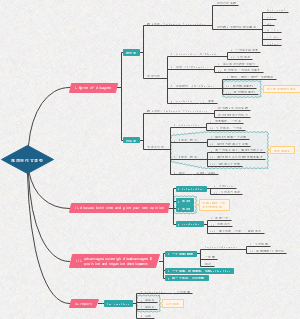

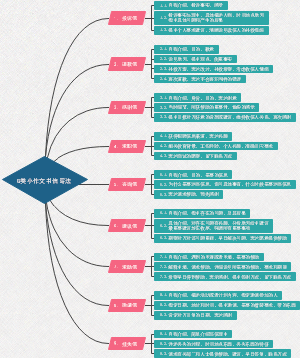
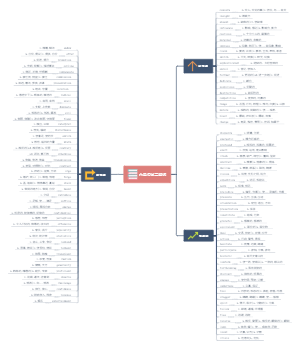

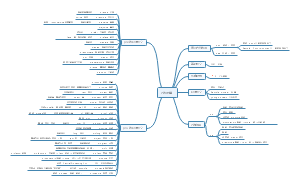


英语(专升本) 知识总览13000
【优先级·低】第一章 考试说明与备考策略
【重点】【必考】【优先级·高】试卷结构与分值分布
◆ 阅读判断:10题×1分=10分
◆ 阅读选择:5题×2分=10分
◆ 概括段落大意和补全句子:10题×1分=10分
◆ 填句补文:5题×2分=10分
◆ 填词补文:10题×1.5分=15分
◆ 完形补文:10题×1.5分=15分
◆ 短文写作:1题=30分
◆ 满分100分
◆ 选择题合计40分,非选择题合计60分
【重点】【必考】【优先级·高】考试时间与合格标准
◆ 考试时间:150分钟
◆ 合格标准:60分合格
◆ 作文30分权重最高,是及格与否的关键
【优先级·中】四阶段备考规划
第一阶段 词汇积累
◆ 每天背诵30-50个单词
◆ 以教材12单元核心词汇为主
第二阶段 语法体系梳理
◆ 时态
◆ 从句
◆ 非谓语动词
第三阶段 阅读专项突破
◆ 精读训练
◆ 各题型解题技巧
第四阶段 写作模板背诵与模考
◆ 背诵写作模板
◆ 限时模考查漏补缺
【优先级·中】考场时间分配方案
◆ 词汇语法预热:5分钟
◆ 阅读判断+阅读选择:25分钟
◆ 概括段落大意和补全句子:15分钟
◆ 填句补文:15分钟
◆ 填词补文:15分钟
◆ 完形补文:15分钟
◆ 短文写作:40分钟
◆ 检查:10分钟
【优先级·中】各题型提分性价比排序
◆ 写作(30分,背模板可得基础分)性价比最高
◆ 完形补文、填词补文(考词形变化,可专项练习)次之
◆ 阅读选择、阅读判断(靠技巧)再次
◆ 填句补文(考逻辑衔接)性价比相对最低
【优先级·中】常见备考误区
◆ 只背单词不练阅读,导致阅读速度慢、正确率低
◆ 忽视写作动笔,眼高手低考场上写不出
◆ 语法死记硬背不应用,做题仍不会用
◆ 真题练得太少,不熟悉题型与时间节奏
【优先级·中】资料使用建议
◆ 以《英语(二)自学教程》教材12单元为主
◆ 近5年真题必做,熟悉命题规律
◆ 写作模板背诵+仿写,形成自己的套路
【重点】【优先级·中】第二章 核心词汇系统(教材12单元)
【重点】【必考】【优先级·高】Unit 1 个人成长与自我提升
【优先级·中】常用短语与固定搭配
◆ set a goal 设定目标
◆ make efforts 作出努力
◆ face up to 勇敢面对
◆ strive for 为…而奋斗
◆ come true 实现(梦想)
◆ take pride in 以…为傲
◆ be confident in 对…有信心
◆ live up to 不辜负
◆ step by step 循序渐进
◆ keep pace with 跟上
◆ bring out the best 发挥最佳
◆ rise to the occasion 应付自如
【优先级·中】单元语言点
◆ 非谓语动词作状语:过去分词短语常作原因或时间状语,如 Inspired by the teacher, he studied harder.
◆ 强调句型 It is ... that ... 可强调主语、宾语或状语,如 It is perseverance that leads to success.
◆ 本单元围绕个人成长与自我提升主题,帮助考生在阅读与写作中熟练运用表示努力、目标、成功等核心词汇。
◆ accumulate v. 积累 accumulate experience 积累经验
◆ achieve v. 实现 achieve one's goal 实现目标
◆ ambition n. 雄心 ambitious adj. 有雄心的 an ambitious plan 宏伟计划
◆ challenge n./v. 挑战 face a challenge 面对挑战
◆ confidence n. 自信 build confidence 建立自信
◆ develop v. 发展 develop a habit 养成习惯
◆ effort n. 努力 make an effort 作出努力
◆ goal n. 目标 set a goal 设定目标
◆ improve v. 改善 improve oneself 提升自我
◆ inspire v. 激励 inspire sb. to do 激励某人做
◆ motivate v. 激发 motivate students 激励学生
◆ overcome v. 克服 overcome difficulties 克服困难
◆ potential n. 潜力 realize one's potential 发挥潜力
◆ pursue v. 追求 pursue a dream 追求梦想
◆ self-discipline n. 自律 lack self-discipline 缺乏自律
◆ struggle v. 奋斗 struggle for success 为成功奋斗
◆ succeed v. 成功 succeed in doing 成功做某事
◆ talent n. 天赋 show talent 展现天赋
◆ value v. 重视 value education 重视教育
◆ willpower n. 意志力 strong willpower 坚强意志
◆ attitude n. 态度 positive attitude 积极态度
◆ breakthrough n. 突破 make a breakthrough 取得突破
◆ cultivate v. 培养 cultivate interest 培养兴趣
◆ determination n. 决心 show determination 展现决心
◆ endeavor n./v. 努力 make every endeavor 竭尽全力
◆ persevere v. 坚持不懈 persevere in one's study 坚持学习
◆ self-esteem n. 自尊 boost self-esteem 增强自尊
◆ transform v. 转变 transform one's life 改变生活
【重点】【必考】【优先级·高】Unit 2 教育与终身学习
【优先级·中】常用短语与固定搭配
◆ sign up for 报名
◆ drop out 退学
◆ keep up with 跟上
◆ catch up on 补上
◆ hand in 提交
◆ major in 主修
◆ take notes 记笔记
◆ brush up on 复习
◆ fall behind 落后
◆ get through 通过
◆ participate in 参与
◆ pave the way for 为…铺路
【优先级·中】单元语言点
◆ 现在完成时与现在完成进行时的区别:前者强调结果,后者强调动作的持续。
◆ 虚拟语气在建议类从句中的应用:suggest that sb. (should) do sth.
◆ 本单元聚焦教育与终身学习,涵盖校园、学习、师生等场景高频词汇,适用于读写译各类题型。
◆ acquire v. 获得 acquire knowledge 获取知识
◆ assignment n. 作业 hand in an assignment 交作业
◆ curriculum n. 课程 design a curriculum 设计课程
◆ discipline n. 学科;纪律 academic discipline 学科
◆ enroll v. 注册 enroll in a course 选课
◆ evaluate v. 评估 evaluate performance 评估表现
◆ faculty n. 全体教员 faculty member 教职工
◆ grant n. 助学金 apply for a grant 申请助学金
◆ instructor n. 导师 experienced instructor 资深导师
◆ lecture n./v. 讲座 attend a lecture 听课
◆ memorize v. 记忆 memorize words 背单词
◆ obtain v. 取得 obtain a degree 获得学位
◆ participate v. 参与 participate in class 参与课堂
◆ profound adj. 深刻的 profound influence 深远影响
◆ qualify v. 使合格 qualify for the exam 具备考试资格
◆ seminar n. 研讨课 hold a seminar 举办研讨
◆ tuition n. 学费 pay tuition 付学费
◆ tutor n. 家教 hire a tutor 请家教
◆ undergraduate n. 本科生 undergraduate student 本科生
◆ vocational adj. 职业的 vocational training 职业培训
◆ broaden v. 拓宽 broaden one's horizon 开阔眼界
◆ comprehension n. 理解 reading comprehension 阅读理解
◆ compulsory adj. 必修的 compulsory course 必修课
◆ diploma n. 文凭 earn a diploma 获得文凭
◆ fluent adj. 流利的 fluent English 流利英语
◆ intellect n. 智力 sharp intellect 敏锐智力
◆ mentor n. 导师 find a mentor 找导师
◆ recite v. 背诵 recite a poem 背诗
【重点】【必考】【优先级·高】Unit 3 科技与数字生活
【优先级·中】常用短语与固定搭配
◆ keep in touch 保持联系
◆ log on 登录
◆ log off 注销
◆ surf the net 上网
◆ set up 建立
◆ break down 出故障
◆ cut off 切断
◆ keep track of 记录
◆ speed up 加速
◆ back up 备份
◆ plug in 插入电源
◆ update on 更新
【优先级·中】单元语言点
◆ 被动语态在科技英语中的高频使用:The device is controlled by a chip.
◆ 现在分词作定语:a promising technology 表示主动进行。
◆ 本单元以科技与创新为主题,覆盖数字化生活、人工智能、网络设备等当代热点词汇。
◆ advance n./v. 进步 technological advance 技术进步
◆ artificial adj. 人工的 artificial intelligence 人工智能
◆ automate v. 使自动化 automate production 自动化生产
◆ battery n. 电池 rechargeable battery 充电电池
◆ broadband n. 宽带 broadband connection 宽带连接
◆ circuit n. 电路 integrated circuit 集成电路
◆ device n. 设备 electronic device 电子设备
◆ digital adj. 数字的 digital camera 数码相机
◆ download v. 下载 download software 下载软件
◆ innovation n. 创新 technical innovation 技术创新
◆ install v. 安装 install an app 安装应用
◆ network n. 网络 social network 社交网络
◆ online adj./adv. 在线的 shop online 网上购物
◆ platform n. 平台 mobile platform 移动平台
◆ program n./v. 程序;编程 write a program 写程序
◆ robot n. 机器人 industrial robot 工业机器人
◆ satellite n. 卫星 launch a satellite 发射卫星
◆ sensor n. 传感器 light sensor 光线传感器
◆ software n. 软件 update software 更新软件
◆ smartphone n. 智能手机 smartphone user 智能手机用户
◆ upgrade v. 升级 upgrade the system 升级系统
◆ virtual adj. 虚拟的 virtual reality 虚拟现实
◆ wireless adj. 无线的 wireless network 无线网络
◆ breakthrough n. 突破 scientific breakthrough 科学突破
◆ data n. 数据 analyze data 分析数据
◆ gadget n. 小器具 handy gadget 便利小工具
◆ transmit v. 传输 transmit signals 传输信号
◆ cyber adj. 网络的 cyber security 网络安全
【重点】【必考】【优先级·中】Unit 4 环境保护与可持续发展
【优先级·中】常用短语与固定搭配
◆ cut down on 减少
◆ run out of 用完
◆ throw away 扔掉
◆ clean up 清理
◆ make a difference 起作用
◆ care for 关爱
◆ depend on 依赖
◆ give off 释放
◆ protect from 保护免受
◆ rely on 依赖
◆ sort out 分类
◆ turn off 关掉
【优先级·中】单元语言点
◆ 情态动词表推测:must be 表示肯定推测,could be 表示可能。
◆ there be 句型的扩展:There is a growing concern about pollution.
◆ 本单元关注环境保护与可持续发展,包含污染、能源、生态等环保类核心词汇。
◆ conserve v. 保护 conserve energy 节约能源
◆ pollution n. 污染 air pollution 空气污染
◆ recycle v. 回收 recycle waste 回收废物
◆ sustainable adj. 可持续的 sustainable development 可持续发展
◆ emission n. 排放 carbon emission 碳排放
◆ ecosystem n. 生态系统 protect the ecosystem 保护生态
◆ habitat n. 栖息地 natural habitat 自然栖息地
◆ renewable adj. 可再生的 renewable energy 可再生能源
◆ dispose v. 处理 dispose of rubbish 处理垃圾
◆ environmental adj. 环境的 environmental protection 环境保护
◆ global warming 全球变暖
◆ vegetation n. 植被 destroy vegetation 破坏植被
◆ biodiversity n. 生物多样性 protect biodiversity 保护生物多样性
◆ contaminate v. 污染 contaminate water 污染水源
◆ depletion n. 枯竭 resource depletion 资源枯竭
◆ green adj. 环保的 green lifestyle 绿色生活
◆ landfill n. 垃圾填埋场 build a landfill 建填埋场
◆ ozone n. 臭氧 ozone layer 臭氧层
◆ preserve v. 保护 preserve nature 保护自然
◆ shortage n. 短缺 water shortage 水资源短缺
◆ toxic adj. 有毒的 toxic waste 有毒废物
◆ wilderness n. 荒野 protect the wilderness 保护荒野
◆ climate n. 气候 climate change 气候变化
◆ decompose v. 分解 decompose naturally 自然分解
◆ exhaust n. 废气 car exhaust 汽车尾气
◆ logging n. 伐木 stop illegal logging 禁止非法伐木
◆ organic adj. 有机的 organic farming 有机农业
◆ drought n. 干旱 suffer drought 遭受干旱
【重点】【必考】【优先级·中】Unit 5 健康与生活方式
【优先级·中】常用短语与固定搭配
◆ keep fit 保持健康
◆ give up 放弃
◆ work out 锻炼
◆ cut down 削减
◆ catch a cold 感冒
◆ take care of 照顾
◆ get over 恢复
◆ build up 增强
◆ go on a diet 节食
◆ stay up 熬夜
◆ relax oneself 放松
◆ be addicted to 对…上瘾
【优先级·中】单元语言点
◆ used to do 与 be used to doing 的区别:前者表过去习惯,后者表习惯于。
◆ 动名词作主语:Smoking harms your health.
◆ 本单元围绕健康与生活方式,提供饮食、运动、心理等健康主题常用词汇。
◆ balanced adj. 均衡的 balanced diet 均衡饮食
◆ benefit n./v. 益处;受益 benefit from exercise 从运动受益
◆ chronic adj. 慢性的 chronic disease 慢性病
◆ diet n. 饮食 go on a diet 节食
◆ disease n. 疾病 prevent disease 预防疾病
◆ energetic adj. 精力充沛的 feel energetic 感觉有活力
◆ fitness n. 健康 physical fitness 身体健康
◆ habit n. 习惯 form a habit 养成习惯
◆ immune adj. 免疫的 immune system 免疫系统
◆ nutrition n. 营养 lack nutrition 缺乏营养
◆ obesity n. 肥胖 childhood obesity 儿童肥胖
◆ relaxed adj. 放松的 feel relaxed 感到放松
◆ routine n. 常规 daily routine 日常作息
◆ sleep n./v. 睡眠 get enough sleep 充足睡眠
◆ stress n./v. 压力;强调 under stress 处于压力中
◆ vitamin n. 维生素 take vitamins 服用维生素
◆ weak adj. 虚弱的 weak body 虚弱身体
◆ yoga n. 瑜伽 practice yoga 练瑜伽
◆ calorie n. 卡路里 burn calories 燃烧卡路里
◆ exercise n./v. 锻炼 do exercise 做运动
◆ mental adj. 心理的 mental health 心理健康
◆ physical adj. 身体的 physical check-up 体检
◆ symptom n. 症状 show symptoms 出现症状
◆ therapy n. 治疗 physical therapy 理疗
◆ vegetarian n. 素食者 become a vegetarian 成为素食者
◆ well-being n. 幸福安康 promote well-being 促进安康
◆ breathe v. 呼吸 breathe deeply 深呼吸
◆ prevention n. 预防 focus on prevention 注重预防
【重点】【必考】【优先级·中】Unit 6 社会与人际关系
【优先级·中】常用短语与固定搭配
◆ get along with 与…相处
◆ look after 照顾
◆ take part in 参加
◆ make friends 交朋友
◆ look out for 留心
◆ put up with 忍受
◆ stand by 支持
◆ deal with 处理
◆ rely on 依靠
◆ look down on 轻视
◆ reach out to 联系
◆ fit in 融入
【优先级·中】单元语言点
◆ 定语从句中关系代词 who, whom, which, that 的用法。
◆ 比较级与最高级:more...than, the most + 多音节形容词。
◆ 本单元探讨社会与人际关系,涵盖社区、合作、责任等社会类词汇。
◆ community n. 社区 local community 当地社区
◆ cooperate v. 合作 cooperate with others 与他人合作
◆ debate n./v. 辩论 hold a debate 举行辩论
◆ equality n. 平等 social equality 社会平等
◆ harmony n. 和谐 live in harmony 和睦相处
◆ interact v. 互动 interact with neighbors 与邻居互动
◆ mutual adj. 相互的 mutual respect 互相尊重
◆ negotiate v. 协商 negotiate a deal 协商交易
◆ obligation n. 义务 legal obligation 法律义务
◆ participate v. 参与 participate in activities 参与活动
◆ prejudice n. 偏见 overcome prejudice 消除偏见
◆ responsibility n. 责任 take responsibility 承担责任
◆ society n. 社会 modern society 现代社会
◆ tolerate v. 容忍 tolerate differences 容忍差异
◆ trust n./v. 信任 build trust 建立信任
◆ voluntary adj. 志愿的 voluntary work 志愿工作
◆ welfare n. 福利 social welfare 社会福利
◆ charity n. 慈善 donate to charity 捐助慈善
◆ conflict n. 冲突 resolve conflict 解决冲突
◆ democracy n. 民主 promote democracy 促进民主
◆ individual n./adj. 个人;个体的 individual rights 个人权利
◆ justice n. 正义 social justice 社会正义
◆ generosity n. 慷慨 show generosity 展现慷慨
◆ bond n. 纽带 strengthen the bond 加强纽带
◆ compromise n./v. 妥协 reach a compromise 达成妥协
◆ empathize v. 共情 empathize with others 与他人共情
◆ norm n. 规范 social norm 社会规范
【重点】【必考】【优先级·中】Unit 7 文化传统与多元
【优先级·中】常用短语与固定搭配
◆ pass down 传承
◆ carry on 延续
◆ take pride in 以…为傲
◆ be rooted in 植根于
◆ hand down 传下
◆ blend with 融合
◆ reflect on 反思
◆ be known for 以…闻名
◆ originate from 起源于
◆ keep alive 保持活力
◆ pay respect to 向…致敬
◆ be proud of 为…自豪
【优先级·中】单元语言点
◆ 现在分词的被动式 being done 作定语或状语。
◆ 名词化现象:the rich 表示富人,the young 表示年轻人。
◆ 本单元介绍文化传统与多元,包含遗产、习俗、节庆等文化类词汇。
◆ heritage n. 遗产 cultural heritage 文化遗产
◆ tradition n. 传统 follow a tradition 遵循传统
◆ custom n. 习俗 local custom 当地习俗
◆ diversity n. 多样性 cultural diversity 文化多样性
◆ ceremonial adj. 仪式的 ceremonial occasion 仪式场合
◆ folk adj. 民间的 folk music 民间音乐
◆ identity n. 身份 cultural identity 文化认同
◆ inherit v. 继承 inherit a custom 继承习俗
◆ literature n. 文学 classic literature 古典文学
◆ origin n. 起源 trace the origin 追溯起源
◆ preserve v. 保存 preserve culture 保存文化
◆ ritual n. 仪式 religious ritual 宗教仪式
◆ symbolize v. 象征 symbolize peace 象征和平
◆ ancestor n. 祖先 worship ancestors 祭拜祖先
◆ belief n. 信仰 religious belief 宗教信仰
◆ ceremony n. 典礼 hold a ceremony 举行典礼
◆ costume n. 服饰 traditional costume 传统服饰
◆ ethnicity n. 民族 ethnic group 民族群体
◆ festive adj. 节日的 festive atmosphere 节日气氛
◆ handicraft n. 手工艺 folk handicraft 民间手工艺
◆ legend n. 传说 ancient legend 古老传说
◆ minority n. 少数 ethnic minority 少数民族
◆ monument n. 纪念碑 historic monument 历史纪念碑
◆ philosophy n. 哲学 eastern philosophy 东方哲学
◆ sculpture n. 雕塑 stone sculpture 石雕
◆ transmit v. 传承 transmit culture 传承文化
◆ artifact n. 手工艺品 cultural artifact 文化器物
◆ celebrate v. 庆祝 celebrate a festival 庆祝节日
【重点】【必考】【优先级·中】Unit 8 经济与消费理财
【优先级·中】常用短语与固定搭配
◆ save up 攒钱
◆ run out 耗尽
◆ cut back on 削减
◆ pay off 还清
◆ live within one's means 量入为出
◆ put aside 存下
◆ on a budget 预算紧张
◆ make ends meet 收支平衡
◆ go broke 破产
◆ invest in 投资
◆ fork out 支付
◆ keep track of 记录
【优先级·中】单元语言点
◆ 条件句(真实条件句):If you save, you will have money.
◆ 将来时态在条件句中的避免:条件从句用一般现在时表将来。
◆ 本单元聚焦经济与消费理财,覆盖收入、投资、市场等经济类词汇。
◆ economize v. 节省 economize on energy 节约能源
◆ budget n. 预算 make a budget 制定预算
◆ consume v. 消费 consume goods 消费商品
◆ currency n. 货币 foreign currency 外币
◆ demand n./v. 需求 market demand 市场需求
◆ inflation n. 通货膨胀 control inflation 控制通胀
◆ invest v. 投资 invest in stocks 投资股票
◆ loan n. 贷款 apply for a loan 申请贷款
◆ profit n. 利润 make a profit 盈利
◆ purchase n./v. 购买 purchase a house 购房
◆ recession n. 衰退 economic recession 经济衰退
◆ save v. 储蓄 save money 存钱
◆ stock n. 股票 own stocks 持有股票
◆ supply n./v. 供给 supply and demand 供需
◆ tax n. 税 pay tax 纳税
◆ wealth n. 财富 create wealth 创造财富
◆ bankrupt adj./v. 破产的 go bankrupt 破产
◆ commerce n. 商业 electronic commerce 电子商务
◆ consumer n. 消费者 protect consumers 保护消费者
◆ expenditure n. 支出 reduce expenditure 减少支出
◆ income n. 收入 monthly income 月收入
◆ market n. 市场 open a market 开拓市场
◆ merchant n. 商人 local merchant 本地商人
◆ mortgage n. 按揭 take out a mortgage 申请按揭
◆ poverty n. 贫困 alleviate poverty 缓解贫困
◆ transaction n. 交易 online transaction 在线交易
◆ bargain n./v. 便宜货;讨价还价 bargain price 廉价
◆ fluctuate v. 波动 prices fluctuate 价格波动
【重点】【必考】【优先级·中】Unit 9 职场与职业发展
【优先级·中】常用短语与固定搭配
◆ apply for 申请
◆ take on 承担
◆ step down 下台
◆ move up 晋升
◆ lay off 裁员
◆ work out 解决
◆ take over 接手
◆ career path 职业道路
◆ meet the need 满足需求
◆ climb the ladder 升职
◆ hand in one's notice 递交辞呈
◆ get ahead 取得成功
【优先级·中】单元语言点
◆ 将来完成时 will have done 表示将来某时前已完成的动作。
◆ 非限制性定语从句:The manager, who is kind, helped me.
◆ 本单元关于职场与职业发展,提供求职、晋升、技能等职场核心词汇。
◆ applicant n. 申请人 job applicant 求职者
◆ career n. 职业 pursue a career 追求职业
◆ colleague n. 同事 help a colleague 帮助同事
◆ employee n. 雇员 motivate employees 激励员工
◆ employer n. 雇主 satisfy the employer 让雇主满意
◆ interview n./v. 面试 attend an interview 参加面试
◆ occupation n. 职业 choose an occupation 选择职业
◆ profession n. 专业 profession 专业领域
◆ promote v. 晋升 be promoted 获得晋升
◆ qualification n. 资格 meet the qualification 符合资格
◆ recruit v. 招聘 recruit staff 招聘员工
◆ resign v. 辞职 resign from a job 辞职
◆ resume n. 简历 submit a resume 投递简历
◆ salary n. 薪水 raise the salary 涨薪
◆ skill n. 技能 develop skills 提升技能
◆ vacancy n. 空缺 fill a vacancy 填补空缺
◆ candidate n. 候选人 select a candidate 挑选候选人
◆ competence n. 能力 professional competence 专业能力
◆ deadline n. 截止期限 meet the deadline 赶上截止期
◆ freelance adj. 自由职业的 freelance writer 自由撰稿人
◆ intern n. 实习生 work as an intern 实习
◆ leadership n. 领导力 show leadership 展现领导力
◆ overtime n. 加班 work overtime 加班
◆ pension n. 养老金 receive a pension 领取养老金
◆ reward n. 回报 financial reward 经济回报
◆ teamwork n. 团队合作 value teamwork 重视团队合作
◆ workload n. 工作量 heavy workload 繁重工作量
◆ certificate n. 证书 earn a certificate 获得证书
【重点】【必考】【优先级·中】Unit 10 全球化与跨文化交流
【优先级·中】常用短语与固定搭配
◆ bridge the gap 缩小差距
◆ break down barriers 打破障碍
◆ get to know 了解
◆ keep in touch 保持联系
◆ learn from 向…学习
◆ open up 开放
◆ bring together 使团结
◆ fit into 融入
◆ reach out 伸出援手
◆ break through 突破
◆ build bridges 搭建桥梁
◆ widen one's horizon 开阔眼界
【优先级·中】单元语言点
◆ 现在分词与过去分词作定语的区别:exciting(令人兴奋的)vs excited(感到兴奋的)。
◆ as 引导的让步状语从句倒装:Child as he is, he knows a lot.
◆ 本单元以全球化与跨文化交流为主题,包含贸易、移民、多元文化等词汇。
◆ border n. 边界 cross the border 跨越边界
◆ communicate v. 交流 communicate with foreigners 与外国人交流
◆ culture n. 文化 respect other cultures 尊重其他文化
◆ exchange n./v. 交流 cultural exchange 文化交流
◆ global adj. 全球的 global village 地球村
◆ immigrant n. 移民 immigrant worker 移民工人
◆ integrate v. 融入 integrate into society 融入社会
◆ international adj. 国际的 international trade 国际贸易
◆ multicultural adj. 多元文化的 multicultural society 多元文化社会
◆ barrier n. 障碍 language barrier 语言障碍
◆ circulate v. 流通 circulate information 传播信息
◆ domestic adj. 国内的 domestic market 国内市场
◆ export n./v. 出口 export goods 出口商品
◆ foreign adj. 外国的 foreign investment 外国投资
◆ import n./v. 进口 import products 进口产品
◆ migrate v. 迁移 migrate to cities 迁往城市
◆ multinational adj. 跨国的 multinational company 跨国公司
◆ overseas adj./adv. 海外 live overseas 旅居海外
◆ translate v. 翻译 translate a book 翻译书籍
◆ transport n./v. 运输 transport goods 运输货物
◆ widespread adj. 广泛的 widespread use 广泛使用
◆ accommodate v. 适应 accommodate differences 适应差异
◆ connection n. 联系 build connections 建立联系
◆ eliminate v. 消除 eliminate barriers 消除障碍
◆ native adj. 本地的 native speaker 母语者
◆ remote adj. 遥远的 remote areas 偏远地区
◆ unity n. 团结 promote unity 促进团结
◆ worldview n. 世界观 broaden one's worldview 开阔世界观
【重点】【必考】【优先级·中】Unit 11 媒体信息与批判性思维
【优先级·中】常用短语与固定搭配
◆ keep an eye on 留意
◆ spread the word 传播消息
◆ make sense 有意义
◆ take seriously 认真对待
◆ pass on 传递
◆ react to 对…反应
◆ rely on 依靠
◆ focus on 聚焦
◆ play a role 起作用
◆ weigh up 权衡
◆ keep up with 跟上
◆ fall for 轻信
【优先级·中】单元语言点
◆ 宾语从句的语序:陈述句语序,如 I wonder whether it is true.
◆ 倒装句:Not only did he read it, but he also wrote about it.
◆ 本单元关注媒体信息与批判性思维,涵盖新闻、传播、舆论等媒体类词汇。
◆ advertise v. 做广告 advertise a product 为产品打广告
◆ audience n. 观众 target audience 目标观众
◆ broadcast n./v. 广播 broadcast news 播送新闻
◆ coverage n. 报道 news coverage 新闻报道
◆ headline n. 标题 read the headline 读标题
◆ impact n. 影响 have an impact 产生影响
◆ influence n./v. 影响 influence public opinion 影响舆论
◆ journalist n. 记者 interview a journalist 采访记者
◆ media n. 媒体 mass media 大众媒体
◆ message n. 信息 send a message 发信息
◆ publish v. 出版 publish a book 出版书籍
◆ reliable adj. 可靠的 reliable source 可靠来源
◆ source n. 来源 credible source 可信来源
◆ spread v. 传播 spread information 传播信息
◆ trend n. 趋势 follow the trend 追随潮流
◆ verify v. 核实 verify the facts 核实事实
◆ viral adj. 病毒式传播的 go viral 疯传
◆ website n. 网站 visit a website 访问网站
◆ blog n. 博客 write a blog 写博客
◆ comment n./v. 评论 post a comment 发表评论
◆ editor n. 编辑 chief editor 主编
◆ false adj. 虚假的 false news 假新闻
◆ exposure n. 曝光 media exposure 媒体曝光
◆ feature n./v. 特写;以…为特色 feature story 专题报道
◆ guideline n. 准则 follow guidelines 遵循准则
◆ misinformation n. 误导信息 avoid misinformation 避免误导
◆ perception n. 认知 public perception 公众认知
◆ propaganda n. 宣传 political propaganda 政治宣传
【重点】【必考】【优先级·中】Unit 12 城市生活与时间管理
【优先级·中】常用短语与固定搭配
◆ make the most of 充分利用
◆ run out of time 时间不够
◆ set aside 留出
◆ keep on schedule 按期进行
◆ catch up 赶上
◆ plan ahead 提前计划
◆ tidy up 整理
◆ wind down 放松
◆ on time 准时
◆ in advance 提前
◆ fall behind 落后
◆ juggle 兼顾
【优先级·中】单元语言点
◆ 不定式作目的状语:To save time, he took a taxi.
◆ 数量词表达:a great deal of, a number of, plenty of 的区别。
◆ 本单元围绕城市生活与时间管理,提供通勤、设施、日程等生活类词汇。
◆ accommodate v. 容纳 accommodate residents 容纳居民
◆ commute v. 通勤 commute to work 通勤上班
◆ congested adj. 拥挤的 congested traffic 拥堵交通
◆ convenience n. 便利 for convenience 为方便起见
◆ facility n. 设施 public facility 公共设施
◆ household n. 家庭 average household 普通家庭
◆ metropolitan adj. 大都市的 metropolitan area 都市区
◆ neighborhood n. 社区 quiet neighborhood 安静社区
◆ pedestrian n. 行人 pedestrian street 步行街
◆ residential adj. 住宅的 residential area 住宅区
◆ schedule n. 日程 make a schedule 制定日程
◆ urban adj. 城市的 urban life 城市生活
◆ efficient adj. 高效的 efficient time use 高效用时
◆ leisure n. 闲暇 leisure time 闲暇时间
◆ priority n. 优先 set priorities 设定优先事项
◆ punctual adj. 准时的 be punctual 守时
◆ suburb n. 郊区 live in the suburbs 住郊区
◆ traffic n. 交通 heavy traffic 繁忙交通
◆ allocate v. 分配 allocate time 分配时间
◆ balance n./v. 平衡 work-life balance 工作生活平衡
◆ delay n./v. 延误 avoid delay 避免延误
◆ distraction n. 干扰 eliminate distraction 排除干扰
◆ metropolis n. 大都市 busy metropolis 繁忙大都市
◆ overcrowded adj. 过度拥挤的 overcrowded city 拥挤城市
◆ plan n./v. 计划 plan ahead 提前计划
◆ rush n. 匆忙 morning rush 早高峰
◆ temporary adj. 临时的 temporary job 临时工作
◆ zone n. 区域 business zone 商业区
【重点】【必考】【优先级·高】高频阅读词汇
◆ abandon v. 放弃
◆ apparent adj. 明显的
◆ appropriate adj. 合适的
◆ assume v. 假设
◆ aware adj. 意识到的
◆ benefit n. 益处
◆ circumstance n. 情况
◆ considerable adj. 相当大的
◆ contribute v. 贡献
◆ decline v. 下降
◆ demonstrate v. 证明;演示
◆ distribute v. 分配
◆ evident adj. 明显的
◆ expand v. 扩张
◆ former adj. 以前的;前者
◆ furthermore adv. 此外
◆ generous adj. 慷慨的
◆ gradually adv. 逐渐地
◆ indicate v. 表明
◆ inevitable adj. 不可避免的
◆ isolate v. 隔离
◆ latter adj. 后者的
◆ maintain v. 维持
◆ numerous adj. 众多的
◆ obtain v. 获得
◆ obvious adj. 明显的
◆ particular adj. 特别的
◆ phenomenon n. 现象
◆ previous adj. 先前的
◆ primarily adv. 主要地
◆ reaction n. 反应
◆ relatively adv. 相对地
◆ significant adj. 重要的;显著的
◆ sufficient adj. 充足的
◆ thereby adv. 因此
◆ undergo v. 经历
◆ utilize v. 利用
◆ vary v. 变化
◆ widespread adj. 广泛的
◆ yield v. 产生;屈服
【重点】【必考】【优先级·高】写作高频词与同义替换
◆ important → crucial / significant / vital 例:Good health is crucial to a happy life.
◆ show → demonstrate / illustrate / reveal 例:The chart demonstrates a clear trend.
◆ many → numerous / a large number of / various 例:Numerous factors affect our health.
◆ big → major / significant / enormous 例:There was a significant change in policy.
◆ get → obtain / acquire / gain 例:We can acquire knowledge from books.
◆ use → utilize / employ / make use of 例:We should utilize our time wisely.
◆ help → assist / contribute to / facilitate 例:Technology facilitates our daily work.
◆ think → believe / hold the view that / maintain 例:Many maintain that education is vital.
◆ bad → harmful / detrimental / adverse 例:Pollution is detrimental to public health.
◆ good → beneficial / positive / favorable 例:Exercise has beneficial effects on the body.
◆ cause → lead to / result in / give rise to 例:Stress may lead to serious illness.
◆ increase → rise / grow / surge 例:The number of students grew rapidly last year.
◆ decrease → decline / drop / fall 例:Crime rates declined in the past decade.
◆ problem → issue / challenge / dilemma 例:Climate change is a global issue.
◆ happy → content / delighted / satisfied 例:She felt content with her present life.
【重点】【必考】【优先级·高】易混词辨析
◆ affect (v. 影响) vs effect (n. 效果;v. 实现) 例:The rain affected the game. / The medicine had a good effect.
◆ rise (vi. 上升) vs raise (vt. 举起;提高) vs arise (vi. 出现;产生) 例:Prices rise. / Raise your hand. / A new problem arose.
◆ principal (adj. 主要的;n. 校长) vs principle (n. 原则) 例:The principal reason is money. / He sticks to his principles.
◆ lie (vi. 躺;位于) vs lay (vt. 放置;下蛋) 例:He lay on the bed. / Lay the book on the desk.
◆ economic (adj. 经济的) vs economical (adj. 节约的) 例:economic policy / an economical car saves fuel
◆ quiet (adj. 安静的) vs quite (adv. 相当;完全) vs quit (v. 放弃;辞职) 例:It is quiet. / quite good / quit the job
◆ lonely (adj. 孤独的) vs alone (adj./adv. 独自) 例:She felt lonely though she was alone.
◆ sensitive (adj. 敏感的) vs sensible (adj. 明智的) 例:a sensitive child / a sensible decision
◆ considerate (adj. 体贴的) vs considerable (adj. 相当大的) 例:a considerate person / considerable time
◆ personal (adj. 个人的) vs personnel (n. 人事;人员) 例:a personal letter / the personnel department
◆ adapt (v. 适应;改编) vs adopt (v. 采纳;收养) vs adept (adj. 熟练的) 例:adapt to climate / adopt a plan / adept at painting
◆ assure (v. 使确信) vs ensure (v. 确保) vs insure (v. 给…保险) 例:I assure you. / Ensure safety. / Insure the car.
◆ historic (adj. 有历史意义的) vs historical (adj. 历史的) 例:a historic event / historical records
◆ precede (v. 在…之前) vs proceed (v. 继续进行) 例:The speech preceded dinner. / Proceed with the plan.
◆ stationary (adj. 静止的) vs stationery (n. 文具) 例:a stationary car / buy stationery
【重点】【必考】【优先级·高】第三章 语法体系·词法
【重点】【必考】【优先级·中】3.1 名词
【重点】【必考】【优先级·中】3.1.1 可数名词与不可数名词辨析
◆ 规则:可数名词有单复数形式,可被 a/an、数词、many、few、a few 修饰;不可数名词无复数,用 much、little、a little、a great deal of 修饰;a lot of / lots of / plenty of / some / any 两者通用。
◆ 构成:不可数名词量化须借助单位词 a piece of news / a slice of bread / a bottle of water / a piece of advice / two pieces of information。
◆ 例句1:He gave me a piece of useful advice on how to learn English.
◆ 例句2:There is little water in the bottle, but there are a few apples on the table.
◆ 常见错误:advice、information、news、progress、furniture、luggage、equipment、knowledge、weather、homework、work(工作)不可加 -s,误写 advices / informations / newses / furnitures。
◆ 常见错误:误用 many/few 修饰不可数(many money ×→much money √);误用 much/little 修饰可数(much books ×→many books √)。
◆ 辨析:同形异义——paper纸(不可数)/ papers 论文·试卷·文件;glass玻璃 / glasses 眼镜;work工作 / works 作品·工厂;time时间 / times 次数·时代;room空间 / rooms 房间;wood木头 / woods 树林;experience经验 / experiences 经历;chicken鸡肉 / a chicken 一只鸡。
◆ 考点提示:单选高频考 much/many、little/few、amount of / number of 的搭配;the number of + 复数名词(……的数量,谓语单数),a number of + 复数名词(许多,谓语复数)。
【必考】【优先级·中】3.1.2 名词复数的构成(规则与不规则)
◆ 规则1:一般加 -s(book-books);以 s, x, ch, sh 结尾加 -es(class-classes, box-boxes, watch-watches, dish-dishes)。
◆ 规则2:辅音字母 + y 结尾,变 y 为 i 再加 -es(city-cities, story-stories);元音字母 + y 直接加 -s(boy-boys, day-days)。
◆ 规则3:以 f/fe 结尾多变 f 为 v 加 -es(leaf-leaves, knife-knives, wife-wives, life-lives, half-halves, thief-thieves, shelf-shelves);例外直接加 -s(roof-roofs, chief-chiefs, belief-beliefs, safe-safes, proof-proofs)。
◆ 规则4:以 o 结尾,有生命的加 -es(hero-heroes, potato-potatoes, tomato-tomatoes, Negro-Negroes),无生命的加 -s(photo-photos, piano-pianos, radio-radios, zoo-zoos, kilo-kilos)。
◆ 不规则:man-men, woman-women, child-children, foot-feet, tooth-teeth, goose-geese, mouse-mice, ox-oxen;单复同形 sheep, deer, fish(鱼种类用 fishes), Chinese, Japanese, means, series, species, aircraft。
◆ 复合名词:一般变主体词——passer-by → passers-by, looker-on → lookers-on, son-in-law → sons-in-law;man/woman 作定语时两部分同变——man doctor → men doctors, woman teacher → women teachers。
◆ 外来词复数:phenomenon-phenomena, datum-data, medium-media, basis-bases, crisis-crises, analysis-analyses, curriculum-curricula。
◆ 例句:Two women doctors examined the children's teeth carefully.
◆ 常见错误:two womans ×;five sheeps ×;many peoples(表民族时才可数)需按语境判断。
◆ 考点提示:完形与改错常设不规则复数与单复同形陷阱;注意 police、people、cattle 形式单数、意义复数,谓语用复数。
【重点】【必考】【优先级·高】3.1.3 名词所有格:'s 与 of 结构
◆ 构成:单数名词 + 's(Tom's book);以 -s 结尾的复数名词只加 '(the students' union);不以 -s 结尾的复数加 's(children's books)。
◆ 适用范围:'s 主要用于有生命的人或动物;表示时间(today's newspaper, two hours' walk)、距离(a stone's throw)、国家城市(China's population, Beijing's parks)、集体机构(the government's decision, the company's plan)也可用 's。
◆ of 结构:一般用于无生命名词——the leg of the table, the title of the book, the roof of the house。
◆ 双重所有格:of + 名词's / 名词性物主代词,表示部分中之一,含数量或感情色彩——a friend of my father's(我父亲的一位朋友);a photo of Tom(照片上的人是Tom)对比 a photo of Tom's(Tom所有的一张照片)。
◆ 并列所有格:共有用最后一个加 's——Tom and Mary's mother(共同的母亲);各有分别加 's——Tom's and Mary's mothers(各自的母亲)。
◆ 例句1:This is my sister's room, and those are the teachers' offices.
◆ 例句2:Ten minutes' rest can make a great difference to your afternoon's work.
◆ 常见错误:the students's ×→ the students' √;childrens' ×→ children's √;混用 of 与 's(the book of Tom ×→ Tom's book √)。
◆ 考点提示:单选常考 a friend of my father's 双重所有格、时间距离所有格(three days' journey)、并列所有格共有/各有的区别。
【重点】【必考】【优先级·中】3.1.4 集合名词与名词作定语
◆ 集合名词分三类:①形单意复,谓语恒用复数——police, people, cattle, folk(The police are looking into the case.);②形式单数、可单可复——family, team, class, audience, government, public, committee, crew,视为整体用单数,视为成员用复数(My family is large. / My family are all fond of music.);③形复意单——news, physics, mathematics, politics, economics, means(The news is exciting.)。
◆ 名词作定语:一般用单数形式——shoe shop, tooth brush, book store, apple tree;但 sports meeting, goods train, clothes shop, arms race 等习惯用复数。
◆ 例句1:The audience were divided in their opinions about the play.
◆ 例句2:The government has decided to build two new shoe factories.
◆ 常见错误:The police is coming. ×→ The police are coming. √;five-years plan ×→ a five-year plan √(合成形容词中名词用单数且加连字符)。
◆ 考点提示:主谓一致题高频考 police/people/family/audience 的谓语数;合成定语 a ten-year-old boy、a two-hour meeting 是改错常见考点。
【重点】【必考】【优先级·高】3.2 冠词
【重点】【必考】【优先级·高】3.2.1 不定冠词 a / an
◆ 选用规则:以辅音音素开头用 a,以元音音素开头用 an——判断依据是读音而非字母。a university, a useful book, a European country, a one-way street, a home(读音以辅音音素起首);an hour, an honest man, an honour, an MP, an X-ray, an umbrella。
◆ 用法1:表示泛指某一类中的任何一个——A horse is a useful animal.(等于 Horses are useful animals.)
◆ 用法2:首次提及的单数可数名词——I saw a man standing at the gate.
◆ 用法3:表示数量一(=one)——Rome was not built in a day.
◆ 用法4:表示每一(=per)——twice a week, sixty kilometres an hour, three yuan a kilo。
◆ 用法5:用于抽象名词或专有名词前使其具体化——a success 一件成功的事,a beauty 一个美人,a Mr. Smith 一位叫史密斯的先生,a great help 很大的帮助。
◆ 用法6:固定短语——a lot of, a few, a little, a great deal of, in a hurry, as a matter of fact, have a good time, take a walk, make a living, all of a sudden。
◆ 例句:It is such a fine day that we'd like to have a walk in the park.
◆ 常见错误:an university ×→ a university √;a hour ×→ an hour √;漏冠词——He is teacher. ×→ He is a teacher. √。
◆ 考点提示:a/an 的读音判断(university, hour, honest, useful, European, one)几乎必考;another = an + other 只修饰单数。
【重点】【必考】【优先级·高】3.2.2 定冠词 the
◆ 用法1:特指双方都明白的人或事物——Close the door, please.
◆ 用法2:上文提到过的人或事物(第二次提及)——I bought a book yesterday; the book is very interesting.
◆ 用法3:世界上独一无二的事物——the sun, the moon, the earth, the sky, the world, the universe。
◆ 用法4:用于序数词、形容词最高级、表示顺序的 only/very/same/next/last 之前——the first lesson, the tallest boy, the only way, the same size。
◆ 用法5:the + 形容词/分词表一类人或事物——the rich, the poor, the young, the old, the wounded, the unemployed(谓语用复数)。
◆ 用法6:用于姓氏复数表示一家人——the Smiths;用于国家机关团体、报刊、江河湖海山脉群岛——the United Nations, the Times, the Yangtze River, the Pacific Ocean, the Alps, the Philippines。
◆ 用法7:用于乐器名词前(play the piano/violin)、方位词前(in the east, on the left)、by + the + 计量单位(sold by the kilo, paid by the hour)。
◆ 用法8:与比较级连用表示越……越……(The harder you work, the more you will get.)以及 the + 比较级 of the two。
◆ 例句:The old man who lives in the house on the left plays the erhu every evening.
◆ 常见错误:play the football ×→ play football √(球类运动不加the);by the bus ×→ by bus √;漏 the——in west of China ×→ in the west of China √。
◆ 考点提示:the + 最高级、the + 形容词表类、the more…the more 句型、by the hour 是高频单选点。
【重点】【必考】【优先级·高】3.2.3 零冠词(不用冠词)的场合
◆ 情形1:复数名词或不可数名词表示泛指——Books are our friends. / Water is important to life.
◆ 情形2:专有名词、人名、地名、国名前——China, Beijing, Tom(除非特指或有 of 短语,如 the China of today)。
◆ 情形3:称呼语、头衔、职务作表语或同位语(世上唯一的职务)——Doctor Wang; He was elected monitor of the class.
◆ 情形4:三餐、球类、棋牌、学科、语言、季节、月份、星期、节日前——have breakfast, play basketball, play chess, study physics, in spring, on Monday, at Christmas。
◆ 情形5:名词前已有 this/that/my/your/some/any/no/each/every 等限定词时不再用冠词。
◆ 情形6:交通方式 by bus/train/plane/bike/sea/air;但 take a bus, on the train 要用冠词。
◆ 情形7:固定短语——at home, at school, in bed, in hospital, at table, go to school, go to church, day and night, hand in hand, from door to door, side by side, arm in arm。
◆ 辨析:in hospital 住院 / in the hospital 在医院里(可能是探视);at table 在吃饭 / at the table 在桌旁;go to school 上学 / go to the school 到学校去(如家长);in front of 在……前面(外部)/ in the front of 在……前部(内部)。
◆ 例句:After breakfast he went to school by bike, while his father was still in bed.
◆ 常见错误:play the chess ×;go to the bed(睡觉义)×;by a car ×。
◆ 考点提示:零冠词固定短语与 in hospital / in the hospital 类对比是单选与改错的常客,须成对背诵。
【重点】【必考】【优先级·高】3.3 代词
【重点】【必考】【优先级·中】3.3.1 人称代词
◆ 构成:主格 I, you, he, she, it, we, they;宾格 me, you, him, her, it, us, them。主格作主语和表语,宾格作宾语和介词宾语。
◆ 并列顺序:单数人称第二人称在前——you and I;复数第一人称在前——we and you;承担责任或过错时把 I 放前——I and Tom broke the window.
◆ 例句1:It was he who helped me out of the trouble.(强调句主格)
◆ 例句2:Between you and me, she is going to leave the company.(介词后用宾格)
◆ 常见错误:Between you and I ×→ between you and me √;口语中 It's me 可接受,但书面强调句用主格 he/she。
◆ 辨析:than/as 后省略句,若后接谓语用主格(He is taller than I am.),单独使用口语可用宾格(than me)。
◆ 考点提示:介词后必用宾格;let 后用宾格(Let him do it.);这是改错高频点。
【重点】【必考】【优先级·中】3.3.2 物主代词
◆ 构成:形容词性 my, your, his, her, its, our, their(后必须接名词);名词性 mine, yours, his, hers, its, ours, theirs(相当于形容词性物主代词 + 名词,独立使用)。
◆ 例句1:This is my book; yours is on the desk.(yours = your book)
◆ 例句2:A friend of mine told me the news yesterday.(双重所有格)
◆ 常见错误:its(它的)与 it's(it is / it has)混淆——It's tail ×→ Its tail √;their(他们的)与 there(那里)、they're 混淆。
◆ 用法补充:物主代词与 own 连用加强语气——my own room;名词前有物主代词时不可再加冠词——the my book ×。
◆ 考点提示:改错题常设 its / it's、their / there / they're 的拼写陷阱;名词性物主代词用于避免重复。
【重点】【必考】【优先级·中】3.3.3 反身代词
◆ 构成:myself, yourself, himself, herself, itself, ourselves, yourselves, themselves(第一二人称用形容词性物主代词 + self,第三人称用宾格 + self)。
◆ 用法1:作宾语,与主语指同一人——He taught himself English.(自学)
◆ 用法2:作同位语加强语气——I myself will see to the matter. / The president himself came.
◆ 固定搭配:enjoy oneself 玩得开心,help oneself to 随便吃,teach oneself 自学,by oneself 独自,for oneself 亲自·为自己,dress oneself, seat oneself, devote oneself to, make oneself at home, come to oneself 苏醒。
◆ 例句:Help yourself to some fish—the children are enjoying themselves in the garden.
◆ 常见错误:hisself ×→ himself √;themself ×→ themselves √;I bought me a book ×→ I bought myself a book √。
◆ 考点提示:单选常考 by oneself / for oneself / enjoy oneself 搭配及复数形式 yourselves 的拼写。
【必考】【优先级·中】3.3.4 指示代词
◆ 构成:this / these(近指),that / those(远指);that 与 those 还可用于避免名词重复。
◆ 用法1:避免重复——The weather in Beijing is colder than that in Guangzhou.(that = the weather);The books on the desk are newer than those on the shelf.(those = the books)
◆ 用法2:this 指下文将要提到的内容,that 指上文已提到的内容——What I want to say is this: honesty pays.
◆ 用法3:打电话时用 this 指自己、that 指对方——Hello, this is Li Ming speaking. Is that Mary?
◆ 常见错误:比较结构中用 it 或 one 代替不可数名词——The population of China is larger than it of India ×→ than that of India √。
◆ 辨析:that/those 替代前面出现过的同类名词(可修饰、带后置定语);one/ones 替代同类中的一个(泛指,可被冠词形容词修饰);it 指代同一物。
◆ 考点提示:than that of / than those of 的比较对象一致性是完形与单选的经典考点。
【重点】【必考】【优先级·高】3.3.5 不定代词
◆ 两者之间:both(两者都)、either(两者之一/任一)、neither(两者都不);三者及以上:all(都)、any(任一)、none(都不)。Neither of the two answers is right. / None of the three students has been to Beijing.
◆ some 与 any:some 用于肯定句及表期待肯定回答的疑问句(Would you like some tea?);any 用于否定、疑问、条件句,或肯定句中表示任何一个。
◆ other 系列:other(其他的,作定语)、others(其他人/物,泛指)、the other(两者中另一个)、the others(其余全部)、another(三者以上中的另一个,也可 another + 数词 + 复数名词,如 another two weeks)。one…the other…(两者);some…others…(部分……另一部分……);some…the others…(剩余全部)。
◆ 复合不定代词:something, anything, nothing, everything, someone, anyone, no one, everybody 等,作主语时谓语用单数;形容词后置修饰——something important, nobody else's business。
◆ every 与 each:every 强调整体(不能单独使用,至少三者),each 强调个体(可作主语、同位语,两者及以上)——Each of us has a dictionary.
◆ no one 与 none:no one 只指人,不与 of 连用,回答 who;none 指人或物,可与 of 连用,回答 how many/how much。
◆ 例句1:I don't like this one; please show me another.
◆ 例句2:There are forty students in the class: twenty are boys and the others are girls.
◆ 常见错误:Both of them are not right(部分否定歧义)→ 表全否定应用 Neither of them is right;every 单独作主语 ×;none of + 复数谓语可单可复,no one 后谓语必单数。
◆ 考点提示:other/another/the other/others/the others 五者辨析、both/either/neither 与 all/any/none 的对应、部分否定(not all / not both / not every)是必考点。
【重点】【必考】【优先级·高】3.3.6 关系代词与关系副词(词法视角)
◆ 关系代词:who(指人,作主语)、whom(指人,作宾语)、whose(指人或物,作定语)、which(指物,作主语或宾语)、that(指人或物,作主语或宾语)、as(用于 such…as, the same…as, as…as 结构及非限制性定语从句)。
◆ 关系副词:when(时间,=in/on which)、where(地点,=in/at which)、why(原因,=for which),在从句中作状语。
◆ 只用 that 的情形:先行词为 all, everything, anything, nothing, little, much, none 等不定代词;先行词被 the only, the very, the same, the last, all, no, every, any, few, little 修饰;先行词被序数词或形容词最高级修饰;先行词既有人又有物;主句以 who 或 which 开头。
◆ 不用 that 的情形:非限制性定语从句;介词后直接引导(the man to whom I spoke,不可用 that)。
◆ whose 用法:whose + 名词 = the + 名词 + of which/whom——I live in a room whose window faces south. = the window of which faces south.
◆ 例句1:This is the very book that I have been looking for.
◆ 例句2:Beijing, which is the capital of China, has a long history.(非限制性只能用 which)
◆ 常见错误:定语从句中多余代词——The book which I bought it is useful ×(删 it);先行词是物却用 who;介词 + that ×(in that 引导原因状语从句除外)。
◆ 辨析:which 在非限制性从句中可指代整个主句——He failed the exam, which made his parents angry.
◆ 考点提示:that 与 which 的取舍、介词 + whom/which、whose 的等价转换是定语从句题必考,须结合先行词性质与从句成分双重判断。
【重点】【必考】【优先级·中】3.3.7 it 的特殊用法
◆ 用法1:指代前文提到的同一事物、指时间天气距离温度等无人称主语——It is ten o'clock. / It is raining hard. / It is five kilometres from here to the station.
◆ 用法2:形式主语,代替真正主语(不定式、动名词、从句)——It is important to learn English well. / It is no use crying over spilt milk. / It is said that he has gone abroad.
◆ 用法3:形式宾语,用于 find/think/make/consider/feel + it + adj./n. + to do / that 从句——I find it difficult to finish the work in two days.
◆ 用法4:强调句型 It is/was + 被强调部分 + that/who + 其余部分,可强调主语、宾语、状语,但不能强调谓语;判断方法是去掉 It is…that 后句子仍完整。
◆ 例句1:It was in the park that I met my old friend yesterday.(强调地点状语)
◆ 例句2:He made it a rule to get up at six every morning.
◆ 常见错误:混淆强调句与定语从句、主语从句;It is + 时间段 + since / before / when 句型误用时态(It is two years since he left. √)。
◆ 考点提示:强调句的还原判断、形式宾语 it 的固定结构(make it possible to do)是高频单选点。
【重点】【必考】【优先级·高】3.4 形容词与副词
【重点】【必考】【优先级·中】3.4.1 形容词的用法与位置
◆ 句法功能:作定语(a beautiful girl)、表语(She is happy.)、宾语补足语(We painted the door green.)、状语(He came back, tired and hungry.)。
◆ 后置定语情形:修饰复合不定代词(something new, nobody absent);以 -able/-ible 结尾且与 only, all, every 及最高级连用(the only solution possible);形容词短语(a boy good at maths);表语形容词 alive, alone, asleep, awake, afraid, ashamed, alike 等只作表语或后置定语(the only person alive)。
◆ 多个形容词作定语的排列顺序(限观形龄色国材):限定词 → 描绘性(观点)→ 大小长短 → 形状 → 新旧年龄 → 颜色 → 国籍产地 → 材料 → 用途/类别 + 名词。
◆ 例句1:She bought a beautiful small round old brown Chinese wooden dining table.
◆ 例句2:There is nothing interesting in today's newspaper.
◆ 常见错误:a wooden beautiful box ×→ a beautiful wooden box √;something interesting 写成 interesting something ×。
◆ 辨析:-ing 形容词表示事物本身令人……(interesting, exciting, surprising, boring),-ed 形容词表示人感到……(interested, excited, surprised, bored)——The film is boring; I am bored.
◆ 考点提示:形容词顺序题与 -ing/-ed 分词形容词辨析是单选常见题型。
【必考】【优先级·中】3.4.2 副词的分类与位置
◆ 分类:时间副词(now, then, already, yet, soon)、地点副词(here, there, everywhere)、方式副词(carefully, well, fast)、程度副词(very, quite, rather, too, enough, almost)、频度副词(always, usually, often, sometimes, seldom, never)、疑问与关系副词(when, where, why, how)、连接副词(however, therefore, besides, otherwise)。
◆ 位置规则:频度副词一般置于实义动词前、be动词/助动词/情态动词之后——He often goes there. / He is often late. / I have never been there.
◆ enough 修饰形容词或副词时后置(old enough),修饰名词时可前可后(enough money / money enough)。
◆ 例句1:He speaks English so fluently that everyone admires him.
◆ 例句2:The problem is difficult enough to puzzle all of us.
◆ 常见错误:形容词误作副词——He runs quick ×→ quickly √;enough big ×→ big enough √。
◆ 辨析:易混副词对——hard 努力地/hardly 几乎不;late 迟/lately 最近;near 近/nearly 几乎;high 高/highly 高度地;deep 深/deeply 深深地;wide 宽/widely 广泛地;most 最/mostly 主要地;close 近/closely 密切地。
◆ 考点提示:hardly、scarcely、seldom、never 等半否定副词置句首要部分倒装(Hardly had I arrived when it began to rain.)。
【重点】【必考】【优先级·高】3.4.3 比较等级的构成
◆ 单音节及部分双音节词加 -er / -est:tall-taller-tallest;以 e 结尾加 -r/-st(nice-nicer-nicest);辅音 + y 结尾变 y 为 i(easy-easier-easiest);重读闭音节末尾一个辅音字母双写(big-bigger-biggest, hot-hotter-hottest)。
◆ 多音节及多数双音节词前加 more / most:important-more important-most important;careful-more careful-most careful。
◆ 不规则变化:good/well-better-best;bad/badly/ill-worse-worst;many/much-more-most;little-less-least;far-farther/further-farthest/furthest(farther指距离,further指程度或进一步);old-older/elder-oldest/eldest(elder指兄弟姐妹长幼,只作定语)。
◆ 无比较级的形容词:perfect, right, wrong, empty, full, dead, alive, wooden, daily, complete, excellent, favourite 等表示绝对概念或本身已含最高程度。
◆ 例句:Of the two sisters, the elder is more careful than the younger one.
◆ 常见错误:more taller ×(more 与 -er 不可并用);gooder ×→ better √;beautifuler ×→ more beautiful √。
◆ 考点提示:双写规则(big, hot, thin, fat, red, sad)与不规则形式在改错中出现频率高。
【重点】【必考】【优先级·高】3.4.4 原级比较 as…as 及其变式
◆ 肯定式:A + 谓语 + as + 形容词/副词原级 + as + B,表示两者程度相同——He is as tall as his brother.
◆ 否定式:not as/so + 原级 + as,表示前者不及后者——This book is not so interesting as that one.
◆ 倍数表达:A is + 倍数 + as + 原级 + as + B——This room is three times as large as that one. 等价于 three times the size of that one / three times larger than that one。
◆ as…as 中间插名词的格式:as + 形容词 + a/an + 单数名词 + as——He is as good a teacher as his father.
◆ 相关句型:as…as possible / as…as one can(尽可能);not so much A as B(与其说A不如说B);as many as / as much as(多达);the same…as(和……一样)。
◆ 例句1:Please come back as soon as possible.
◆ 例句2:He is not so much a scholar as a writer.
◆ 常见错误:as taller as ×(必须用原级);so…as 用于肯定句 ×(so…as 主要用于否定和疑问)。
◆ 考点提示:倍数三种表达的互换、as + adj. + a + n. + as 的语序是高频单选题。
【重点】【必考】【优先级·高】3.4.5 比较级的用法与常用句型
◆ 基本用法:两者比较用比较级 + than;比较对象必须同类对等(my book 对 yours,the weather in A 对 that in B)。
◆ 修饰比较级的词:much, far, a lot, a great deal, still, even, rather, a little, a bit, slightly, no, any, three times 等;不能用 very, quite, too 修饰比较级。
◆ 常用句型1:the + 比较级…, the + 比较级…(越……越……)——The more you practise, the better you will speak.
◆ 常用句型2:比较级 + and + 比较级(越来越……)——It is getting colder and colder. / more and more beautiful。
◆ 常用句型3:the + 比较级 + of the two(两者中较……的)——He is the taller of the two boys.
◆ 常用句型4:否定词 + 比较级 = 最高级含义——Nothing is more precious than time. / I have never seen a better film.
◆ 比较范围排除:than any other + 单数名词(同范围内)/than any + 名词(不同范围)——He is taller than any other student in his class. / Shanghai is larger than any city in Japan.
◆ 例句:This method is far more effective than the one we used before.
◆ 常见错误:He is taller than any student in his class ×(把自己也比进去了,应加 other);The population of Beijing is larger than Shanghai ×→ than that of Shanghai √。
◆ 考点提示:than any other 结构、比较级修饰语(very ×)、比较对象一致性三点几乎必考。
【重点】【必考】【优先级·中】3.4.6 最高级的用法
◆ 构成与结构:the + 最高级 + 比较范围(in/of/among 短语或定语从句)——He is the tallest boy in our class. / This is the most interesting book (that) I have ever read.
◆ the 的省略:形容词最高级前有物主代词或名词所有格时省略 the(my best friend);副词最高级前 the 可省略(He runs (the) fastest.);同一事物自身不同状态比较时不用 the(The lake is deepest at this point.)。
◆ 常见句型:one of the + 最高级 + 复数名词(……之一)——Beijing is one of the largest cities in China. / the second largest(第二大,序数词 + 最高级)。
◆ 最高级与比较级、原级的转换:He is the tallest in the class. = He is taller than any other student in the class. = No one else in the class is as tall as he is.
◆ 例句:Of all the subjects, English is the most useful to me.
◆ 常见错误:one of the largest city ×→ cities √;最高级漏 the;比较范围用 than 而非 in/of。
◆ 考点提示:三级转换互写与 one of the + 最高级 + 复数是常考点;hottest/thinnest 等双写拼写要注意。
【必考】【优先级·中】3.5 数词
【必考】【优先级·低】3.5.1 基数词
◆ 构成:13-19 加 -teen;20-90 整十加 -ty;21-99 十位与个位间加连字符(twenty-one);百位与十位间加 and(three hundred and twenty-five)。
◆ hundred/thousand/million/billion 前有具体数字时不加 -s,且不与 of 连用(two hundred students);表示概数时用复数 + of(hundreds of, thousands of, millions of)。
◆ dozen, score 同理:two dozen eggs / dozens of eggs。
◆ 例句:Thousands of people came to the square, and about two hundred of them were students.
◆ 常见错误:two hundreds books ×;hundred of people ×→ hundreds of people √。
◆ 考点提示:hundred 单复数与 of 的搭配是固定送分点,务必记牢有具体数字不加s、加 of 必用复数。
【必考】【优先级·低】3.5.2 序数词
◆ 构成:一般加 -th(fourth, sixth);特殊 first, second, third;以 -ty 结尾变 y 为 ie 加 th(twenty-twentieth);five-fifth, nine-ninth, twelve-twelfth, eight-eighth。
◆ 缩写:1st, 2nd, 3rd, 4th, 21st, 22nd, 23rd。
◆ 用法:序数词前一般加 the(the third lesson = Lesson Three,后者不加 the,首字母大写);序数词前加 a/an 表示又一、再一(We'll have a second try.)。
◆ 例句:This is the second time that I have visited the Great Wall.
◆ 常见错误:twentyth ×→ twentieth √;ninth 拼写误加 e(nineth ×);the Lesson Three ×。
◆ 考点提示:Lesson One / the first lesson 两种表达的冠词差异、a second(又一个)与 the second(第二个)辨析。
【重点】【必考】【优先级·中】3.5.3 分数、百分数与小数
◆ 分数构成:分子用基数词,分母用序数词;分子大于1时分母加 -s——one third(1/3), two thirds(2/3), three fourths(3/4);1/2 读作 a half, 1/4 读作 a quarter;带分数用 and 连接(two and a half hours)。
◆ 百分数:读作 per cent(percent),如 25% = twenty-five per cent;小数点读作 point,如 3.14 = three point one four;0 读 zero 或 o。
◆ 主谓一致:分数、百分数 + of + 名词作主语时,谓语与 of 后名词的数一致——Two thirds of the students are girls. / Two thirds of the land is covered with forest. / Fifty per cent of the work has been finished.
◆ 例句:About 60 per cent of the population here are farmers, and one third of them have gone to cities.
◆ 常见错误:two third ×→ two thirds √;Two thirds of the water are… ×→ is √。
◆ 考点提示:分数/百分数 + of 的主谓一致是主谓一致题必考项;倍数句型(twice as much as / three times the size of)常与数词一起考。
【优先级·低】3.5.4 数词的其他表达(年代·时刻·编号)
◆ 年份:1949 读 nineteen forty-nine;2008 读 two thousand and eight;年代用 in the 1990s / in the 1990's(二十世纪九十年代);in one's thirties 在某人三十多岁时。
◆ 时刻:顺读法 7:15 = seven fifteen;逆读法 = a quarter past seven;7:45 = a quarter to eight;整点 + o'clock(只用于整点)。
◆ 编号:名词 + 基数词(不加冠词,首字母大写)——Room 305, Page 20, Chapter Five, Bus No. 3;或 the + 序数词 + 名词——the fifth chapter。
◆ 例句:Turn to Page 25 and read the third paragraph, please.
◆ 常见错误:at seven fifteen o'clock ×(非整点不用 o'clock);in 1990's 与 in the 1990s 混写。
◆ 考点提示:编号两种表达的冠词与大小写、年代表达是阅读与写作中的规范点。
【重点】【必考】【优先级·高】3.6 介词
【重点】【必考】【优先级·高】3.6.1 时间介词
◆ in / on / at:in + 年、月、季节、世纪、上下午(in 2024, in May, in summer, in the morning);on + 具体某天及某天的上下午(on Monday, on May 1st, on a cold morning, on the morning of May 1st);at + 时刻、节点(at six o'clock, at noon, at night, at present, at the age of ten)。
◆ in / after:in + 一段时间用于将来时(He will come back in two hours. 两小时后);after + 时间点用于将来,after + 时间段用于过去(He came back after two hours.)。
◆ since / for:since + 时间点(自从),for + 时间段(长达),均常与现在完成时连用——I have lived here since 2010 / for ten years.
◆ by / until(till):by 到……为止(终止性,用完成时),until 直到……为止(延续动词用肯定,瞬间动词用否定 not…until)——By the end of last year he had finished the book. / He didn't leave until she came back.
◆ during / in / over:during 强调在某段时间之内(during the holidays);throughout 贯穿整个时期。
◆ from…to…, between…and…, within(在……之内), before/after。
◆ 例句1:He was born on the morning of October 1st, 1980, and moved to Beijing in 2005.
◆ 例句2:I haven't seen her since last month; she will be back in a week.
◆ 常见错误:in Monday ×→ on Monday √;on the morning of… 误写 in;since + 时间段 ×;It is + 时间段 + since 从句用一般过去时。
◆ 考点提示:in/on/at 三分法、since/for 对比、by/until 对比、not…until 句型是介词题的核心得分点。
【重点】【必考】【优先级·中】3.6.2 地点与方位介词
◆ in / on / at:in 表示在较大地点或内部(in China, in the room);on 表示接触表面或在……上(on the wall, on the second floor);at 表示小地点或某一点(at the bus stop, at the door)。
◆ in / to / on 方位关系:in 表示在范围之内(Taiwan is in the southeast of China.);to 表示在范围之外(Japan is to the east of China.);on 表示接壤(Mongolia is on the north of China.)。
◆ above / over / on:above 高于(不接触,不一定正上方);over 正上方(不接触,可覆盖);on 接触表面。below / under 相对应。
◆ across / through / over:across 表面横过(across the street);through 从内部穿过(through the forest, through the window);over 从上方越过(jump over the wall)。
◆ between / among:between 两者之间(也可用于多者中两两之间);among 三者或以上之间。
◆ in front of / in the front of;beside(在旁边)/ besides(除……之外还);except(除……之外,不包括)/ besides(包括在内)/ except for(整体肯定,细节否定)。
◆ 例句1:The picture on the wall above the desk was painted by a boy at the age of ten.
◆ 例句2:All the students went to the park except Tom, who was ill.
◆ 常见错误:arrive in/at 混用(大地点 in,小地点 at,arrive to ×);in the north of 与 to the north of 混淆。
◆ 考点提示:in/to/on 方位三分、across/through、between/among、except/besides/except for 是单选高频对比项。
【必考】【优先级·中】3.6.3 方式·原因·其他介词
◆ 方式与工具:by(by bus, by hand, by writing——by + 交通工具不加冠词);in(in English, in pencil, in a loud voice);with(with a pen, with a knife——with + 具体工具);on(on foot, on the radio, on TV)。
◆ 原因:because of(因为,最常用)、due to(由于,多作表语)、owing to、thanks to(多亏)、for(因为,表原因或目的)、from(出于某种原因,die from)。
◆ 其他:about(关于)、with/without(伴随)、against(反对·靠着)、for(为了·支持)、like(像)、as(作为)、instead of(代替)、according to(根据)、in spite of / despite(尽管)、because of 后接名词/动名词而 because 后接从句。
◆ 例句1:He wrote the letter in ink with a new pen and sent it by air.
◆ 例句2:In spite of the heavy rain, they went on working outside.
◆ 常见错误:by a bus ×→ by bus √;write in a pen ×→ with a pen / in ink √;because of 后接从句 ×。
◆ 考点提示:by/in/with 表方式工具的三分、because of 与 because 的词性区别、in spite of 与 though 的搭配区别常考。
【重点】【必考】【优先级·高】3.6.4 介词固定搭配(动·形·名 + 介词)
◆ 动词 + 介词:depend on(依靠)、insist on(坚持)、succeed in(成功)、result in(导致)/result from(起因于)、belong to、refer to、devote…to、object to、look forward to(to 为介词接动名词)、apply for(申请)/apply to(适用于)、agree with sb./on sth./to a plan、prevent…from、consist of、deal with、take part in、care for、congratulate sb. on sth.、thank sb. for sth.、rely on、live on(以……为食)。
◆ 形容词 + 介词:be good at、be angry with sb./at sth.、be afraid of、be interested in、be famous for(因……而闻名)/be famous as(作为……而闻名)、be full of、be proud of、be responsible for、be similar to、be different from、be aware of、be fond of、be short of、be strict with sb./in sth.、be satisfied with、be absent from、be worried about、be suitable for、be capable of。
◆ 名词 + 介词:reason for、answer to、key to、solution to、access to、attitude to/towards、influence on/upon、effect on、demand for、interest in、confidence in、pride in、advantage of/advantage over。
◆ 例句1:Whether we can succeed in the experiment depends on how hard we work.
◆ 例句2:He is looking forward to visiting the Great Wall next month.(to 后用动名词)
◆ 常见错误:look forward to visit ×→ to visiting √;be married with ×→ be married to √;discuss about ×(discuss 是及物动词);enter into 与 enter 混用。
◆ 考点提示:to 作介词的短语(look forward to, be used to, pay attention to, object to, devote…to, lead to, get down to, prefer…to)后必接动名词,是单选与改错的经典陷阱。
【重点】【必考】【优先级·高】3.7 动词时态
【重点】【必考】【优先级·高】3.7.1 一般现在时
◆ 构成:主语 + 动词原形;第三人称单数 + -s/-es。否定 do/does not + 原形;疑问 Do/Does + 主语 + 原形。
◆ 用法1:表示经常性、习惯性动作——He goes to work by bus every day.
◆ 用法2:表示客观真理、科学事实、格言——The earth moves around the sun.
◆ 用法3:表示现在的状态、性格、能力——She is a nurse and likes children.
◆ 用法4:在时间状语从句和条件状语从句中用一般现在时代替将来时(主将从现)——I will call you as soon as he arrives.
◆ 用法5:表示按时刻表安排好的将来动作(多为位移动词 come, go, leave, start, arrive, begin)——The train leaves at 8:30 tomorrow morning.
◆ 时间状语:always, usually, often, sometimes, seldom, never, every day/week, once a month, on Sundays, in the morning。
◆ 例句:Water boils at 100 degrees centigrade; it never changes.
◆ 易错:第三人称单数漏加 -s(He go ×→ goes √);助动词后又加 s(He doesn't goes ×);主将从现被误写成将来时(when he will come ×)。
◆ 考点提示:主将从现(when, before, after, as soon as, until, if, unless, once)是单选必考点;主句为祈使句或含情态动词时同样适用。
【重点】【必考】【优先级·高】3.7.2 一般过去时
◆ 构成:主语 + 动词过去式(规则加 -ed,不规则需背);否定 did not + 原形;疑问 Did + 主语 + 原形。
◆ 用法1:表示过去某一时间发生的动作或存在的状态——I visited the museum last Sunday.
◆ 用法2:表示过去经常反复的动作,常与 used to / would 连用——When I was a child, I would often play by the river.
◆ 用法3:表示过去连续发生的一系列动作——He got up, washed his face and went out.
◆ 时间状语:yesterday, last night/week/year, ago, in 1990, just now, at that time, then, once, the other day, in those days。
◆ 例句1:He worked in that factory for ten years, but now he teaches at a school.
◆ 例句2:I didn't know you were in Beijing—when did you arrive?
◆ 易错:与现在完成时混淆——含明确过去时间状语只能用一般过去时(I have seen him yesterday ×→ I saw him yesterday √);助动词 did 后动词必须还原(Did he went ×)。
◆ 辨析:used to do(过去常常,现在不再)/be used to doing(习惯于)/be used to do(被用来做)。
◆ 考点提示:just now 用过去时,just 用完成时;ago 用过去时,before 常用完成时——这是时态判断的关键信号词。
【重点】【必考】【优先级·高】3.7.3 一般将来时
◆ 构成:will/shall + 动词原形(shall 用于第一人称,现代英语多用 will);否定 will not (won't) + 原形。
◆ 其他表将来的方式:be going to + 原形(打算、有迹象表明即将发生);be about to + 原形(即将,不与具体时间状语连用,常与 when 连用);be to + 原形(按计划安排、命令、注定);一般现在时(时刻表);现在进行时(表最近安排好的位移动作)。
◆ 用法:表示将来某时的动作或状态、表示意愿(I will help you.)、表示预测(It will rain tomorrow.)。
◆ 时间状语:tomorrow, next week/month, in the future, soon, in two days, the day after tomorrow, by then。
◆ 例句1:We are going to hold a meeting next Friday; the manager is to give a speech.
◆ 例句2:I was about to leave when the telephone rang.
◆ 易错:if/when 引导的条件与时间状语从句中不用 will(If it will rain ×→ If it rains √);但 if 引导宾语从句时可用 will(I don't know if he will come.)。
◆ 辨析:will 表临时决定与意愿,be going to 表事先计划或有客观迹象(Look at the clouds—it is going to rain.)。
◆ 考点提示:be about to…when、be to do 的多重含义、主将从现的判别是本时态三大考点。
【必考】【优先级·中】3.7.4 过去将来时
◆ 构成:would/should + 动词原形;也可用 was/were going to + 原形、was/were to + 原形、was/were about to + 原形。
◆ 用法:表示从过去某一时间看将要发生的动作,多用于宾语从句(主句为过去时)和间接引语中。
◆ 例句1:He said that he would come to see me the next day.
◆ 例句2:She told me she was going to study abroad the following year.
◆ 时间状语的转换:tomorrow → the next day, yesterday → the day before, now → then, last week → the week before, next year → the following year。
◆ 易错:主句过去时,从句需相应后移,误用 will(He said he will come ×→ would come √)。
◆ 考点提示:宾语从句时态呼应规则——主过从过,但客观真理仍用一般现在时。
【重点】【必考】【优先级·高】3.7.5 现在进行时
◆ 构成:am/is/are + 现在分词(doing)。
◆ 用法1:表示说话时正在进行的动作——Listen! Someone is knocking at the door.
◆ 用法2:表示现阶段一直在进行、但此刻不一定进行的动作——He is writing a novel these days.
◆ 用法3:表示按计划即将发生的动作(多为位移动词 go, come, leave, arrive, start, fly)——I am leaving for Shanghai tomorrow.
◆ 用法4:与 always, constantly, forever 连用表示赞扬、厌烦等感情色彩——He is always helping others. / She is always complaining.
◆ 时间状语:now, at present, at this moment, look!, listen!, these days。
◆ 例句:Look! The children are playing football on the playground.
◆ 易错:状态动词一般不用进行时——know, like, love, hate, want, need, believe, belong, seem, contain, own, understand, remember(I am knowing him ×)。
◆ 易错:现在分词拼写——lie-lying, die-dying, tie-tying;run-running, begin-beginning, sit-sitting;come-coming, write-writing。
◆ 考点提示:always + 进行时的感情色彩、状态动词不可进行是常考陷阱。
【重点】【必考】【优先级·中】3.7.6 过去进行时
◆ 构成:was/were + 现在分词(doing)。
◆ 用法1:表示过去某一时刻或某段时间正在进行的动作——At nine last night I was watching TV.
◆ 用法2:作为背景动作,与一般过去时的短暂动作对比——I was walking along the street when I met an old friend.
◆ 用法3:常用句型 was/were doing…when…(正在做……这时……);was/were about to do…when…;had just done…when…。
◆ 时间状语:at that time, at nine yesterday, this time yesterday, when/while 引导的从句。
◆ 例句1:While my mother was cooking, my father was reading a newspaper.
◆ 例句2:She was doing her homework when the lights suddenly went out.
◆ 易错:when 可接短暂动作或延续动作,while 只接延续动作(While he came in ×→ When he came in √)。
◆ 考点提示:when/while 与两个时态的搭配组合是单选与完形的高频命题点,注意主从句动作的长短关系。
【重点】【必考】【优先级·高】3.7.7 现在完成时
◆ 构成:have/has + 过去分词(done);否定 have/has not done;疑问 Have/Has + 主语 + done。
◆ 用法1:表示过去发生的动作对现在造成的影响或结果(强调现在的状态)——I have lost my key.(现在还没找到)
◆ 用法2:表示从过去开始持续到现在的动作或状态,常与 for + 时间段、since + 时间点连用——They have lived here for twenty years.
◆ 时间状语:already, yet, just, ever, never, before, recently, lately, so far, up to now, in the past few years, this week, twice, many times。
◆ 例句1:He has just finished his homework, so he can play now.
◆ 例句2:Since 2015 great changes have taken place in my hometown.
◆ 易错1:终止性(瞬间)动词不能与 for/since 表示的一段时间连用,须转换为延续性动词——He has died for three years ×→ He has been dead for three years √;类似转换:come → be here, arrive/reach → be in, leave → be away, join → be in / be a member of, buy → have, borrow → keep, begin/start → be on, finish → be over, marry → be married, catch a cold → have a cold, fall asleep → be asleep, open → be open。
◆ 易错2:与明确过去时间状语连用错误——I have bought it last week ×。
◆ 易错3:This is the first/second time that… 从句用现在完成时;It is the first time… 同理。
◆ 辨析:have been to(曾去过,人已回来)/have gone to(去了,人不在)/have been in(在某地待了多久)。
◆ 考点提示:延续性动词转换、have been to/gone to、since 从句用过去时(It is/has been + 时间段 + since + 过去时从句)是三大必考点。
【重点】【必考】【优先级·高】3.7.8 过去完成时
◆ 构成:had + 过去分词(done),各人称同形。
◆ 用法1:表示过去某一时间或动作之前已经完成的动作,即过去的过去——By the end of last term we had learned 2000 words.
◆ 用法2:表示由过去某时开始持续到过去另一时间的动作或状态——He had lived in Beijing for ten years before he moved to Shanghai.
◆ 用法3:用于宾语从句(主句为过去时,从句动作更早)——He said he had seen the film before.
◆ 用法4:表示未实现的愿望或打算,常用 had hoped/expected/planned/intended/thought/wanted to do——I had hoped to see you off, but I was too busy.
◆ 标志结构:by + 过去时间点、before/after 引导的从句、by the time + 过去时从句、hardly/scarcely…when…、no sooner…than…(主句用过去完成时,从句用一般过去时;置于句首时主句部分倒装)。
◆ 例句1:By the time I got to the cinema, the film had already begun.
◆ 例句2:No sooner had he arrived home than it began to rain.
◆ 易错:before/after 已明确先后顺序时,两句均可用一般过去时;缺少过去的参照点却滥用过去完成时是常见错误。
◆ 考点提示:by + 过去时间、hardly…when / no sooner…than 的倒装与时态搭配、had hoped to do 的含义是高频题眼。
【重点】【必考】【优先级·中】3.7.9 现在完成进行时
◆ 构成:have/has been + 现在分词(doing)。
◆ 用法1:强调从过去某时开始一直持续到现在并且可能继续下去的动作,突出动作的持续性和反复性——I have been waiting for you for two hours.
◆ 用法2:表示到现在为止一直反复进行的动作,可带感情色彩——He has been asking the same question all morning.
◆ 时间状语:for + 时间段, since + 时间点, all day/morning, these days, recently, lately, up to now。
◆ 例句1:It has been raining since last night, and it is still raining now.
◆ 例句2:They have been building the bridge for half a year.
◆ 辨析:现在完成时强调结果与完成(I have written the letter. 信写完了);现在完成进行时强调过程与持续(I have been writing the letter. 一直在写,可能未完成)。
◆ 易错:状态动词(know, be, have表拥有, like)通常不用完成进行时——I have been knowing him for years ×→ I have known him for years √。
◆ 考点提示:与 for/since 连用时判断强调结果还是过程;表示未完成或伴随抱怨语气时优先选完成进行时。
【优先级·低】3.7.10 过去完成进行时与将来完成时(补充)
◆ 过去完成进行时构成:had been + doing,表示过去某时之前一直持续进行的动作——He had been working in the factory for five years before he left.
◆ 将来完成时构成:will have + 过去分词,表示到将来某时为止将完成的动作,常与 by + 将来时间连用——By the end of next month, we will have finished the project.
◆ 将来完成进行时:will have been + doing,表示到将来某时为止一直持续的动作——By next June I will have been studying English for ten years.
◆ 例句:By the time you arrive, I will have been waiting here for three hours.
◆ 易错:by the end of + 将来时间用将来完成时,by the end of + 过去时间用过去完成时,by the end of + 现在时间(this month)用现在完成时——三者必须区分。
◆ 考点提示:by the end of 三时间点对应三时态的口诀是单选中的固定题型。
【重点】【必考】【优先级·中】3.7.11 时态呼应与主从句时态一致
◆ 规则1:主句为现在时或将来时,从句时态按需要选用任何时态。
◆ 规则2:主句为过去时,宾语从句须用相应的过去时态(一般过去、过去进行、过去完成、过去将来)。
◆ 规则3:从句表示客观真理、科学事实、格言时,仍用一般现在时——The teacher told us that light travels faster than sound.
◆ 规则4:从句表示历史事实时用一般过去时,即使主句为现在完成时——We have learned that the People's Republic of China was founded in 1949.
◆ 例句:He said that he had finished the work and would hand it in the next day.
◆ 易错:主过从不过(He asked me where I am from ×→ where I was from √);真理句被误后移。
◆ 考点提示:宾语从句三要素(引导词、语序、时态)中时态呼应最易失分,务必与状语转换配套记忆。
【重点】【必考】【优先级·高】3.8 被动语态
【重点】【必考】【优先级·高】3.8.1 各时态被动语态构成表
◆ 被动语态基本构成:be + 及物动词的过去分词;时态变化体现在 be 上。
◆ 一般现在时被动:am/is/are + done——The classroom is cleaned every day.
◆ 一般过去时被动:was/were + done——The bridge was built in 1990.
◆ 一般将来时被动:will be + done / be going to be + done——The work will be finished tomorrow.
◆ 过去将来时被动:would be + done——He said the meeting would be held the next week.
◆ 现在进行时被动:am/is/are being + done——A new hospital is being built in our city.
◆ 过去进行时被动:was/were being + done——The room was being cleaned when I arrived.
◆ 现在完成时被动:have/has been + done——The problem has been solved already.
◆ 过去完成时被动:had been + done——He told me the letter had been sent out.
◆ 将来完成时被动:will have been + done;情态动词被动:情态动词 + be + done(The work must be done at once.);含情态动词的完成被动:情态动词 + have been + done(It should have been finished yesterday.)。
◆ 不定式被动:to be done(主动 to do);完成式被动 to have been done;动名词被动:being done / having been done。
◆ 考点提示:进行时被动(is being done)与完成时被动(has been done)的形式辨析,以及情态动词 + be + done 是高频送分点,须整表默写。
【重点】【必考】【优先级·高】3.8.2 主动语态变被动语态的步骤
◆ 四步法:①原主动句的宾语变为被动句的主语;②主动的谓语动词变为 be + 过去分词,be 的时态与原句一致、数与人称与新主语一致;③原主语变为 by + 宾格(不必说明或不知施动者时可省略 by 短语);④其余成分位置不变。
◆ 例句:They built a new library last year. → A new library was built (by them) last year.
◆ 双宾语句的被动:可将间接宾语或直接宾语变为主语,另一个保留为保留宾语;直接宾语作主语时,间接宾语前须加 to 或 for——He gave me a book. → I was given a book. / A book was given to me.
◆ 复合宾语句的被动:宾语补足语保留在过去分词之后——We elected him monitor. → He was elected monitor. / They made the boy work ten hours. → The boy was made to work ten hours.(省略的 to 在被动中必须还原,see/hear/watch/notice/feel/make/let 同理)
◆ 短语动词的被动:介副词不能丢——The children must be taken good care of. / He was laughed at by everybody.
◆ 含双重宾语的 say/think/believe/report/consider 句型:It is said/believed/reported that… 或 He is said to be/to have been…。
◆ 常见错误:被动句中丢失介词(The baby must be taken care ×);使役与感官动词被动漏 to(He was made work ×)。
◆ 考点提示:make/see/hear 被动补 to、短语动词被动保留介词、双宾语被动两种变法是必考三点。
【重点】【必考】【优先级·高】3.8.3 不用被动语态的情况与主动表被动
◆ 规则:不及物动词及不及物短语没有被动语态——happen, take place, break out, come true, belong to, last, appear, disappear, rise, arrive, occur, come about, fall, remain, consist of。The accident was happened ×→ The accident happened √。
◆ 系动词无被动:look, seem, feel, become, turn, get, sound, taste, smell, remain, keep。
◆ 主动形式表被动意义1:系动词 + 形容词/表状态——The book sells well. / The pen writes smoothly. / The cloth washes easily. / The food tastes delicious. / The door won't shut.
◆ 主动形式表被动意义2:need/want/require/be worth + doing(主动形式表被动含义)——The house needs painting. = The house needs to be painted. / The film is worth seeing.
◆ 主动形式表被动意义3:形容词 + to do 中不定式主动表被动——The question is difficult to answer.(不用 to be answered);There is nothing to worry about.
◆ 例句1:Great changes have taken place in China in the past forty years.
◆ 例句2:Your hair needs cutting; it is too long.
◆ 常见错误:was taken place ×;needs to be cut 与 needs cutting 混合写成 needs to cutting ×;be worth to see ×→ be worth seeing √。
◆ 考点提示:happen/take place/break out 不能用被动是改错高频点;need doing 与 need to be done 的等价互换常考。
【必考】【优先级·中】3.8.4 get 被动、状态被动与被动的其他要点
◆ get + 过去分词构成的被动:多用于口语,强调动作的突然发生、意外或结果,无施动者时常见——He got hurt in the accident. / They got married last month. / The glass got broken.
◆ be + 过去分词的歧义:可以是被动语态(动作),也可以是系表结构(状态)——The door was closed by the guard.(动作被动)/The door was closed.(状态,门是关着的);加 by 短语或时间状语可判定为被动。
◆ have/get something done:表示让别人做某事或遭遇某事——I had my hair cut yesterday. / He got his bike repaired. / She had her purse stolen.(遭遇)
◆ 被动语态的省略与替代:need/want + doing;be to blame(该受责备,主动表被动);be to let(待出租)。
◆ 例句1:His leg got broken while he was playing football.
◆ 例句2:You should have your eyes examined once a year.
◆ 常见错误:I had cut my hair 与 I had my hair cut 含义不同(前者是自己剪的);get married to sb.(不用 with)。
◆ 考点提示:have sth. done 结构的三种含义(请人做、遭受、自己完成)在单选中反复出现,须结合语境判断。
【重点】【必考】【优先级·高】3.9 非谓语动词
【重点】【必考】【优先级·高】3.9.1 动词不定式
◆ 形式表:一般式 to do;进行式 to be doing;完成式 to have done;完成进行式 to have been doing;被动式 to be done;完成被动式 to have been done。否定式在 to 前加 not(not to do)。
◆ 句法功能1(主语):To learn English well takes time. 常用 it 作形式主语——It is important to keep the promise.
◆ 句法功能2(宾语):want/hope/wish/decide/agree/refuse/promise/manage/afford/pretend/offer/plan/expect/fail/learn/choose + to do;后接 it 作形式宾语——I find it hard to please him.
◆ 句法功能3(表语):My dream is to become a doctor.
◆ 句法功能4(定语,后置):I have a lot of work to do.(若不定式动词为不及物,须加相应介词——a pen to write with, a house to live in, a chair to sit on)
◆ 句法功能5(状语):表目的(in order to / so as to)、结果(only to find 表出乎意料的结果,too…to…, enough to…)、原因(I am glad to see you.)。
◆ 句法功能6(宾语补足语):ask/tell/want/allow/advise/encourage/force/order/invite/expect/warn sb. to do sth.;感官动词 see/hear/watch/notice/feel 和使役动词 make/let/have + sb. + do(省略to),但被动时 to 还原。
◆ 时态与语态:不定式动作与谓语同时或之后发生用一般式;先于谓语发生用完成式(He seems to have known the news.);与逻辑主语为动宾关系用被动式(I am glad to be invited.)。
◆ 例句1:In order to catch the early bus, he got up at five, only to find it had gone.
◆ 例句2:The little girl is too young to dress herself.
◆ 常见错误:to 后接动名词(I want to going ×);省略 to 的场合误加(Let him to go ×);不定式作定语时漏介词(a house to live ×)。
◆ 考点提示:too…to 的否定含义、only to do 表意外结果、感官使役动词的省 to 与被动还原 to,是不定式三大必考点。
【重点】【必考】【优先级·高】3.9.2 动名词
◆ 形式表:一般式 doing;被动式 being done;完成式 having done;完成被动式 having been done;否定式 not doing。
◆ 句法功能1(主语):Swimming is a good sport. / It is no use crying. 常用句型 There is no + doing(There is no telling what will happen.)、It is no use/good doing、It is a waste of time doing。
◆ 句法功能2(宾语):enjoy/finish/mind/practise/suggest/avoid/consider/imagine/keep/miss/escape/admit/deny/risk/appreciate/delay/put off/give up/can't help/feel like/be worth + doing。口诀:建议冒险 finish 掉,避免延期 practise 掉。
◆ 句法功能3(介词宾语):介词后必接动名词——be good at swimming, instead of going, be interested in reading;特别注意 to 为介词的短语:look forward to, be used to, pay attention to, object to, devote…to, get down to, lead to, stick to, prefer…to, be opposed to。
◆ 句法功能4(表语与定语):His hobby is collecting stamps.(表语)/a swimming pool(用途)对比 a swimming boy(正在游泳的男孩,为现在分词)。
◆ 复合结构:物主代词/名词所有格 + 动名词,作主语或宾语——I don't mind his/him coming late. / Tom's being late made us angry.
◆ 例句1:He suggested going there by train instead of taking a plane.
◆ 例句2:I am looking forward to hearing from you soon.
◆ 常见错误:介词 to 后接原形(look forward to hear ×);enjoy to do ×;动名词逻辑主语误用主格。
◆ 考点提示:只接动名词的动词表、to 为介词的短语、动名词复合结构是三大高频考点。
【重点】【必考】【优先级·高】3.9.3 分词(现在分词与过去分词)
◆ 形式:现在分词 doing(主动、进行)/being done(被动、进行)/having done(主动、完成)/having been done(被动、完成);过去分词 done(被动、完成)。否定式在分词前加 not。
◆ 核心判别原则:现在分词表主动与进行(与逻辑主语构成主谓关系),过去分词表被动与完成(与逻辑主语构成动宾关系)。
◆ 功能1(定语):单个分词前置(a running river, a broken window, boiling water 正在沸腾的水 / boiled water 开水),分词短语后置(the man standing at the gate / the letter written by him)。
◆ 功能2(表语):The news is exciting. / We were excited at the news.(-ing 修饰物,-ed 修饰人)
◆ 功能3(宾语补足语):see/hear/watch/find/keep + sb. doing(正在做,主动进行)/+ sth. done(被动完成)——I saw him crossing the street. / I had my bike repaired.
◆ 功能4(状语):表时间(Hearing the news, he jumped with joy.)、原因(Being ill, he didn't go to school.)、条件(Given more time, we could do it better.)、让步、方式伴随(He sat there, reading a newspaper.)、结果(He fell down, breaking his leg.)。
◆ 时态选择:分词动作与谓语同时发生用 doing/done;先于谓语发生用 having done / having been done——Having finished his homework, he went out to play.
◆ 例句1:Seen from the hill, the city looks more beautiful.(city 与 see 是动宾关系,用过去分词)
◆ 例句2:Not knowing his address, I couldn't write to him.
◆ 常见错误(悬垂分词):分词的逻辑主语必须与句子主语一致——Walking in the street, a car hit him ×→ Walking in the street, he was hit by a car √;Seeing from the hill ×→ Seen from the hill √。
◆ 考点提示:分词作状语的主动被动判断(关键看句子主语与分词动词的关系)、悬垂结构改错、-ing/-ed 形容词辨析,是非谓语题的最大考点群。
【重点】【必考】【优先级·高】3.9.4 to do 与 doing 的辨析(重点)
◆ 总原则:不定式多表示具体的、一次性的、将来的、未完成的动作;动名词多表示抽象的、经常性的、已发生的、泛指的动作。
◆ 只接不定式的动词:want, hope, wish, decide, expect, promise, agree, refuse, manage, offer, pretend, afford, fail, learn, choose, happen, seem, plan, would like。
◆ 只接动名词的动词:enjoy, finish, mind, practise, suggest, avoid, consider, imagine, keep, miss, escape, admit, deny, risk, excuse, appreciate, can't help, give up, put off, feel like, be worth, be busy。
◆ 两者皆可但意义不同1:remember/forget/regret + to do(记得/忘记/遗憾要去做,动作未做);+ doing(记得/忘记/后悔做过,动作已做)——Remember to close the door. / I remember closing the door.
◆ 两者皆可但意义不同2:stop to do(停下来去做另一件事)/stop doing(停止正在做的事);go on to do(接着做另一件)/go on doing(继续做同一件)。
◆ 两者皆可但意义不同3:try to do(努力去做)/try doing(试着做做看);mean to do(打算做)/mean doing(意味着);can't help to do(不能帮忙做)/can't help doing(禁不住做)。
◆ 两者皆可但意义不同4:need/want/require + doing(主动表被动)= need to be done;be used to do(被用来做)/be used to doing(习惯于做)/used to do(过去常常)。
◆ 两者皆可意义相近:like, love, hate, prefer, begin, start, continue, intend——但 begin/start 后接状态动词或主语为物时多用不定式;like to do 指具体一次,like doing 指一般爱好。
◆ 例句1:He stopped smoking last year, and today he stopped to smoke a cigarette outside.
◆ 例句2:Don't forget to post the letter—I forgot posting it last time.
◆ 常见错误:suggest to do ×→ suggest doing √;avoid to meet ×→ avoid meeting √;混淆 remember to do / doing 的时间指向。
◆ 考点提示:remember/forget/stop/try/go on/mean 六组辨析几乎年年出现,须结合上下文动作先后判断。
【重点】【必考】【优先级·中】3.9.5 独立主格结构与with复合结构
◆ 独立主格构成:名词/代词主格 + 分词(doing/done)/不定式/形容词/副词/介词短语,该名词是分词等的逻辑主语,与句子主语不同,整体在句中作状语,与主句用逗号隔开。
◆ 例句1:The work finished, we went home.(工作完成后我们回家了)
◆ 例句2:Weather permitting, we will have a picnic tomorrow.(天气允许的话)
◆ 例句3:He came into the room, his nose red with cold.(形容词作补足语)
◆ with 复合结构:with + 宾语 + 现在分词/过去分词/不定式/形容词/副词/介词短语,作伴随、方式或原因状语——He was sleeping with the window open. / With so much work to do, I can't go with you. / She stood there with tears running down her face. / With the work done, he felt relieved.
◆ 选择要点:宾语与后接动词是主动进行关系用 doing,被动完成关系用 done,尚未发生用 to do。
◆ 常用固定独立结构:generally speaking, judging from, considering that, talking of, such being the case, all things considered——这些不受逻辑主语一致的限制。
◆ 常见错误:误将独立主格写成两个完整句而缺连词(The work was finished, we went home ×,需改为 The work finished 或加 and)。
◆ 考点提示:with 复合结构中三种非谓语形式的选择是单选常考;独立主格的识别有助于阅读长难句。
【重点】【必考】【优先级·高】3.10 情态动词
【重点】【必考】【优先级·中】3.10.1 情态动词总述与特征
◆ 特征:本身有词义但不能单独作谓语,后接动词原形;没有人称和数的变化(第三人称单数不加 -s);否定直接加 not,疑问将其提前。
◆ 常见情态动词:can/could, may/might, must, shall/should, will/would, need, dare, ought to, had better, used to。
◆ 情态动词 + have + 过去分词:表示对过去情况的推测或评价——must have done(一定做过)、can't/couldn't have done(不可能做过)、may/might have done(可能做过)、should/ought to have done(本应该做而未做)、shouldn't have done(本不该做却做了)、needn't have done(本不必做却做了)、could have done(本能够做而未做)。
◆ 例句1:You must have seen the film; you know the story so well.
◆ 例句2:You should have told me the truth earlier.(责备语气)
◆ 常见错误:He cans swim ×;must to go ×;needn't have done 与 didn't need to do 混淆(前者做了但没必要,后者没必要所以没做)。
◆ 考点提示:情态动词 + have done 的六种含义辨析是单选压轴常见题,须逐条对应汉语意思记忆。
【重点】【必考】【优先级·高】3.10.2 can / could
◆ 表能力:能够(= be able to)——He can speak three languages. 过去用 could;将来或完成时须用 be able to(He will be able to walk soon. / He has been able to drive since 2010.)。
◆ 表许可:可以(口语中比 may 常用)——You can go now. 疑问句中 Could/May I…? 更委婉,回答用 can/may 而非 could。
◆ 表推测:用于否定句和疑问句,表示不可能、可能吗——He can't be at home; I saw him in the office just now. / Can the news be true?
◆ 表客观可能性:Anybody can make mistakes. / Accidents can happen at any time.
◆ 辨析 can 与 be able to:can 只有现在与过去两种形式;managed to do / was able to 表示经过努力实际做成了某事(He was able to escape from the fire. = managed to)。
◆ 例句1:I could swim when I was six, but I can't swim well now.
◆ 例句2:It can't be Tom—he has gone to Shanghai.
◆ 常见错误:will can ×→ will be able to √;用 must not 表示不可能 ×(否定推测用 can't)。
◆ 考点提示:can't 表否定推测(不可能)与 mustn't(禁止)的区别是必考对比。
【重点】【必考】【优先级·中】3.10.3 may / might
◆ 表许可:May I come in?(比 can 正式);否定回答用 No, you mustn't / can't(不能用 may not 表强烈禁止之外的场合)。
◆ 表推测:可能(把握不大,用于肯定句和否定句,一般不用于疑问句)——He may be at home now. / She may not know the news. might 语气更弱,可能性更小。
◆ 表祝愿(书面倒装):May you succeed! / May you both be happy!
◆ 固定搭配:may/might as well do(不妨做);may well do(很可能)。
◆ 例句1:It may rain this afternoon, so you'd better take an umbrella.
◆ 例句2:You might as well tell him the truth.
◆ 常见错误:疑问句表推测用 may(May he be at home? ×→ Can he be at home? √)。
◆ 考点提示:may 表推测只用于陈述句,疑问句转用 can;may not(可能不)与 can't(不可能)的可能性强弱对比常考。
【重点】【必考】【优先级·高】3.10.4 must / have to
◆ 表必须、义务:must 强调说话人主观的看法与要求;have to 强调客观的需要,且有人称时态变化(had to, will have to)——I must study hard.(自愿)/I had to stay at home because of the rain.(客观)
◆ 否定形式差异:mustn't 表示禁止、不许(You mustn't smoke here.);needn't / don't have to 表示不必(You don't have to come so early.)。
◆ 表肯定推测:一定,只用于肯定句——对现在的推测 must be(He must be in the office now.);对现在正在进行的推测 must be doing;对过去的推测 must have done。
◆ 推测的否定:must 表推测的否定形式是 can't(不可能),疑问形式是 can——He must be at home. → 否定 He can't be at home. → 疑问 Can he be at home?
◆ 例句1:The light is on, so he must be working in the lab.
◆ 例句2:You must have left your keys in the office—they can't be at home.
◆ 常见错误:mustn't 误用作不必(You mustn't go if you don't want to ×→ needn't √);must 表推测的否定误写为 mustn't。
◆ 考点提示:must/can't/may 三级推测把握度(100%/0%/50%)与 mustn't/needn't 的语义差异是本节双重必考点。
【重点】【必考】【优先级·中】3.10.5 shall / should / will / would
◆ shall:用于第一人称疑问句征求意见(Shall we begin?);用于第二三人称表示说话人的允诺、警告、命令(You shall have the book tomorrow. / He shall be punished.);用于法律条文表示必须。
◆ should:表示义务与劝告,应该(= ought to,ought to 语气略重且含道义)——You should look after your children. ;表示惊讶或意外(Why should he be so late?);用于虚拟语气(It is necessary that he (should) come.);should have done 表示本该做而未做(含责备)。
◆ will:表意愿、请求(Will you please open the window?);表习惯性或倾向(Fish will die without water.);表固执(The door won't open.)。
◆ would:will 的过去式,表过去的意愿或习惯性动作(When he was young, he would swim in the river.);表委婉请求(Would you mind…?);would rather do than do(宁愿……而不愿);would like to do。
◆ 例句1:You should have handed in your homework yesterday.
◆ 例句2:I would rather stay at home than go shopping with her.
◆ 常见错误:would rather 后接不定式带 to(would rather to go ×);used to 与 would 混用(would 不能表过去的状态,只表反复动作:There used to be a river here. 不可用 would)。
◆ 考点提示:should have done 的责备义、would rather 的句型、would 与 used to 的区别是高频点。
【重点】【必考】【优先级·中】3.10.6 need / dare 与其他情态表达
◆ need 作情态动词:只用于否定句和疑问句,后接动词原形,无人称时态变化——Need I go now? — No, you needn't. / Yes, you must.(注意肯定回答用 must)
◆ need 作实义动词:有时态人称变化,肯定句中只能用实义动词——He needs to finish it today. / You don't need to worry.;need + doing = need to be done。
◆ needn't have done(本不必做却做了,事实上做了)对比 didn't need to do(不必做,实际上也没做)——You needn't have bought the book; I have one.
◆ dare 作情态动词:多用于否定与疑问——He dare not tell the truth. / How dare you say so?;作实义动词时 dare to do(He doesn't dare to go out at night.);固定表达 I dare say(我敢说、大概)。
◆ had better (not) do:最好(不要)做,注意否定式是 had better not do,且不能用 to。
◆ 例句1:You needn't have come so early—the meeting begins at ten.
◆ 例句2:You had better not tell him the bad news now.
◆ 常见错误:had better to do ×;肯定句中 need 作情态(I need go ×→ I need to go √)。
◆ 考点提示:needn't have done 与 didn't need to do 的语义差、need 情态与实义的用法界限是本节主要失分点。
【重点】【必考】【优先级·高】3.11 虚拟语气
【重点】【必考】【优先级·高】3.11.1 与现在事实相反的虚拟条件句
◆ 构成公式:If + 主语 + 动词过去式(be 一律用 were),主句 + would/should/could/might + 动词原形。
◆ 例句1:If I were you, I would accept the offer.
◆ 例句2:If he knew her address, he would write to her.(事实:他不知道地址)
◆ 口诀记忆:现在虚拟用过去,be 动词全用 were;主句情态过去式 + 原形。
◆ 常见错误:从句用 was(If I was you ×,正式语法用 were);主句用 will(If I were you, I will go ×→ would go √)。
◆ 辨析:真实条件句用陈述语气(If it rains tomorrow, we will stay at home.),虚拟条件句表示与事实相反或可能性极小的假设。
◆ 考点提示:从句与主句的时态搭配是固定公式,题干只要出现 If + 过去式,主句必选 would do 类结构。
【重点】【必考】【优先级·高】3.11.2 与过去事实相反的虚拟条件句
◆ 构成公式:If + 主语 + had + 过去分词,主句 + would/should/could/might + have + 过去分词。
◆ 例句1:If you had come earlier, you would have met him.(事实:你没早来,也没见到他)
◆ 例句2:If it had not rained yesterday, we could have gone hiking.
◆ 口诀记忆:过去虚拟 had done,主句 would have done。
◆ 常见错误:主句漏 have(If he had studied hard, he would pass ×→ would have passed √);从句用一般过去时表示过去虚拟。
◆ 相关:but for(要不是)、without 可代替 if 从句——But for your help, I would have failed.(要不是你的帮助,我就失败了)
◆ 考点提示:本类型是虚拟语气考查频率最高的一种,注意题干中的过去时间状语(yesterday, last year, at that time)提示。
【重点】【必考】【优先级·中】3.11.3 与将来事实相反(可能性极小)的虚拟条件句
◆ 构成公式三选一:If + 主语 + 动词过去式 / were to + 动词原形 / should + 动词原形,主句 + would/should/could/might + 动词原形。
◆ 例句1:If it should rain tomorrow, the sports meeting would be put off.
◆ 例句2:If the sun were to rise in the west, I would change my mind.(were to 表示纯粹假设,几乎不可能)
◆ 语气强弱:were to(最不可能,纯假设)> should(可能性小,万一)> 过去式(可能性较小)。
◆ 常见错误:主句误用 will(If he should come tomorrow, I will tell him ×,虚拟语境应为 would tell;若视为真实条件则从句不用 should)。
◆ 辨析:If 从句中的 should 常译为万一,主句也可用祈使句——If you should meet him, please tell him to call me.
◆ 考点提示:were to do 与 should do 的识别是判断将来虚拟的关键信号词。
【重点】【必考】【优先级·高】3.11.4 错综时间条件句(混合虚拟)
◆ 定义:主句与从句所指的时间不一致时,各自按其所指时间选用相应的虚拟形式。
◆ 类型1(从句指过去,主句指现在):If + had done, 主句 would + do now——If you had followed my advice, you would be much better now.
◆ 类型2(从句指现在,主句指过去):If + 过去式, 主句 would have done——If he were careful enough, he wouldn't have made so many mistakes yesterday.
◆ 判断依据:看句中的时间状语(now, today, at present 指现在;yesterday, last year, then 指过去)。
◆ 例句:If I had taken your advice then, I would not be in such trouble now.
◆ 常见错误:套用单一公式,忽视时间状语差异导致主从句形式错配。
◆ 考点提示:题干中同时出现 then/last year 与 now/today 时,几乎可断定考混合虚拟,须分别处理主从句。
【重点】【必考】【优先级·高】3.11.5 虚拟条件句中 if 的省略与倒装
◆ 规则:当 if 从句中含有 were、had、should 时,可省略 if,将 were/had/should 提到主语之前构成部分倒装。
◆ 转换1:If I were you → Were I you, I would take the job.
◆ 转换2:If he had come earlier → Had he come earlier, he would have caught the train.
◆ 转换3:If it should rain → Should it rain tomorrow, we would stay at home.
◆ 否定式不缩写:Had it not been for your help, I would have failed.(not 不能与 had 缩合成 hadn't 提前)
◆ 例句:Were there no air, there would be no living things on the earth.
◆ 常见错误:倒装时误提其他动词(If he knew → Knew he ×,只有 were/had/should 可倒装);否定缩写倒装(Hadn't he come… ×)。
◆ 考点提示:句首出现 Were/Had/Should + 主语,即为虚拟倒装,主句形式随之确定,是快速解题的标志。
【重点】【必考】【优先级·高】3.11.6 名词性从句中的虚拟(should型)
◆ 适用场合:表示建议、命令、要求、坚持等含义的动词后的宾语从句,谓语用 (should) + 动词原形,should 可省略。
◆ 一坚持(insist 坚持要求做)、二命令(order, command)、三建议(suggest, advise, propose, recommend)、四要求(demand, require, request, ask, desire, urge)。
◆ 相应名词后的表语从句、同位语从句同样用 (should) do:suggestion, advice, proposal, order, request, demand, requirement, idea。
◆ It is + 形容词/过去分词 + that 从句:necessary, important, essential, natural, strange, urgent, desirable, advisable, better, suggested, ordered, required, requested, demanded——It is necessary that we (should) master a foreign language.
◆ 例句1:The teacher suggested that we (should) hand in our homework on time.
◆ 例句2:His suggestion that the meeting (should) be put off was accepted.
◆ 重要辨析:insist 表示坚持认为(事实)时用陈述语气——He insisted that he was right.;suggest 表示表明、暗示时也用陈述语气——His pale face suggested that he was ill.
◆ 常见错误:从句谓语加 -s 或用过去时(suggested that he went ×→ (should) go √);被动语态漏 be(should done ×→ should be done √)。
◆ 考点提示:insist 与 suggest 的双重用法辨析是本节最易失分点,须看从句内容是事实还是主张。
【重点】【必考】【优先级·高】3.11.7 wish / if only / as if / would rather 等虚拟
◆ wish 从句三时间:与现在相反用过去式/were(I wish I were a bird.);与过去相反用 had done(I wish I had taken your advice.);与将来相反用 would/could + 原形(I wish it would stop raining.)。
◆ if only(要是……就好了):用法与 wish 相同,语气更强烈——If only I had known it earlier!
◆ as if / as though(好像):与主句同时或与事实相反用过去式(He talks as if he knew everything.);先于主句发生用 had done(He looks as if he had been ill for a long time.);若为事实或很可能是事实,则用陈述语气(It looks as if it is going to rain.)。
◆ would rather + 从句:从句与现在或将来相反用过去式,与过去相反用 had done——I would rather you came tomorrow. / I would rather you hadn't told him.
◆ It is (high/about) time that + 主语 + 过去式(或 should + 原形,should 不可省)——It is high time that we went home. / It is time that we should start.
◆ lest / for fear that / in case 引导的从句:谓语用 (should) + 原形——He spoke loudly lest anyone (should) misunderstand him.
◆ 例句:I wish I hadn't been so rude to him yesterday; if only I could turn back time.
◆ 常见错误:wish 后用将来时(I wish I will be… ×);It is time that 从句用现在时(that we go ×);as if 后一律用虚拟(忽略事实语境)。
◆ 考点提示:wish 三时间对应、It is time that + 过去式、would rather + 从句,是虚拟语气第二大命题区。
【重点】【必考】【优先级·高】3.12 主谓一致
【重点】【必考】【优先级·高】3.12.1 语法一致原则
◆ 原则:谓语动词的数与主语的语法形式保持一致——主语为单数(含不可数名词、动名词、不定式、从句),谓语用单数;主语为复数,谓语用复数。
◆ 动名词、不定式、从句作主语时谓语用单数——Swimming is good for health. / What he said is true. / To master a language takes years.
◆ and 连接的两个名词作主语用复数;但若指同一人、同一物或同一概念(后一名词前无冠词),或被 each/every/no 修饰,则用单数——The writer and teacher is coming.(一人身兼两职)/The writer and the teacher are coming.(两人)/Every boy and every girl likes it.
◆ 复数形式的学科名词、国名、书名、报刊名作主语用单数——Physics is difficult. / The United States is a large country. / The Arabian Nights is an interesting book.
◆ 例句1:Reading English aloud every morning helps to improve your pronunciation.
◆ 例句2:The number of the students in our school is about two thousand.
◆ 常见错误:从句作主语用复数谓语(What I want to say are… ×);and 连接同一人却用复数。
◆ 考点提示:the number of(数量,单数)与 a number of(许多,复数)的对比是经典送分题。
【重点】【必考】【优先级·高】3.12.2 意义一致原则
◆ 原则:谓语的数取决于主语所表达的实际意义,而非其语法形式。
◆ 形复意单:news, physics, mathematics, politics, economics, the United Nations, measles 等作主语,谓语用单数——No news is good news.
◆ 形单意复:people, police, cattle, folk, the rich/the poor/the young(the + 形容词表一类人)作主语,谓语用复数——The police are searching for the thief.
◆ 集合名词看意义:family, class, team, audience, government, public, crowd, committee——强调整体用单数,强调成员用复数(The class is large. / The class are taking notes.)
◆ 表示时间、距离、金额、重量的复数名词作主语,视为整体,谓语用单数——Ten years is not a long time. / Twenty dollars is enough.
◆ 由 and 连接但表示一个整体概念的短语用单数——Bread and butter is my favourite breakfast. / Time and tide waits for no man.
◆ 例句:Five hundred kilometres seems a long way, but the whole family are eager to go.
◆ 常见错误:Mathematics are difficult ×→ is √;The people is friendly ×→ are √。
◆ 考点提示:形单意复与形复意单两组词表必须整体背诵,是主谓一致题的核心考区。
【重点】【必考】【优先级·高】3.12.3 就近一致原则
◆ 原则:谓语动词的数与最靠近它的主语保持一致。
◆ 适用结构:or, either…or…, neither…nor…, not only…but also…, not…but… 连接并列主语——Either you or he is right. / Neither he nor I am to blame. / Not only the students but also the teacher enjoys the film.
◆ There be 句型:与最靠近的主语一致——There is a book and two pens on the desk. / There are two pens and a book on the desk.
◆ Here/There 引导的倒装句同理;疑问句 Is/Are there…? 也遵循就近原则。
◆ 例句1:Neither the teacher nor the students were satisfied with the result.
◆ 例句2:Not the teacher but the students are to be blamed for the accident.
◆ 常见错误:一律用复数(Either you or I are wrong ×→ am √);忽视 there be 的就近原则。
◆ 考点提示:either…or / neither…nor / there be 三类结构的就近一致,是单选高频题型,做题先找最近主语。
【重点】【必考】【优先级·高】3.12.4 特殊结构的主谓一致
◆ 分数、百分数、most of、some of、half of、the rest of、all of、plenty of、a lot of + of + 名词作主语:谓语与 of 后的名词一致——Two thirds of the students are girls. / Half of the work has been done.
◆ 主语后接 with, together with, along with, as well as, like, but, except, besides, rather than, including, in addition to 等短语时,谓语与前面的主语一致——The teacher, together with his students, is going to the park.
◆ 不定代词 each, either, neither, another, the other, one, everybody, everyone, everything, someone, something, nobody, nothing, no one 作主语,谓语用单数——Everybody is here. / Neither of the answers is correct.
◆ each 的位置:each 作主语或前置定语时谓语用单数(Each of us has a book.);each 作同位语位于复数主语之后时谓语仍用复数(We each have a book.)。
◆ many a + 单数名词、more than one + 单数名词作主语,谓语用单数——Many a student has passed the exam. / More than one person was late.;但 more + 复数名词 + than one 用复数。
◆ one of + 复数名词 + who/that 定语从句:从句谓语用复数;the only one of + 复数 + who:从句谓语用单数——He is one of the students who have passed. / He is the only one of the students who has passed.
◆ kind of / sort of / type of + 名词:谓语与 kind 的数一致(This kind of book is useful. / These kinds of books are useful.)
◆ 例句:More than one method has been tried, but none of them has worked.
◆ 常见错误:with/as well as 短语被误当作并列主语(The teacher with his students are ×→ is √);many a students ×。
◆ 考点提示:as well as/together with 类插入语、many a、more than one、one of the…who 四类特殊结构在考试中反复出现,务必逐条掌握。
【重点】【必考】【优先级·高】第四章 语法体系·句法
【重点】【必考】【优先级·高】一、五大基本句型
【必考】【优先级·中】SV 与 SVO 区分
◆ 不及物动词后不接宾语(sleep, die, happen, occur, rise);及物动词必须带宾语。
◆ 例句对照:The meeting ended. (SV) / We ended the meeting. (SVO)。
【重点】【必考】【优先级·高】SVOO 与 SVOC 区分
◆ SVOO:give/pass/send/show/teach/buy/tell + 人 + 物,可换为 to/for 结构(give a book to me)。
◆ SVOC:make/let/have/keep/find/get + 宾语 + 补语(形/名/动词原形/分词),补语说明宾语。
◆ 判别法:在宾语后加 be,说得通为 SVOC(He is captain),说不通为 SVOO。
◆ 规则:英语所有句子均可归结为五种基本句型,复杂句由其扩展而成,主干结构分析是长难句拆解的基础。
◆ ① SV(主+不及物谓语):Birds fly. / The meeting ended.
◆ ② SP(主+系动词+表语):She is a teacher. / He looks happy.
◆ ③ SVO(主+及物谓语+宾语):We love English.
◆ ④ SVOO(主+谓+间接宾语+直接宾语):He gave me a book. = He gave a book to me.
◆ ⑤ SVOC(主+谓+宾语+宾语补足语):We made him captain. / They kept the room clean.
◆ 易错:不及物动词(arrive, happen, occur, die)后不可直接接宾语(×He arrived the station. √He arrived at the station.);SVOO与SVOC易混——SVOO两宾语无逻辑主谓关系,SVOC的宾补与宾语有等同或主谓关系。
◆ 考点:区分SVOO与SVOC;识别系动词(be/become/feel/sound/taste/look/seem/turn等);判断句子基本结构以分析长难句。
【重点】【必考】【优先级·高】二、并列句
◆ 规则:由并列连词连接两个或以上结构对等的独立分句,分句句法功能相同、地位平等。
◆ 并列连词:and(并列/递进)、but(转折)、or(选择/否则)、so(结果)、for(原因,不可置句首)、yet(然而,表转折)、while(对比)。
◆ 例句:He likes music, but she likes sports. / Work hard, or you will fail. / It is morning, for the birds are singing.
◆ 连接副词(须配分号):however / therefore / nevertheless / moreover,如 He was tired; however, he kept working.
◆ 易错:for 是并列连词表原因,区别于从属连词 because,且 for 不能用于句首;and/but/or 连接并列成分须结构对称(平行结构);逗号不能单独连接两个独立句(comma splice 错误)。
◆ 考点:并列连词与连接副词的区别;平行结构一致;识别 run-on / comma splice 错误。
【重点】【必考】【优先级·高】三、名词性从句
【重点】【必考】【优先级·高】形式主语与形式宾语
◆ It is + 形容词/名词 + that 从句(It is clear that ...);It is a pity that ...。
◆ 主语从句后置:It is said that he is ill. 真实主语是 that 从句。
◆ 形式宾语:find / think / make + it + 宾补 + that / to do,如 We think it important to study grammar.
【重点】【必考】【优先级·中】whether 与 if 辨析
◆ 主语从句、表语从句、同位语从句、介词后用 whether,不用 if。
◆ 后接 or not 时用 whether(whether or not);if 一般不接 or not。
◆ 动词后宾语从句两者皆可,但 whether 更正式。
◆ 规则:在句中起名词作用,可作主语、宾语、表语、同位语,统称名词性从句。
◆ 引导词:that(不充当成分、无词义,只连接);whether / if(是否,whether 可用于介词后及句首,if 一般不可);wh-类(what/who/whom/whose/which/when/where/why/how,既连接又充当成分、有词义)。
◆ 主语从句:That he passed the exam made us happy. / Whether we go depends on the weather.
◆ 宾语从句:I do not know what he wants. / He said (that) he was busy.
◆ 表语从句:The truth is that he lied.
◆ 同位语从句:The news that our team won excited everyone.(that 不充当成分,解释 news 内容)
◆ it 作形式主语/形式宾语:It is important that we learn English. / I think it necessary that he (should) come.
◆ 易错:that 引导同位语从句(解释抽象名词、不充当成分)vs 定语从句(that 充当主语/宾语);if 不能引导主语从句和同位语从句,且不与 or not 直接连用(用 whether ... or not);what = the thing(s) that,不可换 that。
◆ 考点:名词性从句一律用陈述语序;时态呼应;whether 与 if 的选择;it 形式主语/宾语结构;what 与 that 的区别。
【重点】【必考】【优先级·高】四、定语从句
【重点】【必考】【优先级·高】关系代词与关系副词判断
◆ 看关系词在从句中充当什么成分:缺主/宾用关系代词,缺状(时间/地点/原因)用关系副词。
◆ 先行词是 reason 用 why;是 time / day / year 用 when;是 place / city 用 where。
◆ whose + 名词 表所属(whose book / whose cover)。
【必考】【优先级·中】限制性与非限制性定语从句
◆ 非限制性用逗号隔开,对先行词作补充说明,去掉不影响句意核心。
◆ 非限制中不用 that,可用 which(含指代整句)和 as(As we all know)。
◆ 例句:He has a son, who is a doctor.(只有一个儿子)/ He has a son who is a doctor.(有多个儿子,医生是其中之一)。
◆ 规则:修饰名词或代词的从句;被修饰词叫先行词;关系词指代先行词并在从句中充当成分。
◆ 关系代词:who(人,主)、whom(人,宾)、which(物)、that(人或物)、whose(人或物,表所属)。
◆ 关系副词:when(时间)、where(地点)、why(原因,先行词 reason)。
◆ 限制性与非限制性:非限制性用逗号隔开,which 可指代前面整句,that / who 不能用于非限制;非限制省略会改变原意。
◆ 介词 + which / whom:This is the house in which I lived. / The man to whom I spoke left.
◆ that 与 which 区别:先行词为不定代词(all / something / anything / nothing)、被最高级/序数词/only 修饰、既有人又有物时用 that;非限制性及介词后用 which。
◆ as 引导:such ... as / the same ... as;as 引导非限制可置句首(As is known, ...),which 不可置句首。
◆ 易错:关系词在从句中作宾语(限制定从)可省略,作主语不可省;why 只用于 reason;where 也可用于抽象地点(point / situation / case);漏介词导致搭配错误。
◆ 考点:关系词选择(看先行词及在从句中成分);限制与非限制区分;介词 + 关系代词;as vs which;从句谓语单复数取决于先行词。
【重点】【必考】【优先级·高】五、状语从句(九类)
◆ 规则:在句中作状语,修饰动词/形容词/副词或全句,由从属连词引导,位置灵活(句首常逗号隔开)。
◆ ① 时间:when / while / as,before / after,since,until / till,as soon as,the moment。例:I will call you as soon as I arrive.
◆ ② 条件:if,unless(= if not),as long as,provided (that)。例:If it rains, we will stay home.
◆ ③ 原因:because(强),since(既然),as(由于),now that。例:Since you are busy, I will do it.
◆ ④ 目的:so that,in order that,lest。例:He got up early so that he could catch the bus.
◆ ⑤ 结果:so ... that,such ... that。例:He was so tired that he fell asleep.
◆ ⑥ 让步:although / though,even if,no matter + wh-,wh- + ever,while(尽管)。例:Although it rained, we went out.
◆ ⑦ 方式:as,as if / as though。例:Do as I say.
◆ ⑧ 地点:where,wherever。例:Where there is a will, there is a way.
◆ ⑨ 比较:than,as ... as,the + 比较级 ..., the + 比较级 ...。例:The more you read, the more you know.
◆ 易错:because 与 so 不可同用(×Because...so...);although / though 与 but 不可同用;until 用于否定句表直到才;since 引导时间(自从)与原因(既然)义不同。
◆ 考点:连词辨析;主将从现(时间/条件状语从句用一般现在表将来);让步状语从句的倒装;so / such 结果句型。
【重点】【必考】【优先级·高】六、强调句
◆ 规则:It is / was + 被强调部分 + that / who + 其余。可强调主语、宾语、状语;不能强调谓语和定语。
◆ 例句:It was Tom that / who broke the window.(强调主语)/ It was yesterday that I met him.(强调状语)
◆ not until 强调:It was not until he came that I left.
◆ only + 状语 强调:It was only by working hard that he succeeded.
◆ 易错:强调句去掉 It is / was ... that 后应是完整句子(还原法);非人时 that 不可换 who;强调状语时 that 不可换 who;与定语从句、主语从句 It is ... that 相辨析。
◆ 考点:强调句结构识别与还原;not until / only 强调句型;与一般疑问句/特殊疑问句结合(Was it ... that ...? / Who was it that ...?)。
【重点】【必考】【优先级·高】七、倒装
◆ 规则:谓语全部或部分置于主语之前。全部倒装:整个谓语在主语前;部分倒装:助动词/情态/be 提至主语前。
◆ 全部倒装:Here comes the bus. / Out rushed the children. / On the wall hangs a picture.
◆ 部分倒装——否定词开头:never, seldom, hardly, scarcely, little, not only, no sooner, under no circumstances 等。例:Never have I seen such a thing.
◆ only + 状语置于句首:Only then did he realize his mistake.
◆ so / nor / neither 表也/也不:He likes tea, so do I. / She cannot swim, neither can he.
◆ as 让步倒装:Child as he is, he knows a lot.(名词/形容词/副词前置,冠词省略)
◆ 易错:only 修饰主语时不倒装(Only he can do it.);so 表强调(So he does)不倒装,表也(So do I)才倒装;hardly ... when / no sooner ... than 时态配合(主过完、从过)。
◆ 考点:识别需倒装的触发词;部分倒装助动词位置;as 让步倒装形式;全部倒装主谓一致(谓语随后面主语)。
【必考】【优先级·中】八、省略
◆ 规则:为避免重复或使语句简洁,在不影响理解处省略句子成分,常见于并列句、从句、对话。
◆ 主语省略:祈使句 (You) Open the door.;上下文承前省略。
◆ 谓语/助动词省略:She can sing and (she can) dance. / He works harder than I (work).
◆ 从句省略:When (he was) young, he lived in the country. / If (it is) necessary, call me.
◆ 不定式 to 保留省略:I want to go but I do not want to (go).
◆ 易错:状语从句省略须主语与主句一致且含 be;than / as 比较后成分须平行;省略导致歧义时不可省。
◆ 考点:感知并列结构中的省略;非谓语/状语从句省略条件;so / neither 倒装句中的省略。
【必考】【优先级·中】九、独立主格结构
◆ 规则:名词/代词 + 非谓语/形容词/副词/介词短语,构成独立成分,有自己逻辑主语(与主句主语不同),作状语表时间/原因/条件/伴随。
◆ 例句:Weather permitting, we will go out. / He sat there, his eyes closed. / The meeting over, we went home.
◆ 常见形式:n. + doing / done / adj. / adv. / prep.phrase;with 复合结构(with + n. + ...)功能类似。
◆ 易错:独立主格与主句间无连词,用逗号;其逻辑主语不是主句主语,区别于分词作状语(主语须一致);不可充当谓语。
◆ 考点:识别独立主格作状语;与分词短语、with 复合结构区分;翻译理解(常译为时间/原因/伴随状语)。
【重点】【必考】【优先级·高】第五章 阅读应试策略(七大题型)
【重点】【必考】【优先级·高】1. 阅读判断(TRUE / FALSE / NOT GIVEN)
◆ 题型说明:给出若干陈述,判断与原文关系——TRUE(与原文一致)、FALSE(与原文矛盾)、NOT GIVEN(原文未提及或无法合理推断)。
◆ 解题步骤:① 读题干,圈关键词(专有名词、数字、否定词、限定词);② 回原文定位对应句;③ 对比信息:一致→T,相反/矛盾→F,无依据→NG;④ 警惕题干偷换概念与绝对化表述。
◆ 解题技巧:FALSE 常是原文反义、张冠李戴、否定变肯定;NOT GIVEN 常是原文无比较、无提及或过度推断;含绝对词(all / never / must / only)的表述要多加小心。
◆ 示例/陷阱:原文说 some students,题干说 all students → 多为 FALSE;原文未提时间先后,题干断定因果 → NOT GIVEN;题干把原文可能说成必然 → FALSE。
【重点】【必考】【优先级·高】2. 阅读选择(主旨/细节/推断/词义猜测)
◆ 题型说明:从四个选项中选最佳答案,含主旨题、细节题、推断题、词义猜测题。
◆ 解题步骤:① 先读题干再看文章,或先速读抓主旨;② 细节题定位原文原句比对;③ 推断题依据文意合理推导,不主观臆断;④ 词义题看上下文(同义/反义/举例/定义/构词)。
◆ 解题技巧:主旨题看首段尾段及各段主题句;细节题正确答案多为原文同义替换;推断题选最合理而非最极端;词义猜测利用并列/转折/解释/举例线索。
◆ 示例/陷阱:选项与原文形似但偷换限定词是典型干扰;含绝对词选项常错;以偏概全者非主旨;张冠李戴(把A的特征安到B)是常见错误项。
【重点】【必考】【优先级·高】3. 概括段落大意与补全句子
◆ 题型说明:为段落选主题句/概括大意,并为不完整句子选恰当结尾(常提供选项列表,可复用)。
◆ 解题步骤:① 找段落主题句(多在段首或段尾);② 抓段落关键词与复现词;③ 补全句看语法搭配与语义连贯;④ 优先选同义替换原文的表达。
◆ 解题技巧:主题句常为首句或转折后句;排除只覆盖细节的选项;补全句注意时态、单复数、逻辑衔接与搭配。
◆ 示例/陷阱:以细节代主题的选项是常见干扰;补全句主谓一致、固定搭配易被忽略;选非段落核心的概括会偏题。
【重点】【必考】【优先级·高】4. 填句补文(逻辑衔接)
◆ 题型说明:段落中挖空,从选项中选句子补全,考查语篇连贯与逻辑衔接。
◆ 解题步骤:① 看空前空后句,找衔接线索;② 检查指代一致(it / they / this / these 指代什么);③ 依据逻辑词判断:转折(however / but)、因果(therefore / so)、并列(and)、递进(moreover)、时空顺序(then / next);④ 代入通读验证连贯。
◆ 解题技巧:代词指代、重复关键词、逻辑连接词是解题三把钥匙;注意段落首尾句常承上启下;选项常含与上下文呼应的词汇。
◆ 示例/陷阱:选项看似主题相关但破坏逻辑衔接;忽视指代对象导致前后不一致;只看语义不顾语法衔接易选错。
【重点】【必考】【优先级·高】5. 填词补文(词性判断→词形变化)
◆ 题型说明:短文挖空,给出词库,依据语境与语法填正确形式。
◆ 解题步骤:① 判断空格所需词性(名/动/形/副/连/代);② 从备选词选合适词;③ 做词形变化:名词单复数、动词时态/语态/三单、形容词副词比较级、派生前后缀;④ 通读检查。
◆ 解题技巧:先归类备选词词性;空格在主语→名词/代词;修饰名词→形容词;修饰动/形→副词;空前 be→分词/名词;注意前后缀(un-, in-, -ly, -tion, -ment, -ness)。
◆ 示例/陷阱:忽略第三人称单数、名词复数、过去分词拼写;混淆形容词与副词形式(如 easy / easily);只选词不变形导致语法错误。
【重点】【必考】【优先级·高】6. 完形补文(语境+词形+搭配)
◆ 题型说明:短文设空,每空给一词根,需变成适当形式使文意通顺。
◆ 解题步骤:① 先通读全文把握主旨与时态;② 逐空判断词性与形式(同填词补文);③ 注意固定搭配与上下文逻辑;④ 复核全文连贯。
◆ 解题技巧:首句常不设空,利于定调;注意并列/对比结构形式一致;熟记高频固定搭配(动词+介词、形容词+介词)。
◆ 示例/陷阱:只变词形不看语境;忽视前后文时态一致;搭配错误(如介词误用);比较级最高级信号词(than / the)漏看。
【必考】【优先级·中】7. 短文赏析(把握主旨与作者态度)
◆ 题型说明:对短文进行赏析,常要求概括主旨、分析作者态度或写作目的。
◆ 解题步骤:① 通读抓主旨与结构;② 判断作者态度(positive / negative / neutral / objective);③ 分析写作目的(inform / persuade / entertain / argue);④ 组织语言:主旨 + 态度 + 文本依据。
◆ 解题技巧:态度词(admire, criticize, doubt, indifferent, concerned)是信号;看褒贬义词与举例倾向;区分作者观点与引述他人观点。
◆ 示例/陷阱:把文中他人观点误当作者观点;态度中立/客观常被忽视;赏析空泛无文本依据会失分;过度推断作者未表露的态度。
【重点】【优先级·中】第六章 翻译技巧
【重点】【优先级·中】一、英译汉原则
【优先级·中】1. 直译与意译
◆ 原则:直译保留原文形式与内容(结构对应),意译重达意不拘泥字面;能直译则直译,直译生硬时用意译。
◆ 例句:He is the apple of my eye.(直译:他是我的眼珠子。/ 意译:他是我的掌上明珠。)
◆ 例句:It rains cats and dogs.(直译生硬,意译:下着倾盆大雨。)
◆ 例句:Kill two birds with one stone.(直译:一石二鸟。/ 意译:一举两得。)
【优先级·中】2. 词类转换
◆ 原则:英汉词类不对应时,将名词、介词、形容词等转换为汉语的动词、名词等,使译文通顺。
◆ 例句:He is a good listener.(名词转动词:他善于倾听。)
◆ 例句:The book is of great value to students.(介词短语转形容词:这本书对学生很有价值。)
◆ 例句:They are suspicious of his motive.(形容词转动词:他们怀疑他的动机。)
【优先级·中】3. 增译与省译
◆ 原则:增译补足汉语省略的成分(代词、连词、量词);省译删去汉语不必译出的词(代词、冠词、it形式主语)。
◆ 例句:We love our motherland.(增译:我们热爱我们的祖国。)
◆ 例句:It is necessary to study hard.(省译it:努力学习是必要的。)
◆ 例句:He put his hands into his pockets.(省译物主代词:他把手放进衣袋里。)
【优先级·中】4. 长句拆分
◆ 原则:英语多长句、从句嵌套;汉语多用短句。按意群把长句拆成若干分句,化繁为简。
◆ 例句:The man who is standing there and who is wearing a red coat is my brother.(拆分:站在那边、身穿红外套的那个人是我哥哥。)
◆ 例句:When I arrived at the station, the train had already left, which made me very disappointed.(拆分:我到达车站时,火车已经开走了。这让我非常失望。)
【优先级·中】5. 被动语态处理
◆ 原则:英语被动多,汉语被动少。可译为主动句、加“被/由/受/遭”或“把”字句,依语境而定。
◆ 例句:The window was broken by the boy.(被动:窗户被那个男孩打破了。)
◆ 例句:English is spoken all over the world.(转主动:全世界的人都讲英语。)
◆ 例句:The bridge was built in 1990.(由字句:这座桥由建于1990年。)
【优先级·中】6. 定语从句翻译
◆ 原则:短定语前置(……的),长定语拆分为分句或独立成句;非限制性定语常拆译。
◆ 例句:The boy who is reading a book is my son.(前置:正在读书的那个男孩是我儿子。)
◆ 例句:I have a friend who lives in Beijing.(拆句:我有一个朋友,他住在北京。)
◆ 例句:He passed the exam, which made his parents happy.(非限制拆句:他通过了考试,这使他的父母很高兴。)
【重点】【优先级·中】二、汉译英原则
【优先级·中】1. 抓主干提取
◆ 原则:先找主语、谓语、宾语主干,再补定语状语;不要逐字硬译,先搭骨架再添枝叶。
◆ 例句:经济的发展带来了生活水平的提升。(主干:Development brings improvement. → Economic development has brought about the improvement of living standards.)
◆ 例句:他昨天在图书馆读了一本有趣的小说。(主干:He read a novel. → He read an interesting novel in the library yesterday.)
【优先级·中】2. 选时态
◆ 原则:根据时间状语与语境选时态(一般过去、现在完成、将来等),汉语无形态变化须主动判断。
◆ 例句:他已去了北京。(现在完成:He has gone to Beijing.)
◆ 例句:明天将下雨。(一般将来:It will rain tomorrow.)
◆ 例句:他每天步行上学。(一般现在:He walks to school every day.)
【优先级·中】3. 搭配准确
◆ 原则:选用英语固定搭配与习惯用法,避免字面对应造成的错误搭配。
◆ 例句:增强体质。(正确:build up one's health / strengthen the body,勿译 make strong body)
◆ 例句:开阔眼界。(正确:broaden one's horizons,勿译 open eyes)
◆ 例句:取得成功。(正确:achieve success / make it,勿译 get success)
【优先级·中】4. 避免中式英语
◆ 原则:按英语思维组织句子,不求汉语语序一一对应,避免直译产生的chinglish。
◆ 例句:好好学习,天天向上。(自然译:Study hard and make progress every day. 而非 Good good study, day day up.)
◆ 例句:我很喜欢这本书。(自然:I like this book very much. 而非 I very like this book.)
◆ 例句:因为……所以……。(英语不并用 because...so...,只用 because 或 so 其一。)
【优先级·中】5. 连接词使用
◆ 原则:汉语靠意合,英语靠形合;译文要用 and/but/because/although 等连接词明示逻辑。
◆ 例句:天气冷,他没去。(加连接:It was cold, so he didn't go.)
◆ 例句:虽然累,他仍继续工作。(加连接:Although he was tired, he kept working.)
◆ 例句:他来了,会议开始。(加连接:He came and the meeting began.)
【重点】【优先级·中】三、常见翻译错误及改正
【优先级·中】1. 望文生义
◆ 错误:把 green hand 译成“绿手”。改正:应为“新手”(a green hand)。
◆ 错误:把 busybody 译成“大忙人”。改正:应为“爱管闲事的人”。
◆ 错误:把 rest room 译成“休息室”。改正:应为“洗手间/厕所”。
【优先级·中】2. 语序错误
◆ 错误:I very like English.(副词位置错)。改正:I like English very much.
◆ 错误:He the book gave me.(宾语位置错)。改正:He gave me the book.
◆ 错误:汉语“我昨天买的书”硬译 I yesterday bought book。改正:The book I bought yesterday.
【优先级·中】3. 漏译
◆ 错误:省略 not 把 He is not a teacher 译成“他是一位老师”。改正:他不是一位老师。
◆ 错误:漏译 only 把 Only he can do it 译成“他能做这件事”。改正:只有他能做这件事。
◆ 错误:漏译复数 the students 译成“这个学生”。改正:这些学生。
【重点】【必考】【优先级·高】第七章 写作模板与范文框架
【重点】【必考】【优先级·高】一、书信类模板
【必考】【优先级·高】1. 投诉信 Complaint
◆ 称呼:Dear Sir/Madam,
◆ 开头套句:I am writing to express my dissatisfaction with...(我写信表达对……的不满。)
◆ 正文模板:I bought...on...but it turned out to be...(我于……购买了……但发现……)/ I would appreciate it if you could solve this problem.(若您能解决,我将不胜感激。)
◆ 结尾套句:I look forward to your early reply.(期待您的早日回复。)
◆ 署名:Yours sincerely, Li Ming
【必考】【优先级·高】2. 申请信 Application
◆ 称呼:Dear Sir/Madam,
◆ 开头套句:I am writing to apply for the position of...(我写信申请……职位。)
◆ 正文模板:I am qualified for this job because...(我胜任此工作因为……)/ I have experience in...(我有……方面的经验。)
◆ 结尾套句:I hope you will consider my application favorably.(希望您能优先考虑我的申请。)
◆ 署名:Yours truly, Li Ming
【必考】【优先级·高】3. 建议信 Advice/Suggestion
◆ 称呼:Dear Friend,
◆ 开头套句:I am writing to give you some suggestions on...(我就……给你一些建议。)
◆ 正文模板:It would be better if you...(如果你……会更好。)/ I suggest that you should...(我建议你应该……。)
◆ 结尾套句:I hope my suggestions will be helpful to you.(希望我的建议对你有帮助。)
◆ 署名:Yours, Li Ming
【必考】【优先级·高】4. 道歉信 Apology
◆ 称呼:Dear Tom,
◆ 开头套句:I am writing to apologize for...(我写信为……道歉。)
◆ 正文模板:I am sorry that I failed to...(很抱歉我没能……)/ Please accept my sincere apology.(请接受我诚挚的歉意。)
◆ 结尾套句:I hope you can forgive me.(希望你能原谅我。)
◆ 署名:Yours, Li Ming
【必考】【优先级·高】5. 邀请信 Invitation
◆ 称呼:Dear Professor Smith,
◆ 开头套句:I am writing to invite you to...(我写信邀请您参加……。)
◆ 正文模板:We would be honored if you could attend...(若您能出席我们将倍感荣幸。)/ The activity will be held at...on...(活动将于……在……举行。)
◆ 结尾套句:We are looking forward to your coming.(期待您的到来。)
◆ 署名:Yours respectfully, Li Ming
◆ 通用格式五步:称呼 / 开头套句 / 正文 / 结尾套句 / 署名。
【重点】【必考】【优先级·高】二、议论文模板(三段式)
【必考】【优先级·高】1. 现象分析型
◆ 引论:Nowadays, ... has become a hot topic.(如今……已成为热门话题。)
◆ 本论:There are several reasons for this phenomenon. First,... Second,...(这一现象有几个原因。第一……第二……)
◆ 结论:In my opinion, we should...(在我看来,我们应该……。)
【必考】【优先级·高】2. 观点对比型
◆ 引论:People have different opinions on...(人们对……有不同看法。)
◆ 本论:Some people believe that...while others think...(有人认为……而另一些人认为……)
◆ 结论:As far as I am concerned, I prefer...(就我而言,我更倾向于……。)
【必考】【优先级·高】3. 问题解决型
◆ 引论:With the development of society, ... has brought us some problems.(随着社会的发展,……带来了一些问题。)
◆ 本论:To solve this problem, we should take measures. For example,...(为解决问题,我们应采取举措,例如……)
◆ 结论:Only in this way can we...(只有这样我们才能……。)
◆ 结构:引论(提出话题/观点)→ 本论(论证/对比/分析)→ 结论(总结/建议)。
【重点】【必考】【优先级·高】三、图表作文模板
【必考】【优先级·高】1. 数据描述句型
◆ The chart shows that...(图表显示……)
◆ The number of... increased from...to...(……的数量从……增加到……)
◆ There was a steady decrease in...(……稳步下降)
◆ A accounts for 30% of the total.(A 占总量的 30%。)
◆ Compared with last year, it rose by 10%.(与去年相比,上升了10%。)
◆ 首段描述图表总体趋势,中段罗列数据变化,末段总结或预测。
【重点】【必考】【优先级·高】四、段首句作文模板
【必考】【优先级·高】展开方法
◆ 承接句:As the saying goes, ...(常言道……)承接段首观点。
◆ 论证句:For instance,... / A good example is that...(举例支撑段首句。)
◆ 收束句:Therefore, we should...(因此,我们应该……,呼应段首句。)
◆ 原则:紧扣段首句(topic sentence)展开,不偏离给定开头,每段围绕该句论证。
【重点】【必考】【优先级·高】五、日记与通知格式
【必考】【优先级·中】1. 日记 Diary
◆ 格式:左上角写日期、星期、天气,如 Sunday, June 2, Fine。
◆ 开头:Today I went to...(今天我去了……)
◆ 正文:用一般过去时描述经历与感受。
◆ 结尾:What a meaningful day!(多么有意义的一天!)
【必考】【优先级·中】2. 通知 Notice
◆ 标题:NOTICE(居中)。
◆ 正文:There will be a meeting / lecture at...on...(将于……在……举行会议/讲座。)
◆ 落款:写明发布单位与日期,如 Student Union, June 2。
【重点】【必考】【优先级·高】六、通用开头/结尾句型库
【必考】【优先级·高】开头句型(8句可背)
◆ With the development of society, ...(随着社会的发展,……)
◆ Nowadays, more and more people begin to realize that...(如今,越来越多的人开始意识到……)
◆ It is well known that...(众所周知……)
◆ As we all know, ...(正如我们所知……)
◆ There is a widespread concern over...(人们普遍关注……)
◆ Recently, the issue of...has aroused public attention.(近来,……问题引起公众关注。)
◆ When it comes to..., opinions vary from person to person.(谈到……,人人看法不一。)
◆ It is universally acknowledged that...(人们普遍认为……)
【必考】【优先级·高】结尾句型(8句可背)
◆ In conclusion, I believe that...(总之,我相信……)
◆ Only in this way can we...(只有这样我们才能……)
◆ It is high time that we took measures to...(是我们采取措施……的时候了。)
◆ I hope the situation will be improved.(希望情况会改善。)
◆ Every effort should be made to...(应尽一切努力去……)
◆ As long as we work together, we can...(只要齐心协力,我们就能……)
◆ Let us take action to make our world better.(让我们行动起来使世界更美好。)
◆ To sum up, we should pay more attention to...(总而言之,我们应更加关注……)
【重点】【必考】【优先级·高】七、逻辑连接词分类表
【优先级·中】递进
◆ furthermore(而且)
◆ moreover(此外)
◆ besides(除此之外)
◆ in addition(另外)
◆ what is more(更重要的是)
【优先级·中】转折
◆ however(然而)
◆ nevertheless(尽管如此)
◆ yet(但是)
◆ on the contrary(相反)
◆ although(虽然)
【优先级·中】因果
◆ therefore(因此)
◆ thus(因而)
◆ as a result(结果)
◆ because(因为)
◆ due to(由于)
【优先级·中】举例
◆ for example(例如)
◆ for instance(比如)
◆ such as(诸如)
◆ take...as an example(以……为例)
【优先级·中】总结
◆ in conclusion(总之)
◆ in summary(概括地说)
◆ to sum up(总而言之)
◆ all in all(总的来说)
【重点】【必考】【优先级·高】八、常见写作错误及改正
【必考】【优先级·高】1. 主谓不一致
◆ 错误:He go to school by bus. 改正:He goes to school by bus.(第三人称单数加 -s)
◆ 错误:The number of students are large. 改正:The number of students is large.(the number of 谓语用单数)
◆ 错误:My friend and I is students. 改正:My friend and I are students.(并列主语用复数)
【必考】【优先级·高】2. 时态混乱
◆ 错误:Yesterday I go to the park. 改正:Yesterday I went to the park.(过去事用过去时)
◆ 错误:He said he is ill. 改正:He said he was ill.(主过从过)
◆ 错误:I live here since 2020. 改正:I have lived here since 2020.(since 用现在完成时)
【必考】【优先级·高】3. 中式英语
◆ 错误:I very like English. 改正:I like English very much.
◆ 错误:Because he was ill, so he didn't come. 改正:Because he was ill, he didn't come.(不并用 because 与 so)
◆ 错误:Open the light. 改正:Turn on the light.
【必考】【优先级·高】4. 拼写错误
◆ 错误:recieve 改正:receive(e 在 c 后,i 在前:receipt 规则)
◆ 错误:seperate 改正:separate(ar 不是 er)
◆ 错误:tommorow 改正:tomorrow(双写 m 与 r)