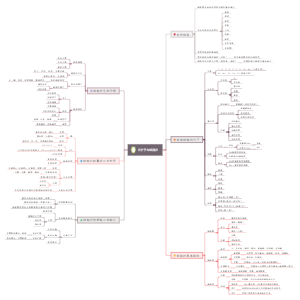
导图社区 Civil Rights Movements
ib history:Mary L. Dudziak: communist critics on American hypocrisy of its segregation。
编辑于2022-03-20 12:16:51Civil Rights Movements
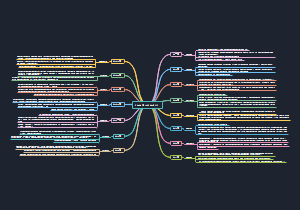
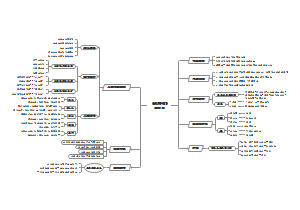
Historical background
American Civil War
end of slavery: 13th Amendment by Abraham Lincoln, 1865
1866: creation of Ku Klux Klan (KKK)
white supremacist political organisation
youngish, middle-class men
sinister white clothing with face masks & conical hats
1880: Jim Crow Law
origin: typical black minstrel show character
definition: discriminatory laws prohibiting African American from using public facilities
1883: Supreme Court declaration: Civil Rights Act of 1875 unconstitutional
1896: Plessy v. Frguson
'separate but equal'
1910-1940: Great Migration
2 million blacks from rural south to industrial cities
Deep South: Alabama, Florida, Georgia, Louisiana, Mississippi, South Carolina
1920
Roosevelt's New Deal: gov intervention to help stimulate financial recovery, give relief to poor & unemployed
Harlem Renaissance: community of writer/musician an expressive platform for challenging inequality
World War II
equality on the battlefield, segregation in military facilities
Mary L. Dudziak: communist critics on American hypocrisy of its segregation
Levin Papsotiriou: South no longer isolated from public
National Association for the Advancement of Coloured People (NAACP)
founded in 1909
oldest & largest civil rights organisation in USA
'to ensure the political, educational, social, and economic equality of rights of all persons and to eliminate racial hatred and racial discrimination'
Thurgood Marshall: lawyer, 8-1 victory fighting in Smith v. Allwright
Fair employment Practices Commission (FEPC)
set by Roosevelt in 1941
blacks employed in wartime munitions industries & gained new skills for postwar
1946: Harry S. Truman establish Congressional Committee on Civil Rights
1950s: Civil Rights = Communism (McCarthyism)
Eisenhower: racial issue exaggerated
May 1954: Brown v. Topeka Board of Education
D.D.E appointed Earl Warren the chief justice
'school no longer segregated'
starting point for civil rights acceleration
1956: Southern Manifesto
agreement signed by most southern politicians
declaration of constitutional principles designed to impose the implementation of two Brown verdicts
augment southern opposition to further integration
Traynor: Eisenhower's record on civil rights was probably the weakest element of his entire administration
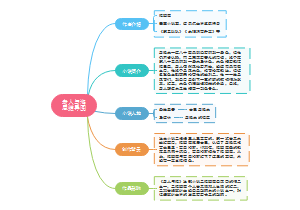
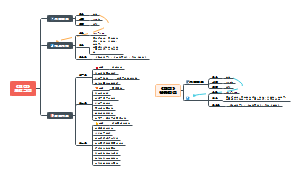
Progress
1955-56 Montgomery Bus Boycott
Montgomery Improvement Association (MIA) sends unfamous MLK to light
Rosa Parks
chosen well being figure
black seamstress & staunch Methodist
impact
first mass non-violent mobilisation of black ppl
leaders/main figures harassed, threatened
MLK's emergence as a key figure
1957 Little Rock
Little Rock Nine: first 9 black students to a white high school
Orval Faubus: Arkansas governor, supporting segregation
intend to maintain de facto segregation but failed due to Cooper v. Aaron Supreme Court decision
Eisenhower demanded him not to challenge Supreme Court
1960-61
Sit-ins
cause
1960 Feb 1, Greensboro, North Carolina
Greensboro Four: 4 black students refused to leave a whites-only area
policy 'jail, no bail'
student led-demonstrations typically non-violent
Freedom Rides
purpose
1st: Washington, DC, 1961 May 4
scheduled to New Orleans, Louisiana on May 17
Congress of Racial Equality (CORE) + Student Nonviolent Coordinating Committee (SNCC)
tactics: black in the front to provoke a reaction
Alabama: violence by Birmingham Police Commissioner 'Bull' Connor
1961 May 21
1500 ppl in Montgomery church by MLK surrounded by mob
JFK demand immediate protection of blacks or dispatch federal troops
impact
critics on CORE putting riders in danger to provoke social unrests
promote campaigns
CORE, SCLC, SNCC to prominence
direct action
tendency to organise members in own community
contrast to NAACP (grounded in fighting legal battles & promoting changes in legislation)
1962
showdown btw state & federal authoritiesJames Meredith
James Meredith: black US Air Force veteran rejected by uni. of Mississippi
segregation mob attack campus on arrival of Meredith
most violent conflicts in Mississippi
1963
arrests of MLK & other ministers demonstrating in Birmingham, Alabama
August 28
'March on Washington for Jobs and freedom'
'I Have a Dream' at Lincoln Memorial
high point of MLK influence
1964
Freedom Summer
local Council of Federated Organisations (COFO)
association of civil rights groups
SNCC its most active member
aim: increase black voter registration in Mississippi
2 white 1 black activist killed
accelerating passing of Civil Rights Bill
formation of Mississippi Freedom Democratic Party: international publicity
impact: diversion of violent/non-violent tactics
Civil Rights Act
by Lyndon B. Johnson
end de jure segregation
Irving Bernstein: a rare and glittering moment in the history of American democracy
filibuster of South: in Senate prevent bill from passing by talking continuously for hours thus no time for voting
impact
justification of success of non-violent tactics
emergence of black middle-class
remaining de facto segregation
Alabama governor George Wallace's popularity +
1965
Selma to Montgomery March
MLK arrested in Selma on 1 Feb, released later
religious leaders in support
Voting Rights Act
Watts Riots
South LA, Aug 11
beating white ppl who enter the area
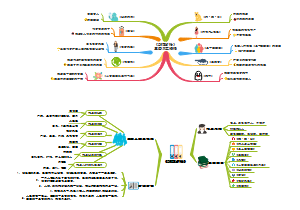
Key actors/groups
nature
reformist: bring definite change/improvement to social/econ/political system
revolutionary: overthrow both existing gov & political system, usually change econ/social around it
tactic
legal action: ensuring recognition & support for the rights of black by legal system
mass action: grass-roots, using ppl of communiy
electoral politics: dominant tactic with campaign for voter registration
groups
NAACP
providing opportunity for local leader to acquire skills in organisation
respected for massive resistance
CORE
non-violent direct action
proactive in its own rights
advising student activists on non-violent techniques
protect civil rights workers from KKK
non-violent end to discrimination
SCLC (Southern Christian Leadership Conference)
coordinate actions & politics of local protest groups throughout south
Aldono D. Morris: institutionalised charisma
clergy, supportive congregations & organised black masses working in harmony
viable network of church-related protest groups
SNCC (Student Nonviolent Coordinating Committee)
temporary organisation to help coordinate future sit-ins & other protests
Albany Movement: campaign to challenge all forms of discrimination & segregation
key groups
influencial civil rights leaders from Mississippi
SNCC field secretaries
white student volunteers in Freedom Vote mock election of October 1963 & Freedom Summer
gathering militancy after accusing MLK of cowardice
Malcolm X: non-violence no longer the preferred option
church
church beyond white control in south
able to represent an independent voice
spirituality of so many ordinary black
being voice/conscience of the community
protect, inform, educate
impacts
signs of strain & lack of unity
increase in urban racial violence in north & west
separate spheres: black cultural identity & black-controlled institutions