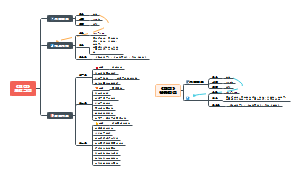
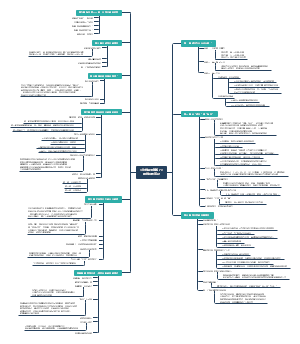
②表“每一”,用于表时间、速度、价格的名词前。如: once a month, 60 kilometers an hour, ten yuan a kilo
③表数量“一”,但数的概念没有one强烈。如:I have a/one brother.
④a+序数词表示“又一,再一”。如:The man tried a third time.
⑤泛指某人/物,但不具体说明是何人/物。如:Is there a bank near here?
⑥用于不可数的物质名词和抽象名词前,使其具体化,表示一种,一场,一次。 如:a heavy rain, get a surprise, make a fire, It's a pleasure.
⑦用于可视为一体的两个名词前。如:a knife and fork一套刀叉; 比较:a teacher and writer 与a teacher and a writer
⑧用于专有名词前,表说话人不知道的人或事。如:A Mr. Smith called you.
⑨在月份、星期及evening等名词前有修饰词时。如:on a windy morning, on a sunny Friday
固定短语
a few, a little, a bit (of), a lot of, in a hurry, go for a walk, take a walk, make a living, as a result, in a low/high voice, once upon a time, once in a while, all of a sudden, have a cold, have a rest/break, have a great time, a number of, What a shame/pity!It's a pity that...
例:A number of students in our class are active. The number of students in our class is 46.
泛指一类人/物
A horse is useful. / The horse is useful. / Horses are useful. 马是有用的。(最后一种不容易产生歧义)
有无定冠词的区别
in front of__________________in the front of__________________
in hospital__________________in the hospital__________________
take place___________________take the place (of)____________________
in future____________________in the future_____________________
at table_____________________at the table______________________
in class_____________________in the class______________________
in bed______________________ in the bed_________________________
by sea_______________________ by the sea________________________
零冠词
用法
①球类、棋类活动和学科名称前。如:play tennis/chess,learn English
②节日、月份、四季、星期、日期前。
③名词前有指示代词、物主代词、不定代词或数词等。
④物质名词和抽象名词前。We can't live without water.(泛指) The water in the glass isn't clean.(特指)
⑤三餐名词前。如:have breakfast(注意:have a quick breakfast)
⑥称呼、头衔、职位前。如:Good morning, sir/Mr Li/Doctor Liu?
⑦表交通方式的介词短语。如:by bus/bike/subway/air/plane, on foot (注意:on the school bus, in one's car)
⑧专有名词前。如:in China/Beiing
固定短语
watch TV, at school, at home, at work, at first, at last, at present, in trouble, in need, in danger, in surprise, in silence, on time, in time, from time to time, at night/noon, face to face, day by day, after class/school
定冠词the
用法
①指上文提到的人或物。如:I have a house. The house is very big.
②特指某人或某物。如:The old book is mine.
③指谈话双方都知道的人/物。如:Can I close the door? It's a little cold.
④用于指世界上独一无二的事物。如:The sun is bigger than the moon.
⑤用于序数词和形容词最高级前。 如:the first one to leave, one of the oldest countries
⑥the+姓氏的复数形式,表一家人或夫妇二人。如:the Greens格林一家,格林夫妇
⑦the+形容词,表一类人。如:the rich, the poor, the sick , the young
⑧用于乐器名称前。如:play the piano
⑨用于表示具体的地点、方位、具体的时间或某天的一部分。 如:on the left, in the east, in the afternoon , from the west
⑩“the+比较级...the+比较级...”表“越...越...”
⑪用于短语或定语从句所修饰的名词前。 如: the boy with glasses; This is the purse I lost yesterday.
⑫用于由普通名词构成的专有名词前。如: the Great Wall, the Yellow River
固定短语
all the time, all the same ,the number of, at the moment, in/during the daytime, by the way, at the age of, at the beginning/end of, by the end of, in the end, in the middle of , on the one hand...on the other hand...,around/all over the world