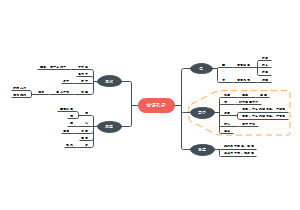
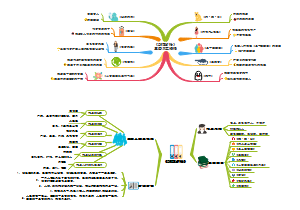
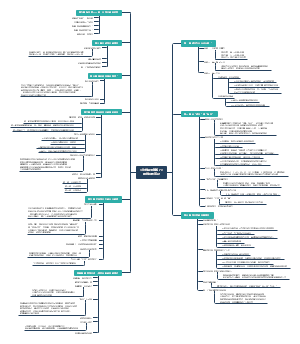
1. Deixis is a technical term (from Greek verb "deknum", meaning "show, point,indicate.")which means "pointing"via language.
2. Deixis concerns the ways in which languages encode or grammatical I zero features of the context of utterance or speech event; and the ways in which the interpretation of utterances depends on the analysis of that context of utterance. —Levinson: Pragmatics, 1983
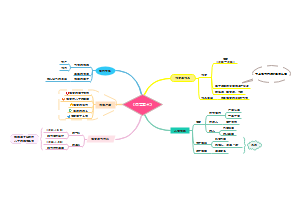
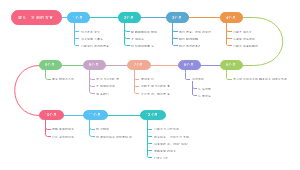
II. 3 usages of the deictic expressions
1. Deictic usages
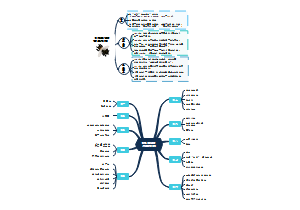
(1) Gestural usage 身势用法
Gestural deixis refers to those expressions that are closely related with those paralinguistic features, such as using hand-pointing, shaking-head, and winking-eye, etc.
(2) Symbolic usage 象征用法
Symbolic deixis refers to those expressions that are independent of those paralinguistic features in the actual situations.
2. Non-deictic usages
(1) Endophoric reference
If the objects that the deictic expressions refer to exist within the discourse, then their relationship(the
vocabulary and the object) is called endophoric reference.
another 前指
If the word, typically a pronoun, used to maintain reference to someone or something already mentioned, then the use of the word is called anaphor R(A)+D
catapher 后指
While the use of a word (typically a pronoun) to introduce someone or something that is more fully identified later, the use of the word is called cataphor.D+R
(2) Exophoric reference
If the objects that the deictic expressions refer to exist outside the discourse, then their relationship (the vocabulary and the object) is called exophoric reference.
3. Gestural dictic usages
They are usually the fixed expressions or idiomatic phrases
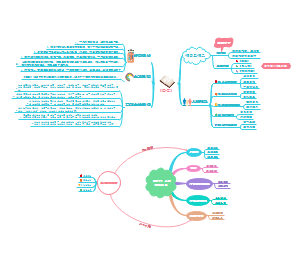
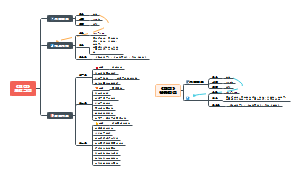
III. Types of Deixis
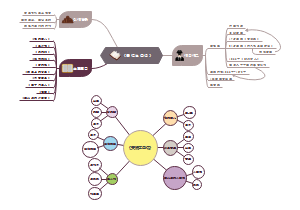
1. Person deixis
(1) First person
"we-inclusive-addresee"
a. Let's go ro the restaurant.
b. Let's go to the cinema.
"we-exclusive-addresee"
a. Let us know the time of your departure.
b. 您安心养病吧!我们过几天再来看您。
(2) Second person
(1) A formal one or honiric one used for showing respect to the addresses which are older or more important than the speaker.
(2) "You"can be used as vocative,indicating the addressee.
a. Sermons(呼唤语)
b. Addresses(称呼语)
(3) In some cases, the speaker may use the third person phrase to point the addressee instead of the scene person.
(3) Third person
Pragmatics concerns the use of the third person in referring to the speakers and the hearers.
2. Time deixis
(1) Cdoing time
CT:the time when a message is formed.
(2) Receiving time
RT:the time when a message is received.
(3) Calendric time
solar
lunar
(4) Non-Calendric time
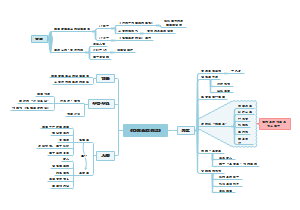
3. Place deixis
Motion verbs
Dictic center
"I-here-now"(Egocentricity of Deixis)
A shift of deictic center
Deictic Projection(Politeness Projection)
(1) Gestural use
Gestural use: If the use and understanding of place deixis sometimes involves the use of gestures, it will be known as the gestural use.
(2) Symbolic use
Symbolicuse: Unlike the discussion we made above in the gestural use, symbolic use of place deixis relies not on gestures but on a kind of shared knowledge held between or among people in communication.
(3) Deictic use
By deictic use of place deixis, it means that the understanding of
some place deictic information must rely on the utterance context.
(4) Non-deictic use
By the non-deictic use of place deixis, it means that the understanding of place deixis sometimes does not need to refer to the utterance context because the reference is relatively fixed.
4. Social deixis
(1) Relational 相对
(2) Absolute绝对
Social discourse is the use of deicticterms for indicating social status of the participants in a discourse, and their relations determined thereupon.
5. Discourse deixis
Cohesion (Halliday)
Cohesive devices (Halliday&Hasan)
a. Reference 参照
b. substitution 代替
c. Ellipsis省略
d. Conjunction合并
e. Lexical Cohesion词汇衔接
(1) Pure textual deixis
Pure textual deixis: it refers not to the sentence but, perhaps, to the statement made by uttering that sentence. "It's not true!"(For the unbelievable sight)
(2) Impure textual deixis
Impure textual deixis: the pronoun that seem to be anaphoric (unless it refers to the same entity that the utterance does, i.e. a proposition or a truth value).
Pure time
It means a group of words that they themselves carry the concept of time.Such as,now, then, soon, recently.