导图社区 13.the citric acid cycle
生化TCA循环总结,框架清晰,内容丰富,帮助小伙伴快速掌握知识要点,有需要的小伙伴可以下载收藏哦~
社区模板帮助中心,点此进入>>
论语孔子简单思维导图
《傅雷家书》思维导图
《童年》读书笔记
《茶馆》思维导图
《朝花夕拾》篇目思维导图
《昆虫记》思维导图
《安徒生童话》思维导图
《鲁滨逊漂流记》读书笔记
《这样读书就够了》读书笔记
妈妈必读:一张0-1岁孩子认知发展的精确时间表
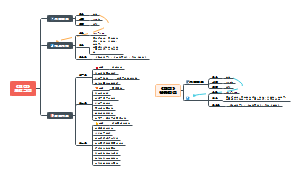
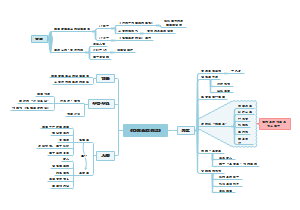
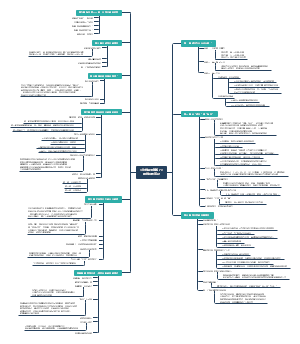
13.the citric acid cycle
1. the citric acid cycle
1.1. aka Krebs cycle, tricarboxylic acid cycle(TCA)
1.2. oxidizes acetyl CoA to CO2
1.3. produces ATP(GTP)/NADH/FADH2
1.4. NADH/FADH2 then go on to make more ATP in electron transport and oxidative phosphorylation
2. conversion of pyruvate to acetyl CoA
2.1. pyruvate dehydrogenase links glycolysis to the citric acid cycle
2.2. oxidative decarboxylation: pyruvate + HS-CoA +NAD+ →(pyruvate dehydrogenase complex)→ acetyl-CoA + CO2 + NADH
2.3. pyruvate must enter the mitochondria to enter the TCA cycle
2.4. pyruvate dehydrogenase complex
E1: pyruvate dehydrogenase
cofactor: TPP
catalyze: oxidative decarboxylation of pyruvate
①carbanion of TPP + pyruvate + 2H+ → hydroxyethyl-TPP +CO2
②hydroxyethyl-TPP + lipoamide → carbanion of TPP + acetyllipoamide
E2: dihydrolipoamide acetyltransferase
cofactor: lipoamide
catalyze: transfer the acetyl group to Co-A
③Coenzyme-A + acetyllipoamide → acetyl CoA + dihydrolipoamide
E3: dihydrolipoamide dehydrogenase
cofacter: FAD
catalyze: turn the reduced lipoamide to oxidized
④dihydrolipoamide + FAD → lipoamide + FADH2
⑤FADH2 + NAD+ → FAD + NADH + H+
2.5. pyruvate(3C) → acetyl-CoA(2C) + CO2
3. the citric acid cycle oxidizes acetyl CoA
3.1. two general features
the flow of carbon
the production of "high energy" molecules
4. the citric acid cycle enzyme
4.1. condensation
acetyl-CoA + oxaloacetate + H2O →(citrate synthase)→ citrate + CoA-SH
2C + 4C = 6C, irreversible
4.2. dehydration & hydration
①citrate ←(aconitase)→ H2O + cis-aconitate
②cis-aconitate ←(aconitase)→ H2O + isocitrate
6C = 6C
4.3. oxidative decarboxylation
①isocitrate + NAD+/NADP+ →(isocitrate dehydrogenase)→ oxalosuccinate + NADH/NADPH + H+
②oxalosuccinate → α-ketoglutrate + CO2
6C = 5C + CO2, the first oxidation-reduction reactions, irreversible
4.4. oxidative decarboxylation
α-ketoglutrate + CoA-SH + NAD+ →(α-ketoglutrate dehydrogenase complex)→ succinyl-CoA + CO2 + NADH
5C = 4C + CO2, the second oxidation-reduction reactions, irreversible
4.5. substrate-level phosphorylation
succinyl-CoA + GDP + Pi →(succinyl-CoA synthetase)→ succinate + GTP + CoA-SH
succinyl-CoA synthetase: two isozymes, one for GDP, the other for ADP
4C = 4C, the only substrate-level phosphorylation
4.6. dehydrogenation
succinate + FAD ←(succinate dehydrogenase)→ fumerate + FADH2
succinate dehydrogenase: the only membrane-bound
4C = 4C, the third oxidation-reduction reactions
add: NADH electronic(transport per O2, 10H+); FADH2(transport per O2, 6H+)
4.7. hydration
fumarate + OH- ←(fumarase)→ carbanion transition state
carbanion transition state + H+ ←(fumarase)→ L-malate
4C = 4C
4.8. dehydrogenation
L-malate + NAD+ ←(malate dehydrogenase)→ oxaloacetate + NADH + H+
4C = 4C, the fourth oxidation-reduction reactions
4.9. total
produces 1GTP(ATP), 2CO2, 4 reduced coenzymes(1FADH2 + 3NADH)
5. entry of pyruvate into mitochondria
6. reduced coenzymes can fuel the production of ATP
6.1. all the NADH + FADH2 will eventually pass their electrons to O2 after being transferred through a series of electron carriers
6.2. the complete oxidation of each NADH molecule leads to the generation of about 2.5ATP, and FADH2 of about 1.5ATP
6.3. the energy of TCA cycle
6.4. the energy of glycolysis + TCA cycle
2glyceraldehyde 3-phosphate → 2 1,3-bisphosphoglycerate
NADH → FADH2: glycerol 3-phosphate shuttle, 1.5
NADH → NADH: malate-asparat shuttle, 2.5
the total energy: 30/32
6.5. add: the mechanism used to shuttle NADH equivalents from the cytosol to the mitochondrial matrix
glycerol 3-phosphate shuttle
malate-aspartate shuttle
7. regulation of the citric acid cycle
7.1. the four enzymes to regulate
①pyruvate dehydrogenase complex
②citrate synthase
③isocitrate dehydrogenase
④α-ketoglutarate dehydrogenase
when ADP/ATP or NAD+/NADH RATIO is high, the TCA cycle is turned on
7.2. the regulation of pyruvate dehydrogenase complex
allosteric regulation
inhibit by Acetyl-CoA(E2)
inhibit by NADH(E3)
covalent modification(mammalian, E1)
phosphorylation: inactive
dephosphorylation: active
8. the citric acid cycle isn't always a "cycle"
8.1. amphibolic: anobolic pathway + catabolic pathway
8.2. anaplerotic reactions
pyruvate carboxylase: pyruvate → oxaloacetate(animal)
PEP carboxykinase: PEP → oxaloacetate(animal)
PEP carboxylase: PEP → oxaloacetate(bacteia&plant)
malic enzyme: pyruvate → malate
9. the glyoxylate pathway
9.1. plants + some bacteria use glyoxylate cycle to produce 4-C compounds from acetyl-CoA
9.2. isocitrate lyase and malate synthase are the short-circuiting enzymes
9.3. the glyoxylate pathway
①acetyl-CoA → citrate → isocitrate →(isocitrate lysase)→ glyoxylate + succinate
②glycoxylate →(malate synthase)→ malate → oxlaoacetate
total: 2acetyl-CoA + NAD+ +2H2O → succinate + 2CoA + NADH + H+
9.4. the relationship between the TCA and the glyoxylate pathway
fatty acids(lipid body) → fatty acids(glyoxysome) → succinate(glyoxysome) → succinate(mitochondrion) → malate(mitochondrion) → malate(cytosol) → oxaloacetate → gluconeogenesis