导图社区 第二十课上You Can't Do It Because It Hur
- 46
- 2
- 0
- 举报
第二十课上You Can't Do It Because It Hur
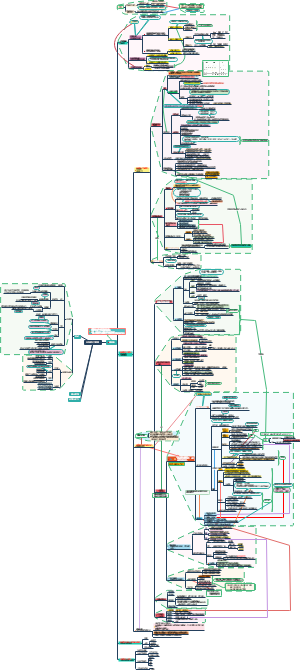
这是一篇关于第二十课上You Can't Do It Because It Hur的思维导图,主要内容有课文、New words、lntensive reading、短语。
编辑于2022-09-18 22:35:56
- 相似推荐
- 大纲






You Can't Do It Because It Hurts Nobody 并不能因为没有伤害到任何人,你就可以干坏事
课文
Who do you think breaks the law in our society? If you believe that only tough guys commit crimes, you may have to think again. Answer the following questions honestly, Has anyone you know ever driven drunk? Can you think of a friend who has used drugs? Are you aware that your parents may not always tell the truth when they go through customs? Won't some of your friends admit that they have stolen an item from a store? Have any of your friends ever copied a CD onto a tape for someone else?
你认为在我们的社会里哪些人会触犯法律?如果你认为只有暴徒才会犯罪,那你可能就必须重新考虑考虑了。老老实实地回答下列问题:你所认识的人中有没有人曾经有酒后开车的行为?你能否想起来,你有个朋友曾经使用过毒品?你有没有觉察到你父母在过海关时很可能并不总是讲老实话的?难道你的朋友没有人曾经把激光唱碟 CD 上的内容替另外一个人转录到录音带上?
In case you did not know, all of these acts are against the law. Now, among the people you know, how many have never broken the law? Does that mean that most members of our society should go to jail? Unlike in the movies, we can't divide the world into bad guys and model citizens.Real life is much more complex. In the same way that diseases range from the common cold to fatal forms of cancer, crimes vary in degree. For example, smoking in an elevator will inconvenience people, but much less than threatening them with a gun.
假如你过去不懂,那么现在你应该知道,这一切做法都是违法的。那么,现在看看在你所认识的人中,有多少人根本从严就没犯过法?那么,这是否意味着把我们这个社会的绝大多数成员都该关押起来?跟电影片子里的情况不同,我们不能把世人简单地分成坏蛋和好人。真实的生活要复杂得多。人生病,有的是普普通通的着凉,也有形形色色致使的癌症,罪行同样也会有严重程度上的不同。例如,在电梯里抽烟会使人感到讨厌,但总比用枪来威胁他人要轻得多。
In addition to breaking the law themselves, people tolerate various levels of crime. Why are we tolerant of some crimes? It may be that, by seeing others do something, we accept it more easily. We may even start committing that crime ourselves. For instance, most people will find it easier to speed on a highway when everybody else is driving over the speed limit. When people celebrate a sports championship, if they see someone breaking store windows, they might start breaking windows themselves or even steal from the store. So the people around us influence how much law-breaking we can tolerate.
人们除了自己会犯法,一般也能容忍程度不同的罪行。人们为什么会容忍某些罪行呢?这可能是因为看看其他人干了某件事,我们就轻易接受。我们自己甚至会开始犯那种罪行。例如,在公路上大家都超速行驶时,大多数人都会发现自己也比较容易超速行驶。当人们在庆贺某项体育冠军时,如果他们看见某人正在砸烂商店的橱窗,也许他们自己也会开始动手去砸橱窗,甚至会从商店里偷东西。所以我们周围的人会影响到我们对违法行为的容忍程度。
We must also wonder whether seeing violence on television or reading about it in the newspapers every day makes us tolerate crime more than we should. We become used to seeing blood on the news on television, or in full color in newspapers and magazines. Because we see thousands of dead people on TV, maybe we just try to ignore the situation behind the violence.
我们也可能会怀疑,是否因为我们每天都看到电视上的暴力场面,每天都读报报纸上的暴力新闻,这一切都使得我们对本来不应容忍的犯罪行为变得更加能够容忍了。看到电视新闻中的血腥场面或看到报刊上的五颜六色的血腥图片,我们现在已经习以为常了。因为我们在电视上看到了成千上万的死人,也许我们就不大理会在这些暴行场面背后的情况了。
If so many citizens tolerate violence and crime, or even commit crimes themselves, it may simply be because of the human mind. Our minds may not care about specific laws. Instead, our minds may have a system of values that usually prevents us from hurting other people to improve our own lives. Yet, when it comes to respecting the rights of a mass of anonymous individuals, we might not be so responsible. While most people would not steal a wallet containing $50, they may not mind cheating on taxes, because cheating on taxes does not hurt any one person. It hurts society, but "society" remains an abstract idea that is not as real as a neighbor or a friend's friend.Perhaps this is why someone who robs a few dollars by force from a corner store will often end up with a longer jail term than a fraud artist who swindles thousands of dollars: threatening the life of an individual is not acceptable in our society.
如果有非常多的市民能容忍暴力和犯罪行为,甚至这些市民自己就在搞犯罪活动,这很可能只是因为人的思想在作怪。我们思想对某些具体的法律条文可能不够重视,代替这些法律条文的是我们思想中有一套自己的是非价值观念。这些观念使我们不能为了改善自己的生活而去伤害他人。然而,当涉及到尊重众多的无名小辈的权利时,我们很可能就不那么认真负责地对待这些问题了。尽管绝大多数人不会去偷窃里面装有 50 美元的一个男用皮钱包,但是他们很可能在交税方面有欺骗行为,偷税漏税。因为偷税漏税不会伤害任何一个具体的人。偷税漏税伤害到社会,不过"社会"仍然是个抽象概念,社会并不像某位邻居或某朋友的朋友那样具体的人。也许这就是之所以一个人从街拐角的一家商店里抢劫力三两美元,其后果常常要比诈骗了数千美元的冒牌艺术家蹲监狱的刑期还长的原因:用武力来威胁任何一个人的生命在我们的社会里都是根本不能允许的。
When we look at the questions in the first paragraph and realize that many people have misconceptions about law-breaking, we could think it is surprising that only about 10% of Canadians have a criminal record. How could we improve the level of honesty in our society?Would a larger police force keep everyone honest? Would severe laws help make our society better? Probably not. The police would never be able to keep an eye on everyone, and people would still find ways to bend new laws. Honesty will have to come from social pressure: in the family, at school, on the job, each and every one of us can encourage honesty by showing which behaviors are unacceptable. Teaching respect should become everyone's responsibility.
当我们看了本文第一段中的几个问题并且我们意识到了许多人对犯法这一概念有错误的理解之后,加拿大人只有百分之十的人有过前科,这一点非常令人吃惊。我们怎样和能让我们的社会中的人变得更加诚实呢?扩大警力的队伍会让每个人都诚实吗?严厉的法律有助至高无上我们把社会搞得更好一些吗?未必会吧。警察们永远也不会用眼睛盯着每一个人,人们总会找出种种办法去曲解新颁布的法律条文。诚实将不得不来自社会上的压力:在家里,在学校,在工作岗位上,我们每个人以及我们全体都要鼓励诚实的言行。要表明哪些行为是人们所不能接受的。教会人们尊重别人也教会人们自我尊重,应该成为每个人的职责。
New words
坚硬的
PIE*denk,咬
→Proto-Germanic*tango,钳子,夹具→古英语tang,钳子,夹具
tongs
→Proto-Germanic*tanhuz,结实的,坚硬的→古英语 toh,结实的,坚硬的
tough
拼写受 rough,enough
→Proto-Germanic*tang,咬→古英语tang, 蛇信子,因蛇信子散发强烈的刺鼻恶臭
tang
tough
[tʌf]
adj. 棘手的; 坚强的; 粗野的; 治安很差的; 艰难的; 强硬的; 坚固的; 嚼不动的; 倒霉的;
The tough mountaineer succeeded in getting to the top of the mountain.
(那位强壮的登山运动员成功地登上了山顶。)
Those tough law-breaking youngsters should be dealt with seriously.
deal
[diːl]
n. 交易,协议; 待遇; 很多; 发牌;
v. 经营,买卖; 贩毒; 发(牌);
来自PIE*dail, 分配,词源同time, demotic. 引申义发牌,交易,经营。
dealt
[delt]
v. [牌戏]分( deal的过去式和过去分词 ); 分配; 经营; 施予;
dead
[ded]
adj. 死的; 死气沉沉的; 用尽的; 没电的; 完全的; 已停滞的;
adv. 完全地; 非常; 正好;
n. 死(者);
来自PIE*dheu, 死,词源同die.
death
[deθ]
n. 死(亡); 终结,破灭; 死神;
die
[daɪ]
v. 死,凋谢; 消失; 灭亡; 停止运行; 熄灭;
n. 模具;
seriously
[ˈsɪəriəsli]
adv. 严肃地; 认真地; 非常;
serious
[ˈsɪəriəs]
adj. 严重的; 令人担忧的; 重要的; 严肃的; 认真的; 庄重的; 大量的;
来自拉丁语 serius,严重的,严肃的,认真的,来自 PIE*swer,重的。
(应该严肃对待那些无法无天的青少年。)
She complained about the tough steak.
(她抱怨牛排太老。)
steak
[steɪk]
n. 牛排; 碎牛肉; 鱼片
They had a tough time during the war.
(战争期间她们苦熬度日。)
It was tough to get a satisfactory job.
(找一份令人满意的工作很不容易。)
satisfactory
[ˌsætɪsˈfæktəri]
adj. 令人满意的; 合适的;
-satis-足,饱,满 + -fact-做,作 + -ory形容词词尾
He'll be tough on you if you bother him.
(如果你麻烦他,他会对你不客气。)
bother
[ˈbɒðə(r)]
v. 麻烦,操心; 使苦恼; 打扰,纠缠; 使疼痛;
n. 麻烦,困难; 令人烦恼的事/人;
int. 真讨厌(表示对某人/事烦恼);
动词"使人不安或烦恼"
bother 指使人烦恼而引起的紧张不安或感到不耐烦。
disturb 较正式用词,多用被动态。指拢乱,使人不能平静或妨碍别人工作、思维或正常秩序,是程度较深的烦恼。
trouble 指给人在行动上带来不便或在身心上造成痛苦。
annoy 强调因被迫忍受令人不快、讨厌的事而失去平静或耐心,多指一时的打拢或恼怒。
irritate 语气比annoy强得多,指激怒,使发怒,多指一种短时间的反应。
vex 侧重指因不断的干扰而引起的烦恼,有时含激怒的意味。
Camels are tough and hardy creatures.
(骆驼是能吃苦耐劳的动物。)
camels
['kæməlz]
n. [造船](打捞用的)浮筒( camel的名词复数 ); 骆驼; 工作作风官僚; [航海学]码头边的木靠把
creatures
['kri:tʃəz]
n. 生物,动物( creature的名词复数 ); 人;
creature
[ˈkriːtʃə(r)]
n. 生物,动物; (具有某种特征的)人; 傀儡
create
[kriˈeɪt]
v. 创造; 创建; 引起; 产生; 授予
n. 暴徒;
v. 坚持;
adv. 坚强地;
tough glass 不易碎的玻璃
tough criminal 粗暴的罪犯
tough steak 咬不动的牛排
tough problem 难题
tongs
[tɒŋz]
n. V形夹子,火钳; 吊钳; 钳子; 火剪;
tang
[tæŋ]
n. 强烈的味道或气味; 柄脚; 特性;
罪行
crime
[kraɪm]
n. 罪行,犯罪活动; 严重错误,罪过;
来自PIE*krei, 区分,筛选,→拉丁语cernere(判断,决定)派生的→crimen(判断,罪名)→法语crimne→英语crime
词源同crisis, discriminate. 即区分出来的非法行为。
-cern-(判断,决定) → crim罪名 + -e
He committed a crime last year and was sent to prison.
He committed a crime against the security of the state.
(他犯了危害国家安全罪。)
committed
[kəˈmɪtɪd]
adj. 忠诚的,坚定的;
v. 保证(做某事、遵守协议或遵从安排等)( commit的过去式和过去分词 ); 把…托付给; 把…记(或写)下来; 承诺;
commit
[kəˈmɪt]
v. 犯罪; 承诺,忠于(某人); 明确表态; 自杀; 调配; 把…正式送进(医院、监狱等); 把…写下来/记住;
com-, 强调。-mit, 派遣,过去分词-miss, 词源同mission. 该词在使用过程中,扩展了诸多词义,甚至词义演变模糊的词义。
security
[sɪˈkjʊərəti]
n. 保护措施; 保卫部门; 担保; 安全; 防卫; 抵押品; 证券;
It is a crime to waste so much food.
(浪费那么多食物是一种罪过。)
waste
[weɪst]
v. 浪费,滥用; 白费; 错过(机会);
n. 浪费,滥用; 糟蹋; 废料,垃圾; 荒原,沙漠;
adj. 荒芜的; 废弃的;
来源于拉丁语中形容词vastus(空旷的,广阔的)及其派生的动词vasto, vastare, vastavi, vastatus(毁坏)。 同源词:devastate, vast
The president is determined to bring down the crime rate.
(总统下决心使犯罪率下降。)
rate
[reɪt]
n. 速度,进度; 比率; 价格,费用; 房产税;
v. 评估,评价; 看好; 划分等级; 配得上;
criminal
[ˈkrɪmɪnl]
n. 罪犯;
adj. 犯罪的; 刑法的; 不道德的;
Do you know that the man has a criminal record?
The criminal was sentenced to five years' hard labor.
罪犯被判处五年劳役。
sentenced
[ˈsentənst]
v. 宣判,判决( sentence的过去式和过去分词 );
sentence
[ˈsentəns]
n. 句子; 判断,宣判;
v. 判决; 宣判; 判刑;
来源于拉丁语中动词sentire(感觉)派生的sententia,其意义由“感觉”扩展到“观点,判断”,进入英语后开始出现“宣判”和“完整语法单元”的意义。 词根词缀: -sent-感觉 + -ence名词词尾
labor
[ˈleɪbə]
n. 劳动; 努力; 工作; 劳工;
v. 努力争取(for); 苦干; 详细分析;
adj. 劳工的,工会的; (常大写)(英国或英联邦国家)工党的;
vi. (指引擎)缓慢而困难地运转;
The wanted criminal had no place to hide.
(被通缉的罪犯无处可藏。)
hide
[haɪd]
v. 把…藏起来; 躲藏,遮住; 隐瞒,掩蔽;
n. 隐蔽处; 兽皮; (困境中的)生命;
wanted
[ˈwɒntɪd]
adj. 受通缉的; 被征求的;
v. 缺少( want的过去式和过去分词 ); 应该; 打算; 需要…在场;
want
[wɒnt]
v. 需要,想要; 打算; 通缉; 照料;
n. 想要的东西; 缺乏; 极度贫困;
The man was found to have a criminal record.
(那人被发现有犯罪记录。)
The criminal police are working on a major case.
(刑警队在着手一起大案。)
词源
-crit-, -cern- 判断,区分,决定
-crit-来源于希腊语中krinein(决定)派生的kritikos(能做判断的人)
-cern-和-cert-来源于拉丁语动词cern.o, cern.ere, crevi, cret.us/cert.us(判断,区分),从“判断/区分”引申出“确信”的含义。
cret, cern(creet, cre) = to observe(观察)to sift(筛选)
来自拉丁语的cernere意为to observe,to sift,to separate
cern是不定式词干,常构成动词
cert是动名词词干,多出现于名词或形容词,它们的变形为creet ,cre。此外,意为to grow ,to increase的cre,cru与这两词根的形态相似,注意不要混淆。
cern, cert, cret = sure, separate, 表示“搞清, 区别”
cern-, cert-, cer-; cret-, creet-, cre-
Latin: to separate, to sift, to distinguish, to understand, to decide, to determine; separated, separation, to set apart; the glandular extraction or the movement out of a natural substance
喝
drink
[drɪŋk]
v. 喝(酒);
n. 一杯; 酒(会);
可能来自PIE*dhreng, 喝,吸,来自PIE*dhreg的鼻音化形式,拉,词源同drag, draw.
drunk
[drʌŋk]
adj. 喝醉的; 陶醉的;
n. 醉汉,酒鬼;
v. 喝(酒)(drink的过去分词);
He was so drunk that he could not walk.
(他醉得路都走不起来了。)
He was charged with drunk driving.
(他被指控酒后驾车。)
The young man was drunk with success.
(那个年青人因为成功而喝醉了。)
风俗
custom
[ˈkʌstəm]
n. 风俗; 个人习惯; 惠顾;
adj. 定做的;
来自拉丁词consuetus, 来自词根su, 自己的,词源同self, idiom. 即形成自己的习惯。对进口商品惯常性的征收一定的税金或费用并最终形成专门的政府机构,词义由惯例引申为海关。
It is her custom to go for a walk every morning.
(她惯常每天早上去散步。)
They didn't know much about the customs of the country they were going to visit.
(对他们将要访问的那个国家的风俗习惯他们了解得不多。)
customs
[ˈkʌstəmz]
n. 海关; 关税;
adj. 进出口的;
It won't take you long to pass the customs.
(通过海关检查不会花你们太多时间。)
customary
[ˈkʌstəməri]
adj. 习俗的,习惯的; (某人)特有的;
It is customary to exchange gifts at Christmas.
(圣诞节时人们互赠礼物是一种习俗。)
gift
[ɡɪft]
n. 礼物; 天赋;
v. 赠送; 白送;
承认
admit
[ədˈmɪt]
v. 承认; 招供; 准许…进入; 接纳; 收治;
前缀ad-, 去,往。词根mit, 发送,送出,同mission,使团,使命。原指准许进出,后指同意。 admixture 混合 前缀ad-, 去,往。词根mix, 混合。-t , 过去分词。
mit, miss(mis, mess) = to send(送), to throw(投;掷)
来自拉丁语的mit,miss意为to send,to throw。变形为mis和mess。同义词根有来自拉丁语的leg和来自希腊语的stle。
He admitted having stolen that person's wallet.
wallet
[ˈwɒlɪt]
n. 钱包,皮夹;
He admitted his guilt to the police.
(他向警方承认犯罪。)
The boy admitted to his teacher that he was wrong.
(那男孩向老师承认自己错了。)
There were no windows to admit air.
(没有窗子可使空气流入。)
David was admitted into the school basketball team.
(大卫被纳为篮球队的队员。)
None of them admitted to cheating on exams.
(他们都不承认考试作弊。)
She admitted to having a strong like for light beer.
(她承认自己很喜欢淡啤酒。)
请注意下面几组词,找出其构词的规律:
admit / admission emit / emission
transmit / transmission submit / submission
admission
[ədˈmɪʃn]
n. 进入,准许加入; 承认; 入场费; 入院治疗; 坦白;
His admission that he had committed the theft proved John's innocence.
(他承认偷窃,从而证明了约翰的清白。)
He wasrefused admission into the club.
(他未获准加入俱乐部。)
Admission to the park is free.
(公园免费进入。)
admittance
[ədˈmɪtns]
n. 准许进入; 进入权;
admin
[ˈædmɪn]
abbr. 管理,行政;
administrator
[ədˈmɪnɪstreɪtə(r)]
n. 管理者; 有管理(或行政)才能的人; [法](由遗嘱检验法庭指定的)遗产管理人; 地产管理人;
administer
[ədˈmɪnɪstə(r)]
v. 治理,管理; 实施; 给予; 施用(药物); 给…一脚/拳;
ad-来,临近 + -mini-小 + -ster名词词尾 → ad-来,临近 + minister部长 → 部长所为
公民
PIE*kei,聚居,定居,安家
→拉丁语civis(市民,公民) →city
同源词:citizen, civil, civilian, civility, civilize
→Proto-Germanic*haimaz→古英语ham,村庄,屋子,居住地→home
词源同hamlet,haunt
city
[ˈsɪti]
n. 城市; 全市居民;
-ty,名词后缀。词义由休息引申至家园,住所。 在中世纪city 和town 在规模上并无明显区别。
Beijing is known to be one of the largest cities in the world.
citizen
[ˈsɪtɪzn]
n. 公民; 城镇居民;
Many Chinese in the United States have become American citizens.
citizenship
[ˈsɪtɪzənʃɪp]
n. 公民权利(或资格; 公民归属);
She comes from the United States and has applied for Chinese citizenship.
civil
[ˈsɪvl]
adj. 国民的; 民用的; 政府的; 民事的; 斯文的; 有礼貌的; 客气的;
civilian
[səˈvɪliən]
n. 平民,老百姓;
adj. 平民的; 民用的;
civility
[səˈvɪləti]
n. 礼貌; 客气; 礼仪; 客套;
home
[həʊm]
n. 家; 家庭; 家庭生活; 终点;
adj. 家庭的; 家用的; 本地的; 本部的;
adv. 在家; 在家乡; 深深地; 深入地;
town
[taʊn]
n. 城镇,市镇; 小村庄; 城镇居民; 商业中心;
来自古英语 tun,村庄,围场,居住区,来自 Proto-Germanic*tuna,栏杆,围栏,来自 PIE*dheue,
磁带
tape
[teɪp]
n. 带子; 胶带,磁带; 卷尺;
vt. 用带子捆起来; 录音;
vt.& vi. 录音;
来自古英语 taeppe,小布条,布带,可能来自拉丁语 tapete,布料,毯子,来自希腊语 tapes,纺 织品,布料,毯子,来自 PIE*temp,拉,伸,来自 PIE*ten,拉,伸,词源同 extend,tense.引申 诸相关词义。
taping
[teɪpɪŋ]
n. 磁带录音;
v. 用带子捆起来( tape的现在分词 ); 录音;
The teacher asked us to listen to English tapes when we had time.
(老师让我们有空时听英语磁带。)
She spent a whole morning taping the presents.
(她花了一个上午的时间捆扎礼物。)
As there was nobody at home, he taped a note to the door.
(因为家中无人,他便用胶布把一张字条粘贴在门上。)
The robber taped the watchman's mouth.
(抢劫犯用胶布封住守门人的嘴。)
He taped the conversation secretly.
(他偷偷把谈话用磁带录了下来。)
secretly
['si:krətlɪ]
adv. 秘密地,背地里; 偷偷地; 私自; 潜;
致命
词根
-fa-, -phe-, -pha-, -fe- to speak(说;论)
-pha-和-phe-来源于希腊语
-phon-声音,来源于希腊语phone(声音),可追溯至古印欧语词根bha-(说),
-fa-和-fe-来源于拉丁语
-fab- 说,寓言,传说 (来源于拉丁语fabula寓言,传说)
-fam- 名声,名誉 (来源于拉丁语fama流言,名誉 ← 说的人多了,就有名声了)以追溯到原始印欧语根 *bha-
-fant- 说 (来源于拉丁语infans, infantis, m婴儿 ← 婴儿是不能说话的,所以带有否定前缀in-)
-fat- 命运 (来源于拉丁语fatum神的话语 → 神说的是命中注定的)
-fess- 表白 (来源于拉丁语动词fateor, fateri, fassus, sum表白,承认)。
Latin: fari-, "to say, to talk"; telling, speak, say, spoken about; acknowledge
词解
fame 所传达的基本含义就是“人们争相传颂,奔走相告”,后来转出“名声;声望”的含义,说得人多了,声望自然就高了,也就出名(famous)了
infant(婴儿)同出此源,in- =not,表否定,fant是fam的变体,这里体现了2个鼻音m和n之间的转换,婴儿也就是 “还不会讲话的人”。
fate一词原义就是 “神说的话”,后来引申出了 “宿命,命运” 的意思,古希腊神话中掌管人的命运的三女神就被称为The Fates,她们遵照天王宙斯(Zeus)的旨意,掌管着人类的命运。
professor(教授)就是站在大家面前讲话的知识渊博的人,pro-是表示“前面”的前缀
profession(职业,专业)来自动词profess,
phone表示电话,是telephone的缩写,而telephone由tele和phone构成,tele表示“远”,phone表示“声音”,单词体现出来的意思是“从远处传来的声音”,也就是“电话”了。
Phone表示“声音”,来自词根phon,就是和fame同源,这里体现了f-ph,m-n的互换关系。
fatal
[ˈfeɪtl]
adj. 致命的; 灾难性的; 后果极严重的;
-fa-说 → -fat-命运 词根词缀: -fat-命运 + -al
He received a fatal wound in the battle.
(他在战斗中受了致命伤。)
wound
[waʊnd,wuːnd]
n. 伤口,创伤;
v. 使受伤; 伤害;
v. 使气急,蜿蜒; 上发条(wind过去式);
would
[wʊd,wəd]
modal. 将,会(will的过去式); 就; 请; 肯定; 愿意;
battle
[ˈbætl]
n. 战役; 争论,斗争; 奋斗;
v. 奋斗,作战;
batter
[ˈbætə(r)]
v. 殴打; 连续重击; 肆虐;
n. 面糊; 击球员;
better
[ˈbetə(r)]
adv. 更; 更好; 更恰当;
adj. 更好的; 能力更强的; 更合适的; (病情)好转的;
v. 超越; 改善;
n. 更好的事物; 上司;
pron. 更大成就;
The fatal eruption of the volcano caused unimaginable losses.
(火山毁灭性的喷发造成了难以想像的损失。)
eruption
[ɪ'rʌpʃ(ə)n]
n. 喷发; 爆发;
来自拉丁语eruptio
volcano
[vɒlˈkeɪnəʊ]
n. 火山;
Mutual trust is fatal to friendship.
(相互信任对于友谊来说不可或缺。)
mutual
[ˈmjuːtʃuəl]
adj. 共有的; 共同的; 相互的; 彼此的;
-mut-变 + -ual形容词词尾
来自阿拉伯语muttus,交换的,相互的,来自PIE*mei,改变,交换,词源同
trust
[trʌst]
n. 信任; 信托(财产); 信托基金机构; 公立医院;
v. 相信,信任; 信仰; 托付; 期望;
来自 true,忠诚的,真实的,-st,表名词,比较 forest.引申词义信任,委托,依赖等。
fatalities
[feɪˈtælɪti:z]
n. 恶性事故( fatality的名词复数 ); 死亡; 致命性; 命运;
The accident caused several fatalities.
(事故造成数人死亡。)
fatality
[fəˈtæləti]
n. 死亡; 致命性; 宿命感;
They are trying to reduce the fatality of heart disease.
reduce
[rɪˈdjuːs]
v. 减少,缩小; 使变成; 节食; 使不得不; 使沦为(不好境地); (使)浓缩;
deadly
[ˈdedli]
adj. 致死的; 阴险毒辣的; (贬)极其; 破坏性的; 枯燥的; 极难防御的;
(他们正努力降低心脏病的致命性。)
形容"致命的"
deadly 指能致命或实际已致命的事物,也可指企图致死他人的人。
fatal 正式用词,强调死亡的不可避免性,多用于指伤或疾病等。
mortal 语气强,指导致死亡的直接原因。
lethal 指由于某物本身具有致命的性能。
威胁
threat
[θret]
n. 威胁; 征兆;
来自古英语 threat,胁迫,威胁,来自 Proto-Germanic*thrautam,压迫,促使,来自 PIE*treud, 推,紧压,词源同 thrust,extrude,obtrude.
threaten
[ˈθretn]
v. 恐吓; 对…构成威胁;
threatening
[ˈθretnɪŋ]
adj. 胁迫的; 险恶的; 凶兆的; (天气等)要变坏的;
v. 恐吓; 威胁; 预示(某事)(threaten的现在分词);
en 是个动词后缀,加在名词或形容词的后面可以构成动词,
加在名词后面:heighten, lengthen, hasten
加在形容词后面:shorten, brighten, quicken
容忍
tolerate
[ˈtɒləreɪt]
v. 容许; 忍受; 有耐受性;
I can't tolerate your carelessness.
I cannot tolerate his dishonesty.
(我不能容忍他的不诚实。)
We will not tolerate their distorting the fact.
(我们不会容忍他们歪曲事实。)
distort
[dɪˈstɔːt]
v. 歪曲,曲解; (使)变形,失真;
tolerable
[ˈtɒlərəbl]
adj. 可忍受的; 过得去的; 可宽恕的; <口>还算健康的;
tolerant
[ˈtɒlərənt]
adj. 宽容的; 容忍的,忍受的; (植物、动物或机器)能在困难条件下生存(或操作)的; 能耐…的;
-toler-忍受,忍耐 + -ant形容词词尾
toler = endure 容忍
来源于拉丁语动词tolero, tolerare, toleravi, toleratus(忍受,忍耐),可追溯至原始印欧语tol-(举,携带)。
He is tolerant of opinions different from his own.
opinion
[əˈpɪnjən]
n. 意见; 信仰; 专家意见;
He is tolerant of different opinions.
(他能容忍不同意见。)
These plants are tolerant of extreme heat.
(这些植物能耐酷热。)
extreme
[ɪkˈstriːm]
adj. 极其的; 极端的; 偏激的; 尽头的;
n. 极端;
tolerance
[ˈtɒlərəns]
n. 宽容,容忍; 限度; 公差; 耐药量,耐药性;
Nowadays, parents often treat their children with too much tolerance.
treat
[triːt]
v. 对待,看待; 治疗; 处理; 请客,招待;
n. 请客,做东; 乐趣;
现在,父母对待孩子常常过于宽容。
My tolerance of your impoliteness is limited.
(我对你的无礼的忍耐是有限的。)
impoliteness
[ˌɪmpə'laɪtnəs]
n. 无礼,粗鲁; 失礼;
impolite
[ˌɪmpəˈlaɪt]
adj. 不礼貌的,失礼的,粗鲁的; 不客气; 悖礼; 非礼;
im-,不,非,polite,有礼貌的。
极限
limit
[ˈlɪmɪt]
n. 极限; 限制; 界限; 范围;
v. 限制; 限量; 使限于;
与词根-limit-(界限)同源
-limit-, -limin-, -lim-界限
来源于拉丁语名词limes, limitis, m(边界)和limen, liminis, n(门槛,入口)。
Latin: threshold (level at which something happens), point at which something begins or changes; boundary, limit
She had reached the limit of her patience.
(她已到了忍无可忍的地步。)
patience
[ˈpeɪʃns]
n. 容忍; 毅力; 单人纸牌游戏;
He was fined for exceeding the speed limit.
(他因超过车速限制而被罚款。)
exceeding
[ɪk'si:dɪŋ]
adj. (古时用语)非常好的,非常;
v. 超过( exceed的现在分词 ); 超越; (在数量和质量等方面)胜过; 越过…的界限;
fined
[faɪnd]
adj. 罚款的; 被罚的;
v. 动词fine的过去式和过去分词形式;
fine
[faɪn]
adj. 美好的; 健康的; 令人满意的; 纤细的; 精美的; 晴朗的;
adv. 很好;
n. 罚款;
v. 对…处以罚金;
来自拉丁语finis, 终结,边界,词源同finish. 引申义接近极点的,最高程度的,精细的,好的。罚金义来自终结债务,解决争端等。词义演变参照sublime.
Try to limit your talk to 5 minutes.
(请尽量把话在五分钟内说完。)
limited
[ˈlɪmɪtɪd]
adj. 有限的;(君主权力)受宪法限制的;〈美〉乘客名额有限制的;(智力,能力等)有限的;
He limited himself to 10 cigarettes a day.
(他限定自己一天抽 10 支烟。)
cigarette
[ˌsɪɡəˈret]
n. 香烟,卷烟;
来自cigar,雪茄,-ette,小词后缀。
cigar
[sɪˈɡɑː(r)]
n. 雪茄(烟);
词源不详,可能来自南美土著语。
We must make good use of the limited resources.
(我们必须好好利用有限的资源。)
Time is limited, we have to step here today.
(时间有限,我们今天只能讲到这儿。)
off limits 禁止进入
within limits 适度的;在一定范围内
without limit 无限制地
庆祝
celebrate
[ˈselɪbreɪt]
v. 庆祝; 赞美; 主持(圣餐或弥撒);
来自拉丁词celeber, 拥挤的,出名的。可能最终来自PIE*sker, 转,围,词源同ring, crowd. 即围起来的一群人。该词原指宗教弥撒,后指庆祝各种活动。
We'll go to celebrate grandma's 70th birthday this weekend.
(这个周末我们去庆祝祖母 70 岁生日。)
They are singing and dancing to celebrate their victory.
(他们唱歌、跳舞庆祝胜利。)
victory
[ˈvɪktəri]
n. 胜利; 成功;
celebration
[ˌselɪˈbreɪʃn]
n. 庆典; 庆祝; 赞扬;
The birthday celebration will be held at home.
(生日庆典将在家举行。)
The celebration of Chinese New Year used to include a display of fireworks.
(过去中国新年庆典包括放焰火。)
匿名
anonymous
[əˈnɒnɪməs]
adj. 匿名的,不知名的; 不记名的; 没有特色的;
an(没有)+onym(名字)+ous(形容词后缀)→匿名的
onym(onom) = name(名字)
来源于希腊语的onym 意为name,word。onom 是其变形。
He was greatly disturbed by the anonymous letter.
(匿名信令他极度不安。)
The author wishes to remain anonymous.
(作者不希望披露姓名。)
an 是一个前缀,用在元音字母或辅音 h 前,表示“非”,“没有”,“缺乏”,
anarchy(无政府),anonym(匿名者)
onym 是个词根,意思是 name(名字),
antonym(反义词),synonym(同义词)
-ous 是一个形容词后缀,
dangerous, famous
作弊
cheat
[tʃiːt]
v. 作弊; 欺骗; 感情不忠;
n. 作弊者; 欺骗手段; 作弊软件;
来自古法语escheat,原为一特殊官职,其主要职责为清收无主领地或财产,或没有继承人的财物,因担任这一职务的官员经常做一些中饱私囊,侵吞国有财产的事情,最终固定为现在的词义。
The old lady told the policeman that she had been cheated of all her savings.
(那位老太太告诉警察她被人骗取了她所有的积蓄。)
He was cheated into believing that he was an adopted son.
(他被骗得相信自己是个养子。)
He said that many high school students cheated on exams.
(他说许多中学生考试作弊。)
The singer was said to have cheated on income taxes.
(据说那位歌手在所得税上弄虚作假。)
These drinks I've bought are a cheat, they taste so strange.
(我买的这些饮料间冒牌货,味道很怪。)
How could you be friends with these cheats?
(你怎么能与骗子为友呢?)
抽象
abstract
[ˈæbstrækt]
adj. 抽象(派)的,纯理论的;
n. 摘要,概要; 抽象派艺术作品;
v. 提取,抽取,摘取; 写摘要;
前缀abs-为ab-变体,离开。词根tract,拉,见attract,吸引。
tra, tract(treat) = to draw(拉拽)
来自拉丁语trahere(=to draw),过去分词tractus,意为to draw ,变形为treat。
词根tract的意思与tend正好相反,在英语中,tract 直接作为名词,意思为“一片土地”,“地带”。
He couldn't understand this abstract idea.
(他不能理解这个抽象概念。)
An abstract of this paper is needed.
(需要有这篇论文的摘要。)
He is abstracting a story for a book review.
(他正在为一篇书评撰写故事梗概。)
They are trying to abstract iron from ore.
(他们正试图从矿石中提取铁。)
冠军
camp
[kæmp]
n. 营地; 营房; 度假村; 兵营; 阵营;
v. 露营; 借宿;
adj. 娘娘腔的; 做作的;
来自PIE *kamp, 弯,围,即围起来的一块平地,原义也指战场。
camp = field 田地, 原野, 旷野
来源于拉丁语 campus 田地,有异形同义词根:-agr- / -geo- / -gee- / -hum- /-terr- 田地 / 田野 / 土地 /地面。
champion
[ˈtʃæmpiən]
n. 冠军; 优胜者; 斗争者; 支持者;
v. 支持; 为…而斗争; 捍卫;
champion的原意指的就是这种代表整支军队参加一对一决斗的战士。因此它有两个含义,既表示“冠军”、“最好的”,还表示代表军队参加决斗,引申为“支持”、“拥护”、“为某群体或某事业而奋斗(的人)”
champion = champ(战场)+ion(人)→战士→冠军
champ←拉丁语campus(平地)
championship
[ˈtʃæmpiənʃɪp]
n. 锦标赛; 冠军头衔;
抢劫
rob
[rɒb]
v. 抢劫; 夺走,剥夺;
PIE*rueb,*reup,抓,抢,词源同 rape,rip,rupture.
In the morning they found that the bank had been robbed.
robbery
[ˈrɒbəri]
n. 抢劫案; 明抢; 敲竹杠; 明目张胆地索取高价;
There have been several robberies near here lately.
最近这附近发生了几起抢劫案。
robber
[ˈrɒbə(r)]
n. 强盗,盗贼;
The robber is still at large.
rape
[reɪp]
vt. 掠夺,强夺; 强奸;
n. 掠夺,强夺; [法]强奸; [植]油菜; 葡萄渣;
rip
[rɪp]
n. 裂口; 废物; [美国俚语]偷窃; 浪子;
vt.& vi. 扯破,撕坏;
vt. 撕成; 锯; 猛地扯开; 拆(衣服);
vi. 裂开,绽线;
来自 Proto-Germanic*ruppona,撕,拉,来自 PIE*reup,拉,扯,抢夺,词源同 rob,rupture.引申 诸相关词义。
rupture
[ˈrʌptʃə(r)]
n. 断裂,破裂; 友好关系的决裂; [医]疝气;
vt.& vi. 使破裂; 断绝(关系等); 发生疝; 使不和;
vi. 破裂; 发疝气;
-rupt-打断,破坏 + -ure名词词尾
来自拉丁语 rumpere,破开,断开,-pt,过去分词格,来自 PIE*reup,抓,抢,撕开,词源同 rob,rip.
He wasrobbed twice in the downtown area.
(他在闹市区两次被抢。)
A jewelry store was robbed last night.
(昨晚一家珠宝店遭抢劫。)
jewelry
[ˈdʒuːəlri]
n. <美>珠宝,首饰;
She was robbed of her purse on the bus.
(在公共汽车上,她的钱包被抢。)
purse
[pɜːs]
n. 钱包,钱袋; 财力,财源; 和包或钱袋相似的东西; 女用小提包;
vt. 使皱起,噘起;
The pain robbed him of sleep.
(疼痛使他不能入睡。)
The child was robbed of an opportunity to see his mother.
(那孩子被剥夺了一次见母亲的机会。)
监狱
jail
[dʒeɪl]
n. 监狱; 看守所;
v. 监禁; 拘留;
来自拉丁语caveola,笼子,词源同cage,cave.引申词义监狱。拼写比较nail,rule.
cage
[keɪdʒ]
n. 笼子;
v. 把(动物)关在笼中;
词源同cave,洞穴。即关东西的地方。
cave
[keɪv]
n. 山洞,洞穴;
来自PIE*keue, 膨胀,拱,堆积,词源同accumulate, cumulative.即拱起来的小空间,后指洞穴。
He was put into jail for armed robbery.
(他因武装抢劫被送进了监狱。)
The young man escaped from jail.
(那个年轻人逃出了监狱。)
He was sentenced to two weeks in jail.
(他被判监禁两周。)
欺诈
fraud
[frɔːd]
n. 欺诈; 骗子; 伪劣品; 冒牌货;
自拉丁语fraus, 欺骗,伤害,来自PIE*dhreugh, 欺骗,伤害,来自PIE*der的扩大格,撕开,剥皮,词源同tear, dermis.
名词"欺骗"
deceit 指歪曲实情,惯于说谎或蓄意欺骗。
deception 语气较弱,一般用词,侧重于具体的骗人行为。但有时并无欺骗行为,只是玩弄把戏,故弄玄虚而已。
fraud 一般用于犯罪行为的欺骗,通常指政治或经济活动中的舞弊行为。
He obtained the money by fraud.
(他骗得了那笔钱。)
His explanation was nothing but a fraud.
(他的解释完全是骗人的鬼话。)
What he did was a fraud on the customers.
(他的所为是对顾客的一种欺骗行为。)
tear
[teə(r)]
v. 撕裂;拉掉;挣开;拉伤;
n. 破洞;裂口;
dermis
[ˈdɜ:mɪs]
n. 真皮,皮肤;
诈骗
swindle
[ˈswɪndl]
vt. 诈骗,骗取; 欺骗,诓骗
n. 诈骗,骗取; 骗局; 冒牌货,冒名顶替者
He tried to swindle the insurance company.
(他欺骗诈骗保险公司。)
Some old people are easily swindled.
(有些老人很容易受骗。)
The boy swindled the old man out of his money.
(那个男孩骗取了老先生的钱财。)
The big bank swindle involved a lot of people.
(许多人与这起诈骗银行的大案有牵连。)
swindler
['swɪndlə(r)]
n. 骗子
来自德语 Schwindler,骗子,投机者。
诚实
honor
[ˈɒnə]
n. 尊敬; 敬意; 荣誉; 光荣;
vt. 尊敬,给以荣誉;
来自拉丁语honor,尊贵,荣誉,名声。引申词义光荣,荣幸等。
honor-, hono-, honest-
Latin: honor, honesty
honest
[ˈɒnɪst]
adj. 诚实的; 坦诚的; 真诚的; 勤劳的;
来自拉丁语honestus,尊敬的,荣誉的,来自honos,尊敬,荣誉,词源同honor.引申词义正直的,高尚的,诚实的等。
He is honest to his friends
(他对朋友很真诚。)
honesty
[ˈɒnəsti]
n. 诚实; 正直;
His honesty wins him a lot of friends.
(他的诚实赢得了许多朋友。)
In all honesty I'm at my wit's end.
(说实话,我现在是智穷计尽。)
dishonest
[dɪsˈɒnɪst]
adj. 不诚实的,不老实的; 不正直的; 狡猾的,阴险的; 不可靠的;
Nobody wanted to have anything to do with this dishonest chap.
(谁都不想与这个不诚实的家伙打交道。)
dishonesty
[dɪs'ɒnɪsti:]
n. 不正直,不诚实; 狡猾,阴险; 不诚实的行为; 欺诈;
His dishonesty gave his parents a shock.
(他的不诚实令他的父母大为吃惊。)
-y 是名词后缀,加在动词或形容词后面可以构成名词。
delivery, discovery, recovery, flattery, modesty, jealousy
可能
probe
[prəʊb]
n. [医](对伤处等的)针探,探查; [医]探针,取样器; 探头; 探测仪;
vt.& vi. 探索,调查; 用探针(或探测器等)探查,探测;
vt. 盘问; (用试探性袭击等)侦察(敌情); 用尖物刺穿(物件); 用力使向前推进;
来自拉丁语probare,检验,试探,来自pro-,向前,-be,成为,存在,词源同be.引申诸相关词义。
be-动词前缀,来源于哥特语或古高地德语bi-, bi(附近,大约)。
使…成为
加以…、饰以…、用…(做某事)
在
加强或引申意义
probable
[ˈprɒbəbl]
adj. 可能的; 大概的;
n. 很可能的事; 可能入选者;
来自拉丁语probare,检验,证实,词源同prove,probe.引申词义可检验的,可能的。
probably
[ˈprɒbəbli]
adv. 大概,或许,可能;
probability
[ˌprɒbəˈbɪləti]
n. 可能性; 几率,概率; 或然性;
He will probably refuse your help.
(他很可能会拒绝你的帮助。)
Their team will probably win the game.
(他们队或许会赢得这场比赛。)
It's probable that they will come earlier.
(他们可能会早点来。)
Overloading was the probable cause of the accident.
(超载是事故的可能起因。)
There is no probability that he will succeed.
(他不可能成功。)
There is every probability that she will make a fuss over the matter.
(她很可能对此事大惊小怪。)
Intensive reading
Who do you think breaks the law in our society?
do you think 是个插入语
What performance do you think they will put on?
(你认为他们会表演什么节目?)
When do you suppose they will see us?
(你认为他们什么时候会见我们?)
Where do you suggest we should go during the holiday?
(你建议我们假期去哪儿?)
How long did he say he would spend on that book?
(他说他要在那本书上花多长时间?)
What do you suggest he should do to make up for the loss?
(为了弥补损失,你建议他该做些什么?)
Has anyone you know ever driven drunk?
drunk 是个过去分词,在句子中做状语,修饰谓语动词 driven,说明动作发生的情况
He turned away disappointed.
(他失望地走开了。)
They went home exhausted.
(他们回到家里已筋疲力尽了。)
We joined in the discussion unprepared.
(我们毫无准备地加入了讨论。)
ever 的主要用法。
表示将来或过去的任何时间。用于否定句、疑问句、条件句中
Have you ever been to Paris?
(你去过巴黎吗?)
Nothing ever makes him happier.
(从没有什么事会使他更开心。)
If you are ever in China, please let me know.
(如果你什么时候在中国,请让我知道。)
用于表示比较的从句中
It is raining harder than ever.
(雨越下越大了。)
This is the highest mountain I have ever climbed.
(这是我所爬过的最高的山。)
The last I ever met him was in Nanjing.
(我最后一次遇见他是在南京。)
用于特殊疑问句中,表示“究竟”,“到底”,“用任何方式”
How can I ever thank you?
(我究竟怎样才能感谢你?)
Who ever can it be?
(那究竟会是谁呢?)
Why ever did you say so?
(你究竟为什么这样说?)
表示“总是”;“不断地”;“永远”:
He is ever ready to help others.
(他总是乐于帮助他人。)
The little boy is ever making the same mistakes.
(那个小男孩总是犯同样的错误。)
Everybody was amazed at her ever youthful face.
(每一个人都为她永远年轻的容貌感到惊奇。)
Won't some of your frends admit that they have stolen an item from a store?
admit 做及物动词用时,表示“承认”,“确认”, “接纳”。
Admit 做不及物动词用时,表示“通往”;“承认”
He admitted threatening Larry.
(他承认恐吓了拉里。)
The young man was admitted to Harvard.
(那位年轻人被哈佛录取了。)
This door admits to the backyard.
(这扇门通向后院。)
He admitted to having broken the vase.
(他承认打碎了花瓶。)
The shop assistant admitted that she had taken the money.
(店员承认是她拿了钱。)
in case you did not know, all of these acts are against the law.
本句话的意思是“如果你以前不知道,所有这些行为都是违法的。”
in case 用于引导条件状语从句和目的状语从句,在从句中,动词可以用虚拟语气,
形式为 should+动词原形,也可以不用虚拟语气,而用动词的一般现在时或一般过去时,
Please remind me of it in case I (should) forget.
(万一我忘了,请提醒我。)
You had better leave the key at home in case I (should) think of coming back.
(你最好把钥匙留在家里以免我想回来。)
He left early in case he
should miss the last train.
missed
(他早点动身以免误了末班火车。)
In the same way that diseases range from the common cold to fatal forms of cancer,crimes vary in degree.
range from 和 vary
The participants range in age from 14 to 65.
(参加者的年龄从 14 岁到 65 岁不等。)
The flavour of food varies from place to place.
(食品的风味各地都不同。)
Crimes vary in degree in the same way that…
that 引导的是一个同位语从句对 way 作进一步的说明。
in the same way 意思是“以同样的方式”。
We would do it in the same way that you did last time.
(我们将用你上次所用的同样方法来做这件事。)
The teacher talked to the boy in the same way that his teacher had talked to him years ago.
(那位老师用多年前他的老师与他交谈的方式同那个男孩谈话。)
In addition to breaking the law themselves, people tolerate various levels of crime.
in addition to 意思是“除…之外(还)…”, to 是介词,在其后要用名词或动名词。
In addition to bread, I bought you some milk.
(除了面包,我还给你买了些牛奶。)
In addition to holding a full-time job, he tutored some primary school children.
(除了一份全日制的工作,他还辅导几个小学的孩子。)
tolerate 是个及物动词,意思是 put up with (忍受、宽恕);accept (允许)
They tolerate the existence of opinions contrary to their own.
(他们允许相反观点的存在。)
I cannot imagine how he tolerated the isolation.
(我不能想象他是如何忍受这份孤独的。)
It may be that, by seeing others do something, we accept it more easily./ … if they see someone breaking store window, they might start breaking windows…
句型:see sb do sth; see sb doing sth 前一句强调看见事情发生的全过程;而后者强调看见某一个动作正在发生。
I saw a man steal that person’s purse.
I saw a man stealing that person’s purse.
We must also wonder whether seeing violence on television or reading about it in the newspapers every day makes us tolerate crime more than we should.
我们一定也想知道,每天从电视报纸上接触到的暴力行为会不会使我们更能接受违法行为。
whether seeing violence on television or reading about it in the newspapers every day 作宾语从句的主语,谓语动词用单数形式 makes; make sb do sth; more than we should 超过我们应该的程度。
We become used to seeing blood on the news on television.
Become 是一个连系动词,used to 与连系动词或 be 动词连用,意思是“习惯”,used to 单独用时,意思是“过去,曾经”。
He is getting used to living in the south.
(他正在习惯南方的生活。)
I have become used to getting up early in the morning.
(我已习惯早起。)
He used to work for the government.
(他曾为政府做事。)
They used to live in the same city.
(他们曾在同一座城市生活过。)
be used to 中的 to 是个介词,后面要用名词或动名词,used to 中的 to 是个不定式符号,后面用动词原形。
When it comes to respecting the rights of a mass of anonymous individuals, we might not be so responsible.
When it comes to 相当于 so far as…is concerned 意思是“就…而言”,“说到…时”。To 是个介词,后面用名词或动名词。
He is not good at math, but when it comes to English, he is the best.
(他的数学不好,要说到英语他是最好的。)
When it comesto giving due respect to the old people, she feels a bit uneasy.
(说到给老人应有的尊敬,她有些不自在。)
mass 与 mess 的区别。Mass 的意思是“团,块;群;大量”;mess 的意思是“混乱;一团糟”。
The floating masses office would prove to be a threat to the ships.
(大块大块的浮冰对船只将是个威胁。)
They have collected a great mass of data.
(他们已收集了大量资料。)
The room is a mess.
(这房间又脏又乱。)
They made a mess of the job.
(他们把事情搞得一团糟。)
While most people would not steal a wallet containing $50, they may not mind cheating on taxes, because cheating on taxes does not hurt any one person.
while 意思是 although(虽然,尽管)
While he is respected, he is not well-liked.
(尽管他受人尊敬,但并不被人喜欢。)
While I admit his good points, I can see his shortcomings.
(尽管我承认他的优点我还是看到他的缺点的。)
在动词 mind 的后面要用动名词、名词短语或从句
Mind the wet paint!
(当心,油漆未干。)
Mind your own business!
(别管闲事!)
Would you mind my smoking?
(我抽烟你介意吗?)
I don't mind tell him all I know.
(我不介意把我所知道的都告诉他。)
Mind that you don't forget the meeting.
(注意别忘了开会。)
Perhaps this is why someone who robs a few dollars by force from a corner store will often end up with a longer jail term than a fraud artist who swindles thousands of dollars…
Why 引导表语从句
rob sth from sth 从…抢劫
end up with 以…告终
longer…than
分号后的部分是解释这样做的原因,动名词作主语。
by force 意思是“凭借暴力,强迫地”
Several youngsters robbed the bank by force.
(几个年轻人以暴力抢劫银行。)
The boy was robbed of his money by force.
(那个男孩的钱被强抢了。)
end up 的意思是“结束,告终”
You will end up in prison if you go on stealing.
(如果你继续偷下去,你最终会进监狱的。)
Wasteful people usually end up in debt.
(挥霍浪费者最后往往负债。)
We ended up taking a taxi there.
(我们最终乘出租车去了那儿。)
The party ended up with a chorus.
(晚会最后以合唱结束。)
If we go on in this way, we shall end up with millions and millions of unemployed.
(如果我们继续这样下去,结果会有数百万人失业。)
term 在本句中的意思是“期限”
serve one's term of service
(服规定年限的兵役)
get a term of ten years in prison
(被判十年徒刑)
during one's term of office
(任职期间)
The police would never be able to keep an eye on everyone, and people would still find ways to bend new laws.
keep an eye on 意思是“照看;密切注意”
Can you keep an eye on the baby while I go shopping?
(我去购物时你能帮我照看一下孩子吗?)
Parents won't be able to keep an eye on the children all the time.
(父母不可能时时注意孩子们。)
bend 在本句中的意思是“任意歪曲,篡改”
They tried in vain to bend the rules of the game.
(他们篡改比赛规则的企图没有成功。)
He took advantage of his power to bend the law to suit his own purposes.
(他利用权力篡改法律以适合自己的目的。)
短语
think of
be aware
go through
in case
divide into
in the same way
range from
in addition to
be tolerant of
become used to
care about
prevent from
when it comesto
by force
end up
keep an eye on