导图社区 语言学导论第一章
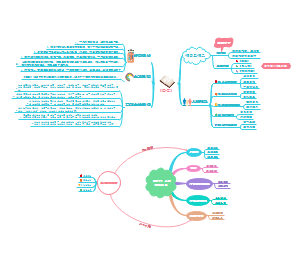
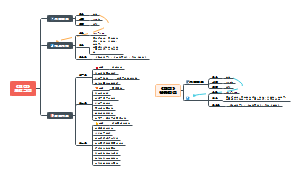
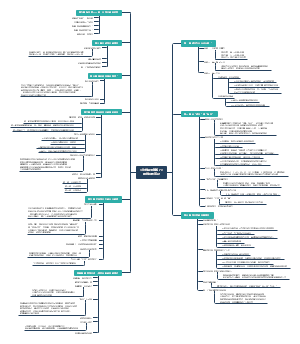
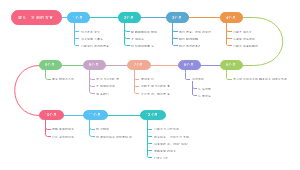
Invitation to Linguistics:Features、Origin of Language、Functions of language、Macrolinguistics (use of linguistics)……
编辑于2022-09-21 23:23:44Invitation to Linguistics

what is language
languange is a means of verbal commmunication. it is a symtem of arbitrary vocal symbols used for huamn communication.
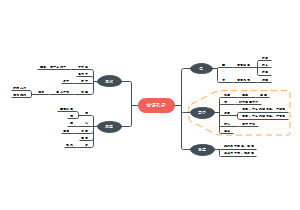
Features
vocal-auditory
transience
reciprocity
feedback
specialization
semanticity
arbitrariness
Sausssure first refers to the fact that the forms of linguistic signs bear no natural relationship to their meaning.
arbitrariness and convention
arbitrariness of language makes it potentially ceative, and conventionality of language makes learning a language laborious.
discretenes
displacement
huamn language enable their users to symbolize objects, events and concepts which are not present (in time and space) at the moment of communication.
productivity (creativity)
language is resourceful
cultural transmission
duality
the property of having two levels of structures
lower level: sounds (meaning less secondary elements)
higher level: meaning (large units of meaning; primary unit)
prevarication
reflexiveness
learnability
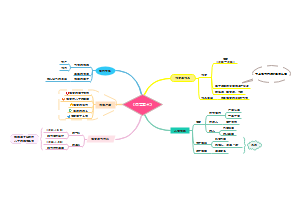
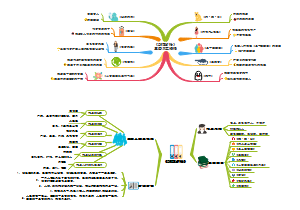
Origin of Language
The "bow-bow" theory
imitated the sounds of the animal calls in the wild environment
The "pooh-pooh" theory
they utter instinctive sounds of pain, anger and joy.
The "yo-he-ho" theory
as primitive people worked together, they produced some rhythmic grunts ehich gradually developed into chants and then into language.
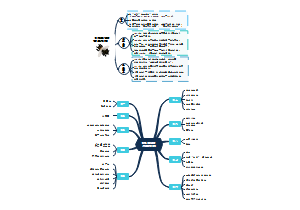
Functions of language
communication
Jakobson's classification
emotive (expressive function)
to espress attitudes, feelings and emotions
conative
to persuade and influence others through commands and entreaties
poetic
to indulge in laguage for its own sake (for fun or beauty)
referential
to convey message and information
phatic
寒暄功能 to establish an atmosphere or maintaining social contact
metalingual
to clear up intentions, words and meanings 源语言 解释
Holiday's classification
Ideational function
constructs a model of experience as well as logical relations
Interpersonal function
enacts social relationships
Textual function
creates relevance to context
performative function
仪式施事 to change the social status of persons
can extend to the control of reality as on some magical or religious occasions
Informative Function
language is the instrument of thought and people often feel they need to speak their thoughts aloud
it is also called ideatonal function in the framework of functional grammer
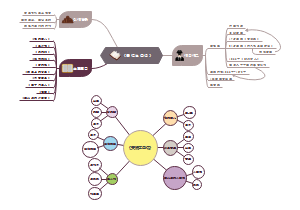
Main Branches of Linguistics ( theoretical linguistics)
phonetics
speech sounds
three levels: articulatory phonetics, acoustic phonetics, auditory phonetics
phonology
the rules governing the structure, distribution, aand sequencing of speech sounds and the shape of syllables. (sound patterns of languages)
morphology
it studies the minimal units of meaning--morphemes and word-formation processes. (the form of words)
syntax
about principles of forming and understanding English sentences
semantics
examines how meaning is encoded in a language
pragmatics
meaning in context
Macrolinguistics (use of linguistics)
psycholinguistics
linguistic behavior and psychological process
sociolinguistics
social factors
anthropological linguistics
the study of the relations between language and culture and the relations between human biology, cognition and language
applied linguistics
linguistics and language teaching
other related branches
neurological linguistics神经语言学, mathematical linguistics(数学数理语言学), computational linguistics
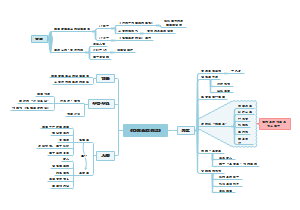
important distinctions in linguistics
descriptive 描写vs. prescriptive规定(对错,该不该)
descriptive
how things are
prescriptive
how things ought to be
synchronic共时 vs. diachronic历时
共时:横面,研究一个时代或者一个类型
历时:纵面,一个时间段 over a period of time
language & parole (Saussure)
langue
the abstract linguistic system shared by all members of the speech community. langue is the system of rules common to speakers of a particular language
features: generalized rules, system, abstract, relatively stable
parole
the realization of langue in actual use
features: concrete use of the rules, usage of system, concrete(具象),changing
competence 语言能力& performance语言行为 表现 运用
competence: the ideal user's knowledge of the rules of this language
performance: the actual realization of this knowledge in linguistic communication
what is the linguistics? linguistics is the scientific study of language.