导图社区 第二十一课上The Language of Uncertainty模糊
- 100
- 0
- 0
- 举报
第二十一课上The Language of Uncertainty模糊
这是一篇关于第二十一课上The Language of Uncertainty模糊的思维导图,主要内容有课文、New words、lntensive reading、短语、扩展。
编辑于2022-09-24 11:08:25
- 相似推荐
- 大纲



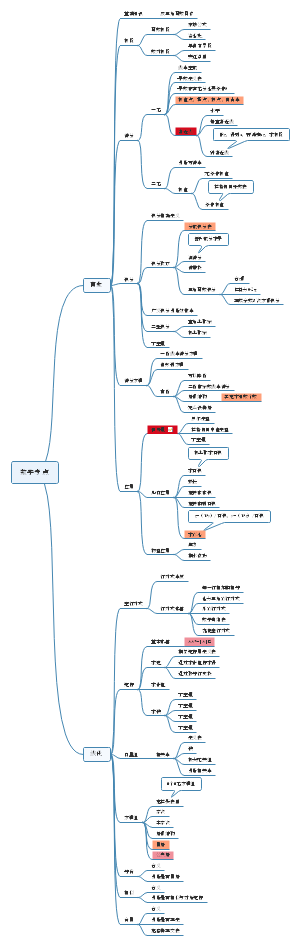

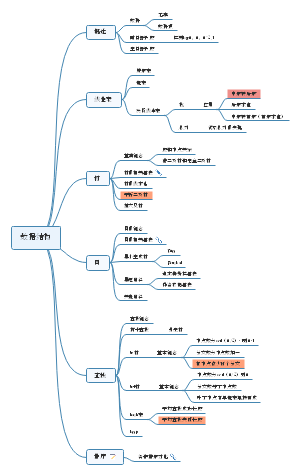
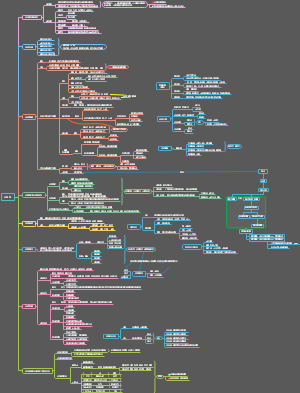
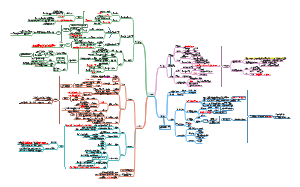


The Language of Uncertainty 模糊语言
课文
Uncertainty spreads through our lives so thoroughly that it dominates our language. Our everyday speech is made up in large part of word like probably, many, soon, great, little. What do these words mean? "Atomic war," declared a recent editorial in the London Times, "is likely to destroy forever the nation that wages it. How exactly are we to understand the word likely?Lacking any standard for estimating the probability, we are left with the judgment of the editorial writer.
模糊现象已经无孔不入地扩展到我们生活的各个方面,以致模糊现象也扩展到了我们的语言当中。我们的日常讲话很大一部分是由"也许"、" 好多"、"不久"、"大量"、"很少"这类词汇所构成的。这些词汇意味着什么?英国伦敦《泰晤士报》在最近的一篇社论中说"原子战争很可能会永久性地毁灭了进行原子战的国家"。我们怎样才能确切地理解"很可能"这个词汇?因为要估计某事的可能性,没有什么标准可依据,我们只能由着社论的作者去估计判断了。
Such verbal imprecision is not necessarily to be criticised. Indeed, it has a value just because it allows us to express judgments when a precise quantitative statement is out of the question.
对这种用词不够精确的模糊语言,倒不一定要加以批评责备。其实,这种模糊语言有它一定的使用价值,因为当我们不能用精确的数量来叙述时,这种模糊语言使我们能表达出对各种事物的判断。
The language of uncertainty has three main categories: (1)words such as probably, possibly,surely, which denote a single subjective probability and are potentially quantifiable; (2)words like many, of-ten, goon, which are also quantifiable but denote not so much a condition of uncertainty as a quantity imprecisely known; (3)words like fat, rich, drunk, which can not be reduced to any accepted number because they are given different values by different people.
模糊语言有三大类:(1)"很可能"、"有可能"、"肯定会"、之类的词。这类词表示个人主观认为的可能性,这些词在发言人的心目中是有一定的潜在的数量的;(2)"很多"、"经 常"、"很快"之类的词表示的是模糊的状况倒不如说表达的是知道得不够确切的数量;(3)"肥胖"、"富有"、"酒醉"之类的词,这类词不能精确到大家都能同意接受的数字。;在这来,因为不同的人对这些词都会有不同的评价。
We have been trying to pin down by experiments what people mean by these expressions in specific contexts, and how the meanings change with age. For instance, a subject is told "There are many trees in the park" and is asked to say what number the word many mean to him. Or a child is invited to take "some" sweets from a bowl and we then count how many he has taken. We compare the number he takes when he is alone with the number when one or more other children are present and are to take some sweets after him, or with the number he takes when told to give "some" sweets to another child.
我们一直都想通过多次实验来解释在特定的语言环境当中,人们使用这些词语都用于哪些意思,解释明白随着年龄的不同在使用这些词语时意义上有了哪些变化。例如,我们告诉一位被测试者"公园里有很多树"。然后再问这位被测试者,"很多"这个词在他看来意味着多少。或者我们请一个小孩从一只碗里拿取"一些"糖块,然后我们数一数他拿取了多少块糖。我们把只有他一人在场时所拿取的糖块,跟还有一个或一些儿童在场时,这些儿童在他拿了糖之后也要去拿糖块,他所拿取的数量比较一下;或者把只有他一个人在场时他所取的糖块数量跟你告诉他还要分给另一儿童"一些"糖块时,他所拿取的数量比较一下。
First, we find that the number depends, of course, on the items involved. To most people some friends means about five, while .some trees means about twenty. However, unrelated areas sometimes show parallel values. For instance, the language of probability seems to mean about the same thing in predictions about the weather and about politics: the expression is certain to (rain, or be elected) signifies to the average person about a 70 per cent chance; is likely to, about a 60 per cent chance; probably will, about 55 per cent.
首先,我们发现孩子所拿取的糖块数量,当然要取决于碗里有多少块糖的数量。对大多数人来说"有些朋友"指的是 5 个左右,而"有些树木"则指的是 20 棵左右。但是,在互相没有什么关连的事物范畴之内有时却能表示出平行的数值概念。例如,可能性这类话在天气预报和政治预测当中的意思是相同的;在"确实有可能会"这类话中,对一般人来说,这表示约有 70%的可能性;若说"很可能会"就意味着约有 60%的可能性;若是说"有可能会"这就意味着 55%的可能性了。
Secondly, the size of the population of items influences the value assigned to an expression. Thus, if we. tell a subject to take "a few" or "a lot of" glass bald from a box, he will take more if the box contains a large number of glass balls than if it has a small number. Hut not prolix>rtionately more: if we increase the number of glass balls eight times, the subject takes only half as large a percentage of the total.
第二,测试所用物品数量的多少会影响某一词语或某一说法所代表的实际数值。因此,如果我们让某一位被测试者从一个盒子中拿取"很少"或"很多个"玻璃球。如果盒子里的玻璃球少,他就拿取得少。但取多少并不是按比例增多的:如果我们把玻璃球的总数增加到 8倍,被测试者也只从玻璃球的总数量的某个百分数中取走一半。
Thirdly, there is a marked change with age. Among children between six and fourteen years old, the older the child, the fewer glass balls he will take. But the difference between a lot and a few widens with age. This age effect is so consistent that it might be used as a test of intelligence.In place of a long test we could merely ask the subject to give numerical values to expressions such as nearly always and very rarely in a given context, and then measure his intelligence by the ratio of the number for nearly always to the one for very rarely. We have found that this ration increases systematically from about 2 to 1 for a child of seven to about 20 to 1 for a person twenty-five years old.
第三,随着年龄的增长拿取多少个也有明显的变化。在 6 到 14 岁的孩子们中间,年纪越大的孩子,他所拿取的玻璃球就越少。但是拿取"很多个"和拿取"很少"之间的差距随着年龄的增长而加大了。这种年龄的差别是十分稳定的,可以把它用作智力测验。我们不必进行长期测试,我们只请被测试者在特定的语言环境中对"几乎总是"和"很少有"这类说法用数字表示到底代表多少。然后根据代表"几乎总是"的数字与代表"很少有"的数字为 1 个比值来测量被测试者的智力。我们发现这一比值随着年龄的增长也在逐渐增大。7 岁孩子的比值是 2: 1 上升到 25 岁的尬的比值是 20:1。
New words
确定
certain
[ˈsɜːtn]
adj. 肯定的; 无疑的; 轻微的; 某个,某些,某位;
pron. 某些(不提及人或事物的名称时用);
-cert- 确信 + -ain 形容词词尾
cert = sure 确实, 确信
来源于拉丁语 certus 确定,拉丁文 certus 是由词汇 cernere 而来,含义为“淘汰之后清楚地界定”,所以由该词引申的词根含有“确定的”的含义
同形义异词根:-cert- 分离,
来自PIE*krei, *sker, 切,分开。词源同crisis, crime, discriminate, shear.
异形同义词根:-just- / -sur- 正确 /确定。
certainty
[ˈsɜːtnti]
n. 确定; 必然性; 确定无疑的事情;
uncertainty
[ʌnˈsɜːtnti]
n. 无把握,不确定; 不可靠; 不确实知道,半信半疑; 无把握、不确定的事物;
支配
dom = house 房子,家,主人(房子的主人→主人→统治者)
来源于拉丁语domus“house(房屋,家)”“the owner of the house,(家的主人)”“统治”
词根dom通过d-t之间的音变,产生了异形同义词根tim,tam,dam。
(注意:大多数书上都认为dom来源于拉丁语的domus,但有的书上说dom来源于拉丁语domare。)可追溯至原始印欧语domo-,domu-(建造)。
同形异源词根表示“状态”
-domin-= master, lord统治
来源于拉丁语名词dom.us(房子,家)和domin.us(房子的主人→主人→统治者),可追溯至原始印欧语domo-,domu-(建造)。
domain
[dəˈmeɪn]
n. 领域,范围,范畴; 领土;
来自拉丁语domus, 家,来自PIE*dom, 家,住所,引申词义领域。
dominate
[ˈdɒmɪneɪt]
v. 在…中占首要地位; 控制,支配; 俯视,高耸于;
来自拉丁语domus, 家,词源同domain. 即一家之主,支配,控制。
The high building dominates over the river.
He felt ill at ease living in a white-dominated society.
(他觉得生活在一个白人统治的社会里很不自在。)
His opinion dominated the other members of the committee.
(他的看法对委员会的其他成员起了决定性影响。)
This issue dominated the discussion.
(这个议题在讨论中占了首要地位。)
dominant
[ˈdɒmɪnənt]
adj. 占支配地位的; 显著的; (基因)显性的;
来自中世纪法语[[#French|dominant]].
domination
[ˌdɒmɪ'neɪʃn]
n. 统治,控制; 优势;
The domination of Europe over the rest of the world has long since declined.
(欧洲对世界其他地区的支配作用早已衰弱。)
dominance
['dɒmɪnəns]
n. 优势; 支配; 统治; 优性;
Agriculture has lost its dominance in many countries.
(农业在许多国家已失去了优势。)
rule
[ru:l]
n. 规则;规章;条例;建议;应做之事;习惯;常规;惯常的做法;
v. 控制;统治;支配;操纵;决定;裁定;判决;
control
[kənˈtrəʊl]
vt. 控制; 管理; 限制; 支配;
n. 支配权; 操纵者; (对国家、地区、机构等的)管理权; (键盘上的)控制键;
法官
词根
jud, jur, jus(t) = to judge(判断)
jud 来源拉丁语 judicare/judex 意为to judge
judg- / -judic- 为 -jud- 的变体。
Latin: decide, determine a result; declare to be; right and power to interpret the law
-judic-, -just-, -jur-法律,公正
-jur-来源于拉丁语名词jus, jur.is, n(法律,公正)
-just-来源于由jus派生的形容词just.us, just.a, just.um(公平的,正义的)
-judic-来源于judex, judicis, n(判决)
judex原义是“说法律”,由jus(法律)和-dic-(说)复合而成。
-dic-, -dict- = say, assert, allot 说话, 断言, 分派
来源于拉丁语动词dico, dicere, dixi, dictus(说,讲)和dic.o, dic.are, dic.avi, dic.atus(宣告,奉献)
词根dic 是拉丁动词dicere 的不定式词干
dict 是动名词词干,意为to say ,to declare,to allot(此含义较少用),to assert等。有时“c”(k)不发音
同义词根
拉丁语的fa/fam/fess,locut/loqu,nounc/nunci,or,parl
希腊语的phras,pha/phe/phu
说文解字
在dictionary (词典)一词中包含着一个重要的词根dic,意思是“to say (说)”,来自拉丁语的dictum ,可追溯到原始印欧语根 *deik-,最原始的含义是“手指”,做动词的话就是“用手指指”,所以dict 最初的含义是“指着说”由此构成的单词diction 指“措词,用词”,即“说的艺术”,所以dictionary 表示“收录词的各种用法的书”,也就是“词典”。
contradict 由contr- (=against) 与dict 构成,字面含义是“反对别人所说的话,以言相抗”,也就是“否定,反驳”
digit (手指或脚趾)也来源于此,古人数数用手指来计算,人们便赋予digit “数字”这层含义了。随着科学技术的发展,琳琅满目的数码产品(digital products)充斥着我们的生活。当字母d换成t之后,就演变出了teach (教)这个单词;还有一个同源词token,“记号,象征”的意思,它的原始含义也是“教”。从词源来看,“教”的意思就是通过信号或符号引起别人对事物、人物、观察和研究的结果等做出反应。
judge
[dʒʌdʒ]
n. 法官; 裁判员; 鉴定家;
v. 担任裁判; 判断; 估计; 评价; 审判;
来源于拉丁语judex, judicis, n(判决),其原义是“说法律”,由jus(法律)和-dic-(说)复合而成。 -judic-法律,公正 → judge
He was brought to the judge, accused of stealing.
(他被指控行窃而带到法官面前受审。)
Mr. Li is going to be a judge of a beauty contest.
(李先生将做选美比赛的评判员。)
The young man was judged innocent.
(那个年轻人被判无罪。)
We cannot judge whether it is right or wrong.
(我们不能判断这是对还是错。)
I judge she knew what she was doing.
(依我看,她当时知道她在干什么。)
judgement
[ˈdʒʌdʒmənt]
n. 判断,鉴定,评价,判断; 审判,裁判,判决; 看法,意见; 判断力,见识;
He hoped the judgment would be in his favor.
(他希望判决对他有利。)
He sometimes couldn't live with himself if he made a mistake in judgment.
(如果判断失误,他有时不能容忍自己。)
In my judgment, we should do it right now.
(依我看,我们应该马上做这件事。)
编辑
edit
[ˈedɪt]
v. 剪辑; 编辑; 主编;
e-, 向外。-dit, 给予,词源同date, donate.
来源于拉丁语复合动词edere(展出,出版),由前缀ex-(出)和基本动词dare(给,--英语date, donate等的词源)组成,其过去分词edit.us的词干为edit。 词根词缀: e-(=ex-)出 + dit(-do-给) 同源词:date, donate, …
dot, don(dow, dos), dat(dit) = to give(给)
词根来源于拉丁语的donare,donum 意为to give。dow,dos 是其变形。此外,与此相似的还有dat及其变形dit。
Latin: dare, to give, a giving, given; a gift; to grant, to offer
Scholars often edit Shakespeare's plays.
(学者们常校订莎士比亚的剧本。)
He is carefully editing his speed.
(他正在仔细修改自己的讲稿。)
editor
[ˈedɪtə(r)]
n. 主编,编辑; 记者; 剪辑员; 编者; 编辑程序;
He was made assistant editor on the paper.
(他被任为那报纸的助理编辑。)
The chief editor was on a business trip.
(主编出差了。)
edition
[ɪˈdɪʃn]
n. 版本,版次; 一集;
editorial
[ˌedɪˈtɔːriəl]
adj. 编辑的; 社论的;
n. 社论; 评论;
This issue carries a weighty editorial on education.
(这期登了一篇有关教育的很有分量的社论。)
The editorial policies haven't changed a bit over the years.
(这些年来编辑方针没有丝毫改变。)
工资
wage
[weɪdʒ]
n. 工资; 报应;
vt.& vi. 实行,进行,作(战等); 〈方〉雇佣; 〈古〉打赌,抵押,担保;
来自 PIE*wadh,承诺,誓言,词源同 wed,engage.原指承诺对别人的服务的报酬,引申词义工 资,原仅限于手工和机械劳动所得,后词义通用化。同时,引申词义承诺参战,发动战争, 后词义通用化指开展或发动某运动。
They stopped working to press for better wages and working conditions.
(他们停止工作,要求更高的报酬和更好的工作条件。)
His wages are 200 dollars a week.
(他的工资是 200 美元一周。)
They waged a campaign against cheating on exams.
(他们开展了反对考试作弊的运动。)
Germany waged a war against Poland.
(德国对波兰开战。)
"工资,收入"
earnings 多指通过劳动或投资等手段所得到的收入。
allowance 指收入中的补贴部分。
income earnings 含义很相近,但前者强调总收入。
salary 指按年定下,按月或星期平均给予的报酬,指脑力劳动者的薪水。
wage 多用复数形式,指按小时、日或星期的报酬,通常指体力劳动者的工资。
pay 是个通用词,可取代salary与wage.
fee 指提供某种服务收取的固定费用。
可能的
probable
[ˈprɒbəbl]
adj. 可能的; 大概的;
n. 很可能的事; 可能入选者;
-prob-证实,批准 + -able形容词词尾,被动意义 同源词:probate, probe, prove, reprobate
-prob-, -prov-, -proof,proba-, probat--= to test , to try(试), to examine(试验)
来源于拉丁语动词probo, probare, probavi, probatus(证实,批准),经古法语后字母b逐步转化为v和f。
-prov- 是根据辅音的交替规律由 -prob- 变来的,属于单辅音交替
provable 可验证的 / 可证实的
approve 承认 /证实
Latin: upright, good, honest; to try, to test, to examine; to demonstrate
异形同义词根有:-peri- / -tempt- / -tent- 试验
来源于拉丁语中由动词probare(证实,批准)派生的probabilis(可证实的)。
It is highly probable that it will rain today.
improbable
[ɪmˈprɒbəbl]
adj. 不大可能是真实的,不大可能的; 未必确实的; 未必会发生的; 非概然;
probably
[ˈprɒbəbli]
adv. 大概,或许,可能;
He will probably refuse the offer.
probability
[ˌprɒbəˈbɪləti]
n. 可能性; 几率,概率; 或然性;
The storm is one of the probabilities for tomorrow.
The probability of an earth quake disturbed everybody.
(地震的可能使每一个人不安。)
In all probability, they could perform many different musical instruments.
(他们很可能会演奏许多种不同的乐器。)
Every event has a particular probability of occurring.
(每个事件都有其特定的发生率。)
This is the most probable interpretation of the situation.
(这是对形势的最可能的解释。)
Xiao Wang is the probable winner.
(小王是颇有希望得胜的人。)
It is probable that he forgot.
(他或许是忘记了。)
动词
词根
-verb-言,词 + -al形容词词尾
来自古法语verbe, 来自拉丁语verbum("word, verb"), 来自原始印欧语*werdʰo-. 双式词:word.来自拉丁语 verbum,词,言语,来自 PIE*were,说话,词源同 word,adverb,proverb.用于语法格 指动词。
verb = word(字;词)
来源于拉丁语名词verb.um, verb.i, n(言,词)。 来自拉丁语的verb 意为word。同义词根有来自希腊语的lex。
verb
[vɜ:b]
n. 动词; 动词结构;
verbal
[ˈvɜːbl]
adj. 词语的; 言语的; 口头的; 动词的;
non-verval
[ˌnɒn ˈvɜːb(ə)l]
adj.非语言的;非用言语的
This job calls for excellent verbal talent.
(这份工作需要极好的口才。)
The difference is merely verbal.
(差别仅仅在于措辞。)
verbal instructions (文字说明)
a verbal protest(口头抗议)
a verbal agreement (口头协议)
“en” and “-ize” are common verbal endings.
(“en” 和 “-ize”是常见的动词词尾。)
清晰
-cid-,cis(cas, chis), cide =cut, kill, 表示“切开, 杀”
来源于拉丁语动词caedo, caedere, cecidi, caesus(砍,劈)。
cid是不定式词干,cis是动名词词干。其变形为cas 和chis。
同义词根
拉丁语的torn(tem) ,scind/scis,sect,sever,tail,tons,trench,cop/coup
precise
[prɪˈsaɪs]
adj. 清晰的; 精确的; 正规的; 精密;
pre-前 + -cis- 切 + -e → 预先裁剪过的 → 精确的
The soldiers should be very precise in following instructions
instruction
[ɪnˈstrʌkʃn]
n. 授课; 教诲; 传授的或获得的知识,课程; [计算机科学]指令;
instructions
[inˈstrʌkʃənz]
n. 操作指南; 用法说明; 指示; 命令( instruction的名词复数 ); (计算机的)指令; 教导; 教诲;
adj. 说明用法的,操作指南的;
士兵们应该非常精确地服从指令
imprecise
[ˌɪmprɪˈsaɪs]
adj. 不精确的,不确定的; 含糊不清;
precision
[prɪˈsɪʒn]
n. 精确度,准确(性); [语]精确;
adj. 精确的,准确的,细致的; 严守标准的; 行动精确的;
Its necessary to give precision to the report if you want to impress the audience.
audience
[ˈɔ:diəns]
n. 观众,听众; 读者; 接见; 拥护者,爱好者;
impress
[ɪmˈpres]
vt. 印; 给…以深刻印象; 使铭记;
n. 印象; 印记;
如果你想给听众留下深刻印象,就有必要让报道精确。
imprecision
[ˌɪmprɪ'sɪʒn]
n. 不严密,不精确;
The imprecision of information led to their failure in the battle.
precisely
[prɪˈsaɪsli]
adv. 精确地; 恰好地; 严谨地,严格地; 一丝不苟地;
imprecisely
[ˌɪmprɪ'saɪslɪ]
adv. 不严密地;
im-是一个前缀,通常加在以 “m”、 “p”、或 “b”为首的形容词、副词和名词前,构成反义词。
immature (不成熟的)
immodest (不谦虚的)
immoral (不道德的);
impossible (不可能的)
impolite (不礼貌的),impatience (不耐心);imbalance (不平衡)等等。
-ion 是一个名词后缀
protection (保护)
extension (延伸)
The imprecision of the ordinary words led to many misunderstandings.
(日常用词意义的含混引起了许多误解。)
The imprecision of the ruler gave him a lot of trouble.
(尺子的不精确给他带来了很多麻烦。)
My ideas about it were imprecise.
(我对这个问题的看法不准确。)
The terms he used were imprecise.
(他用的术语不确切。)
表示
-gn-, -not-, -gnor-, -gnos- = to know, to mark
-gnos-来源于拉丁语动词gnosc.o, gnosc.ere, gnovi, gnotus(知道)的词干-gnosc-
-not-来源于拉丁语动词nosco, noscere, novi, not.us(知道)的过去分词词干-not-
-gnor-来源于含有否定前缀i-的拉丁语动词i.gnor.o, i.gnor.are, ignoravi, ignoratus(不知道)的词干-gnor-
这些拉丁语的词源可追溯至原始印欧语-gn-。
note
[nəʊt]
n. 笔记; 便笺; 音符; 钞票;
vt. 注意; 记录; 对…加注释; 指出;
denote
[dɪˈnəʊt]
vt. 指代; 预示; 代表; 意思是;
de-, 向下,强调。note, 记号。即做上记号,预示。
indicate
[ˈɪndɪkeɪt]
vt. 表明,标示,指示; 象征,暗示,预示; [医]显示需要做…的治疗;
show
[ʃəʊ]
vt.& vi. 给…看; 表现出; 显露出; 上演;
vt. 说明; 指示; 表明; 演示;
n. 展览; 显示; 外观; 表演;
vi. 被人看见,显现,显而易见;
"表示"
denote 指用符号等表示。
indicate 指用词语或标记表达较明确的意义。
Dark clouds denote rain.
(乌云是下雨的预兆。)
Red flares denote danger.
(红色火焰是危险的标记。)
My identity was denoted by a plastic label on my wrist.
(我手腕上的塑料标签表明了我的身份。)
必要的
ced, cess(ceed, ceas) = to go 走
来源拉丁动词cedere,意为to go (走):Latin: to be in motion; to go, to go away, to yield, to give up, to withdraw
ced是不定式词干;ceed是ced 在英语中的音变形式,它在英语中只有proceed,succeed和exceed三个原生派生词
cess是动名词词干,用来组成与某些动词相应的名词或形容词。
同义词根
拉丁语的grad/gress/gred,it,vad/vas
希腊语的bat[bet,bit]
盎格鲁-撒克逊语的fare。
necessary
[ˈnesəsəri]
adj. 必要的; 强制的; 必然的; 不可避免的;
n. 必需品;
ne-,无,没有,不能,词源同no,-cess,走,离开,词源同cede,concession.即不能走的,不能离开的,引申词义必不可少的,必需的。
necessarily
[ˌnesəˈserəli]
adv. 必要地; 必需地; 必定地; 必然地;
unnecessary
[ʌnˈnesəsəri]
adj. 不必要的,多余的; 无用的,无益的; 无须;
批评
-crit-, -cris-,-cert-,-cern-= to judge 判断, 辨明, 区分
-crit-来源于希腊语中krinein(决定)派生的kritikos(能做判断的人),可以追溯到原始印欧语根*krei-,意思是“to judge(判断)”,最初的含义是“separate”(分开),然后有了judge的含义。
-cern-和-cert-来源于拉丁语动词cern.o, cern.ere, crevi, cret.us/cert.us(判断,区分),从“判断/区分”引申出“确信”的含义。
词根扩展
命令别人做某事前,最好先判断一下他是否有那能力:-imper- / -emper- 命令,来源于拉丁语 imperare,如:emperor 皇帝 / 君主、imperial 帝王的 / 帝国的 / 英制的。
critic
[ˈkrɪtɪk]
n. 批评家; 评论员; 批评者; 挑剔的人;
critical
[ˈkrɪtɪkl]
adj. 批评的,爱挑剔的; 关键的; 严重的; 极重要的;
-crit-判断,决定 + -ic名词词尾,…人,…家 + -al形容词词尾
来自PIE*krei, 区分,筛选,判断,词源同crime, crisis. 即到了选择关头的,关键的。
criticize
[ˈkrɪtɪsaɪz]
vt.& vi. 分析,评估; 批评; 挑剔;
criticism
[ˈkrɪtɪsɪzəm]
n. 批评,批判; 鉴定,审定,考证,校勘; 苛求,[哲]批判主义; 评论,评论文章;
量
quant-, quanti- =how much; as much as, how many; how great; amount量,数量
-quant-量,数量 + -ity名词词尾
来自拉丁语quantus,多大,多少,来自qui,谁,什么,如何,该,来自PIE*kwo,疑问代词词干,词源同quality,who,how.
-qual-性质,特征 + -ity名词词尾
来自拉丁语qualis,种类,类型,要求,来自PIE*kwo,疑问代词词干,词源同quantity,what,who.引申词义质量,品质。
-quant-来源于拉丁语中由qui(什么,多少)派生的quantus(几何,多少)和quantitas(量,范围)。
quality
[ˈkwɒləti]
n. 质量,品质; 美质,优点; 才能,能力,技能,素养; 品种;
adj. 优质的,高质量的; 上流社会的;
quantity
[ˈkwɒntəti]
n. 量,数量; 定量,大批; 数目; [语音学、韵律学]音量(指元音或音节的长短);
The quantity of equipment was enough, but the quality was far from being satisfactory.
设备的数量是足够的,但质量远不能令人满意。
quantitative
[ˈkwɒntɪtətɪv]
adj. 定量的; 数量(上)的;
A quantitative research is absolutely necessary for the solution of the problem.
定量研究对于解决这个问题是绝对必要的。
quantifiable
['kwɒntɪfaɪəbl]
adj. 可以计量的;
Words such as frequently, rarely, occasionally, though quantifiable, denote a quantity imprecisely known.
诸如“经常”、“很少”、“偶尔”这样的词虽然可以量化,却表示一个不精确的数量。
主观
-jac-, -ject-, -jac(jet)- = to throw(投掷, 扔)-->jet-, -ject, -jecting, -jected, -jection, -jector, -jectory; jacu-, jac-
来源于拉丁语动词jacio, jacere, jaci, jactus(投,射)。Latin: throw, send, fling, hurl, cast; gush; spurt
jac是此词的不定式词干,在英语中的派生词较少
ject是此词的动名词词干,有较强的孳生能力
jet是他们的变形
同义词根
希腊语的bol(bl,bal)
拉丁语的lanc/launc,sip
abject
[ˈæbdʒekt]
adj. 卑鄙的,下贱的; (指境况)凄惨的; 轻蔑的,被鄙视的; 厚颜无耻的;
ab(离开)+ject(抛、掷)→被抛弃的→可怜的,不幸的;→被唾弃的→卑鄙的。 词源解释:ject←拉丁语iacere(抛、掷)。 同源词:jet(喷射,喷气飞机),reject(排斥、拒绝),project(投影、工程、计划)。
subject
[ˈsʌbdʒɪkt,səbˈdʒekt]
n. 主题,话题; 学科,科目; [哲]主观; 实验对象;
adj. 须服从…的; (在君主等)统治下的;
v. 提供,提出; 使…隶属;
sub-,在下,-ject,投掷,扔,词源同 project,projectile.字面意思即扔在下面,引申词义被制服, 被控制,国民,臣民。后引申词义扔在下面,构成基础,主题,题目等。
subjective
[səbˈdʒektɪv]
adj. 主观的; 个人的; 内省的;
sub-下 + -ject-投,射 + -ive,引申比喻义受大脑支配的,用于语法格 指主观的。
objective
[əbˈdʒektɪv]
adj. 客观的,实体的; 目标的; [语]宾格的; [医]他觉的;
n. 目标,任务; [光]物镜; [语]宾语,宾格; [事]出击目标;
ob-对面,相反 + -ject-投,射 + -ive,引申词义目标,宗旨等。
object
[ˈɒbdʒɪkt]
n. 物体; 目标; 宾语; 客体,对象;
ob-,向前,朝向,相对,对着的,-ject,扔,投掷,放置,词源同project.即放置在前面的目标或物体。也用于指对着扔的,引申词义反对。
project
[ˈprɒdʒekt]
vt. 放映; 计划; 发射; 展现,使突出;
vi. 伸出,突出;
来自pro-,向前,朝向,-ject,投掷,扔,词源同abject,conjecture.引申诸相词义
It is only my subjective impression.
(这仅是我的主观印象。)
How can you fully believe his subjective judgement?
(你怎能完全相信他的主观判断?)
What's the subject for today's debate?
(今天辩论的题目是什么?)
I am taking four subjects this semester.
(本学期我选四门课。)
He is a British subject.
(他是英国臣民。)
India is no longer subject to British rule.
(印度不再受英国统治了。)
This area is subject to seasonal winds.
(这个地区常遭受季风的袭击。)
有效的
potent,-pot-, -poss-= power/ ability/capable of 力量 / 能力
拉丁语动词possum, posse, potui, -(能,能够)来源于早期拉丁语动词短语potis esse(能,能够)。posse的前身是古拉丁语potere(能,能够)。
-pot- 为 -potent- 的变体,变形有pow,poss等
poten-, pot-, poss-, -potent, -potence, -potency, -potential
Latin: power, strength, ability, able; having authority over; rule over, command of
词缀:poto-, pot-=drink
potent
[ˈpəʊtnt]
adj. 有效的,强有力的; 有权势的; 烈性的; 有说服力的;
-pot-能够 + -ent形容词词尾
potential
[pəˈtenʃl]
adj. 潜在的,有可能的; [语法学]可能语气的,表示可能性的; 有能力的;
n. 潜力,潜能; [物]电位,势能; 潜能的事物; [语]可能语气;
-pot- 能够 + -ent 形容词后缀 + -ial 形容词后缀,引申词义潜力,潜在的,可能的。
potentially
[pə'tenʃəlɪ]
adv. 潜在地; 可能地; <古>强有力地; 权威地;
Electricity is potentially dangerous.
(电是潜力的危险。)
The dispute has scared away potential investors.
(这场争论吓跑了可能的投资者。)
The hole in the road is a potential danger.
(路上的那个坑是个潜在的危险。)
The system gives everyone a chance to tap one's potential to the full.
(这种体制给了每个人充分发挥潜能的机会。)
预言
pre-是一个前缀,表示 before
prehistoric (史前的)
preschool (学前)。
dict 是个词根,意思是 to say,
contradict (矛盾;否定)
dictator (独裁者;口授者)
dic, dict = say, assert, allot 说话, 断言, 分派
dic 是拉丁动词dicere 的不定式词干
dict 是动名词词干,意为to say ,to declare,to allot(此含义较少用),to assert。有时“c”(k)不发音
同义词根
拉丁语的a/fam/fess,locut/loqu,nounc/nunci,or,parl
希腊语的phras,pha/phe/phu
说文解字
在dictionary (词典)一词中包含着一个重要的词根dic,意思是“to say (说)”,来自拉丁语的dictum ,可追溯到原始印欧语根 *deik-,最原始的含义是“手指”,做动词的话就是“用手指指”,所以dict 最初的含义是“指着说”。由此构成的单词diction 指“措词,用词”,即“说的艺术”,所以dictionary 表示“收录词的各种用法的书”,也就是“词典”。
contradict 由contr- (=against) 与dict 构成,字面含义是“反对别人所说的话,以言相抗”,也就是“否定,反驳”。单词digit (手指或脚趾)也来源于此,古人数数用手指来计算,人们便赋予digit “数字”这层含义了。随着科学技术的发展,琳琅满目的数码产品(digital products)充斥着我们的生活。当字母d换成t之后,就演变出了teach (教)这个单词;还有一个同源词token,“记号,象征”的意思,它的原始含义也是“教”。从词源来看,“教”的意思就是通过信号或符号引起别人对事物、人物、观察和研究的结果等做出反应。
predict
[prɪˈdɪkt]
vt. 预言,预测; 预示,预告;
vi. 预言,预示:预言某事,预言;
pre-前,先 + -dict-说,讲
predictor
[prɪˈdɪktə(r)]
n. 预言者,预报器;
prediction
[prɪˈdɪkʃn]
n. [气]预测,预报; 预言; 预言的事物;
predictable
[prɪˈdɪktəbl]
adj. 可预言的; 可预报的; 可预见的; 可预料的;
diction
[ˈdɪkʃn]
n. 发音法; 措词,用词; 文辞; 措辞;
dictionary
[ˈdɪkʃənri]
n. 词典,字典; [自]代码字典;
Have you listened to the weather prediction for the day?
(你听了当天的天气预报了吗?)
They made prediction about possible price increase.
(他们对物价上涨的可能性进行预测。)
The weather scientists predicted a light rain and temperature drop.
(气象专家们预测有小雨,气温将下降。)
I cannot predict what will happen.
(我无法预料将会发生什么事情。)
意味
sign
[saɪn]
n. 符号; 手势; 迹象; 指示牌;
vt.& vi. 签名; 打手势;
sign = mark, sign
来自拉丁语的sign 意为 mark,sign
同义词根
拉丁语的marc/mark
希腊语的sem
自盎格鲁-撒克逊语的 beck/beac。
signify
[ˈsɪgnɪfaɪ]
vt. 表示…的意思; 意味; 预示;
vi. 具有重要性,要紧; 辱骂;
-sign-标记 + -ify动词词尾
significant
[sɪgˈnɪfɪkənt]
adj. 重要的; 显著的; 有重大意义的; 意味深长的;
significance
[sɪgˈnɪfɪkəns]
n. 意义; 意思; 重要性;
assign
[əˈsaɪn]
vt. 分派,选派,分配; 归于,归属; [法律] 把(财产,权利、利息)从一人转让给另一人; 把…编制;
n. [常用复数][法律]受让人,接受财产等转让的人,受托者;
as-来,临近 + -sign-标记
assignment
[əˈsaɪnmənt]
n. 分给,分配; 任务,工作,(课外)作业; <美>任命; 指定,委派;
“MD” signifies “Doctor of Medicine”.
(“MD”意为“医学博士”。)
He signifies consent with a smile.
(他微笑表示同意。)
The clouds signified the coming storm.
(乌云预示着即将有暴风雨。)
Signification relies largely upon words and gestures.
(表示意思主要靠言词和示意动作。)
They assigned me a small room.
(他们分给我一个小房间。)
I was assigned to the mountain village.
(我被派到那个山村工作。)
Have you assigned a day for the meeting?
(你们指定了开会日期吗?)
He finished all the homework assignments in two hours.
(他用两小时完成了全部的家庭作业。)
My first major assignment as a reporter was to cover a large scale riot.
(我做记者的首次重要任务是采访一个大规模暴动。)
第二
second
[ˈsekənd]
n. 秒; 瞬间; 次货; 第二份食物;
adj. 第二的; 次要的; 居第二位的; 另外的;
adv. 第二; 其次; 以第二位;
vt. 支持; 临时调派; 附议; 赞成提案;
作“第二”时,来源于拉丁语中动词sequi(跟随)的派生词,在古法语中为second
作“秒”时,来源于中世纪拉丁语secunda minuta(秒分)
作“赞成”时,来源于拉丁语动词secundare(赞成)。
secondly
[ˈsekəndli]
adv. 第二,其次;
He was first of all a dishonesty chap,secondly he was irresponsible.
(首先他是个不诚实的家伙,其次他没有责任心。)
I don't like this pair of shoes. Firstly the color is awful; secondly it is too expensive.
(我不喜欢这双鞋。首先颜色很糟糕,其次价格太贵。)
部分
词根
-port-
港口--来源于原始印欧语por-(离去,通过)在拉丁语中派生的名词portus(港口)
port-, portat-= to carry(搬运)来源于原始印欧语动词porto, portare, portavi, portatus(运输,携带)Latin: carry, bring, bear
异形同义词根
拉丁语的fer,lat,ger/gest,veh/vect
希腊语的phor/pher
= gate(门)来源于拉丁语名词porta, portae, f(门,入口)。Latin: door, gate, entrance; harbor
= share(分)来源于拉丁语 portionem 意为share 分
= part, divide(部分, 分开)
pro-
“向前,在前”progress 向前进,进步
“很多…”procreate 生育(pro+create创造→创造很多→生儿育女)
“代理、代替”procurator 代理人
“拥护、新、赞成”pro-American 亲美的
-port-港口;门 → port
来自拉丁语portus,港口,来自PIE*per,向前,通过,词源同ford,forth.用于航海术语左舷,即从后面掌舵位往前看朝向港口的位置,比较starboard,右舷,掌舵位。并引申计算机端口等词义。
port
[pɔ:t]
n. 港口; (事情的)意义; (计算机与其他设备的)接口; (船、飞机等的)左舷;
vt. 举枪; 持枪; 左转舵;
vi. 转向左舷;
adj. 左舷的,左侧的;
vt.& vi. 转舵(向左),把(舵)转向左边;
adv. 向左舷,向左;
proportion
[prəˈpɔ:ʃn]
n. 部分,份额; 比例; 匀称; 面积,规模;
pro-前 + -port-部,比率 + -ion名词词尾
来源于拉丁语portio(部分,比率),词源同part.
proportionately
[prə'pɔ:ʃənətlɪ]
adv. 成比例地,相称地;
显著
mark
[mɑ:k]
n. 斑点; 记号; 成绩; 标准;
vt. 作记号; 表示; 给…打分; 在…留下痕迹;
vi. 评分; 注意; (比赛中)记分;
来自Proto-Germanic*marko,来自PIE*merg,边界,界限,词源同march,margin.后引申词义界标,记号,作标记等多种词义。
marked
[mɑ:kt]
adj. 显著的,著名的; 有记号的; 加印记的; 受监视的;
v. 表示(mark的过去分词); 作记号; 给…打分; 在…留下痕迹;
obvious
[ˈɒbviəs]
adj. 明显的; 显著的; 平淡无奇的; 自明;
clear
[klɪə(r)]
adj. 清楚的,明白的; 清晰的,明亮的; 清澈的; 明确的;
adv. 完全地; 清晰地; 整整;
vi. 变明朗; 变清澈;
vt. 扫除,除去; 消除(嫌疑); 使清楚; 使干净;
n. 空隙,空间;
"清楚的,明白的,明显的"
apparent 强调显而易见或一想便知。这个词从动词appear派生而来,故有时含有表面如此而事实上未必的意味。
obvious 语气较强,指极为明显,有目共睹,无需说明和论证。
evident 指根据事实成为显然的。
clear 普通用词,侧重清楚明白。
plain 普通用词,含义与clear很接近,可通用,但plain着重简单明了,不复杂。
distinct 较正式用词,指轮廓的清楚或定义、含义的明确,不会弄错。
definite 语气肯定,着重明白无误,无可怀疑。
manifest 语义较强,书面用词,强调一目了然,暗示不要任何推论就一清二楚。
"标志,象征,符号"
symbol 指作象征或表达某种深邃意蕴的特殊事物。
badge 一般指金属证章或写有姓名的带状标志物。
sign 普通用词,指人们公认事物的记号,也可指某种情况的征兆。
signal 指为某一目的而有意发出的信号。
mark 普通用词,含义广泛。既可指方便于辨认而有意做的标记,又可指自然形成的标记或有别于他事物的特征。
token 语气庄重,指礼品、纪念物等作为表示友谊、爱情等的象征或标志。
attribute 指人或物及其地位、属性的象征。
emblem 指选定象征一个国家、民族或家庭等的图案或实物。
The patient showed a marked improvement.
(病人的病情显著好转。)
A market police car sped past just now.
(刚才一辆有标记的警车急驶而过。)
The boy showed marked improvements in spelling and reading.
(那个男孩在拼写和阅读方面有了显著提高。)
宽的
wide
[waɪd]
adj. 宽的; 普遍的; 广阔的; 张大的,开得很大的;
adv. 广泛地; 充分地; 广阔地;
n. 广大的世界; [板]歪球;
来自 PIE*weidh,分开,词源同 widow,with,divide,即分开的,宽的,进一步来自*dwi,二,词 源同 di-,two,*dhe,放置,词源同 do,cred-,心,信任。即两边放置,分开。
There is a wide river between the small villages.
widen
[ˈwaɪdn]
vt.& vi. 放宽,加宽,(使)变宽;
The officers are holding a meeting on when to widen the road.
widely
[ˈwaɪdli]
adv. 广泛地; 普遍地; 到处; 大量地;
The two students gave two widely different accounts of a quarrel.
过-en 可以做动词后缀,用在名词或形容词后面构成动词
lengthen, heighten, shorten, brighten
The river widens where it meets the sea.
(那条河在入海口处变宽了。)
The road finally widened and we didn't have to worry about traffic blocks any more.
(那条路终于拓宽了,我们不用再担心交通堵塞了。)
The misunderstanding widened the gulf between the two sides.
(误解加深了双方的隔阂。)
His arguments widened my ideas.
(他的论点开阔了我的思路。)
He stared at me, his eyes widening.
(他逼视着我,眼睛睁得大大的。)
一致
consist
[kənˈsɪst]
vi. 由…组成; 在于; 符合;
con-, 强调。-sist, 站,→ 站在一起,并存,词源同exist, stand.
consistent
[kənˈsɪstənt]
adj. 一致的; 连续的; 不矛盾的; 坚持的;
consistent with sth
inconsistent
[ˌɪnkənˈsɪstənt]
adj. 不一致的,不调和的; 前后矛盾的,不合逻辑的; 反复无常的; 歧出;
consistence
[kən'sɪstəns]
n. 坚固性,浓度;
consistency
[kənˈsɪstənsi]
n. 连贯; 符合; 前后一致; 浓度;
The professor had a consistent attitude towards all his students.
(这位教授对他所有的学生一视同仁。)
His deeds are not consistent with his words.
(他们言行不一致。)
The manager's statement was consistent with the fact.
(经理的说法与事实相符。)
There is no consistency between the movie and the book.
(电影和书的情节不符。)
Her rude behavior is not in consistency with her usual polite nature.
(她的粗鲁行为和她平时斯文的性情不相符合。)
聪明
intelligent
[ɪnˈtelɪdʒənt]
adj. 聪明的; 理解力强的; 有智力的; [计]智能的;
intel-之间,中间 + -lig-诵读 + -ent形容词词尾
intelligence
[ɪnˈtelɪdʒəns]
n. 智力;聪颖;情报;情报机构;
数字
number
[ˈnʌmbə(r)]
n. 数字; 数量; 号码; 编号;
v. 标号; 总计; 把…算作;
来自拉丁语numerus,数字,数量,插入字母b,来自PIE*nem,分配,分开,词源同numeracy,nemesis.引申词义分开的数量,数字。
numer-, number-= number, to count
来自拉丁语的numer 意为number,to count。同义词根有arithm。
Latin: distribution; to count, to reckon
numerous
[ˈnju:mərəs]
adj. 很多的,许多的; 数量庞大的; 数不清的;
-numer-数 + -ous形容词词尾
numerical
[nju:ˈmerɪkl]
adj. 数字的,用数字表示的,数值的;
比率
ratio
[ˈreɪʃiəʊ]
n. 比,比率; 比例; 系数;
vt. 求出比值,除,使…成比例; 将(相片)按比例放大[缩小];
-rat-计算,思考 + io
来自拉丁语 ratio,思考,计算,部分,词源同 rate.-io,名词后缀。引申词义比率。
n. 比,比率( ratio的名词复数 );
rat, ratio = to reckon(推定), reason(理由;理
词根rat,tatio来自拉丁语的ratio 意为 “to reckon,reason”,-ratio- 为词根 -rat- 的变体, 有异形同义词根:arithm,calc,count 计算。
系统
system
[ˈsɪstəm]
n. 体系,系统; 制度; 身体; 方法;
来自拉丁语 systema,系统,安排,来自希腊语 systema,有机整体,来自 sy-,一起,-st,站立,
sy-, syn-, sym-, syl-,sys-共同,同时
Greek: with, together with; also by extension: united; same, similar; at the same time
systematic
[ˌsɪstəˈmætɪk]
adj. 有系统的,有规则的; 有条不紊的; 有步骤的; 一贯的,惯常的;
systematical
[ˌsɪstə'mætɪkl]
adj. 有系统的; <生>分类上的; 有条理的; 有计划有步骤的;
systematically
[ˌsɪstə'mætɪklɪ]
adv. 有系统地; 有组织地; 有条不紊地;
They did everything systematically.
(他们有条不紊地做了一切。)
Do you have a systematic plan for the project?
(对于这项工程你们有系统计划吗?)
These skills are developed in a systematic way.
(这些技能是有计划地发展的。)
Intensive reading
Uncertainty spreads through our lives so thoroughly that it dominates our language.
spread
[spred]
vt.& vi. 伸开; 展开; (使)传播; (使)散布;
n. 范围; 连续的一段时间;
A scene of property spreads out before us.
(一幅欣欣向荣的景象展现在我们面前。)
The spread of education benefits many girls.
(教育的普及使许多女孩得益。)
He was spreading peanut butter on bread.
(他正往面包上涂花生酱。)
Many people died as a result of the spread of fire.
(火势蔓延致使多人丧生。)
You many consider spreading the work load.
(你可以考虑把工作分摊一下。)
vt. 涂; 把…覆盖在…上(over); 把…敲平; 散发(气、烟等);
vi. (景色、景致)展现; 传开; (人群)散开; 软化;
adj. 张开的; [语言学]双唇展开的; (宝石)扁薄发光的; (文章、照片等)跨两栏(或多栏)的;
动词 spread 的过去式和过去分词与动词原形是一样的
本句中的 spread 意思是becomes known or shared by more and more people (散布)
News of the air crash spread quickly.
(飞机坠毁的消息很快传播开了。)
He is making a lecture tour to spread his political influence.
(他在作巡回演讲以扩大自己的政治影响。)
People seem to love spreading gossip.
(人们似乎爱传闲话。)
spread through 贯穿
life
[laɪf]
n. 生活,生计; 生命,性命; 一生,寿命; 人生,尘世;
He nearly lost his life.
(他几乎送了命。)
Fourteen children lost their lives in the fire.
(十四个孩子在火中丧生。)
People spend their lives worrying about wealth and health.
(人们一生都在为金钱和健康担忧。)
adj.生命的,与生命有关的;一生的,终身的
lives 是 life 的复数形式
Our everyday speech is made up in large part of words…
in part 意为“在某种程度上;部分地”;in large part 则表示“很大部分”
Some forms of mental illness are caused in part by lack of communication.
(有些形式的精神疾病部分是由于缺少交流引起的。)
The driver should in large part be responsible for the accident.
(司机应为这起事故负大部分责任。)
Be made up of 意思是“由…组成”
The medical team is made up of 4 doctors and 2 nurses.
(那个医疗队由 4 名医生和 2名护士组成。)
(他的班级由 50 名学生组成。)
His class is made up of 50 students.
everyday 形容词,作定语
Atomic war is likely to destroy forever the nation that wages it.
be likely to主语可以是it,也可以是其他名词
It is likely that he will be here in 30 minutes.
(他过 30 分钟可能会到这儿。)
The disease is likely to spread.
(这种疾病可能会传播。)
It is likely that the disease will spread.
forever 是副词,意思是 for good, completely (永远地)
They will vanish forever into the twilight.
(他们将永远消失在黄昏里。)
forever 与进行时态连用,表示“老是,不断”
She is forever asking to borrow something.
(她没完没了地向人借东西。)
The teacher was forever spotting trivial errors in their calculations.
(老师总是在他们的计算中发现错误。)
that wages it 是定语从句,修饰 nation。Wage 在本句中用作动词,意思是 start(发起,开展)
They waged a campaign against nuclear tests.
(他们开展了反核试验运动。)
Lacking any standard for estimating the probability, we are left with the judgment of the editorial writer.
缺少
lake
[leɪk]
n. 湖; 深红色颜料; 胭脂红; [化]色淀;
vt.&vi. 血球溶解; 使(血液)发生血球溶解;
来自拉丁语lacus,湖泊,池塘,来自PIE*laku,滴,渗透,词源同leak,loch,lough.
leak
[li:k]
vi. 漏出; 透露; (指消息,秘密等)泄密; 漏电,漏水;
vt. 使泄露; <非正式> 擅自公开;
n. 泄漏,漏洞; 裂缝; 漏出物; (俚语)撒尿;
来自PIE*leg,滴,滴下,词源同leach,lack,lake.引申词义泄漏。
lack
[læk]
vt. 缺乏,缺少; 需要的东西;
n. 缺乏,不足,没有; 缺少的东西;
来自PIE*leg,滴,渗透,词源同leak.引申词义短缺,缺陷,缺乏。
lack 是一个及物动词,意思是“缺乏”,lack 也可用作不及物动词和名词,
He wasn't a stern man, in spite of his lack of humor.
(尽管他缺少幽默感,但他不是一个苛刻的人。)
Lack of funding is making our job more difficult.
(资金短缺使我们的工作更加困难。)
There was no lack of hands.
(人手并不缺。)
He is lacking in responsibility.
(他不够负责。)
Your statement lacks detail.
(你的叙述不够详尽具体。)
luck
[lʌk]
n. 运气; 好运; 机遇; 命运;
vi. 交好运,走运; 侥幸成功;
词源不详,原指赌博中的财运。
形似
leave
[li:v]
vt. 离开; 遗弃; 忘了带; 交托;
vt.& vi. 离去; 出发; 舍弃; 留下;
n. 准假; 假期; 辞别; 许可;
leave sth. with sb. 意思是“把…留给某人”
Leave your telephone number with the secretary.
(把你的电话号码留给秘书。)
He left his bicycle with his brother when he went on holiday.
(他去度假时,把自行车放在他弟弟那儿。)
left
[left]
adj. 左边的,左侧的; 左派的; 剩下的;
n. 左,左面; [军]左翼; 左派,激进分子;
v. 离开( leave的过去式和过去分词);
lift
[lɪft]
vt.& vi. 举起,抬起;
vt. 举起; 提升; 鼓舞; 抬起;
vi. 消散; 升起; 耸立;
n. 电梯; 举起; 起重机; 搭车;
loft
[lɒft]
n. 阁楼; 顶楼; 鸽房; 干草仓;
vt. 把…储放在阁楼内; 推入高弧线; 在鸽房里养鸽子;
vi. 将球高击; 高高地升到空中;
Indeed, it has a value just because it allows us to express judgments when a precise quantitative statement is out of the question.
allow sb. to do sth. 意思是“允许某人做某事”
They were allowed to stay there longer.
(他们被允许在那儿时间呆长点。)
He allowed me to take two books.
(他允许我拿两本书。)
请注意区别 out of the question = impossible; out of question = no problem
out of the question 意为“不可能的”,“办不到的”
I haven't finished my homework yet, going shopping now is out of the question.
(我还没做完作业,现在去购物是不可能的。)
Going swimming at this time of the year is out of the question.
(一年中这个时候游泳是不可能的。)
out of question 意为“毫无疑问”。如:
Getting some help from her is out of question.
(得到她的帮助不成问题。)
It is out of question to get the job.
(得到那份工作没问题。)
的确
deed
[di:d]
n. 行为; 行动; <律>契约; 证书;
v. 立契转让;
来自PIE*dhe, 做,树立,放置,词源同do, fact. 用于指行为,契约。
indeed
[ɪnˈdi:d]
adv. 的确,确实,实在; 实际上,真正地; 真的,真是; 甚至;
来自in deed,事实上,后连写作为副词使用。比较very,even.
Indeed = in fact
…which are also quantifiable but denote not so much a condition of certainty as a quantity imprecisely known;
not so much…as…意思是“与其说…不如说…”
He is not so much a reporter as a writer.
(与其说他是一个记者,还不如说他是个作家。)
His achievement was made not so much because of luck as because of hard work.
(他取得的成就与其说是由于运气,不如说是由于努力。)
…which can not be reduced to any accepted number because they are given different values by different people.
reduce
-duc-, -duct-= to lead(引导)Latin: to lead, leading; bringing; to take; to draw along or out
来源于拉丁语动词duco, ducere, duxi, ductus(引导)。
du 是它们的变形。
同义词根
拉丁语的men(mean)
希腊语的agog。
还有意为to drive 的来源于拉丁语的词根ag/ig/act,flig,pel/puls(peal)
[rɪˈdju:s]
vt. 减少; 缩小; 使还原; 使变弱;
vi. 减少; 节食; 蒸发; (液体)浓缩变稠;
re-回 + + -duc-引导 + -e → 向后引导 → 缩退,还原,即拉回,引申词义减少,缩小。
词源同 deduce,deduct.
reduce 的意思是 make sth.smaller in size or amount or less in degree (减少,减轻)
They have promised to reduce the cost. (他们已经答应降低成本。)
The workforce would have to be reduced by 50%. (劳动力将减少百分之五十。)
reduce sb. to a particular state 指处于(某种状态);使艰难(处境),用被动语态时,表示“迫使”
He was reduced to begging in the old days.
(在旧社会他被逼得讨饭。)
The old lady was reduced to despair.
(老太太陷入了绝望。)
be reduced to 意思是“使化为,使变为”
This kind of analysis reduce the problem to its simplest form.
(这种分析方法使问题变得最为简单。)
He had always wanted to reduce his thoughts to writing.
(他一直想把自己的思想变成文字。)
We have been trying to pin down by experiments what people mean by these expressions in specific contexts,…
pin
[pɪn]
n. 钉; 别针,扣针,饰针; 大头针; 没价值的东西;
a safety pin (安全别针)
vt. 压住; (用钉等)钉住,钉住,别住,扣住; 用障壁等)围住,关住(俚语)抓住; [军]牵制;
adj. 针的; 钉的; 销的; 大头针的;
pin down 的意思是“准确说明”,“牵制”
He pinned a badge on his jacket.
(他在外套上别了一枚徽章。)
She pinned the papers together before giving them to the manager.
(把文件给经理前,她用针把它们别好。)
They pinned him down to a promise.
(他们迫使他履行诺言。)
We are trying to pin down his speech.
(我们正努力准确说明他的讲话。)
来自古英语pinn,插销,螺栓,来自Proto-Germanic*penn,突点,尖,来自拉丁语pinna,箭,尖点,来自PIE*spei,尖,刺点,
词源同pinnacle,spike.引申词义大头针,钢钉,插销,瓶柱等多种词义。
两个 by 在句中都是介词,表示“靠,用,通过”
What do you mean by that?
(你这样讲是什么意思?)
He put the young man in an awkward situation by asking him some personal questions.
(他通过问一些私人性问题使那个年轻人陷入尴尬。)
…we find that the number depends of course on the items involved. …the size of the population of items influences the value assigned to an expression.
上面两句中的过去分词 involved 和 assigned 其前都省去了 that (which) are (is),做定语修饰 items 和 value.
短语
be made up of
in part
be likely to
be left with
allow sb. to do sth.
out of the question
not so much…as…
be reduced to
pin down
compare with
be certain to
in place of
扩展
thoroughly
[ˈθʌrəli]
adv. 彻底地; 认真仔细地; 完全地; 非常;
atomic
[əˈtɒmɪk]
adj. 原子的; 原子能的,原子武器的; 极微的;
declared
[dɪˈkleəd]
adj. 公告的,公然的;
v. 宣布( declare的过去式和过去分词 ); 断言; 申报(收益); 板球(在击球员还未全部出局时)宣布结束赛局;
recent
[ˈri:snt]
adj. 最近的; 新近的; 近代的; [地]全新世的;
re-,表强调,-cen,新的,来自 PIE*sek,砍,切,词源同 segment,section.
cen-, ceno-, caen-, caeno-, cain-, caino-, kain-, kaino-
Greek: new, recent, fresh
destroy
[dɪˈstrɔɪ]
vt. 破坏,摧毁; 消灭,歼灭(敌人); 杀死; 使失败;
估计
tom = to cut 切
来源于希腊语 tomos/tomein 意为to cut 切割
tom里的元音o弱化成e,变成了tem
词根tom的变体还有tomy-/-tome- / -tomic-
-tomy 一般用来表示某种外科手术的名词
-tome 表示某种工具;-tomic 属于形容词的构词形式
-tom 则表示某一事物或抽象名词
同义词根
拉丁语的cis,cop/coup,scind/scis,sect,sever,tail,tons,trench
estimate
[ˈestɪmət]
n. 估计,预测; 报价,预算书; 评价,判断;
vt. 估计,估算; 评价,评论; 估量,估价;
来自拉丁语aestimare, 估计,评估,判定价值,来自aes, 铜,词源同ore, -tim, 砍,切,词源同anatomy. 比较同源词esteem.
estimating
['estɪmeɪtɪŋ]
n. 估计;
v. 估计,评价,评估( estimate的现在分词 ); (粗略)估计(…的距离、价值、数目、大小、重量、费用等),估量,预算;
anatomy
[əˈnætəmi]
n. 解剖,分解,分析; (详细的)剖析; (生物体的)解剖结构; 骨骼;
ana(up)+tomy(cut,切)→切开→解剖
tomy←希腊语 temnein(切)
atom(原子←不可切割) 衍生词:anatomic(组织的、结构的、解剖学的),anatomical(解剖学的),anatomize(解剖)
atomic
[əˈtɒmɪk]
adj. 原子的; 原子能的,原子武器的; 极微的;
atomy
['ætəmɪ]
n. 微粒,原子;矮人;骨骼
atom
[ˈætəm]
n. 原子; 原子能; 微粒,微量;
前缀a-, 不,非。词根tom, 切,见anatomy. 因古代哲学观念认为原子是最小的不可切分单位而得名。
词根tom典型的派生词代表就是atoms,古希腊语中 atomos 代表“不可分”的意思(由于当时的生力发展水平,科技不发达等原因,当时的人们认为原子是最小的粒子,但就现在来说原子还可以再分),后来人们把不可分割的粒子叫原子 (atom),a- 代表“否 / 不”,所以 -tom- 被理解为分/分割/切/切割。
out of
[aut ɔv]
prep. 由于; 用…(材料); 自…离开; 得自(来源); 缺乏;
statement
[ˈsteɪtmənt]
n. 声明; (思想、观点、文章主题等的)表现; (文字)陈述; 结算单;
vi. (英国)对儿童进行特殊教育评估认定;
vt. 申请(小孩)有特殊教育需要;