导图社区 Unit 2 The price system and the microeconomy
本思维导图对第二单元知识点进行了总结,包括Demand and supply curves、Price elasticity, income elasticity and cross elasticity of demand、Price elasticity of supply等内容。
编辑于2022-11-04 15:21:56 北京市本思维导图对第二单元知识点进行了总结,包括Demand and supply curves、Price elasticity, income elasticity and cross elasticity of demand、Price elasticity of supply等内容。
本思维导图对第二单元知识点进行了总结,包括Demand and supply curves、Price elasticity, income elasticity and cross elasticity of demand、Price elasticity of supply等内容。
社区模板帮助中心,点此进入>>
本思维导图对第二单元知识点进行了总结,包括Demand and supply curves、Price elasticity, income elasticity and cross elasticity of demand、Price elasticity of supply等内容。
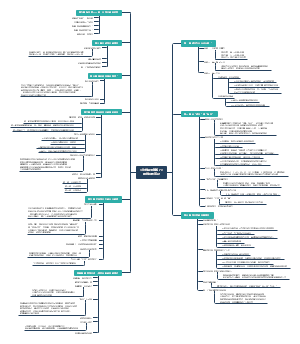
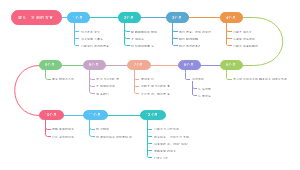
Unit 2 The price system and the microeconomy
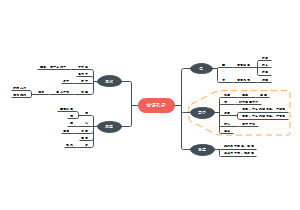
Chapter 7 Demand and supply curves
The price mechanism and markets
the means of allocating resources in a market economy
from consumers to producers
Demand
demand refers to the quantity of a product that buyers are willing and able to buy at different prices per period of time, coteries paribus or other things equal.
quantity
product
buyers
willing to buy
able to buy
different prices
per period of time
coteries paribus
The demand curve
The factors that affect demand
price
non-price factor
changes in income
changes in the price of related products
changes in fashion, taste and attitudes
advertising campaigns
changes in population
other factors
eg. weather conditions, expectation
Supply
supply refers to the quantity of a product that suppliers are willing and able to sell at different prices over a period of time, coteries paribus or other things equal.
quantity
product
suppliers
willing and able to sell at different prices
per period of time
coteries paribus
The supply curve
The factors affecting supply
price
non-price factor
changes in the costs of production
government policy
nature of the industry / size of the industry
price os related goods
Causes of a shift in the demand curve
a shift to the right in the demand curve
an increase in income
an increase in the price of substitutes
a decrease in the price of complements
a favourable change in fashion,, taste and attitudes
a shift to the left in the demand curve
a decrease in income
a decrease in the price of substitutes
an increase in the price of complements
an unfavourable change in fashion, taste and attitudes
Causes of a shift in the supply curve
a shift to the right in the supply curve
a decrease in the costs of production
growth in the size of the industry
a decrease in the price if competitor’s goods
decrease in an indirect tax to increase in subsidy
a shift to the left in the supply curve
an increase in costs of production
decline in the size of the industry
an increase in the price of competitor’s goods
increase in an indirect tax or fall in subsidy
How to distinguish between a shift in the demand or supply curve and a movement along the curves
extension of demand or supply
an increase in the quantity demanded to quantity supplied.
contraction of demand or supply
a decrease in the quantity demanded to quantity supplied.
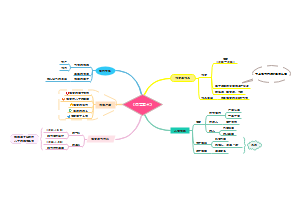
Chapter 8 Price elasticity, income elasticity and cross elasticity of demand
What do economists mean by elasticity?
elasticity
elastic
inelastic
Price elastic of demand PED
PED = %change in quantity demanded / %change in price
PED>1 elastic PED>1 inelastic
PED = ∞ perfectly elastic PED = 0 perfectly inelastic
PED = 1 unit elasticity
factors affecting price elasticity of demand
the availability and attractiveness of substitutes
the relative expense of the product
the time period
PED and a downward-sloping linear demand curve
Income elasticity of demand YED
YED = %change in quantity demanded / %change in income
YED>0 normal good
0<YED<1 necessity
YED>1 luxury
YED<0 inferior good
how firms use YED
forecasting the future demand
resources allocation
if the firms anticipate and economic growth (national income increase)
allocating resources to produce normal goods
Cross elasticity of demand XED
XED = %change in quantity demanded of product A / %change in the price of product B
XED>0 substitutes
XED<0 complements
How price, income and cross elasticities of demand can affect decision-making
PED
price variations in a market
the impact of changing prices on consumer expenditure and sales revenue
the effects of change in indirect taxes on government income
Chapter 9 Price elasticity of supply
PES = %change in quantity supplied / %change in price
同PED
Factors influencing price elasticity of supply
availability of stocks
time period
productive capacity
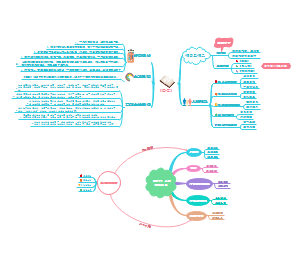
Chapter 10 The interaction of demand and supply
Market equilibrium and disequilibrium
equilibrium
a situation where there is no tendency to change in a markey
disequilibrium
a situation where demand and supply are not equal in a market
The effects of shifts in demand and supply curves on equilibrium price and quantity
shifts in market demand curve
causes of shifts in the demand curve
income / the ability to pay
the price and availability of related products
fashion, taste and attitudes
shifts in the market supply curve
causes of shifts in the supply curve
costs associated with supply
changes in the prices of other products
the size and nature of the industry
government policy
a change in supply and demand
Relationships between markets
alternative demand
joint demand
derived demand
joint supply
The functions of price in resources allocation
rationing
signalling and the transmission of preferences
the provision
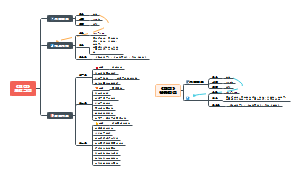
Chapter 11 Consumer and producer surplus
The significance of consumer surplus
consumer surplus
the difference between the price a consumer is willing to pay for a product and its market price
The significance of producer surplus
producer surplus
the difference between the price a producer is willing to accept and what is actually paid