导图社区 Chapter4
这是一篇关于Chapter4的思维导图,主要内容包括了MONETARY OOLICY、Fiscal policy、Supply side policy。
编辑于2023-01-01 11:04:24 北京市Chapter4
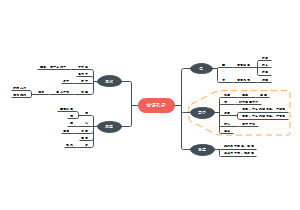
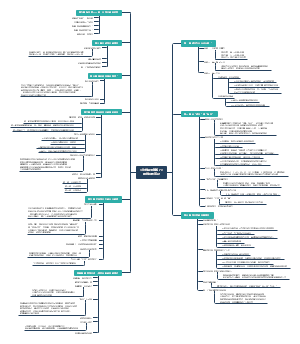
Monetary policy
definition: the government controls the money supply to achieve certain macroeconomic aims. Usually by changing the interest rate, the money supply and the exchange rate.
recession--expansionary monetary policy tries to stimulate the economy by
increasing the money supply(C ↑)
lowering the interest rates( Inverstment ↑)
lowering the exchange rate(export↑)
inflation--contractionary monetary policy tries to slow down the economy by
decreasing the money supply(C↑)
raising inyerest rates(I↓)
S
raising the exchange rate (export↓)
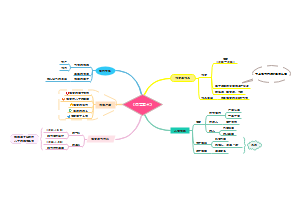
Supply-side policy
definition: a government action wich leads to increase aggregate supplt in an economy by improving either the quality or the quantity of resources.
spending on education and training→raise skills and labour productivity→increase the productive potential of an economy
reforming trade unions→reduce the power of trade unions→vetter relationship→make labour more productive or increase the number of people empolyed→incrase the productive capacity of an economy
lower direct taxes→increase the incentives激励 for emplyees and entrepreneurs→increase the production
deregulation→remobing barriers to produce by less rules and regulations→lower costs→increase the production\
Privatisation → transferring public sector activities to private sector firms → increase productivity → increase production
Expanding infrastructure → improving the network of transport (land, water, air) and communication → increases mobility and availability of resources →to facilitate the efficient production
Subsidies or grants→ encourage entrepreneurs to start up new businesses or to innovate → increase production
Reduced social welfare payments → lowering benefits forces more people to (re)join the workforce →increase production

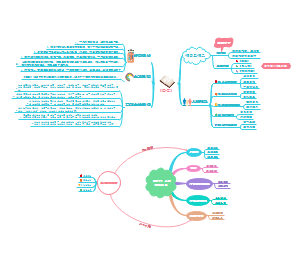
Effects of supply side policies on government aim
子主题
improving either the quality or the quantity of resources→increase the
productive capacity of an economy →greater production →create more
jobs →full employment
improving either the quality or the quantity of resources→increase the
productive capacity of an economy →greater production →high economic
growth
improving either the quality or the quantity of resources→increase the
productive capacity of an economy →greater production →increase the
aggregate supply →lower the price level →price stability
improving either the quality or the quantity of resources→increase the
productive capacity of an economy →greater production→create more jobs
→ higher incomes →increase imports →BOP instability
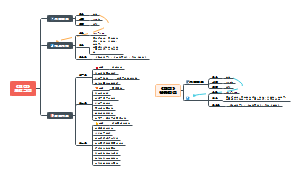
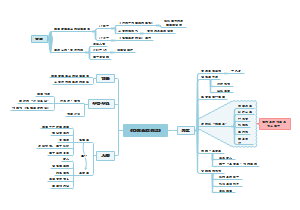
Fiscal policy
definition: the government use government spendng and income tax rates to achieve certain macroeconomic aims
reession--expansionary fiscal policy: incrase government spending or reduce tax rates to incrase aggregate demand to stimulate the economy
and then will have more investment and output, low unemployment
effect on macroeconomic aims
inflation--contractionary fiscal policy: to reduce government spending or increase income tax rated to reduce aggregate demand to slow down an economy
and then will reduce the inflation, also help reduce BOP deficit
effect on macroeconomic aims
government spending
provide essential public services
provide merit goods
provide public goods
maintain and improve the infrastructure of an economy
provide welfare services
achive macroeconomic aims
taxation
classification
direct taxes
personal income tax
corporation tax
net profit
capital gains tax
sale of shares
inheritance tax
indirect tax
sale tax
progressive tax
regressive tax
proportional tax
reasons why government collect tax
raise revenue
redistribute income form rich to poor
discourage the consumption of demerit goods
discourage the consumption of imports
influence economic activity