导图社区 病毒和其他非生物的感染物质
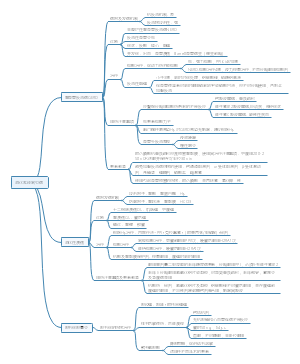
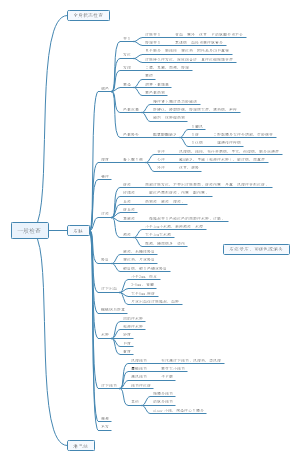
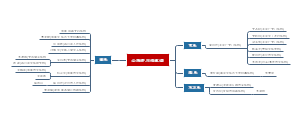
微生物 病毒 思维导图 英文版,包含了Viruses are acellular、Virion structure is denfined by capsid by capsid symmetry and presence or absence of an envelope、 Viral life cycles have five steps、There are serveral types of viral infections、 Cultivation and enumeration of viruses、Viroids and satellites:nucleic acid-based subviral agents章节知识,请品鉴。
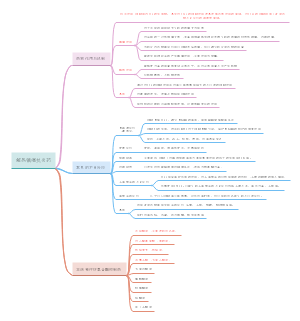
编辑于2023-02-13 16:15:10 福建省CHAPTER13 Bioenergetics and Biochemical Reaction Types。13.0 Bioenergetics and Metabolism、13.1 Bioenergetics and Thermodynamics。

Regulation of gene expression、13.1 Principles of gene regulation、13.2 Regulation of gene expression--Prokaryote、13.3 Regulation of gene expression--Eukaryote。
Nucleotides are the units and the chemicals that are strung together to make nucleic acids, most notably RNA and DNA. And both of those are long chains of repeating nucleotides. There's an A, C, G, and T in DNA, and in RNA there's t。
社区模板帮助中心,点此进入>>
CHAPTER13 Bioenergetics and Biochemical Reaction Types。13.0 Bioenergetics and Metabolism、13.1 Bioenergetics and Thermodynamics。
Regulation of gene expression、13.1 Principles of gene regulation、13.2 Regulation of gene expression--Prokaryote、13.3 Regulation of gene expression--Eukaryote。
Nucleotides are the units and the chemicals that are strung together to make nucleic acids, most notably RNA and DNA. And both of those are long chains of repeating nucleotides. There's an A, C, G, and T in DNA, and in RNA there's t。
Chapter 6 Viruses and Other Acellular Infectious Agents
6.1 Viruses are acellular
Significances
vital members of aquatic ecosystems
treat bacterial infections
A number of animal viruses are being used to target and destroy cancer cells
important model organisms
Virus research methods
Electron microscopy
X-ray diffraction
Biochemical analysis
immunology
Bio-informatics
Big data
Virus concept
A acellular particle with infectivity
Extra-cellular: inactive
Intra-cellularly: active, to synthesize viral components
Virus name
relative to their host
Viruses have been classified into numerous families based primarily on
genome structure
life cycle
morphology
genetic relatedness 亲缘关系
6.2 Virion structure is denfined by capsid by capsid symmetry and presence or absence of an envelope
General structural properties
Shape
Virion morphology result from capsid symmetry with the presence or absence of an envelope. 有衣壳对称没有不对称
Size
10-400nm
components and structure
Enveloped Virions
Envelope
Viral envelopes and enzymes
Nonprotein
animal virus envelopes: lipids and carbohydrates(从宿主处获得)
Proteins
Spikes/peplomers(glycoproteins)
code by viral gene
may even project from the envelope surface
Other protein
enzymes(e.g.RNA合成酶) or scaffold
The simplest virions-nucleocapsid
RNA/DNA(core)
Capsid(coat)
Protein coat
Function: protect viral genetic material and aids in its transfer between host cells
Form
Helical
shaped like hollow tubes with protein walls
An RNA genome is wound in a spiral and lies within a groove formed by the protein subunits (RNA位于蛋白质亚基形成的凹槽内)
Icosahedral
with 20 equilateral faces and 12 vertices
组装:each subunit-protomers-capsomer-capsomers-capsod
The most efficient way:有效率的包装 包装空间更大
others
e.g. Poxviruses-largest (dsDNA)
Viral genomes are structurally dieverse
Have single or double stranded DNA or RNA
T4phage: dsDNA/ssDNA
HBV: Gapped DNA
Rotavirus: dsRNA
Covid: ssRNA(+)
Influenza: ssRNA(-)
HIV: ssRNA(+)
Can be segemented or circular
The size of the nucleic acid also varies: 4-1200Knt (maximum efficiency)
6.3 Viral life cycles have five steps
Attachment to host cell (specific)
1. Must associate with a potential host cell long enough to gain entry into the cell
2. Accomplished by specific interactions between virus (ligand) and the host (receptor)
Ligand
Protein (often)
Lipids (some animal viruse)
Host receptor: Always prsenet on the surface, important for normal host cell function
May be more than one host (present receptor)(rabies viruse)
May be more than one receptor(CD4, CCR5)(HIV)
May be specific tissue(surface receptors in tissues) (poliovirus)
Ebola mimic damaged cells by exposing certain phospholipids on their surface. This display is a hallmark of dying cells targeted for phagocytosis
Archaeal viruses: virion appendages for host cell attachement
Bacteriophages: attach to the LPS and Protein or TA, flagella/ pili of the host.
Entry into host cell
The virus's genome or the entire nucleocapsod enters the cytoplasm
Fusion of the viral envelope with host membrane; nucleocapsid enters
Endocytosis in vesicle; endosome aids in viral uncoating.(acidity)
Injection of nucleic acid(phage)
Endosomal enzymes can aid in virion uncoating, and low pH often triggers the uncoating process.
Synthesis stage: tightly regulated
Early proteins are synthesized early (taking over the host cell)
Middle proteins are synthesized viral genome or late gene
Late protein are synthesized later capsid and assemble release
Assembly-complicated but varies
Where: most in cytoplasm, some in nnucleus
Key steps: move genome into capsid (ATP consumed)
Late protein are important in assembly
Release
Release by lysing the host cell-Naked viruses
Lyse the bacterial (lysozyme, holin)
Open up a flower
Release by budding-Enveloped viruses
Envelop derived from host cell membrane, Golgi, ER, or other internal membrane.
Budding has been observed as the archaeal SSV1 enveloped virus exits its host
From cell to cell
Vaccinia virus may use host actin tails to propel directly into a adjacent cell (escape defense)
Others
Fungal viral may through division, spore formation, or during mating
6.4 There are serveral types of viral infections
Lytic and lysogenic infections are common for bacterial and archaeal cells
Virulent phage (Lytic)
Temperate phage (Lysogenic or Lytic)
Lysogeny
定义:The relationship between a temperate phages(prophage) and its host(lysogen).
Host
Alteration in surface characteristics of the host (e.g. receptor change)
Give the host pathogenic properties (coding toxin)
Have immunity to superinfection: Can't be reinfected by the same virus
They reproduce, the prophage is replicated and inherited by progeny cells
When go back to lysis: Induction
Process: the prophage to initiate synthesis of phages proteins and to assemble new virions, a process called induction
Condition: changes in growth conditions or ultraviolet irradiation of the host cell
Results: lysogenic cycle ends and the lytic cycle commence; the host cell lyses and progeny phages particles are released
Infections of eukaryotic cells
Cytocidal infection
An infection that result in cell death
Cytopathic infection
Cause degenerative changes(退行性改变) / abnormalities(畸形)
Malignant(恶性的) / cancerous cells
Virus and cancer
10-20% relative to oncoviruses (肿瘤病毒)
By interacting with and inactivating either Rb or p53
Viral genome integrates into the host chromosome
6.5 Cultivation and enumeration of viruses
How to cultivate viruses
Host cell
Tissue
How to count viruses
directly
indirectly
PFU(噬菌斑)
PCR
Immuno-
6.6 Viroids and satellites: nucleic acid-based subviral agents
Viroids
Infectious agents that consist only of RNA (plant disease)
Covalently closed, circular ssRNAs, about 250 to 400bp
Satellites
Similar to viroids in that they also consist of a nucleic acid
Their nucleic acid gets enclosed in a capsid and they need a helper virus to replicate