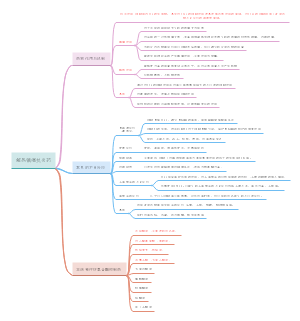
Gibberellins were identified as fungal compounds that promote stem elongation
Later, GAs were identified as endogenous plant growth regulators
The manipulation of GA levels is tremendously important for agriculture
One of the most significant accomplishments of 20th century science was the development of semi-dwarf grain varieties which are deficient in GA synthesis or response
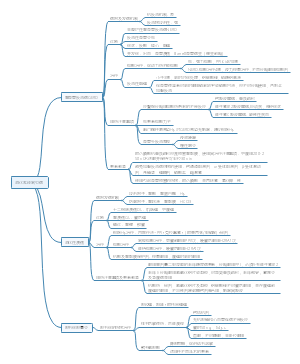
Types and Structure of Gibberellins
Backbone of GAs
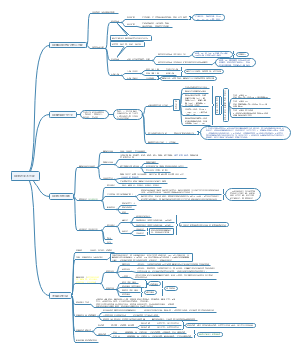
Biosynthesis of Gibberellins
The GA biosynthetic pathway is complex
Stage 1 proplastid
Core Enzyme
CPS
柯巴焦磷酸合成酶
KS
内根-贝壳杉烯合酶
Stage 2 endoemembranes
Core enzyme
KO
KAO
Stage 3-Cytoplasma
Core enzyme
GA 13-hydroxylase
GA 20-oxidase
GA 3-oxidase
Metabolism of GAs
GAs can be deactivated by several different enzymes
GA2ox
GAMT
EUI
Tightly controlled
Transport of GAs
GA is not transported in a polar way
The same amount of GA moves from the upper donor block to the lower block no matter the polarity of the stem segment.
GAs are graft-transmissible; they can move long distances
GA moves from embryo to aleurone in germinating monocot seeds
GA is synthesized in the embryo and moves into the cells of the aleurone to induce production of α-amylase, an enzyme that breaks down starch
Perception and signaling
GID1
GIBBERELLIN INSENSITIVE DWARF1 (GID1) encodes a GA receptor
Overexpression of GID1 makes plants hypersensitive to GA
GA-INSENSITIVE1 and SLENDER1 both encode “DELLA” repressors
The receptor GID1 binds to DELLAs
The interaction between GID1 (receptor) and SLR1 (DELLA) is GA-dependent
GA induces DELLA protein degradation
GID2
SLEEPY/GID2 is a component of the SCF ubiquitin ligase complex SCFSLY1/GID2
Physiological Function
GAs control growth and elongation by cell expansion and cell division
GAs induce expression of cellcycle regulatory proteins called cyclins
GAs promote elongation by cell wall loosening and stabilizing the orientation of cortical microtubules, which help direct growth
GAs mediate stress responses through DELLA proteins
GAs promote seed germination and reserve mobilization
During germination, GA induces expression of nutrient-mobilizing enzymes
GAs promote flowering
GAs interact with brassinosteroids at transcriptional level