导图社区 认知科学语言学理论自学笔记思维导图
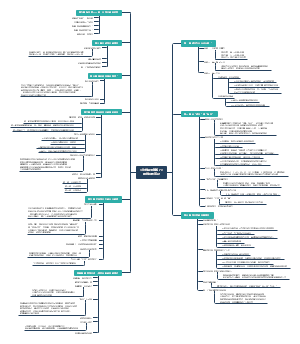
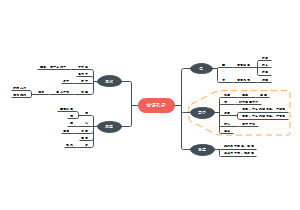
认知科学语言学理论自学笔记思维导图,包括认知科学,分类,三个方法表征,国内外发展历程,研究对象,哲学基础,研究目的。感兴趣的小伙伴可以下载收藏哦!
编辑于2023-02-21 22:33:37 广东认知科学语言学理论自学笔记思维导图
认知科学
认知心理学
认知社会学
认知人类学
认知语言学
认知行为学
认知考古学
人工智能
分类
狭义
Branches
Cognitive Semantics Cognitive Grammar
研究课题
引陈治安 文旭的导读 An Introduction to Cognitive Linguistics written by F. Ungerer and H.-J.Schmid
概念结构和范畴化课题
范畴化(categorization)
分类的心理过程叫做范畴化 范畴化的产物是认知范畴(cognitive category)
经典范畴化
颜色词
原型范畴化(prototype)
概念隐喻(conceptual metaphor)
结构隐喻,方位隐喻和实体隐喻
认知模型(cognitive model)
多义性(polysemy)
概念转喻(conceptual Metonymy)
意象图式(image schema)
它是隐喻的认知基础,他们来源于日常生活的基本经验,在概念域的映射中起着重要作用。
心理空间(mental space)
语言构造
功能原则课题
象似性(iconicity)
狭义理解
临摹现实世界中的客体,仅相当于皮尔斯所说的映像符(image icon)
广义理解
基本相当于通常所说的“理据性” 它不仅指语言形式在一定程度上可反映客观外界的事物,而且主要是指语言形式反映了人们对世界的体验感知和认知方式,语言形式是基于人们的经验方式、认知规律、概念结构的
自然性(naturalness)
标记性(markedness)
经验原则课题
构式语法(construction grammar)
语言变异(linguistic change)
语法化(grammaticalization)
句法和语义接面课题
认知语法(cognitive grammar)
创新点
以语义分析为基本出发点
依据几种基本认知能力和认知方式对话
单位
音位单位
语音单位
象征单位
用“识解”来描写语法
通过典型事件模型解释英语基本句型
guiding principles
A cognitive approach to grammar is concerned with modeling the language system (the mental ‘grammar’), rather than the nature of mind per se. However, it does so by taking as its starting point the conclusions of work in cognitive semantics. This follows as meaning is central to cognitive approaches to grammar.
The symbolic thesis
The symbolic thesis holds that the fundamental unit of grammar is a form- meaning pairing, or linguistic unit (called a ‘symbolic assembly’ in Langacker’s Cognitive Grammar, or a ‘construction’ in construction grammar approaches). In Langacker’s terms, the symbolic unit has two poles: a semantic pole (its meaning) and a phonological pole (its sound). The idea that language has an essentially symbolic function, and that the fundamental unit of grammar is the symbolic unit, has its roots in Saussure’s (1983) theory of language.
The usage-based thesis
The usage-based thesis holds that the mental grammar of the speaker (his or her knowledge of language) is formed by the abstraction of symbolic units from situated instances of language use. An important consequence of adopting the usage-based thesis is that there is no principled distinction between knowledge of language and use of language (competence and performance, in generative terms), since knowledge of language is knowledge of how language is used.
认知语义学
2002年 TOMY
原则
体验观
人类对外部世界种种现象的感知体验过程中逐步形成范畴、概念和思维,抽象出认知模型,建立认知结构,获得意义。----引自 王演
概念化
百科观
The principle holds that semantic structure is encyclopaedic in nature. This means that lexical concepts do not represent neatly packaged bundles of meaning (the so-called dictionary view, see Haiman, 1980, for a critique). Rather, they serve as ‘points of access’ to vast repositories of knowledge relating to a particular concept or conceptual domain (e.g., Langacker, 1987).
原型观
类典型
隐喻观
象似观
整合观
词语的意义不完全是通过其组成部分的意义和组合方式而获得的,而常是通过互相作用,激活相关认知域进行整合而获得的。
框架语义学(frame semantics by Charles Fillmore)
框架最初由Fillmore提出
框架是一种认知模型,是具体情境的只是和信念的表征,例如“买”框架和“卖”框架
构式语法(construction grammar)
A.E.Goldberg 提出
她认为动词只是在典型句法环境下才能表达其语义结构,这种句法环境就称为构式。 由于句法结构本身反映人类经验,因此构式本身具有意义,是形和义的结合体,是连接 语义与句法的纽带。构式植根于人类经验,如同框架或概念一样储存在长时间记忆中。
广义
认知语言学的理论原则:
概念语义原则
百科语义原则
典型范畴原则
语言与其他认知机制相关原则
语法性判断的渐进原则
句法的非自主性原则
三个方法表征
经验观(experimental view)
经验观认为,语言使用者对事物的描写不只是局限于客观的描写,还会对它们的意义提供更丰富、更自然的描写,也包括隐喻。 例如,对一辆小车的描写,人们不但会说小车的形状像一个盒子,有车轮、门、窗、座位等; 还可能会提到小车坐的很舒服,跑得快,是社会地位的象征; 后面的这些特征显然是人们所经历的部分,远远超过了客观描写。
凸显观(prominence view)
凸显观认为,语言结构中信息的选择与安排是由信息的突出程度决定的。例如,要描写一辆车撞到了一棵树上的情景 句子 The car crashed into the tree就比The tree was hit by the car更自然,因为在整个情境中,运动着 的车是最有趣、最突出的部分,故我们倾向于把车放在句首。
注意观(attentional view)
注意观认为,我们用语言所表达的世纪上只反映了事件中引起我们注意的那些部分。例如上面的the car crashed into the tree 只是描述了整个车祸中引起我们注意的一部分,而其他部分,如小车突然转向等却未表达出来,尽管这些部分均发生在车撞在树上之前。
国内外发展历程
国外
early 1970s
In the early 1970s, cognitive linguistics originally emerged as a modern school of linguistic thought. It is firmly rooted in the emergence of modern cognitive science in the 1960s and 1970s, particularly in work relating to human categorisation, and in earlier traditions such as Gestalt psychology (Fillmore, 1975; Lakoff & Thompson, 1975; Rosch, 1975).
1980’s and 1990’s
During the 1980s, cognitive linguistic research began to take root in northern continental Europe, particularly in Belgium, Holland and Germany. By the early 1990s, there was a growing proliferation of research in cognitive linguistics throughout Europe and North America, and a relatively large internationally distributed group of researchers who identified themselves as ‘cognitive linguists’.
国内
2001
First CCL Conference, in SISU
2005
CCLA was established
2011
7th CCL Conference, in SISU (Chairman; managing director, director) 2011,11th International Cognitive Linguistics Conference, in XISU
派别
引陈治安 文旭的导读 An Introduction to Cognitive Linguistics written by F. Ungerer and H.-J.Schmid
欧洲
英国
德国
认知符号学
美国
Berkeley School(伯克利学派)
代表人物
Fillmore Kay Sweetser
San Diego School(圣地亚哥学派)
代表人物
Langacker Fauconnier
认知语言学的研究方法
类型法
研究对象
词
多义
符号学
语言变异
语法化
形式语法 功能语法 认知语法 构式语法
汉语语料
实词虚化
.........
句子结构
1992年 constructor and
标记性(markedness)
构式语法(construction grammar)
Goldberg 提出
转喻
范畴化
文章
段落
哲学基础
敌人-辩证法
形而上学
体验哲学
人的经验 概念 书;来考夫 - phlosify in flash
原则
心智的体验性
思维不能脱离形体的(embodied),即用来连接概念系统的结构来自于身体经验,并依据身体经验而有意义。
认识的无意识性
思维的隐喻性
因为思维不是直接来源于经验的概念是运用隐喻、转喻、和心理意象的结果,这种现象力不能脱离形体的,因为隐喻、转喻、意象都是以经验为基础的。
研究对象
研究目的
寻找不能脱离形体的概念知识的经验证据,探索概念系统、身体经验与语言结构之间的关系以及语言、意义和认知之间的关系,即所谓的“关系问题”(the relationship question),发现人类认知或概念知识的实际内容,从而最终揭示人类语言的共性、语言与认知之间的关系以及人类认知的奥秘.
解释语言与思维的关系
语言事实背后的认知机制