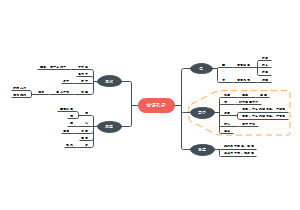
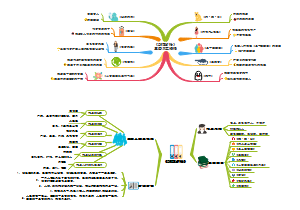
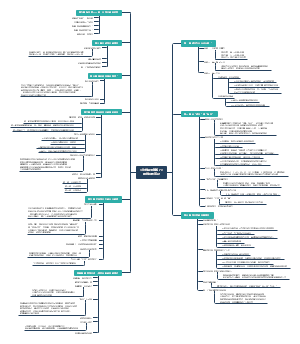
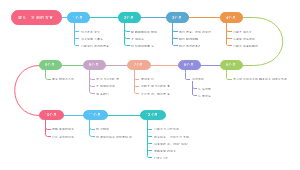
I / me , we / us , you , he / him , she / her . It / it , they / them
特殊用法
人称代词的特殊用法
1.指可爱、美丽的或雌性动物用 she 表示,指凶猛的或雄性动物用 he 表示。
2.表示车、船、祖国、城市、大地、月亮等时常用 she 表示。
3.用 we 、 you 、 they 泛指一般人。
排序
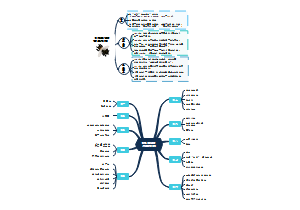
1.单数时是第二、第三、第一人称(简称231) 。
2.复数时是第一、第二、第三人称(简称123) 。
3.在承认错误时," I "放在其他人称前面表示勇于承认错误。
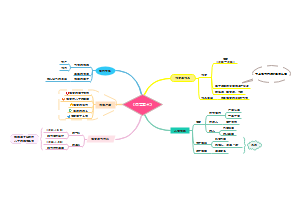
物主代词
内容
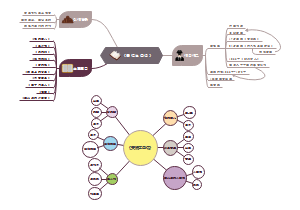
my / mine , your / yours , his , her / hers , its , our / ours , their / theirs
相互代词
内容
each other,one anorher
指示代词
内容
this,that,these ,those
疑问代词
内容
who,whom,whose,which,what
关系代词
内容
who , whom , whose , which and that
连接代词
内容
who whose whom which
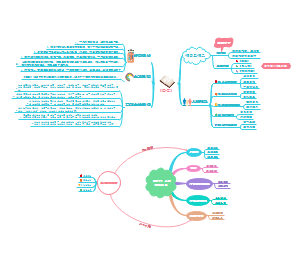
不定代词
内容
不定代词
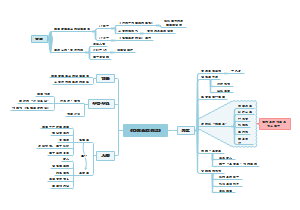
(1) one / ones 可指人和物,只代替可数名词。
(2) no one / none 前者只用于指人,后者既可指人也可指物。
(3) everyone / every one 前者意思是"每个人",不可跟 of 短语;后者意思是每个人或物,可跟 of 短语。
(4) anybody 、 everybody 和 every +单数名词后均接单数动词形式。
(5)形容词修饰 something 、 anything 、 nothing 等不定代词时后置。
(6) another / other / others / the other / the others :
a .皆可作形容词: another = an + other +单数名词: other +复数名词; the other +单复数名词
b .皆作代词: another = an + other +单数动词: the other +单数动词: others / the others +复数动词
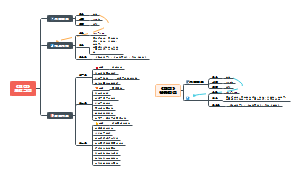
自身代词
内容
my / mine , your / yours , his , her / hers , its , our / ours , their / theirs
myself / ourselves , yourself / yourselves , herself , himself , itself , themselves
注意事项
1.自身代词不能用作主语,只能作宾语、表语、同位语。
2.自身代词有时用于 be , feel , seem ,look 等后作表语,表示身体或精神处于正常状态。
3.自身代词没有所有格形式,不能加' s ,不能用作定语,若要表示"某人自己的",可以用物主代词+ own +名词。