导图社区 Living thing
- 62
- 0
- 0
- 举报
Living thing
Science,Living thing, Lesson 1内容有: Characteristics of living things. Living things made by cells.
编辑于2023-05-03 23:12:31 广东- Science
- 相似推荐
- 大纲

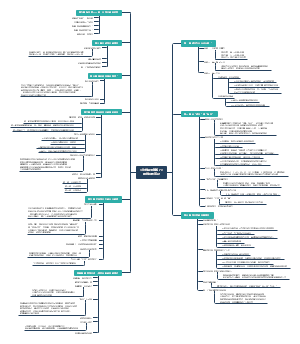

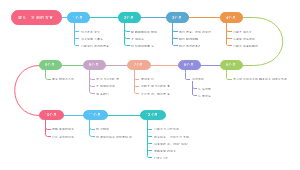
Living Thing
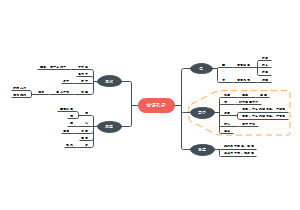
Lesson 1
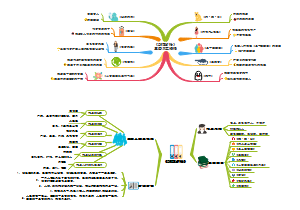
Characteristics of living things
1. Respond
2. Grow
3. Reproduce
4. Use energy
5. Have cells
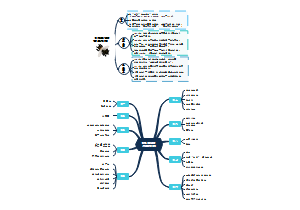
Living things made by cells
Two types of Cells
1. Unicellular Organisms
Entire organism is made up of one single cell
Bacteria & Protists
2. Multicellular Organisms
The organism is made up of many cells
Cells have specialized functions within the organism
Different between Eukaryote and Prokaryote
Lesson 2
Cell structure
Picture
Plants and Animals
1. Cell Wall
Found in plant cells only
Rigid , strong
Protects the cell
Allows water , oxygen , and carbon dioxide to pass into and out of the cell
2. Cell Membrane
Found in both plant and animal cells
Plant - inside the cell wall
Animal - outer layer
Supports and protects the cells
Controls movement of materials in and out of the cell
3. Nucleus
Found in both plant and animal cells
Large , oval shape in the center of animal cells and at the edge of plant cells
Controls cell activities ( the brain )
Controls hereditary materials
4. Cytoplasm
Found in both plant and anir cells
Clear , thick jelly like material
Supports and protects cell organelles
4. Chloroplast
Found in plant cells only
Contain chlorophyll ( green pigment )
Uses energy from the sun to make food ( sugar and oxygen )for the plant ( photosynthesis )
Types of Cells in the Body
Stem Cells
Bone Cells
Blood Cells
Muscle Cells
Fat Cells
Skin Cells
Nerve Cells
Endothelial Cells
Cell Theory tell us...
1. All living things are made of cells
2. Cells are the smallest working units of all living things
3. Cells come from pre-existing cells through cell division
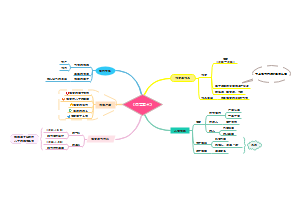
Lesson 3
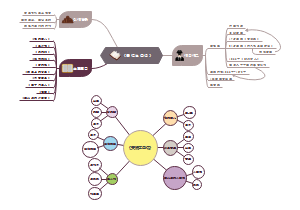
Energy and their purpose
Why living things need energy
Organisms use energy to carry out the activities of life such as
making food
breaking down food
moving materials into and out of cells
building cells
All living things need energy in order to live and they get this energy from the food they eat .
How do organisms get their energy ?
Autotrophs - use sun ' s energy directly ( plants )
Heterotrophs - obtain energy by the foods they eat ( animals )
Energy Flow
The sun ' s energy flows into organisms that can change the sunlight into food then into organisms that eat them
sunlight < producer < consumer 1 < consumer 2
What is energy?
Energy is sometimes defined as the ability to cause change or do work
Energy Types
Thermal Energy
Chemical Energy
Electrical Energy
Radiant Energy
Nuclear Energy
Lesson 4
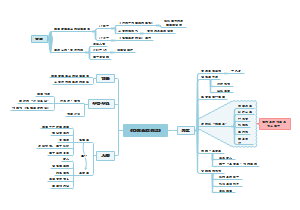
Organization of Cells
1. Cells (Leval 1)
The basic unit of structure and function in living things
Example
Blood cells
Muscle cell
Nerve cell
2. Tissues (Leval 2)
A group of specialized cells that perform a particular function
Example
Muscle tissue
Nerve tissue
Connective tissue
Blood
Bone tissue
3. Organs (Leval 3)
A group of tissues that work together to carry out a set of functions
Example
Kidney
Heart
Bone
Brain
Skin
4. Organ Systems (Leval 4)
A group of organs that work together to perform a set of functions
Example
Skeletal System
Respiratory System
Nervous System
Circulatory System
Digestive System
5. Organism (Leval 5)
An independently functioning living thing
Example
Your Self
Tree
Fish
Lesson 5
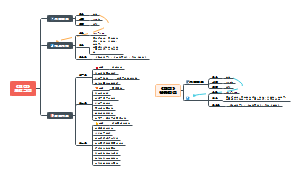
6 Kingdoms
Animalia
Multicellular
eukaryotic
Fungi
Multicellular
eukaryotic
Plantae
Multicellular
eukaryotic
Protista
Both
eukaryotic
Eubacteria
Unicellular
prokaryotic
Archaebacteria
Unicellular
prokaryotic
Lesson 6
Organization of Lives
Kingdom
Phylum
Class
Order
Family Genus
Species
Domain
Eukarya
eukaryotic organisms that contain a membrane - bound nucleus ( includes protist , plants , fungi and animals )
Protista Plantae Fungi Animalia
Archaea
prokaryotic cells lacking a nucleus and consist of the extremophiles ( e . g . methanogens , thermophiles , etc .)
Eubacteria
prokaryotic cells lacking a nucleus and consist of the common pathogenic forms ( e . g . E . coli , S . aureus , etc .)
Scientific Name
First name is genus ; second name is species
3 Rules For Scientific Name
1. Italicized or underlined
2. Genus name is Capitalized
3. Species name is lower - case
A scientific name is incomplete without both the genus and species names .
Lesson 7
Dichotomous Keys
A dichotomous key is a tool that allows the user to determine the identity of items in the natural world based on the items characteristics
" Dichotomous " means - "divided into two parts"
Always give two distinct choices in each step
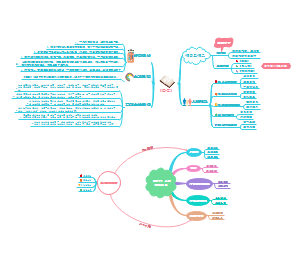
Lesson 8
Animals Profiles
Habitat
What country is it from
Where does it like to live ?
Body
What does it look like ?
How big is it when it ' s fully grown ? How heavy is it ?
Does it ave any interesting features ?
How does it use them ?
Does its body change as it grows ?
Food
Is it a carnivore / herbivore / omnivore ?
What does it like to eat ?
How does it eat ?
Fun Facts
How long can it live for ?
Do they live in groups ? What is a group of them called ?
Can they run / swim / fly ? How fast ?
How do they take care of their babies ?
Any other interesting information ?
Dangers
What are its predators ?
What are the dangers in its environment ?
Is it an endangered animal ?
Lesson 9
Habitat Variables
Habitats
A place where an organism lives
Ecosystems
A group of living things and their physical surroundings
Living Thing
Lesson 1
Characteristics of living things
1. Respond
2. Grow
3. Reproduce
4. Use energy
5. Have cells
Living things made by cells
Two types of Cells
1. Unicellular Organisms
Entire organism is made up of one single cell
Bacteria & Protists
2. Multicellular Organisms
The organism is made up of many cells
Cells have specialized functions within the organism
Different between Eukaryote and Prokaryote
Lesson 2
Cell structure
Picture
Plants and Animals
1. Cell Wall
Found in plant cells only
Rigid , strong
Protects the cell
Allows water , oxygen , and carbon dioxide to pass into and out of the cell
2. Cell Membrane
Found in both plant and animal cells
Plant - inside the cell wall
Animal - outer layer
Supports and protects the cells
Controls movement of materials in and out of the cell
3. Nucleus
Found in both plant and animal cells
Large , oval shape in the center of animal cells and at the edge of plant cells
Controls cell activities ( the brain )
Controls hereditary materials
4. Cytoplasm
Found in both plant and anir cells
Clear , thick jelly like material
Supports and protects cell organelles
4. Chloroplast
Found in plant cells only
Contain chlorophyll ( green pigment )
Uses energy from the sun to make food ( sugar and oxygen )for the plant ( photosynthesis )
Types of Cells in the Body
Stem Cells
Bone Cells
Blood Cells
Muscle Cells
Fat Cells
Skin Cells
Nerve Cells
Endothelial Cells
Cell Theory tell us...
1. All living things are made of cells
2. Cells are the smallest working units of all living things
3. Cells come from pre-existing cells through cell division
Lesson 3
Energy and their purpose
Why living things need energy
Organisms use energy to carry out the activities of life such as
making food
breaking down food
moving materials into and out of cells
building cells
All living things need energy in order to live and they get this energy from the food they eat .
How do organisms get their energy ?
Autotrophs - use sun ' s energy directly ( plants )
Heterotrophs - obtain energy by the foods they eat ( animals )
Energy Flow
The sun ' s energy flows into organisms that can change the sunlight into food then into organisms that eat them
sunlight < producer < consumer 1 < consumer 2
What is energy?
Energy is sometimes defined as the ability to cause change or do work
Energy Types
Thermal Energy
Chemical Energy
Electrical Energy
Radiant Energy
Nuclear Energy
Lesson 4
Organization of Cells
1. Cells (Leval 1)
The basic unit of structure and function in living things
Example
Blood cells
Muscle cell
Nerve cell
2. Tissues (Leval 2)
A group of specialized cells that perform a particular function
Example
Muscle tissue
Nerve tissue
Connective tissue
Blood
Bone tissue
3. Organs (Leval 3)
A group of tissues that work together to carry out a set of functions
Example
Kidney
Heart
Bone
Brain
Skin
4. Organ Systems (Leval 4)
A group of organs that work together to perform a set of functions
Example
Skeletal System
Respiratory System
Nervous System
Circulatory System
Digestive System
5. Organism (Leval 5)
An independently functioning living thing
Example
Your Self
Tree
Fish
Lesson 5
6 Kingdoms
Animalia
Multicellular
eukaryotic
Fungi
Multicellular
eukaryotic
Plantae
Multicellular
eukaryotic
Protista
Both
eukaryotic
Eubacteria
Unicellular
prokaryotic
Archaebacteria
Unicellular
prokaryotic
Lesson 6
Organization of Lives
Kingdom
Phylum
Class
Order
Family Genus
Species
Domain
Eukarya
eukaryotic organisms that contain a membrane - bound nucleus ( includes protist , plants , fungi and animals )
Protista Plantae Fungi Animalia
Archaea
prokaryotic cells lacking a nucleus and consist of the extremophiles ( e . g . methanogens , thermophiles , etc .)
Eubacteria
prokaryotic cells lacking a nucleus and consist of the common pathogenic forms ( e . g . E . coli , S . aureus , etc .)
Scientific Name
First name is genus ; second name is species
3 Rules For Scientific Name
1. Italicized or underlined
2. Genus name is Capitalized
3. Species name is lower - case
A scientific name is incomplete without both the genus and species names .
Lesson 7
Dichotomous Keys
A dichotomous key is a tool that allows the user to determine the identity of items in the natural world based on the items characteristics
" Dichotomous " means - "divided into two parts"
Always give two distinct choices in each step
Lesson 8
Animals Profiles
Habitat
What country is it from
Where does it like to live ?
Body
What does it look like ?
How big is it when it ' s fully grown ? How heavy is it ?
Does it ave any interesting features ?
How does it use them ?
Does its body change as it grows ?
Food
Is it a carnivore / herbivore / omnivore ?
What does it like to eat ?
How does it eat ?
Fun Facts
How long can it live for ?
Do they live in groups ? What is a group of them called ?
Can they run / swim / fly ? How fast ?
How do they take care of their babies ?
Any other interesting information ?
Dangers
What are its predators ?
What are the dangers in its environment ?
Is it an endangered animal ?
Lesson 9
Habitat Variables
Habitats
A place where an organism lives
Ecosystems
A group of living things and their physical surroundings