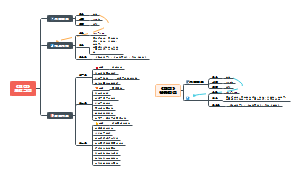
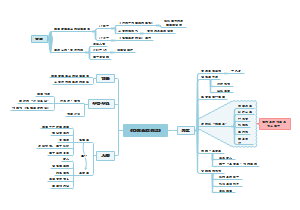
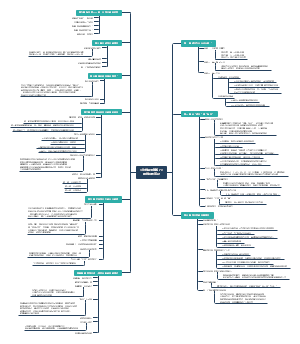
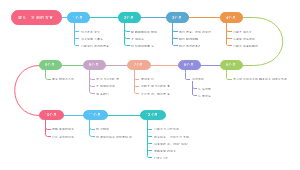
1.反身代词通常在enjoy,teach,hurt, buy,introduce, seat, dress, express, amuse,behave等动词和by,for,to,of等介词后作宾语。如:He was left at home by himself the whole day yesterday.
2.作主语同位语,加强语气“亲自,本人,亲身”e.g.The teacher and pupils mended the road themselves.
3.在be,feel,look,seem等系动词后作表语,表示身体或精神状态处于正常e.g.-You look pale. What’s wrong with you?--I’m not feeling myself today,notserious,though.
不可以单独做主语
(正)Imyself drove the car. 我自己开车(误)Myself drove the car.
(2)在由and,or,nor连接的并列主语中,第二个主语可用反身代词,特别是myself作主语。e.g. Charles and myself saw it.
(3)在不强调的情况下,but, except, for等介词后宾语用反身代词或人称代词均可
e.g. No one but myself/me is hurt.
4.反身代词的习惯搭配
(2)动词+反身代词
make oneself at home 不要客气
seat oneself=be seated 就坐
come to oneself苏醒 devote oneself to = be devoted to 致力于 enjoy oneself过得愉快,玩得高兴 help oneself to自行取用,请自便
accustom oneself to=be accustomed to 习惯于
explainoneself说明自己的意图expressoneself表达自己的思想
abandon oneself to 沉迷于,放纵