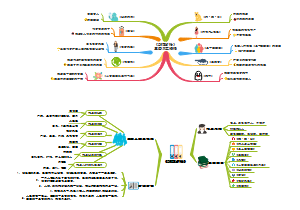
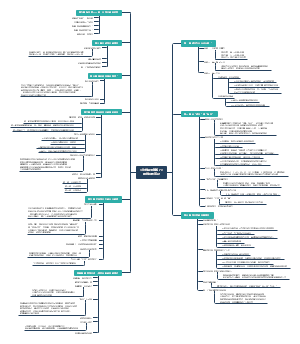
The study of sounds used in linguistic communication.
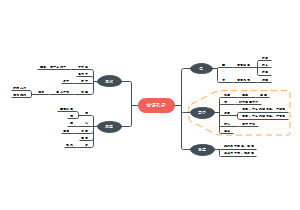
Phonology
Another branch of study related in communication.
Morphology
The branch of the study of these symbols are arranged and combined to form words .
Syntax
The mayor branch(the study of rules for governing sentences in language )of linguistic studies.
Semantics
The study of conveying meaning.
Pragmatics
Language communication occur in a context.
Sociolinguistic
The studies of all these social aspects of language and its relation with social .
Psycholinguistic
The study of language to psychology.
Applied linguistic
The study of linguistic studies can often be applied to the recovery of speech ability.
Narrow sense:The application of linguistic theories and principles to language teaching.
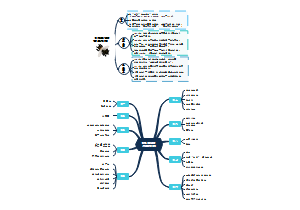
Some important distinction
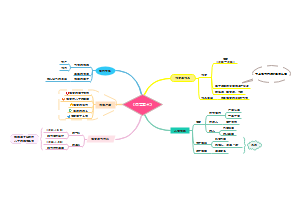
Prescriptive vs. descriptive
Prescriptive: To tell people what they should say and what they should not say.
Descriptive: A linguistic study aims to describe and analyze the language people actually use.
Synchronic vs. diachronic
Synchronic: The description of a language at some point of time in history .
Diachronic: The description of a language as it changes through time.
Speech and Writing
Speech is the way in which every native speaker acquires his mother tongue.
Writing is learned and taught later when he goes to school.
Langue and parole
Langue: The abstract linguistics system shared by all the members of a speech community .
Parole: The realization of langue in actual use.
Competence and performence
Competence: The ideal user’s knowledge of the rules of his language, and performance the actual realization of this knowledge in linguistic communication.
Performance is related to social and psychological factors.
Traditional grammar and modern linguistics
The general approach thus traditionally formed to the study of language over the year .
Modern linguistics regards the spoken language as primary.
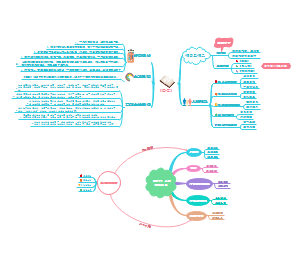
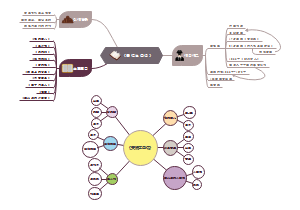
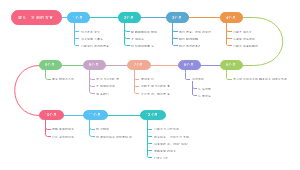
Language
Definition
Language is a system of arbitrary vocal symbols used for human communication .
Design features of language
Arbitrariness: There is no logical connection between meanings and sounds.
Productivity: It makes possible the construction and interpretation of new signals by its user and is unique to human language.
Duality: It is a system, which consist of two sets of structures, or two levers.
Displacement: Language can be used to refer to contexts removed from the immediate situations of the speaker.
Cultural transmission : It is passed on from one generation to the next through teaching and learning
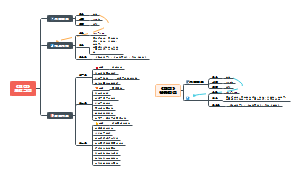
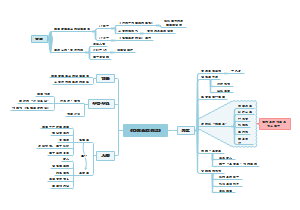
Three main function
The descriptive function
To convey factual information, which can be assert or denied.
The expressive function
The emotive or attitudinal function
The social function
The interpersonal function
Six basic function
Addresser—Emotive
express one’s attitude
Addressee—Conative
one’s ways of thinking
Context—Referential
convey a message or information
Message—poetic
displaying the beauty of language itself
Contact—Phatic communion
Trying to establish a good relationship with the addressee.
Code—Metalinguistic
Using language to make clear the meaning of language itself .
The function of child language
The ideational : it is to organize the speaker or writer’s experience of the real or imaginary world.
The interpersonal: it is to indicate,establish,or maintain social relationships between people.
The textual: it is to organize written or spoken texts.