manager had to plan what was to be done
organize people materials to do it and impose some
controls to unsure that everything was done as planned
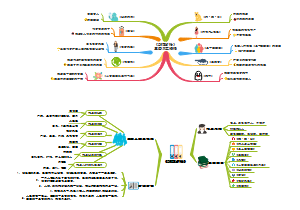
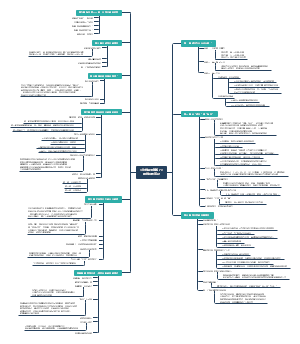
Adam Smith
Wealth of Nations(divison of labor or job specialization)
industrial revolution
1.all the organization aspects that became a part
of the way work was done
2.management had become a necessary components
to ensure the success of the enterprise
Aresnal of Venice
human resource management functions to manage the labor force
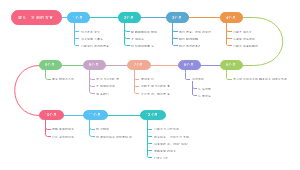
3000BCE---1776
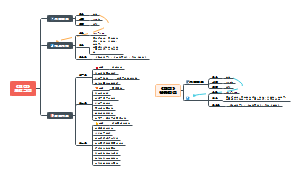
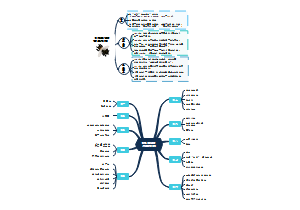
Classical Management
Scientific management
Frederick W Taylor( The father of scientific management)
“one best way to do the job”
General management
Henry Fayol and Max Weber (general administrative theory ) (14principle of management)
1911-1947
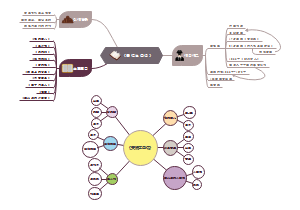
behavior Management
Early Advocate
Robert Owen(working conditions)
Hugo munsterberg(using psychological test)
Mary Parker Follet(organizations should be based on a group ethic rather than on individualism
Hawthorne study
conclusions:1.Group pressures can significantly affect individual productivity
2.people behave differently when they're being observed
organizational.behavior
people-motivating, leading, building trust, working with team ,managing conflict
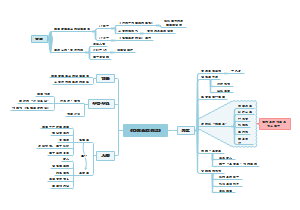
manager has to efficiently and effectively manage all parts of the system in order to achieve established goals
Contingency Approches
Popular contingency variables have been found to include organization size, the routineness of task technology, environmental uncertainty, and individual differences.