导图社区 Collection Mggt -第一周文章
Collection Mggt -第一周COLLECTION AND MANAGEMENT History, Theory, and Practice文章的思维导图,一起来看。
提示: 本内容由社区用户上传并分享。平台不对内容的真实性、合法性、知识产权归属及是否侵害第三方权利进行事前审核或保证。本内容可能包含受版权保护的图片、字体或其他第三方素材,使用前请自行确认授权范围。
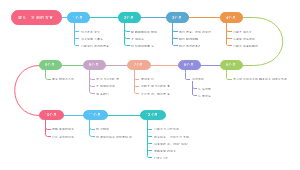
这是一篇关于英国文学简史的思维导图,在内容方面,思维导图涵盖了古英语时期、中世纪英语时期、文艺复兴与宗教改革时期、新古典主义时期、浪漫主义时期、维多利亚时代、现代主义文学时期以及后现代主义文学时期等多个重要阶段。每个时期都详细介绍了时间范围、文学特点、主要作家作品等信息,同时还包含了一些有趣的思考,如文学与时代的关系、不同文学流派之间的联系等,有助于激发学习者的深入思考。对于专业学生而言,它是学习英国文学课程的得力助手,能够帮助学生在繁杂的文学知识中理清头绪,高效地掌握各个时期的文学特征和重要内容,提升学习效果和考试成绩;文学爱好者可以通过此模板对英国文学有一个全面且深入的了解,更好地欣赏和品味英国文学作品的魅力;文学研究和教学人士则能将其作为参考资料,为学术研究和课堂教学提供清晰的框架和思路。无论你是初学者想要构建英国文学知识体系,还是有一定基础者希望进一步深化理解,这个思维导图模板都能满足你的需求,助你在英国文学的学习和探索中事半功倍。
Collection Mggt -第一周COLLECTION AND MANAGEMENT History, Theory, and Practice文章的思维导图,一起来看。
社区模板帮助中心,点此进入>>
这是一篇关于英国文学简史的思维导图,在内容方面,思维导图涵盖了古英语时期、中世纪英语时期、文艺复兴与宗教改革时期、新古典主义时期、浪漫主义时期、维多利亚时代、现代主义文学时期以及后现代主义文学时期等多个重要阶段。每个时期都详细介绍了时间范围、文学特点、主要作家作品等信息,同时还包含了一些有趣的思考,如文学与时代的关系、不同文学流派之间的联系等,有助于激发学习者的深入思考。对于专业学生而言,它是学习英国文学课程的得力助手,能够帮助学生在繁杂的文学知识中理清头绪,高效地掌握各个时期的文学特征和重要内容,提升学习效果和考试成绩;文学爱好者可以通过此模板对英国文学有一个全面且深入的了解,更好地欣赏和品味英国文学作品的魅力;文学研究和教学人士则能将其作为参考资料,为学术研究和课堂教学提供清晰的框架和思路。无论你是初学者想要构建英国文学知识体系,还是有一定基础者希望进一步深化理解,这个思维导图模板都能满足你的需求,助你在英国文学的学习和探索中事半功倍。
Collection Mggt -第一周COLLECTION AND MANAGEMENT History, Theory, and Practice文章的思维导图,一起来看。
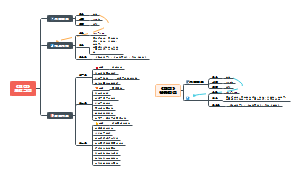
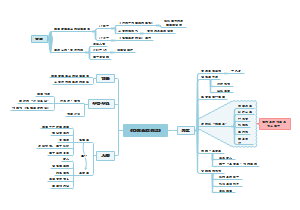
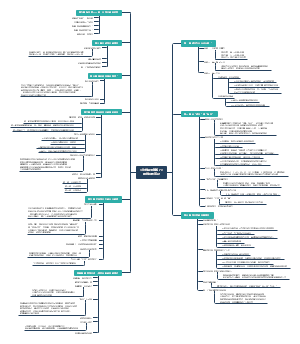
COLLECTION AND MANAGEMENT History, Theory, and Practice
引子
Defintion
everything that is done to care for and document collections and to make them available for use
acquisition, accession, registration, cataloging, care, use (for exhibition, education, and research), and disposal of objects and specimens and their associated information, as well as collection security, conservation, storage environments, and access.
简而言之: 获得、保存、使用过程相关的 动作、信息、物理环境、人员的管理; 另外要特别重视 infomation 的处理
Collection‐based information collection 信息如何处理
Generation of information
信息构成(早期acquisiton阶段)
organization of information
信息如何组织(如classification、category)
perpetuation of information
信息保存
dissemination of information
信息如何再分配/使用
Historical overview (伴随museum发展的collection mgmt)
博物馆&收集发展大致脉络
收藏动作很早出现 -Mesopotamia around 3200 BCE
现代意义博物馆- Temple of the Muses、around 330 to 30 BCEin Alexandria
中间 Church ~ museum (中世纪)
During the Renaissance, cabinets of curiosities (European)
catalogs and object labels 出现,但收藏保护保存概念还薄弱
By the late 1600s , 开始有点 collection mgmt 的雏形,有organized 的意识
During the Enlightenment ,大量藏品和博物馆的出现 滋生了对 CM的需求和推进
By the eighteenth century, CM 理论逐渐成型
In 1727 the first relaed book 出现
20世纪: 相关education 、training、assocation、standard 、technic 逐渐在美国、欧洲、澳洲成型
涉及重点
CM 肯定是伴随博物馆和文物growth 的大潮流出现,逐渐成为profession (学科化、专人化-registrar、博物馆化、组织协会化、电子化)
1946 UNESCO 、 (ICOM) 组织的出现比较重要
另外,美国在这个方面的systematic 系统化进程早于欧洲(都是在~20世纪左右)
The first use of museum registrar in the United States was in the US National Museum in 1881, fo
比较有趣是,美国相关协会有更大的training 、欧洲倾向于 university来承担
早期博物馆的 档案、信息管理还是比较混论,直到图是关library info mgmt成型后,通过对其的借鉴、学习才才逐渐成型
包括电子化进程,也是 从图书馆开始 -> 博物馆,且只有在电脑大幅普及、性价比高后,博物馆才切入electronic system
Literature review
从中可见的趋势: Two significant trends the establishment of standards and the development of museological theory.
Ethics /Legal
Ethics: best practices for museum professionals (伦理方面)
Legal aspects of collections management (法律层面)
Theoretical
Theory: objects and meanings (一些理论框架和专有名词)
Susan Pearce (1993)
materiality
physical characteristics and the concrete and intrinsic relationships an object or specimen has to its original contex
constructed understanding
the result of classification and interpretation ,the mirror of our thoughts, its changes through time the best guide to the history of human perception
Mason (2006, 20)
“materialist preservation
Materialist preservation is what can be seen in the preservation of the materials of heritage objects and their characteristics
“idealist preservation”
Idealist preservation is manifested in the conservation of the ideas stored in the material world by other media
Desvallées and Mairesse 2009, Maroević 1998
Museal
generally means “of museums,” but more precisely refers to the field of reference in which the creation, development, and operation of museums as institutions takes place
Musealia
refers to objects and specimens that have undergone the process of musealization, and the sum of the meanings they thereby acquire.
Musealization
is the removal of an object or specimen from its natural environment and its transformation into musealia,
Museality
refers to the characteristic features inherent in an object or specimen that document its specific relation to reality when it transcends functional reality to become a document in a larger context
Distinctions between data, information, and knowledge
注意:introduction of computers (也造成了一些其他观点
socio‐technical interactions as human beings, technology, and information intersect (Marty 2008b).
(Marty 2008a). 根据需要进行信息的拆分和组合,
aggregates
refers to creating new groupings of information from more than one source
surrogates
refers to the extraction of subunits of information;
信息的accessible 需要考虑,也不会全部公众化
Nicholson and Williams (2002)- deifiniton of CM
Theoretical foundations of collections management (基础支撑理论)
「three‐dimensional model」 -Simmons and Muñoz-Saba (2003). —— 这个框架挺重要的,有实际指导和分析意义 估计之后可以用在分析之中 (其实很多文物管理框架可以借鉴物流中inventory MGMT)
三个轴– order and disorder; growth and loss; and preservation and deterioration.
作用(指导、体现)
越早介入进行文物管理(保护/体系化),成本相对后期介入越低
文物的线性增多,会让成本显著(可能指数型)上升
可以根据这个模型,预测未来 disorder的可能性
尤其注意“An acceptable level of entropy in a collections” (可接受的混乱度- 需要保证实际使用操作、管理成本、文物状态的平衡)
a collections management system is present when collection growth does not exceed the ability to assign each element to a cell, when there is order in the collection (each element has a cell), no single element is displaced from its cell for a prolonged period of time, each element can be found in the collection storage array with a minimum of effort, the deterioration of the collection -
CM理论同样会伴随 博物馆属性定义 的趋势而发展
近期博物馆属性
museums as repositories of objects to museums as repositories of knowledge” (Marty 2008b, 4).
相关而生的“documentation system” (有点服务于collection / accessibilty 的意思)
定义和功能
using a variety of media (paper, photographic, electronic, etc.)
record activities that affect the collection and fulfill its obligation to know at any time exactly which objects or specimens it is responsible for, where each is located, and to record information generated by the use of the collection,
test of a documentation system
ability to retrieve the information it contains.
have clarity and permanence, be legible, and be comprehensive (complete).
recorded in readable form, in an archival format, using stable materials
* 有意思,Electronic data is inherently unstable
储存成本
可能被黑
Pracitical
Preventive conservation (预防性保护-提前保护成本更低)
refers to the things that are done to prolong the useful life of an object or specimen in a collection
Risk management (作为预防保护的重要环节)
evaluating the chances of a risk occurring and the extent of the damage
.A theoretical and practical model Waller (2003)
Acquisitions, accession, registration, and cataloging (更像是整个文物获得、移交过程的名词解释)
重点名词:Registration
The overall process by which an object or specimen becomes part of a collection is registration.
establishes the right of ownership and preserves the association of an object or specimen and its associated information
The test of an accession system
1. An intelligent person should be able figure out how to use the system. 2. Using the recorded documentation, it should be possible to produce any object or specimen from the collection. 3. Given any object or specimen, it should be possible to produce its associated documentation.
一些名词
An acquisition refers to an object or specimen obtained by a museum, but does not mean that a transfer of ownership has taken place. • An accession is an acquisition that the museum has taken legal ownership of. • Accessioning is the process of transferring ownership of an acquisition to the museum and recording it as part of the collection. • The accession number is a unique number assigned to an object or group of objects that comprise an accession. In some museums the accession number is the only number assigned to an object, in other museums a catalog number may be used to track the object. An accession number may also be called a registration number. The accession record documents the accession’s origin and includes a brief description of it. Historically, accession records were hand‐written in a bound ledger book or card file called the accession register; some museums now maintain accession records only in digital format. • Cataloging is the process of organizing information by creating records related to the object or specimen (“to catalog” means to place in categories; the catalog is created by extracting data from the registration records). • The catalog is a listing of object or specimen information that is separate from the accession register. • A catalog record is created during the cataloging process. • The catalog number is a number assigned to a particular object or specimen to provide a unique identification for it.
一些在过程中的其他注意点
accession or catalog number
例子:(e.g., A7173 , 14/H212, 50.12.3b
建议使用复合标记(当然要贴近博物馆
Provenance ( 出处/租用/使用的全记录)
provenance refers to the entire chronology of an object from its place of creation through its present ownership.
Standard nomenclature (taxonomy) 注意命名法(考虑到之后的文物增加和交流)
goal is not to propose a name for every object, but to provide a framework for cataloging.
collection storage array (物理层面的存储管理)
system and arrangement of objects and specimens in storage,
The test for a collection storage array
• Can each object or specimen - be easily located in the collection? • Can the collection be used efficiently and safely? • Can the collection be maintained in order with a minimum of resources? • Does the arrangement provide an appropriate, stable environment for each object or specimen?
也是一个balance 的问题: 物理尺度、可获得性、成本、安全性
Condition reporting (情况报告?)
evaluating the impact of access and use through loans, display, and so on,
loan
a loan is a temporary arrangement because ownership does not change – the
Deaccessioning and disposal (most controversial practices)
趋势
growth of collections and the change of value definition
定义
Deaccessioning is the opposite of accessioning – it is the permanent removal of something from the collection.
Disposal refers to what happens to the deaccessioned object or specimen after deaccessioning.
考虑 Weil (1997)
the retention of each and every object in a collection involves an ongoing expense for the museum; • deaccessioning may generate funds that can be used to acquire other objects more critical to the institutional collecting plan; • deaccessioning an object to another museum (particularly a peer institution) may better serve the museum community, the discipline, and the object itself.
The future of collections management
老生常谈
inadequate funding, insufficient visitors, and failure to attract new audiences.
overcrowding in storage ——better collections planning
cost‐effective in the long run
database programs
. Storage arrays、Future storage furniture
stylized, energy‐efficient buildings
public need / political view
demand for access(collections and collection information )
repatriation of specimens or objects to their country or community of origin.