导图社区 TIntern Abbey
TIntern Abbey ,He is a British Romantic poet who was once crowned poet laureate. His poetic theory shook the rule of classical British poetics and effectively promoted the reform of British poetry and the development of the Romantic movement.
编辑于2023-10-07 22:47:41 北京市TIntern Abbey
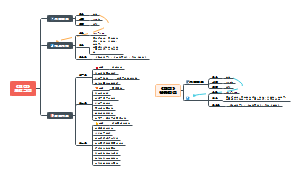
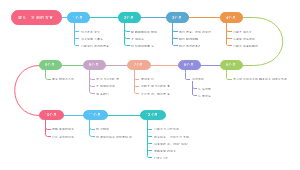
Author
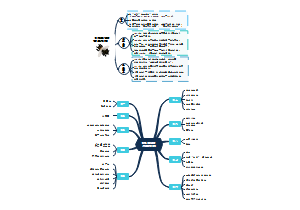
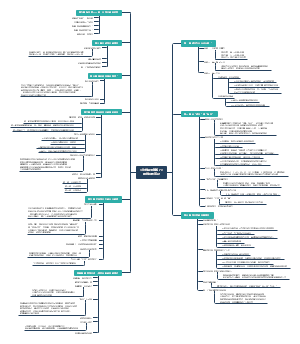
He is a British Romantic poet who was once crowned poet laureate. His poetic theory shook the rule of classical British poetics and effectively promoted the reform of British poetry and the development of the Romantic movement.
background
Tintern Abbey is located in the southern Welsh county of Monmouthshire, and was abandoned in 1536. In 160 lines of blank verse, Wordsworth describes what he hears and sees again five years after he last visited this scene along the Wye River in Wales, near the ruins of an ancient abbey.
content
The poet contrasts the hustle and bustle of the city with the charm of the Huaihe River. In this poem, modern civilization brings the hustle and bustle of the city, causing many people to lose themselves in material pursuits. However, the beautiful scenery near Dingdeng Temple has not yet been engulfed and trampled by modern civilization. On one hand, it is the beautiful and colorful river scenery, and on the other hand, it is the towering urban architecture, which sets off people's happiness and pain. Considering the historical background at that time, although the poet supported the French Revolution that liberated humanity, he also felt anxious about things such as industry, cities, and materials, and warned people not to be polluted by them.

significance
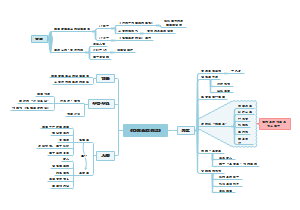
1 Wordsworth's descriptions of the banks of the River Wye outline his general philosophies on nature. 2It's the terminal poem of the 1798 edition of Lyrical Ballads
style and structure
1 It's written in tightly-structured blank verse and comprises verse-paragraphs rather than stanzas. 2It is unrhymed and mostly in iambic pentameter. 3.It contains elements of all of the ode, the dramatic monologue and the conversation poem. 4It is combination of an Eighteenth-Century "landscape-poem" and conversation poem.
personal understanding
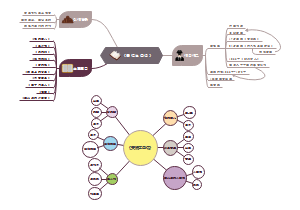
Wordsworth's life experience of traveling to Europe has deepened and deepened his understanding of nature. The cruelty of the French Revolution further highlighted the hustle and bustle of the city, making it difficult for people's minds to find peace. Although this is a revolution that broke out for the liberation of human nature, and the poet responded with great enthusiasm to support this revolution, after the baptism of this revolution, the poet believes that it is urgent for people to return to nature. This poem by Tintern Abbey portrays the beauty of human nature, the aesthetic appeal, the perspective of truth, and the moral influence bestowed upon humanity by natureMutual care and influence in the interaction between humans and nature.
This poem demonstrates the mutual care and influence between humans and nature in their interaction. Wordsworth and his sister traveled along the banks of the Huai River, capturing the joy of the past in the shimmering beauty of nature. After returning, these pleasures returned to the poet's heart. The poet integrates himself into nature and considers himself a part of it. Recalling the scene of traveling the Huaihe River with his sister five years ago, he feels the sublimation and refinement of his spirit, and has a deeper understanding and understanding of nature. Human nature is also the most beautiful part of the poem.
theme
1The sublimity of nature. 2 Wordsworth shows his mystic philosophy through the poem
TIntern Abbey
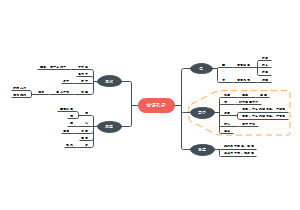
Author
He is a British Romantic poet who was once crowned poet laureate. His poetic theory shook the rule of classical British poetics and effectively promoted the reform of British poetry and the development of the Romantic movement.
background
Tintern Abbey is located in the southern Welsh county of Monmouthshire, and was abandoned in 1536. In 160 lines of blank verse, Wordsworth describes what he hears and sees again five years after he last visited this scene along the Wye River in Wales, near the ruins of an ancient abbey.
content
The poet contrasts the hustle and bustle of the city with the charm of the Huaihe River. In this poem, modern civilization brings the hustle and bustle of the city, causing many people to lose themselves in material pursuits. However, the beautiful scenery near Dingdeng Temple has not yet been engulfed and trampled by modern civilization. On one hand, it is the beautiful and colorful river scenery, and on the other hand, it is the towering urban architecture, which sets off people's happiness and pain. Considering the historical background at that time, although the poet supported the French Revolution that liberated humanity, he also felt anxious about things such as industry, cities, and materials, and warned people not to be polluted by them.
significance
1 Wordsworth's descriptions of the banks of the River Wye outline his general philosophies on nature. 2It's the terminal poem of the 1798 edition of Lyrical Ballads
style and structure
1 It's written in tightly-structured blank verse and comprises verse-paragraphs rather than stanzas. 2It is unrhymed and mostly in iambic pentameter. 3.It contains elements of all of the ode, the dramatic monologue and the conversation poem. 4It is combination of an Eighteenth-Century "landscape-poem" and conversation poem.
personal understanding
Wordsworth's life experience of traveling to Europe has deepened and deepened his understanding of nature. The cruelty of the French Revolution further highlighted the hustle and bustle of the city, making it difficult for people's minds to find peace. Although this is a revolution that broke out for the liberation of human nature, and the poet responded with great enthusiasm to support this revolution, after the baptism of this revolution, the poet believes that it is urgent for people to return to nature. This poem by Tintern Abbey portrays the beauty of human nature, the aesthetic appeal, the perspective of truth, and the moral influence bestowed upon humanity by natureMutual care and influence in the interaction between humans and nature.
This poem demonstrates the mutual care and influence between humans and nature in their interaction. Wordsworth and his sister traveled along the banks of the Huai River, capturing the joy of the past in the shimmering beauty of nature. After returning, these pleasures returned to the poet's heart. The poet integrates himself into nature and considers himself a part of it. Recalling the scene of traveling the Huaihe River with his sister five years ago, he feels the sublimation and refinement of his spirit, and has a deeper understanding and understanding of nature. Human nature is also the most beautiful part of the poem.
theme
1The sublimity of nature. 2 Wordsworth shows his mystic philosophy through the poem