导图社区 名词
- 29
- 0
- 0
- 举报
名词
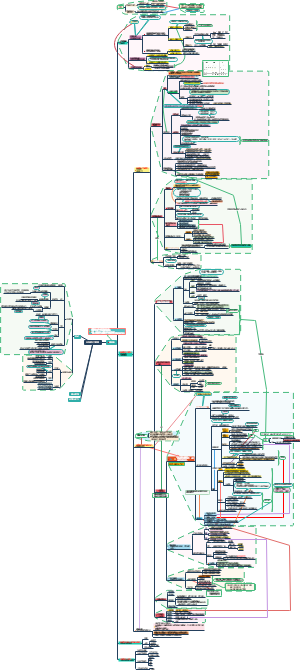
这是一篇关于名词的思维导图,该思维导图全面系统地整理了英语名词的相关语法知识,便于理解和记忆名词的不同分类、变化规则以及所有格的用法。
编辑于2025-06-12 19:18:35- 名词
- 代词

- 相似推荐
- 大纲




名词
普通名词
可数名词 (一分为二,特征改变)
个体名词---指单个或个体
集体名词---指整体或集体(做主语,谓语动词用复数) family 家庭 police 警察
可数名词规则变化
直:名词后直接加 s
加 es
以 s/ch/x/sh 结尾的名词:后面加 es
部分以 o 结尾的名词:英雄在火山上,爱吃土豆和西红柿 hero-heroes, tomato-tomatoes, potato-potatoes
改
辅音字母+y结尾的名词:改 y 为 i 加 es
以 f/fe 结尾的名词:改为 v 加 es 妻子拿刀去杀狼,小偷吓得发了慌(wife、knife、wolf、thief) 躲在架后保己命,半片树叶遮目光(shelf、self、life、half、leaf)
可数名词不规则变化
男人女人a变e,鹅足牙oo变ee( foot-feet)
神奇的鱼鹿羊( fish, deer, sheep)
孩子后面把人加,老鼠本来爱大米 (child - children,mouse - mice)
中日不变英法变,其余s加后面 (Englishman - Englishmen )
复合名词变复数,前者不变后者变;男人女人若出现,前者后者都要变
特殊
trousers裤子、glasses眼镜【单词本身永远是复数,后面谓语动词用are】
不可数名词 (一分为二,特征不变)
物质名词---无法分为个体的物质、材料( cotton 棉花 water 水)
抽象名词---品质、动作、状态、情感等抽象概念( love 爱 silence 寂静)
不可数名词
金木水火土(gold, wood, water, fire, earth)
肉面奶茶布(meat, flour, milk, tea, cloth)
大米面包食物(rice, bread, food)
空气时间财富(air, time, wealth)
语文数学等学科(Chinese, maths)
知识作业和家务(knowledge, homework, housework)
表示量
表示具体的量
a、an、数词---只修饰可数名词
a/an/数词+表示单位的名词+of ---既可以修饰可数名词,也可以修饰不可数名词
表示大概的量
只修饰可数名词
few很少/a few一些
many许多/ a great many许多
a large number of大量/a small number of少量
只修饰不可数名词
little很少/a little一些
much许多/a great deal of很多
a large amount of大量/a small amount of少量
既可以修饰可数名词也修饰不可数名词
some一些/any 任何
most大多数/all全部
a lot of/lots of许多
plenty of许多
专有名词 (首字母要大写)
人名 地名 国名(Asia 亚洲 China 中国)
月份 星期 节日(September 九月 Saturday 星期六)
书籍 报刊 电影(China Daily 《中国日报》)
机构 组织 团体(the United Nations 联合国)
名词所有格
有生命,用's('s所有格),还可表示时间、距离、城市、国家等名词的所属关系
无生命,用of(of所有格)
形容词性物主代词、名词性物主代词
一 一对应,用to
双重所有格:整体中的一个或一部分
of +'s
of +名词性物主代词
名词所有格辨析
Mike and Mary's bike 表示共同拥有
Mike's and Mary's bikes 表示各自拥有
冠词
不定冠词a/an
区别
a + 辅音音素
an + 元音音素
关于h开头
h 不发音时:用 "an"。例如:“an hour”
h 发音时:用 "a"。例如:“a hat”, “a hill”
关于u开头
u 发 /ju:/ 音时:用 "a"。例如:“a university”, “a uniform”
u 发 /ʌ/ 音时:用 "an"。例如:“an unusual day”, “an umbrella”
一般用法
数量“一”(a/an用于表示数量的“一个”,而不是强调: one 强调数量,表示“一个”,而不再用“两个”或“三个”)
表类指(指一类人或事物中的“任何一个”)——A bird can fly
表泛指(某一个;某位)——I have a new bike,The bike is red
又一个;再一个(用于序数词之前,first除外)
同一;相同
每一(用在表示时间、长度、重量等数名词前,意思与each或per)
一个集体(用于集体名词前,表示一个整体)——This is a family of eight.这是八口之家
一种;这种(用于抽象名词前,使抽象名词具体化)——I am quite at a loss. 我不知所措
一阵;一份;一场(用于物质名词前,表示一阵;一份;一场)——I'd like an ice cream. 我想要一份冰激凌
特殊用法
表达的是一个人或物还是两个不同的人或物
一个a,指一个人:He is a teacher and painter.
两个a,指两件不同的人:A teacher and a painter are coming here.
成对出现的事物,被视为一体:knife and fork”这样的短语被视为一个整体
不定冠词的位置
一般来说,当不定冠词修饰名词时,不定冠词应放在所有的修饰词前
不定冠词在遇到 quite 时,需要放在其后面。当出现 what 和 such 时,也只能承载在后面 What a funny story! 多么有趣的一个故事! Such a big fish 如此大的一条鱼!
不定冠词遇到 so 时,甚至要给身后的形容词让位,当遇到 how、too、as 时,也是一样 How tall a mountain it is! 这是一座多高的山啊! It’s too cold a day to work today. 今天太冷,无法工作。 She is as pretty a girl as Linda. 她是个和琳达一样漂亮的女孩。
定冠词
独:独一无二的---the sun, the moon, the earth, the sky
旧:上文提过的---I bought a new pencil, the pencil is red.
双:双方都知道的---Give me the book.
方:表方位---on the left, on the right, in the centre, in the west
级:形容词、副词最高级---he tallest, the coldest, the best, the most
乐:西洋乐器---play the piano, play the violin
序:序数词前---the first, the second, the third, the fourth
姓:the+姓氏的复数---the Whites = the White family
形:形容词,表一类人---the rich, the old, the sick
山河:山河海;沙漠;海峡海湾---the Andes, the Nile River, the Red Sea
惯:习惯用法---in the morning, all the same
建筑:某些特殊的建筑---the Eiffel Tower, the Empire State Building
有the无the,意义不同
无the表动作---go to school去上学 意义延伸,表示与事物有关的活动,或表明其用途等
有the表地点---go to the school去学校 一般表示名词本身的意义
零冠词
0 :球类、棋类前——play football,play basketball
12:十二个月份——in April,in May
34:三餐四季——have breakfast,have lunch,in spring,in winter
56:五颜六色——red、white
7:一周七天、七大洲、七大行星(不包括地球)——on Sunday/Monday/Friday
8:八百诸侯是国家(国家、语言前不加)——china、English
9:九五至尊是身份(身份、人名、头衔前不加)——George Washington,Professor Smith
10:十月一国庆是节日(中外节日前不加,带festival的节日除外)——National Day,Teachers' Day
指示代词前:this(这个)、these(这些)、that(那个)、those(那些)
by+交通工具
冠词口诀
名词是秃子,常要戴帽了。 可数名词单,须用 a 或 an, 辅音前用 a,元音前用 an。 若为特指时,请用定冠 the, 复数不可数,泛指 the 不见。 碰到代词时,冠词丢一边。
代词
人称代词 (代替人或物)
主格:主格用于做主语,位于动词前(I/you/he/she/it/we/they)
宾格:宾格用于作宾语,位于动介后(me/you/him/her/it/us/them)
人称代词顺序
单数二、三、一(you, he/she and I) 复数一、二、三(we, you and they) 承认错误一、二、三(I and he/she) 男女并列男在前(he and she)
it 做替身
代替8类人或事物
指代不明确的人:如 "Who is it?"(是谁?)
性别不明的婴儿:如 "Your baby is cute, isn't it?"(你的宝宝很可爱,不是吗?)
日期:如 "It is Sunday today."(今天是星期日)
时间:如 "It is three o'clock."(三点钟)
距离:如 "It is about two kilometers."(大约两公里)
天气:如 "It is going to rain."(将要下雨)
前文提到的事物 如 "I had a watch but I lost it."(我有一块手表,但我把它丢了)
指示代词 this/that 如 "What’s this/that?"(这/那是什么?)以及回答 "It is an apple."(它是一个苹果)
代替两大句子成分
代替主语
主语是动词不定式或动名词
It is time to do sth.(是时候做某事)
It is one's turn to do sth.(轮到某人做某事)
It takes sb + 时间 + to do sth.(某人花费时间去做某事)
It is no good/use doing sth.(做某事没有好处/没有用处)
主语是从句
It is the first time that...(这是第一次……)
It is a pity/shame that...(遗憾的是……)
It seems/appears that...(似乎/看来……)
It is clear/true that...(显然/确实……)
代替宾语
think/find/believe it +形容词/名词 + to do sth. 认为/发现/相信做某事是…… I think it necessary to wait in line. 我认为排队是有必要的
物主代词 (表所有关系)
形容词性物主代词:形物代是胆小鬼,出门要有名词陪(my/your/his/her/its/our/their)
名词性物主代词:名物代是独行侠,独自一人闯天下(mine/yours/his/hers/its/ours/theirs)
名物代=形物代+名词
变化口诀
他它不变,我大变,其余s加后面 (his, its 不用变,my 变 mine ,your, her, our 和 their,添个 s 形变名)
反身代词 (表反射或强调)
分类:myself/yourself/himself/herself/itself/ourselves/yourselves/themselves
口诀:一二形代第三宾
搭配:by oneself/enjoy oneself/for oneself/help oneself to...
指示代词 (指示或标记人或物)
this/these
① this,these 指时间和空间上较近的人或物 Is this your bag? 这是你的包吗?
② this,these 指下文中将要提到的事物 Remember this: No pain, no gain. 记住这一点:一分耕耘,一分收获
③ 打电话时,用 this 来介绍自己 This is Tom speaking. 我是汤姆
that/those
① that,those 指时间和空间上较远的人或物 That is her bike. 那是她的自行车
② that,those 指文中刚提到过的事物 He is brave. Everyone knows that. 他很勇敢,所有人都知道
③ 打电话时,用 that 来询问可替换对方的身份 Who's that? 谁呀?
it, one 和 that的区别 都可以指上文提到的事物
it 代指“同类同物” ——特指上文提到的同一事物 示例:I have a card. It is nice 我有一张卡片,它很漂亮
one 泛指“同类异物”——特指上文提到的同类事物,但非同一个 示例:The T-shirt is good. I'd like a black one.这件T恤不错,我想要一件黑色的。
that 特指“同类异物”——特指上文提到的同类事物,但非同一个 示例:The window here is bigger than that in the bedroom.窗户在这里比卧室里的大
不定代词
常见不定代词
some 和 any 表一些
some用在肯定里、any用在否疑里,表达请求或建议some来把any替
用法:可数不可数都可用
many 和 much 和 a lot of 表许多
基本用法
many+可数名词复数
much+不可数名词 (much 不用在肯定句)
a lot of+可数名词复数/不可数名词
plenty of+可数名词复数/不可数名词
区分
too many 太多 + 可数名词复数
too much 太多 + 不可数名词
much too 太 + 形容词
how many/how much
问多少
how many加可数名词复数,how much不可数名词
how many 对应are,how much用is
how much 还能提问价格
few 和 little 表少量
有a在前:表示“有一点”
无a在前:表示“几乎没有”
用法:few+可数名词复数,little+不可数名词
each 和 every 表每个
each适用于二者及以上,,强调个体,后可加of 短语
every适用于三者及以上,强调整体,后不加of 短语
用法:each /every+单数名词
both 和 either 和 neither 表两者
both: 两者都
both + 复数名词/代词,谓语动词用复数——“Both the boys are clever”(两个男孩都很聪明)
both of + 复数名词/代词,作主语时,谓语动词用复数——“Both of my parents are doctors”(我的父母都是医生)
both...and... 连接名词/代词,作主语时,谓语动词用复数——“Both he and his brother are good at English”(他和他的弟弟都擅长英语)
与否定词“not”连用,表示部分否定——“Not both of the answers are correct.”(这两个答案并非都正确)
either: 两者之一
either + 单数名词,谓语动词用单数——Choose either book to read.(任选一本书来读)
either of + 复数名词/代词,作主语时,谓语动词用单数——Either of the students is excellent.(这两个学生中的任何一个都很优秀)
either...or... 要么…要么…(连接两个并列成分,谓语动词就近原则)——Either you or I am right.(要么是你对,要么是我对)
表示“也”,用于否定句末——Tom doesn’t like this movie. I don’t like this movie, either(汤姆不喜欢这部电影。我也不喜欢)
neither: 两者都不
neither + 单数名词,谓语动词用单数——Neither apple is ripe yet.(这两个苹果都还没熟)
neither of + 复数名词/代词,作主语时,谓语动词用单数形式——Neither of us likes spicy food.(我们俩都不喜欢辣的食物)
neither...nor... 既不…也不…(连接两个并列成分,谓语动词就近原则)——Neither my brother nor I am good at cooking.(我哥哥和我都不擅长做饭)
all 和 none表三者
all: 三者或以上全都
all + 名词
修饰可数名词复数,谓语动词用复数——All the books are useful to us.(所有的书对我们都有用)
修饰不可数名词,谓语动词用单数——All knowledge comes from practice.(所有的知识都来自于实践)
all of+名词
all of + 可数名词/代词复数,作主语时,谓语动词用复数——All of the flowers in the garden bloom at the same time.(花园里的所有花朵同时绽放了)
all of + 不可数名词,作主语时,谓语动词用单数——All of the milk in the fridge has expired.(冰箱里所有的牛奶都过期了)
与否定词“not”连用,表示部分否定——All students are not good at math.(不是所有的学生都擅长数学)
none: 三者或以上都不
none of + 名词/代词复数,作主语时,谓语动词用复数——None of guests want to stay.(没有一个客人愿意留下)
none of + 不可数名词,作主语时,谓语动词用单数——None of the milk in the carton was left.(纸盒里一滴牛奶也没剩下)
常用于回答 how many/much 问题:“None”可以指人或物,强调数量为“0”——How much money do you have? None
other家族
one——the other(特指,两者中另外一个)
one——the others(特指,剩余的全部)
one——another(另一,再一的)
some——others(泛指,除去一部分后的另一些)
复合不定代词
类别
some - 用在肯定里,某人某物某地点 (somebody someone something somewhere)
any - 用在否疑里,任何人物和地点(anybody anyone anything anywhere)
no - 要用在肯定里,没人没地没东西 (no one nobody nothing nowhere)
every-肯否疑中都能用,所有人物和地点(everybody everyone everything everywhere)
考点
复合不定代词作主语,谓语动词用单数
形容词修饰复合不定代词,形容词后置
主题
中心主题
主题
主题
主题