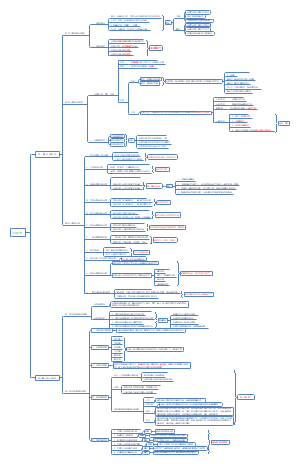
导图社区 物权概述
这是我归纳的民法物权概述的知识点,希望能供大家参考。
这是一篇关于宪法学思维导图,必备复习资料分享,方便大家备考时翻阅查看,提高复习效率,可以作为学习笔记和复习资料,帮助大家系统地回顾和巩固所学知识,学生更好地理解和记忆知识。很好用的哦,赶紧收藏下来一起学习吧!
社区模板帮助中心,点此进入>>
法理
刑法总则
民法分论
极限词查询
法律相关的英语词汇
政治必修一第一单元
增值税法思维导图
民法债的担保保证
自考合同法整理
思修笔记
物权通则
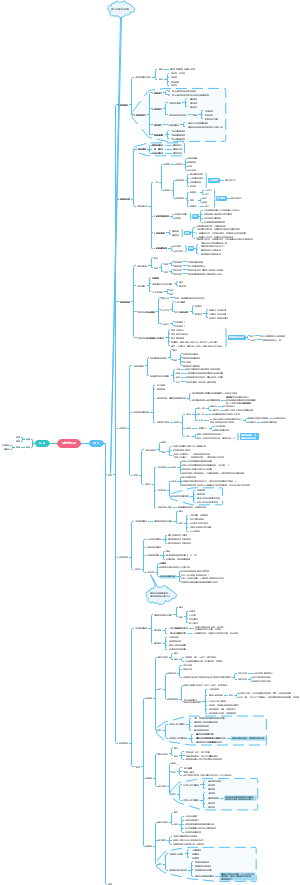
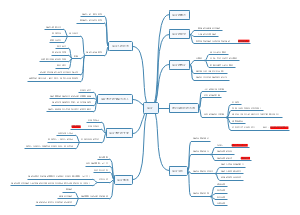
物权概述
概念
是一种财产权,指权利人依法对特定的物直接支配和排他的权利,包括所有权,用益物权、担保物权
特征
与债权相比较
子主题
物权的效力
优先效力
优先于债权
如已经基于交付取得所有权的买受人优先于其它普通债权人
物权相互之间的优先效力
如同一动产上已设立抵押权或质权,还动产又被留置的,留置权人优先受偿
追及效力
及时原物权人丧失占有,但只要不丧失所有权即可要求无权占有人返还原物
排他效力
同一物上不能存在两个以上互不相容的债权
物权的分类
完全物权和定限物权
所有权/用益物权、担保物权
用益物权和担保物权
都是他物权,用益物权支配物的使用价值,担保物权支配物的交换价值
动产物权、不动产物权和权利物权
主物权和从物权
所有权、用益物权为主物权,担保物权属于从物权
意定物权和法定物权
除留置权,其它物权都属于意定物权,仅需合同
物权法的基本原则
平等保护原则
适用规则、法律地位、保护的平等
物权客体特定原则
客体仅限于在经济和功能上完整的、独立的一物
一物之上不能存在两个以上互相冲突的物权
物权法定原则
含义:物权的类型和内容以及物权的变动方式都由法律规定,而不允许其它规范性文件或者当事人合意而设定。
此处的“法律”应当作狭义的理解,仅指全国人大及其常委会制定的规范性文件
国务院制定的行政法以及发布的决定,以及各部门规章等不包含在内
内容
类型强制
内容强制
公示强制
违反的后果:不发生物权效力
部分无效不影响其它部分,该行为无效不影响其它法律行为效力
公示公信原则
公示原则
不动产物权以登记为公示,动产物权以交付为公示
公信原则
如果当事人及于信赖公示内容而从事交易,即使公示内容与权力实际状态不符,善意受让人也受到法律保护,不负返还义务。(善意取得制度)
物权变动模式
物权变动的原因
物权变动的含义:物权的设立、变更、转让和消灭的总称
基于物权变动的原因,分为基于法律行为的物权变动和非基于法律行为的物权变动
物权变动模式的立法例
我国的物权变动模式
一般:以折中主义为原则,以债权意思主义为例外
不动产:登记生效主义为原则
也是用益物权和担保物权变动的基本原则
例外:地役权和土地承包经营权只要合同即可
动产:以交付生效为原则,登记对抗为例外
交付为生效主义的例外:
动产抵押权的设立
所有权保留合同中,标的物虽然交付,但不发生物权变动
登记对抗为例外的体现:船舶、航空器和机动车等特殊动产自交付时发生变动,未经登记不得对抗善意第三人
区分原则:当事人之间订立不动产物权变动的合同自合同成立时生效,未办理物权登记的不影响合同的效力
物权的保护
物权保护的概述
物权确认请求权
利害关系人可以申请
物权请求权
返还原物请求权
构成要件:
请求人为物权,
相对方为现时的物权占有人
排除妨害请求
物权被妨害
排除妨害请求权的相对人:行为妨害人和状态妨害人
消除危险请求权
可能妨害物权的,权利人要求消除危险
恢复原状请求权
非基于法律行为的物权变动
应生效文书发生物权变动
这法律文书或者人民政府的征收决定等生效时发生效力
因继承取得物权,自继承开始时发生效力
因事实行为设立或消灭物权
因合法建造、拆除房屋等事实行为设立或者消灭物权的,自事实行为成就时发生效力
未经登记的法律效力
根据前三项规定享有不动产物权的,处分该物权时,依照法律规定需要办理登记的,未经登记不发生物权效力
不动产登记
不动产登记概述
区分不动产登记簿与权属证书
根据/证明
不动产物权变动自记载于不动产登记时发生效力
除有确切证据之外,两者不一致的以不动产登记簿为准
登记错误的责任
登记机构承担赔偿责任,之后可以向完成错误的人追偿
不动产登记的类型
变动登记
包括首次登记、变更登记、转移登记和注销登记
更正登记
申请主体
经登记簿记载的权利人书面同意更正时即可
有证据证明登记确有错误的,登记机构应当更正
异议登记
申请人为利害管理人,如真正权利人和共有人
不影响权利人处分不动产的权利
申请异议登记的情形
异议登记后15天内不起诉的异议登记失效
异议登记失效后当事人可以申请确认之诉
预告登记
由当事人双方共同申请
预告登记的效力
预告登记后未经预告登记的权利人同意处分该不动产的,不发生物权效力
预告登记后债权消灭或者能够进行不动产登记之日起九十日内未申请登记的预告登记失效
动产交付
含义
现实交付
观念交付
简易交付:先租后买
指示交付:先出租再卖(设立返还请求权的让与)
占有改定:先卖后租
占有改定只适用于物权转让,不适用于物权设立。 因此,动产质权或动产善意取得的交付不得用占有改定