导图社区 语言学知识点框架
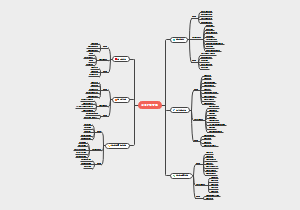
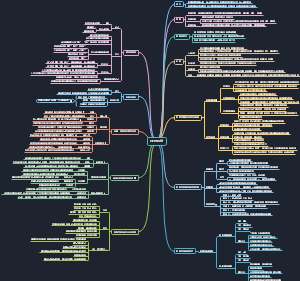
语言学知识点框架,涵盖了导言、语音、形态学、句法、语义学、语用学、语篇分析、社会语言学、心理语言学、认知语言学等。
编辑于2021-10-26 16:54:40
第一章 导言
一.Definition of linguistics语言学的定义
The scientific or systemic study of language, which is always guided by the- three canons of science: exhaustiveness, consistency and economy.语言学是对语言的科学或系统的研究。语言学研究的科学性可以归纳为:穷尽性、一致性以及简洁性
二.Linguistics vs. traditional grammar语言学与传统语法
Linguistics differs from traditional grammar at least in three basic ways.
1.Linguistics describes language and does not lay down rules of correctness.
2.Linguists regard the spoken language as primary, not the written.
3.Linguistics describes each language on its own merits.
三.Scope of linguistics语言学的研究范畴
1.Microlinguistics微观语言学
Phonetics语音学
Phonology音系学
Morphology形态学
Syntax句法学
Semantics语义学
Pragmatics语用学
2.Macrolinguistics宏观语言学
Sociolinguistics社会语言学
Psycholinguistics心理语言学
Neurolinguistics神经语言学
Stylistics文体学
Discourse analysis语篇分析
Computational linguistics计算语言学
Cognitive linguistics认知语言学
Applied linguistics应用语言学
四.Definition of language语言的定义
1.Language is a system ——elements in it are not arranged and combined randomly, but according to some rules and Principles.
2.Language is arbitrary——there is no intrinsic connection between the word (e.g. pen) and the thing (e.g. what we write with).
3.Language is vocal——the primary medium for all language is sound.
4.Language is used for human communication——it is human-specific, very different from systems of animal communication.
五.Origins of language语言的起源
1.Ding-Dong Theory叮咚理论
2.Sing-Song Theory唱歌说
3.Pooh-Pooh Theory噗噗理论
4.Yo-He-Ho Theory哟嘿吼理论
5.Ta-Ta Theory哒哒说
6.Bow-Wow Theory汪汪理论
六.Design features of language
1.Arbitrariness任意性
2.Duality二重性
3.Productivity多产性
4.Interchangeability互换性
5.Displacement移位性
6.Specialization专门性
7.Cultural transmission文化传递性
七.Functions of language
1.Phatic function/communion寒暄功能
2.Direction function指示功能
3.Informative function信息功能
4.Interrogative function疑问功能
5.Expressive function表达功能
6.Evocative function唤起功能
7.Performative function施为功能
八.Some major concepts in linguistics语言学中的主要概念
1.Descriptive and prescriptive grammar描写式与规定式语法
2.Synchronic and diachronic linguistics共时与历时语言学
3.Langue【2020名解】 and parole语言与言语
4.Competence and performance语言能力和语言应用
5.Syntagmatic and paradigmatic relations组合与聚合关系
6.Functionalism and formalism功能主义与结构主义
第二章 语音
一.Phonetics语音学
1.Phonetics语音学
2.Three major research fields of phonetics语音学研究的三大领域
二.Articulators发音器官
1.Articulators发音器官
(1)Seven major articulators七个主要的发音器官
pharynx咽腔
velum or soft palate软腭
hard palate硬腭
alveolar ridge or alveolum齿龈
tongue舌
teeth齿
lips唇
(2)Three notices
Larynx is also an articulator喉也是发音器官
Jaws are sometimes called articulators, but the jaws are not articulators in the same way as others.下颌有时也称作发音器官,但它与其他的发音器官不一样
The nose and the nasal cavity not articulators as others.鼻子和鼻腔和其他的发音器官也不一样
2.Voiceless and voiced sounds浊音和清音
3.Nasal and oral sounds鼻音和口腔音
三.Classification of English Speech Sounds辅音和元音
1.Consonants辅音
(1)Manner of Articulation and Place of Articulation发音方式和发音部位
(2)Classification of Consonants辅音的分类
In terms of manners of articulation按发音方式分类
stops爆破音
fricatives擦音
affricates破擦音
liquids边音
nasals鼻音
glides滑音
In terms of place of articulation按发音部位分类
bilabials双唇音
labiodentals唇齿音
dentals齿音
alveolars齿龈音
palatals上颚音
velars软腭音
glottal声门音
2.Vowel元音
(1)The Height of the Tongue舌头最高部分的高度
Front vowels前元音
Central vowels中元音
Back vowels后元音
(2)The Shape of the Lips唇的圆展度
Rounded vowels圆唇音
Unrounded展唇音
(3)The Width of the Mouth开口的宽度
Open vowels开元音
Close vowels闭元音
Semi-open vowels半开元音
(4)Monophthongs and Diphthongs单元音与双元音
四.Variations of Sounds音的变化
1.Liaison连读
2.Elision省音
3.Assimilation同化
五.Phonology音系学
1.Phonology音系学
2.Phoneme音位
3.Minimal Pairs and Sets最小对立体
4.Free Variation自由变体
5.Distinctive Features区别特征
六.Syllables and Consonant Cluster音节和辅音连缀
1.Syllables音节
2.Consonant Cluster辅音连缀
七.Suprasegmentals超切分特征
1.Suprasegmental features超切分特征
2.Stress重音
3.Intonation语调
第三章 形态学
一.Morphology形态学
Definition of Morphology形态学的定义
二.Morphemes语素
1.Definition
2.Types of Morphemes语素的类型
(1)Free morpheme自由语素
(2)Bound morpheme粘着语素
三.Morphs and Allomorphs【2020名解】语素和语素变体
Definition of Morphs and Allomorphs
四.Types of Word Formation构词法
1.Compounding复合词
2.Derivation派生词
3.Other ways of word formation其他构词法
(1)Conversion转换法
(2)Backformation逆序造词【2020名解】
(3)Clipping截断法
(4)Blending混成法
(5)Acronym首字母缩略词
(6)Initialism首字母缩写词
第四章 句法
一.Syntax句法
1.Definition
2.Word Classes词类
二.Two Approaches两种研究方法
1.The Prescriptive Approach规定式
2.The Descriptive Approach描写式
三.Structural analysis结构主义研究
1.The Constituent structure grammar结构成分语法
2.Immediate Constituent analysis直接成分分析法
(1)Definition
(2)Advantages
(3)Problems
四.The transformational grammar转换语法
1.Chomsky's Classical Theory乔姆斯基的经典理论
2.“Standard Theory”标准理论
(1)Deep structure and surface structure深层结构和表层结构
(2)The “standard theory”标准理论
3.Syntactic Movement句法移位
(1)NP-movement NP移位
(2)Wh-movement Wh-移位
(3)Aux-movement Aux移位
4.Move-α rule Move-α规则
五.Systemic-Functional Grammer功能学派(布拉格语言学派)
1.General Account概述
2.Three General Functions of Language语言的三个功能
第五章 语义学
一..Definition of Semantics
二.Some approaches to the study of meaning研究意义的几种方法
1.Meaning as naming命名论
Referential theory or naming theory指称理论或命名理论
Problems缺点
Meaning as concept内涵
2.Meaning as concept内涵
Any particular sound image is psychologically associated with a particular concept.任何一个声音都代表着具体的内涵.
Semantic triangle语义三角
3.Meaning as behavior行为主义
4.Meaning as context语境论
5.Meaning as truth conditions真值条件论
三.Word meaning词汇意义
1.Sense and reference涵义与所指
2.Seven types of meaning意义的七种类型
(1)Conceptual meaning概念意义
(2)Connotative meaning内涵意义
(3)Social meaning社会意义
(4)Affective meaning感情意义
(5)Reflective meaning反射意义
(6)Collocative meaning搭配意义
(7)Thematic meaning主位意义
3.Semantic fields语义场
definition定义
Lexical gap词汇差异
4.Componential analysis成分分析法【2020名解】
5.Major sense relations涵义关系
(1)Homonymy同音/同形异义关系
(2)Polysemy多义关系
(3)Homophony同音异义关系
(4)Synonymy同义关系
(5)Antonymy反义关系
Ungradable antonyms非等级反义词
Gradable antonyms等级反义词
(6)Hyponymy上下义关系
(7)Meronymy整体-部分关系
六.Sentences meaning句子意义
1.Sentence and proposition句子与命题
2.Semantic roles语义角色
definition定义
Classification分类
Agent&Patient施事与受事
Experiencer体验者
Instrument工具
Cause原因
Recipient受体
Benefactive施益体
Locative位置格
Temporal时间性
3.Semantic relationships between sentences句子间的语义关系
(1)Entailnent蕴含
(2)Presupposition预设
(3)Synonymy同义关系
(4)Inconsistency自相矛盾
(5)Implicature含意
第六章 语用学
一.Pragmatics语用学
1.Definition of pragmatics定义
2.Difference between pragmatics analysis and grammatical analysis语用分析与语法分析的区别
3.Definition of Micropragmatics and macropragmatics微观语用学与宏观语用学的定义
二.Micropragmatics微观语用学
1.Reference指称
2.Deixis指示
definition定义
Types类型
Person deixis人称指示
Time deixis时间指示
Space/spatial/place deixis空间指示
Discourse deixis篇章指示
Social deixis社会指示
3.Anaphora回指
4.Presupposition预设
definition定义
Presupposition triggers预设触发语
三.Macropragmatics宏观语用学
1.Speech Act Theory言语行为理论
(1)Theory of the Illocutionary Act行事行为理论
①Locutionary act发话行为
②Illocutionary act行事行为
③Perlocutionary act取效行为
(2)Classification of Illocutionary Act言语行为的分类
①Representatives阐述类
②Directives指令类
③Commissives承诺类
④Expressives表达类
⑤Declarations宣告类
(3)Indirect speech acts间接言语行为【名解】
2.The Cooperative Principle(CP)合作原则
(1)Coopert Principle and Its Maxims合作原则及其准则
The Maxim of Quality质量准则
The Maxim of Quantity数量选择
The Maxim of Relation关系准则
Tje Maxim of Manner方式准则
(2)Violation of the Maxims and conventional implicature违反会话原则与会话含义
Violation of the Maxim of Quantity违反数量准则
Violation of the Maxim of Quality违反质量准则
Violation of the Maxim of Relation违反关系准则
Violation of the Maxim of Manner违反方式准则
3.Politeness Principle(PP)礼貌原则
Tact Maxim得体准则
Generosity Maxim慷慨准则
Approbation Maxim赞誉准则
Modest Maxim谦虚准则
Agreement Maxim一致准则
Sympathy Maxim同情准则
第七章 语篇分析
一.Definition of Discourse and discourse analysis语篇及语篇分析的定义
Discourse语篇
Discourse analysis语篇分析
二.Information structure信息结构
1.Given and new information已知信息与新信息
2.Topic and comment话题与述题
definition定义
Differences with given-new information话题与述题的区别
3.Contrast对比
三.Cohesion and coherence衔接与连贯
1.Cohesion
(1)Reference
(2)Substitution
(3)Ellipsis
(4)Conjunction
(5)Lexical Cohesion
2.Coherence
1.Definition of Cohesion衔接的定义
2.Cohesive divices衔接手段
Reference指称
Substitution替代
Ellipsis省略
Conjunction连接
Lexical Cohesion词汇衔接
Repetition重复
Synonym同义词替代
Superordinate上位词替代
Cohesion连贯
四.Discourse markers语篇标记
1.Definition定义
2.Functional-pragmatic nature语用功能的特质
In narratives记叙文中
In non-narratives非记叙文中
3.Features of discourse markers语篇标记的特征
五.Conversational analysis会话分析
1.Adjacency pairs配组会话
Definition定义
Properties特征
2.Preference structure偏好结构
3.Presequences前序列
六.Critical discourse analysis批判性语篇分析
第八章 社会语言学
一.Definition定义
二.Language varieties语言变体
Standard language标准语言
dialects方言
Regional/geographical dialects地域方言
Temporal dialects时间方言
Social dialects or socialects社会方言
Idiolects个人方言
3.Registers语域
4.Pidgins and creoles皮钦语和克里奥尔语
三.Choosing a code选择语码
Diglossia双言现象
Bilingualism and multilingualism双语和多语
Code-switching语码转换
四.Linguistic taboos and euphemisms禁忌语和委婉语
五.Language and gender语言和性别
子主题
1.Two focuses两个关注点
2.The correlation between sex and style of speech性别与语言风格的关系
第九章 心理语言学
一.Definition of Psycholinguistics心理语言学的定义
二.Language Acquisition语言习得
三.Language Production语言的生成
1.Definition定义
2.Four Stages of Language Production语言生成的四个阶段
Conceptualization概念化
Formulation公式化
Articulation发音
Self-regulation自我监控
四.Language comprehension语言的理解
Sound Comprehension发音理解
Word recognition词语的识别
Comprehension of sentences句子理解
Comprehension of text语篇理解
五.Language and Thought思维和语言
1.Language determines thought语言决定思维
2.Thought determines language
第十章 认知语言学
一.Definition of cognitive linguistics认知语言学定义
二.Categorization and categories范畴化与范畴
1.Definition of categorization and categories定义
2.The classical theory经典理论
(1)Four assumptions四个假设
(2)Disadvantages缺陷
3.The prototype theory典型理论
(1)Definition of prototype定义
(2)Advantages优势
4.Levels of categorization范畴化的层次
(1)Three Levels of categorization范畴化的三个层次
(2)Three aspects in basic-level categories基本层次的三个方面
Perception感知
communication交流
Knowledge organization知识系统
三.Conceptual metaphor and metonymy概念隐喻与转喻
1.Conceptual metaphor概念隐喻
2.Conceptual metonymy概念转喻
Definition of Conceptual metonymy定义
Types of Conceptual metonymies类型
四.Iconicity象拟性
1.Iconicity of order顺序象拟性
definition定义
function功能
2.Iconicity of distance距离象拟性
3.Iconicity of complexity复杂象拟性
definition定义
Markedness theory显著性理论
五.Grammaticalization语法化
第十一章 语言习得
一.First Language Acquisition第一语言习得
1.Definition of language acquisition定义
2.Distinction between acquisition and learning语言习得和语言学习的区别
3.Two approaches of language acquisition语言习得的两种研究
4.Stages of acquiring the first language 母语习得的阶段
二.Second Language Acquisition第二语言习得
1.Definition of SLA定义
2.Contrastive analysis对比分析
3.Error analysis错误分析
Error vs. Mistake错误与失误
different types of errors不同类型的错误
①interlingual errors and intralingual errors语际错误与语内错误
②omissions, additions, double markings, misformations and misorderings省略、添加、双重标记、形式错误和顺序错误
4.Interlanguage中介语
definition定义
features特征
systematicity系统性
fossilization语言石化现象
三.Individual Differences in Second Language Acquisition二语习得的个体差异
1.Language aptitudes语言能力
2.Cognitive style认知风格
Field dependence场依存
Field independent场独立
3.Personality traits个人性格
4.Learning strategies学习策略
Cognitive strategies认知策略
metacognitive strategies元认知策略
social/affective strategies社交情感策略
四.Instruction and L2 Acquisition二语习得与教学
1.Form-focused instruction形式中心教学法
2.Learner-instruction matching学习者与课堂教学法的匹配
3.Strategy training学习策略的训练
第十二章 应用语言学
一.Definition of Applied Linguistics应用语言学的定义
二.Language Teaching Method语言教学法
1.The Grammar-translation Method语法翻译法
definition定义
main features主要特点
2.The Direct Method直接法
definition定义
main features主要特点
3.The Audiolingual Method听说法
definition
main features
Theoretical base理论基础
4.Situational Language Teaching情景教学法
definition
main features
Theoretical base
5.Functional Language Teaching功能教学法
6.Communicative Language Teaching交际法
7.Other Approaches其他教学法
Total physical response全身反应法
The silent way沉默法
The natural approach自然法等
三.Main Types of Language Tests主要的语言测试类型
1.Subjective and objective tests主观性测试和客观性测试
2.Discrete-point and integrative tests分立式测试和综合式测试
3.Criterion-referenced and norm-referenced tests标准参照测试和常模参照测试
4.Language aptitude tests语言能力测试
5.Diagnostic tests诊断测试
四.Principles of language Testing语言测试的原则
Validity效度原则
Reliability信度
Practicality实用性