导图社区 《语言教学教程:实践与理论》
《语言教学教程:实践与理论》是2000年8月1日外语教学与研究出版社剑桥大学出版社出版,作者是厄尔。
该思维导图是关于Principles of Language Learning and Teaching的考试内容。
社区模板帮助中心,点此进入>>
论语孔子简单思维导图
《傅雷家书》思维导图
《童年》读书笔记
《茶馆》思维导图
《朝花夕拾》篇目思维导图
《昆虫记》思维导图
《安徒生童话》思维导图
《鲁滨逊漂流记》读书笔记
《这样读书就够了》读书笔记
妈妈必读:一张0-1岁孩子认知发展的精确时间表
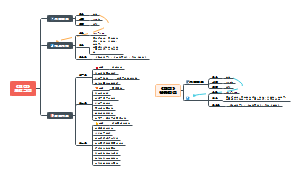
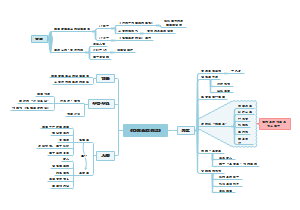
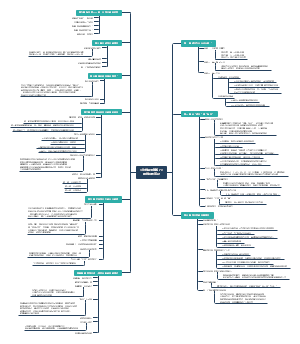
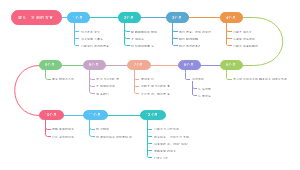
A Course in Language Teaching: Practice and Theory
Units with a ▶ symbol are components of the ‘core’ course; those with a ▷ symbol are ‘optional’.
Part I The teaching process
教学过程
Module 1: Presentations and explanations
传授和讲解
▶Unit One: Effective presentation
▷Unit Two: Examples of presentation procedures
▶Unit Three: Explanations and instructions
Module 2: Practice activities
语言实践
▶Unit One: The function of practice
▶Unit Two: Characteristics of a good practice activity
▶Unit Three: Practice techniques
▷Unit Four: Sequence and progression in practic
Module 3: Tests
测试
▶Unit One: What are tests for?
▶Unit Two: Basic concepts; the test experience
▶Unit Three: Types of test elicitation techniques
▷Unit Four: Designing a test
▷Unit Five: Test administration
Part II Teaching the language (1): The 'what'
语言教学(1):教什么?
Module 4: Teaching Pronunciation
语音教学
▶Unit One: What does teaching pronunciation involve?
▷Unit Two: Listening to accents
▶Unit Three: Improving learners' pronunciation
▷Unit Four: Further topics for discussion
▶Unit Five: Pronunciation and spelling
Module 5: Teaching vocabulary
词汇教学
▶Unit One: What is vocabulary and what needs to be taught?
▶Unit Two: Presenting new vocabulary
▷Unit Three: Remembering vocabulary
▶Unit Four: Ideas for vocabulary work in the classroom
▷Unit Five: Testing vocabulary
Module 6: Teaching grammar
语法教学
▶Unit One: What is grammar?
▷Unit Two: The place of grammar teaching
▷Unit Three: Grammatical terms
▶Unit Four: Presenting and explaining grammar
▶Unit Five: Grammar practice activities
▷Unit Six: Grammatical mistakes
Module 7: Topics, situations, notions, functions
话题、情景、意念、功能
▶Unit One: Topics and situations
▶Unit Two: What ARE notions and functions
▶Unit Three: Teaching chunks of language: from text to task
▷Unit Four: Teaching chunks of language: from task to text
▷Unit Five: Combining different kinds of language segments
Part III Teaching the language (2): The 'how'
语言教学(2):怎么教?
Module 8: Teaching listening
听力教学
▶Unit One: What does real-life listening involve?
▶Unit Two: Real-life listening in the classroom
▷Unit Three: Learner problems
▶Unit Four: Types of activities
▷Unit Five: Adapting activities
Module 9: Teaching speaking
口语教学
▶Unit One: Successful oral fluency practice
▶Unit Two: The functions of topic and task
▶Unit Three: Discussion activities
▷Unit Four: Other kinds of spoken interaction
▷Unit Five: Role play and related techniques
▷Unit Six: Oral testing
Module 10: Teaching reading
阅读教学
▶Unit One: How do we read?
▷Unit Two: Beginning reading
▶Unit Three: Types of reading activities
▶Unit Four: Improving reading skills
▷Unit Five: Advanced reading
Module 11:Teaching writing
写作教学
▶Unit One: Written versus spoken text
▷Unit Two: Teaching procedures
▶Unit Three: Tasks that stimulate writing
▶Unit Four: The process of composition
▷Unit Five: Giving feedback on writing
Part IV Course content
课程内容
Module 12: The syllabus
课程大纲
▶Unit One: What is a syllabus?
▶Unit Two: Different types of language syllabus
▶Unit Three: Using the syllabus
Module 13: Materials
教材
▶Unit One: How necessary is a coursebook?
▶Unit Two: Coursebook assessment
▶Unit Three: Using a coursebook
▷Unit Four: Supplementary materials
▷Unit Iive: Teacher-made worksheets and workcards
Module 14: Topic content
话题内容
▶Unit One: Different kinds of content
▶Unit Two: Underlying messages
▷Unit Three: Literature (1): should it be included in the course?
▶Unit Four: Literature (2): teaching ideas
▷Unit Five: Literature (3): teaching a specific text
Part V Lessons
课堂教学
Module 15: Lesson planning
一堂课的设计
▶Unit One: What does a lesson involve?
▷Unit Two: Lesson preparation
▶Unit Three: Varying lesson components
▷Unit Four: Evaluating lesson effectiveness
▶Unit Five: Practical lesson management
Module 16: Classroom interaction
交互式课堂活动
▶Unit One: Patterns of classroom interaction
▶Unit Two: Questioning
▶Unit Three: Group work
▶Unit Four: Individualization
▷Unit Five: The selection of appropriate activation techniques
Module 17: Giving feedback
提供反馈
▶Unit One: Different approaches to the nature and function of feedback
▷Unit Two: Assessment
▶Unit Three: Correcting mistakes in oral work
▶Unit Four: Written feedback
▷Unit Five: Clarifying personal attitudes
Module 18: Classroom discipline
课堂纪律
▶Unit One: What is discipline?
▶Unit Two: What does a disciplined classroom look like?
▷Unit Three: What teacher action is conducive to a disciplined classroom?
▶Unit Four: Dealing with discipline problems
▷Unit Five: Discipline problems: episodes
Part VI Learner differences
学习者差异
Module 19: Learner motvation and interest
学习动机和兴趣
▷Unit One: Motivation: some background thinking
▷Unit Two: The teacher's responsibility
▶Unit Three: Extrinsic motivation
▶Unit Four: Intrinsic motivation and interest
▷Unit Five: Fluctuations in learner interest
Module 20: Younger and older learners
不同年龄段的学习者
▶Unit One: What difference does age make to language learning?
▷Unit Two: Teaching children
▷Unit Three: Teaching adolescents: student preferences
▷Unit Four: Teaching adults: a different relationship
Module 21: Large heterogeneous classes
水平不齐的大班
▶Unit One: Defining terms
▶Unit Two: Problems and advantages
▶Unit Three: Teaching strategies (1): compulsory + optional
▶Unit Four: Teaching strategies (2): open-ending
▷Unit Five: Designing your own activities
Part VII And beyond
其他
Module 22: And beyond
▷Unit One: Teacher development: practice, reflection, sharing
▷Unit Two: Teacher appraisal
▷Unit Three: Advancing further (1): intake
▷Unit Four: Advancing further (2): output