studies not any particular languages,but studies languages in general
It is based on the systematic investigation of linguistic data, conducted with reference to some general theory of language structure.
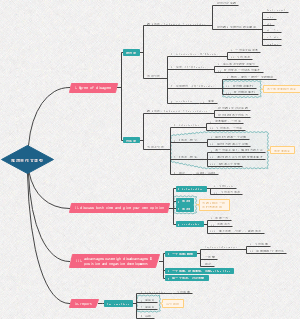
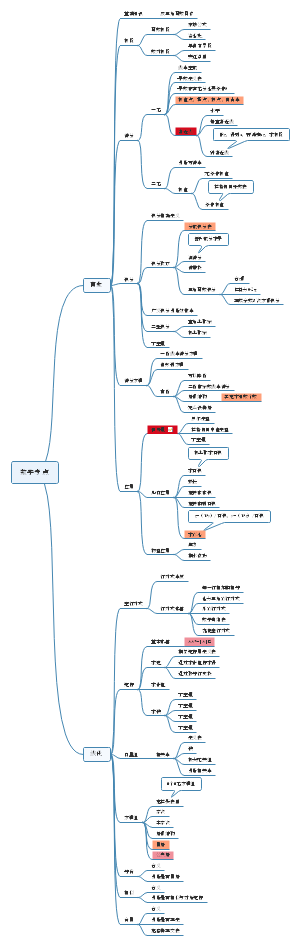
Scope
General linguistics
Phonetics
Phonology
Morphology
Syntax
Semantics
Pragmatics
Interdisciplinary branches
Sociolonguistics
the study of the relation between language and society.
Psycholinguistics
the study of the mental aspects of language
Applied linguistics
to tackle "real-world problems in which language is a central issue” (Brumfit 1995), including language acquisition, language teaching, speech therapy, media studies, translation studies, forensic linguistics.
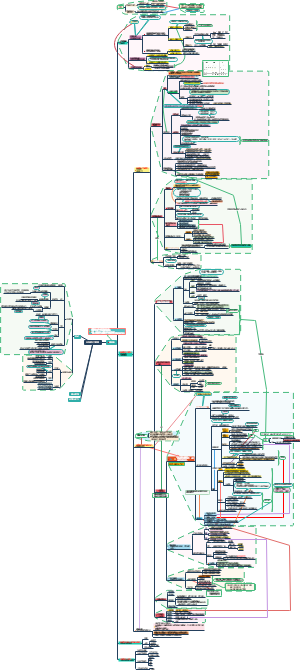
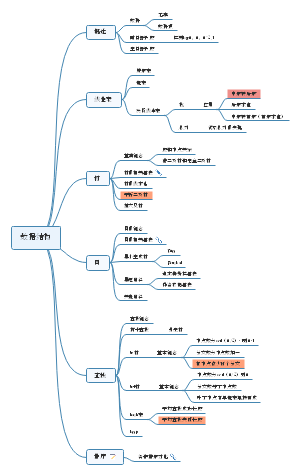
Distinction
Prescriptive vs. Descriptive
Prescriptive
lay down rules for “correct”or “standard” linguistic behavior in using
language (traditional grammar)
Descriptive
describe/analyze linguistic facts observed or language people actually use (mental grammar, modern linguistics)
Synchronic vs. Diachronic
Synchronic study
description of a language at some point of time. (Geographic study)
Diachronic study
description of how a language evolves through time. (Historical study)
Speech vs. Writing
Speech
primary medium of language
Writing
later developed, the “revised” record of speech
Langue vs. Parole
Langue
the abstract linguistic system shared by all members of the speech community (relatively stable and systematic)
Parole
the realization of langue in actual use (more variable)
Competence vs. Performance
Competence
the ideal user's knowledge of the rules of his language
Performance
the actual realization of this knowledge in linguistic communication
Traditional grammar vs. Modern Linguistics
Traditional grammar
prescriptive, written, Latin-based framework
Modern Linguistics
descriptive, spoken, not necessarily Latin-based
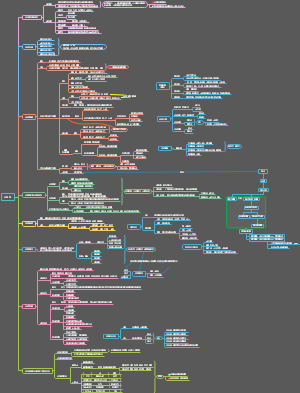
What is language
Definition
language is a system of arbitrary vocal symbols used for human communication
Systematic
rule-governed, elements in it are arranged according to certain rules; can’t be combined at will.
language is a system (elements of language are combined according to rules)
Arbitrary
no intrinsic connection between the word and the thing it denotes, e.g. “pen” by any other name is the thing we use to write with.
language is arbitrary in the sense that there is no intrinsic connection between a linguistics symbol and what the symbol stands for
Primarily vocal
the primary medium is sound for all languages; writing system came much later than spoken form.
Language is more than vocal speech—sign language of deaf communities
Human-specific
Design features of language
Arbitrariness
No logical (motivated or intrinsic) connection between sounds and meanings.
Onomatopoeic words (which imitate natural sounds) are somewhat motivated ( English: bang, …. Chinese: dingdang… )
Some compound words are not entirely arbitrary, e.g. type-writer
Productivity/creativity
Peculiar to human languages, users of language can understand and produce sentences they have never heard before.
Duality (double articulation)
Lower level
sounds (meaningless)
Higher level
meaning (larger units of meaning)
Displacement
Language can be used to refer to things, which are not present: real or imagined matters in the past, present or future, or in far-away places.
Cultural transmission
Cultural transmission is the process whereby a language is passed on from one generation to the next in a community.
Functions of language
Main Functions
despcriptive function
convey factual information
expressive function
user's feeling, preferences, prejudices and values
social function
establish and maintain social relations between people
Basic Functions
Emotive
express user's attitude
Conative
the addresser aims to influence the addressee's course of action or ways of thinking
Referential
the addresser conveys a message or information
Poetic
the addresser uses language for the sole purpose of displaying the beauty of language
Phatic communion
the addresser tries to establish or maintain good interpersonal relationships with the addresse
Metalinguitic
the addresser uses language to make clear the meaning of language itself
Macrofunctions
ideational
to organize the speaker's experience of the real or imaginary world
interpersonal
establish and maintain their status in a society
textual
to organize written or spoken texts
Saussure took a sociological view of language, while Chomsky focuses on the psychological aspects.
Languauge= langue + parole (interdependent relationship)
Langue vs. Parole
The relationship between spoken language and written language is complex. Within the field of linguistics, the current consensus is that speech is an innate human capability, and written language is a cultural invention.